11 reasons more women are choosing not to have kids
Nearly 45% of American women between the ages of 25 and 44 will likely remain childless by 2030, according to a recent report from Morgan Stanley. This shift isn’t just a small blip in the data; it’s a massive cultural overhaul. I’ve watched many of my closest friends trade diaper bags for designer luggage lately, and honestly, the math adds up.
Pew Research Center recently found that 44% of non-parents say they simply don’t want kids, up from 37% in 2018.
It’s a Conscious “Don’t Want Kids” Choice

Some women simply don’t want to have kids, and that’s a perfectly valid reason. Pew Research data highlights that “just not wanting to” is the top reason cited by non-parents under 50.
Society tells women they possess an innate “maternal instinct,” but that isn’t true for everyone. Some women just don’t want to be moms, and that is a perfectly valid choice. FYI, you don’t need a profound excuse to live your own life.
The Career Tradeoff Is Too Steep

Women work hard to climb the corporate ladder, but a baby often breaks the rungs. We call this the “motherhood penalty.” Research from the Census Bureau shows that the earnings gap between spouses doubles in the two years before and after the birth of a first child.
Women know that taking maternity leave often means missing promotions or being viewed as “less committed” by bosses. They choose to protect their professional identity rather than risk it.
The Cost of Kids Has Exploded

Let’s talk about finances. Raising a child in the U.S. now costs a jaw-dropping six figures. It’s estimated that raising a kid to age 18 costs around $300,000 or more (not including college). Add the skyrocketing costs of housing, student debt, childcare fees, and the fear of losing financial stability, and it’s no surprise women are saying, “Maybe not” when it comes to parenthood.
Weak Work–Family Policies and Burnout Fears

The U.S. lags behind many other wealthy countries in supporting working parents. With limited paid parental leave, high childcare costs, and minimal flexible work options, balancing a career with motherhood can feel impossible. Many women fear the “motherhood penalty”, the professional setbacks they face after having children, so choosing to stay child-free seems like a safer bet.
Desire for Freedom, Autonomy, and Self-Actualization

For many women, the idea of prioritizing their own growth and happiness is far more appealing than traditional motherhood. Women now value personal freedom, travel, hobbies, and relationships over following a rigid family timeline. They worry that having kids would limit their flexibility in ways that don’t align with their life goals.
Mental Load, Gender Inequality, and “Intensive” Parenting
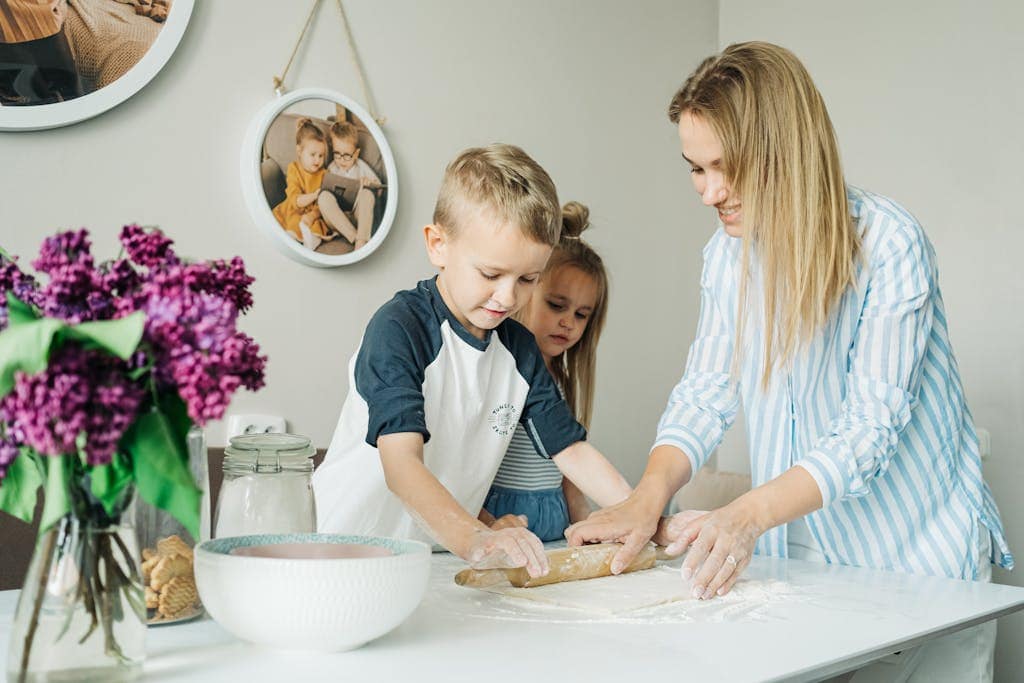
Even though women’s participation in the workforce is higher than ever, the mental load of domestic responsibilities still often falls on them. The modern “intensive parenting” norms, in which moms are expected to pour enormous time, money, and emotion into their children, feel overwhelming to many women. They simply don’t want to sign up for that kind of pressure.
Economic and Political Uncertainty

The overturning of Roe v. Wade sent shockwaves through the country. The Guttmacher Institute notes that uncertainty around reproductive healthcare makes family planning terrifying for many.
Women fear facing medical complications during pregnancy without guaranteed access to necessary care. This political instability forces many to avoid pregnancy altogether to ensure their own safety.
Climate Anxiety and Fears About the Future

Eco-anxiety is real. A note from Morgan Stanley analysts highlighted that the trend of not having children due to fears about climate change is growing faster than any other trend in this field.
Potential mothers worry about bringing a child into a world facing extreme weather and resource scarcity. They also consider the carbon footprint of adding another human to the planet. It is a grim calculation, but a responsible one for many.
Partner, Dating, and Relationship Barriers

Finding the right partner can be tricky, and many women fear ending up as the primary caregiver without equal support. In today’s dating world, where commitment is often hard to come by, staying child-free feels like a safer choice than having kids with someone who might not be on the same page about shared responsibilities.
Health, Fertility, and Abortion-Access Concerns

Concerns about infertility, health complications, and access to reproductive care are also influencing decisions. In some parts of the U.S., restrictive abortion laws are making women more cautious about pregnancy, especially if they have health conditions that could complicate things.
Difficult Childhoods and Family Experiences

Some women’s own difficult traumas and childhood experiences are influencing their decisions not to have children. Exposure to conflict, abuse, or unstable caregiving can make the idea of repeating those patterns deeply uncomfortable. As a result, some women choose not to have kids to break the cycle.
Disclosure: This article was developed with the assistance of AI and was subsequently reviewed, revised, and approved by our editorial team.
Like our content? Be sure to follow us