12 things boomers say aren’t worth the hassle or the price anymore
Boomers have stopped paying extra just for the privilege of being inconvenienced. That shift makes sense.
Federal consumer spending data show that households led by someone age 65 or older spent an average of $61,432 in 2024, and AARP says that 44% of adults 50-plus expect to relocate, with rising housing costs, property maintenance, and taxes driving many of those decisions. When money, energy, and patience all matter more, people start asking a sharper question: does this purchase actually make life better, or does it just make life noisier?
I hear this attitude all the time from older relatives and neighbors, and honestly, I get it. They still spend on what they love, but they want simplicity, reliability, and clear value now, not flashy promises and twelve hidden fees. AARP’s Lona Choi-Allum puts the travel version of this perfectly when she said older adults are adapting “how they travel, not whether they travel,” and that same logic now shows up in housing, cars, tech, entertainment, and everyday bills.
Cable bundles with channels nobody watches
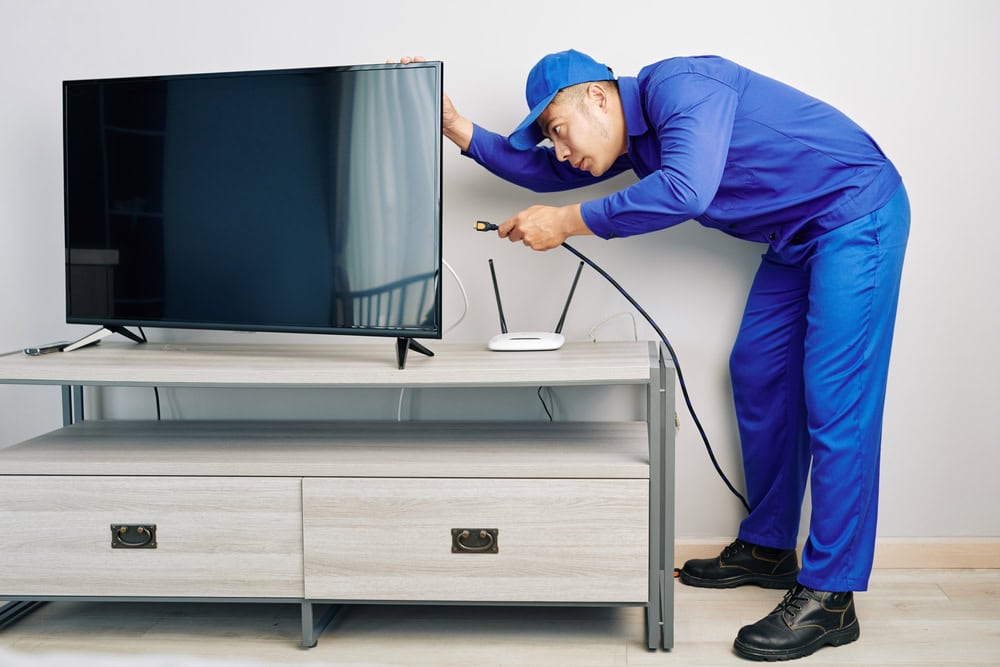
Boomers still hang on to cable more than younger Americans do, but even that loyalty has limits. Pew found that 36% of U.S. adults currently subscribe to cable or satellite, while 64% of adults aged 65 and older still do, suggesting older viewers remain the group most likely to keep the bundle. But when you pay for dozens of channels you never touch, the monthly bill starts looking less like entertainment and more like a recurring prank.
That pressure grows when streaming keeps pulling attention away from old-school bundles. Pew found that 83% of U.S. adults use streaming services, and only 44% of streaming users say those services feel worth the cost, suggesting people already question video spending from every angle. Plenty of boomers now look at cable and think, “Why am I funding seventeen shopping channels and three weather channels when I really wanted local news, one baseball game, and an old detective rerun?” Fair question, honestly.
Too many streaming subscriptions and paid apps

Cutting the cord did not magically kill bill fatigue. It just gave the bill a sleeker haircut and five more login screens. Bankrate found that 41% of boomers say canceling subscriptions or automatic payments feels somewhat or very difficult, compared with 28% of millennials. The same report says 71% of Americans waste more than $50 a month on unwanted subscription fees. That kind of slow leak drives older consumers absolutely nuts, and I cannot blame them.
AARP’s tech research shows that adults 50-plus already pay for things like video streaming, music, fitness classes, and smart-home security, so this group is not anti-tech at all. They just hit a point where another app, another renewal notice, and another “premium tier” stop feeling modern and start feeling exhausting. Ever notice how fast a $9.99 habit turns into a full-blown budget category? Boomers definitely notice.
Brand-new cars with giant monthly payments

The new-car glow fades fast when the financing math kicks in. JD Power said the average new-vehicle retail transaction price hit $46,233 in June 2025, and average monthly finance payments reached $748. By November 2025, JD Power said that average monthly auto payments hit a record $758, with loan terms now stretching up to 84 months, which means that “nice new car” can hang around your budget like an uninvited houseguest for seven years.
Then the ownership costs pile on top. JD Power’s 2025 Vehicle Dependability Study reports that problems after three years of ownership reached their highest level since 2009, and federal transportation data shows that motor vehicle insurance rose 2.9% year over year in December 2025, while maintenance and repair rose 2.0%. A lot of boomers now look at that stack of numbers and decide a dependable used car feels a lot more attractive than a shiny new payment plan with cupholders.
Oversized houses that eat money and energy

Boomers helped define the big American family home, but many now see the downside more clearly than ever. The National Association of Realtors says baby boomers made up 53% of sellers in 2025, and the report notes that older sellers often move because their homes feel too large or because they want to live closer to friends and family. AARP backs up that trend with even sharper numbers: among adults 50-plus who expect to move, 71% cite rising housing costs, 60% cite property maintenance, and 55% cite taxes as major reasons.
AARP also quoted senior real estate specialist Rachel Quittner, who said that maintaining a larger home gets harder with age and that the savings gap looks real. The same AARP report says that average annual maintenance costs rose to $10,593 for a single-family home, compared with $8,759 for a townhome and $3,258 for a condo. At some point, that extra square footage stops feeling impressive and starts feeling like a very expensive place to store holiday decorations and a treadmill nobody uses.
Big yards and maintenance-heavy properties

A lovely yard sounds romantic until your back, your knees, and your Saturday schedule vote against it. In AARP’s 2024 housing-preferences research, 72% of adults 50-plus said having trustworthy, affordable, high-quality contractors in their community matters a lot, and 65% said access to services for home repair and yard maintenance matters a lot, too. That tells you the issue goes beyond taste. Many boomers still like outdoor space, but they do not necessarily want to spend retirement babysitting hedges and dragging hoses around like unpaid groundskeepers.
AARP’s broader home-and-community survey adds another twist. It found that 75% of adults 50-plus want to stay in their current home as long as possible, which means many older Americans now look for ways to keep their homes and reduce their workload. That often pushes them toward smaller lots, lower-maintenance landscaping, or communities where somebody else handles the leaf warfare. Who wants a beautiful yard if it turns every spring into an endurance event?
Giant remodels that do not make aging easier
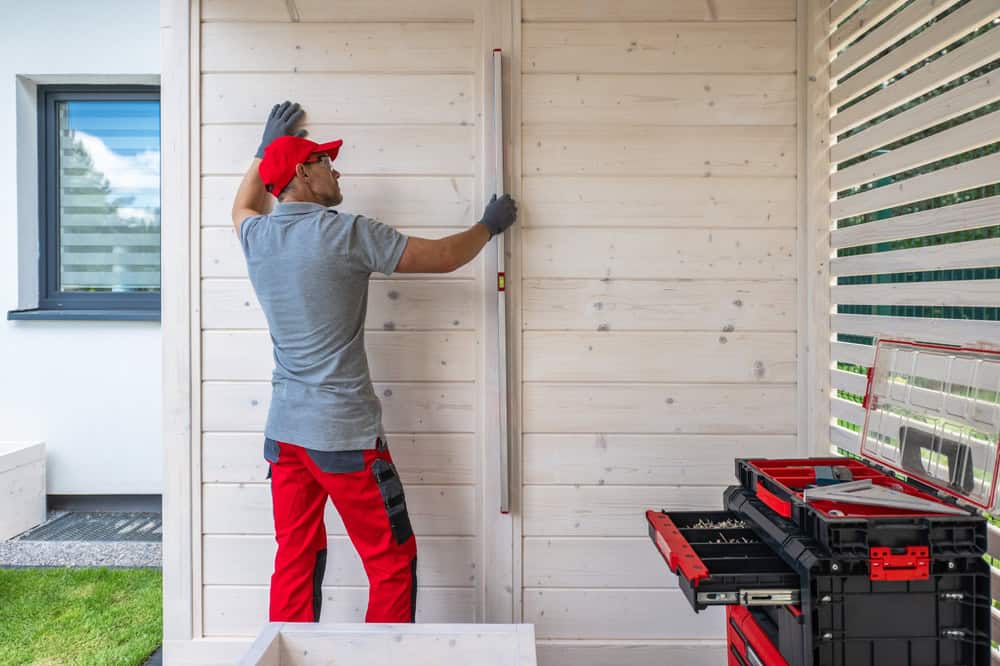
Boomers still spend on their homes, but more of them now want practical upgrades over showy ones. AARP reports that 51% of adults 50-plus need a home that supports independent aging, and nearly half expect to make modifications to stay safe and comfortable. The most common changes they expect include grab bars (72%) and entryway enhancements (71%), while kitchen upgrades (39%) rank much lower, which sends a pretty clear message about priorities.
That does not mean boomers stopped caring about nice spaces. It means they increasingly want a remodel that solves a real problem instead of just impressing the neighbors for eight minutes. According to NAHB, home-improvement spending’s share of residential construction climbed from 33% in 2007 to 44% in the first quarter of 2025, and that aging-in-place trend keeps driving the market. Translation: boomers will pay for safer bathrooms and easier entries, but many have lost interest in spending luxury-car money on a kitchen island the size of Rhode Island.
Peak-season air travel

Boomers still love travel, but plenty of them now hate the airport circus that comes with it. AARP’s 2026 Travel Trends survey found that 64% of adults 50-plus expect to travel in 2026, and 86% rank travel and vacations among their top three discretionary priorities. At the same time, cost remains the top roadblock, and expected annual travel spending rose to just over $7,200, up from just over $6,800 the year before.
The hassle side keeps getting louder, too. AARP found that concerns about flight cancellations jumped from 24% in 2025 to 36% in 2026, and worries about getting through security and boarding also grew. That helps explain why older travelers increasingly pick road trips, shoulder-season travel, cruises, or nonstop flights when they can. They still want the vacation. They just do not want to spend half of it standing in a shoe-removal line, clutching a boarding pass, and questioning every life choice.
Timeshares with endless annual fees
Timeshares once sold people a tidy fantasy: a reliable vacation spot, a predictable routine, and a little slice of resort life. Then the annual fees started climbing, and the fantasy got a lot less charming. ARDA’s 2025 industry snapshot states that the average 2024 maintenance fee reached $1,480 per weekly interval, while a comparable seven-night resort hotel stay averaged $1,673. When the maintenance bill alone starts creeping toward the price of just booking a hotel when you actually want one, the math gets rude in a hurry.
The exit process makes the whole thing even uglier. AARP warns that owners who grow tired of paying rising fees often become prime targets for timeshare exit scammers, and the FTC has told consumers to watch out for companies that promise they can get you out of a timeshare contract but may just take money and disappear. A lot of boomers now see timeshares as the classic “sounded good in the ballroom presentation” purchase that aged about as well as a gas-station shrimp sandwich.
Concert tickets with a fee shock at checkout
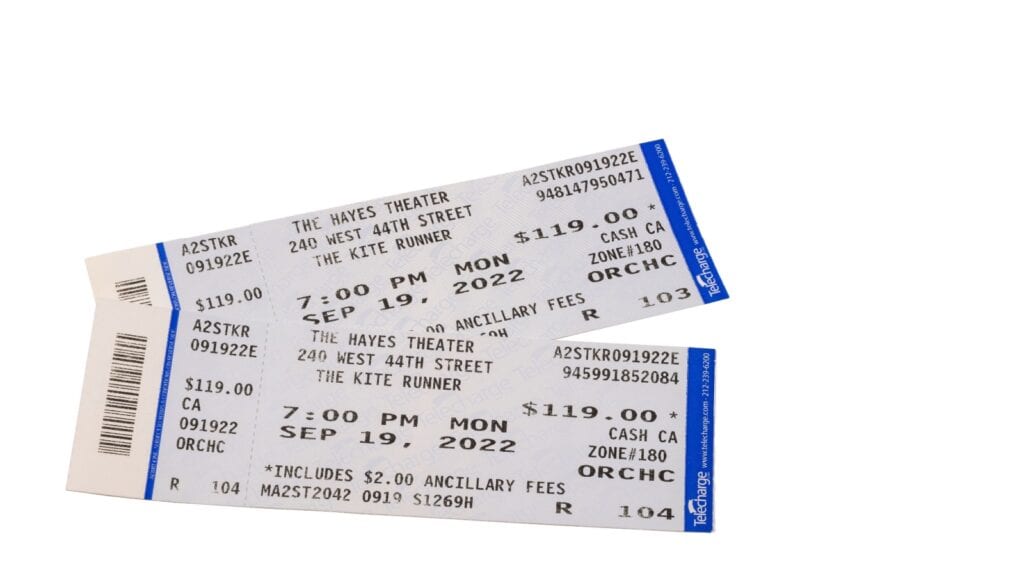
Boomers still love live music, but ticket prices now test even the most loyal fans. Pollstar states that the average ticket price for stadium shows jumped 18.3% in 2025 to $216.13, and that figure sat 29% higher than the 2023 average. That kind of climb changes the conversation fast. What used to feel like a fun night out can suddenly feel like a mini-capital project, with parking, service fees, and a $19 soda waiting in the wings.
The federal government noticed the fee problem, too. The FTC’s 2025 rule on deceptive fees requires clearer upfront pricing for live-event tickets and targets tactics that hide mandatory charges until late in the buying process. If regulators step in, you know consumers have complained loudly enough to rattle the walls. Boomers still enjoy the nostalgia, but many now decide on one playlist at home, and one decent speaker feels a lot less insulting than surprise fees at checkout.
Restaurant tabs that feel bigger than the experience

Boomers still enjoy dining out, but plenty of them now scrutinize the bill harder than the menu. USDA found that the food-away-from-home prices stood 4.0% higher in January 2026 than a year earlier and will likely rise 3.7% for the full year, faster than the forecast for grocery prices. Federal spending data also show households age 65 or older spent $7,940 on food in 2024, so even small increases hit a category that already matters.
The National Restaurant Association says consumers now define value as a mix of experience, hospitality, and affordability, not price alone, and that sounds exactly right. Boomers will still pay for a good meal, a nice atmosphere, and real service. But many now reject the weak combo of average food, higher prices, and a digital checkout screen that makes leaving a 30% tip on counter service feel spiritually enriching.
Smart-home gadgets with another app and another fee

Boomers use tech far more than lazy stereotypes admit. AARP found that 66% of adults 50-plus say technology makes daily life and aging easier, 91% own a smartphone, and more than 6 in 10 use some kind of smart device for security, utilities, appliances, or lighting. So no, older Americans did not collectively decide to live in 1997 forever. They just want tech to solve a problem without creating three new ones.
That is where the friction starts. AARP says one-third of older adults cite data privacy as the biggest barrier to new tech, while 20% cite ease of use, 19% cite setup and support, and 16% cite cost. The same survey found 59% feel tech still does not design itself with their age in mind. So yes, boomers often like the idea of smart gadgets. They just do not love products that require five app permissions, a firmware update, and a monthly fee just to dim the porch light.
Extended warranties on everything from TVs to trimmers

Nothing screams “checkout ambush” quite like the cheerful offer of an extended warranty on something you just met thirty seconds ago. AARP’s guide says stores often pocket 50% to 70% of the cost of these plans, which explains why retailers push them so hard. The same guide notes that many credit cards already add extra warranty coverage on eligible purchases, so boomers increasingly ask a very reasonable question: why buy extra protection before I even know whether I need it?
AARP also cites tech expert Kim Komando’s view that the standard manufacturer’s warranty usually gives most products “probably all you need.” She especially warns against buying extra protection for cheap items that you could replace more easily than you could file a claim. Boomers who spent decades buying appliances, TVs, tools, and phones know that some peace-of-mind products mainly protect the seller’s margins, not the buyer’s nerves.
Key takeaway
Boomers have not stopped spending. They have simply gotten pickier, and the research shows that pickiness tracks real pressure points: higher housing costs, higher travel expenses, pricier cars, rising restaurant tabs, subscription creep, and tech that often adds friction before it adds convenience. The pattern stays pretty simple. If something demands too much money, too much maintenance, too many fees, or too much patience, more boomers now call it what it is: not worth it anymore.
That attitude does not sound cranky to me. It sounds smart. Boomers increasingly want purchases that save time, reduce stress, and hold their value, and honestly, the rest of America could steal that playbook without shame.
Like our content? Be sure to follow us.