12 things police officers wish every citizen understood
Ever wondered what’s actually going through a cop’s mind when those lights flash behind you? It isn’t just about writing a ticket or ruining your day. After chatting with friends in law enforcement and digging into the latest data, I realized the badge comes with a perspective most of us completely miss.
According to a 2024 Gallup poll, confidence in law enforcement has rebounded to 51% nationwide, with 74% of Americans expressing strong trust in their local departments. Yet, despite approximately 49 million Americans having contact with police annually (Bureau of Justice Statistics), massive misconceptions remain. Policing is high-stress, misunderstood, and wildly different from what we see on TV procedurals.
Here is the inside scoop on what officers really want you to know, from the terrifying nature of traffic stops to the truth about quotas.
The job is much more paperwork than action

Behind every call, arrest, or traffic stop is a stack of forms, reports, and digital entries that the public never sees. Sage Journals indicates that officers in many departments spend several hours of an eight-hour shift on documentation, sometimes accounting for more than half of their working time. That paperwork is not optional: it underpins criminal cases, protects citizens’ rights, and feeds the accountability statistics communities demand.
Most 911 calls are not about violent crime
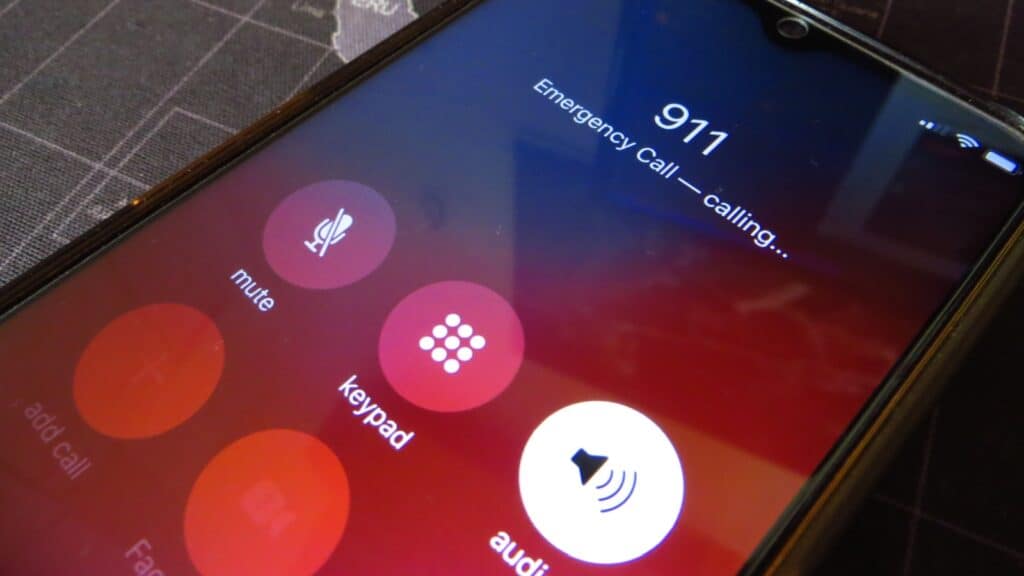
Citizens often imagine 911 as a hotline for crimes in progress, but most calls are about noncriminal or low-level issues. The Vera Institute’s analysis of 15.6 million 911 calls in nine U.S. cities found that, on average, 62.6% involved noncriminal situations, and no more than 3% were related to violent crime in any of the cities studied.
Researchers concluded that people typically call 911 to address problems that pose no imminent safety risk and have little to do with crime, meaning officers are frequently sent to situations that might be better handled by other services.
Force is the exception, not the rule

Videos of violent encounters are understandably shocking, but they obscure how rare force is across millions of routine contacts. The Bureau of Justice Statistics reports that about 21% of U.S. residents 16 and older had some form of police contact in 2020, yet only around 2% to 3% of people with contact reported the threat or use of nonfatal force during their most recent interaction.
When researchers looked at calls for service, they found that force occurred in only a tiny fraction of responses, on the order of a few incidents per 10,000 calls, even as racial disparities in those encounters remain a serious concern for reformers and officers alike.
Officers have to treat every traffic stop as potentially dangerous
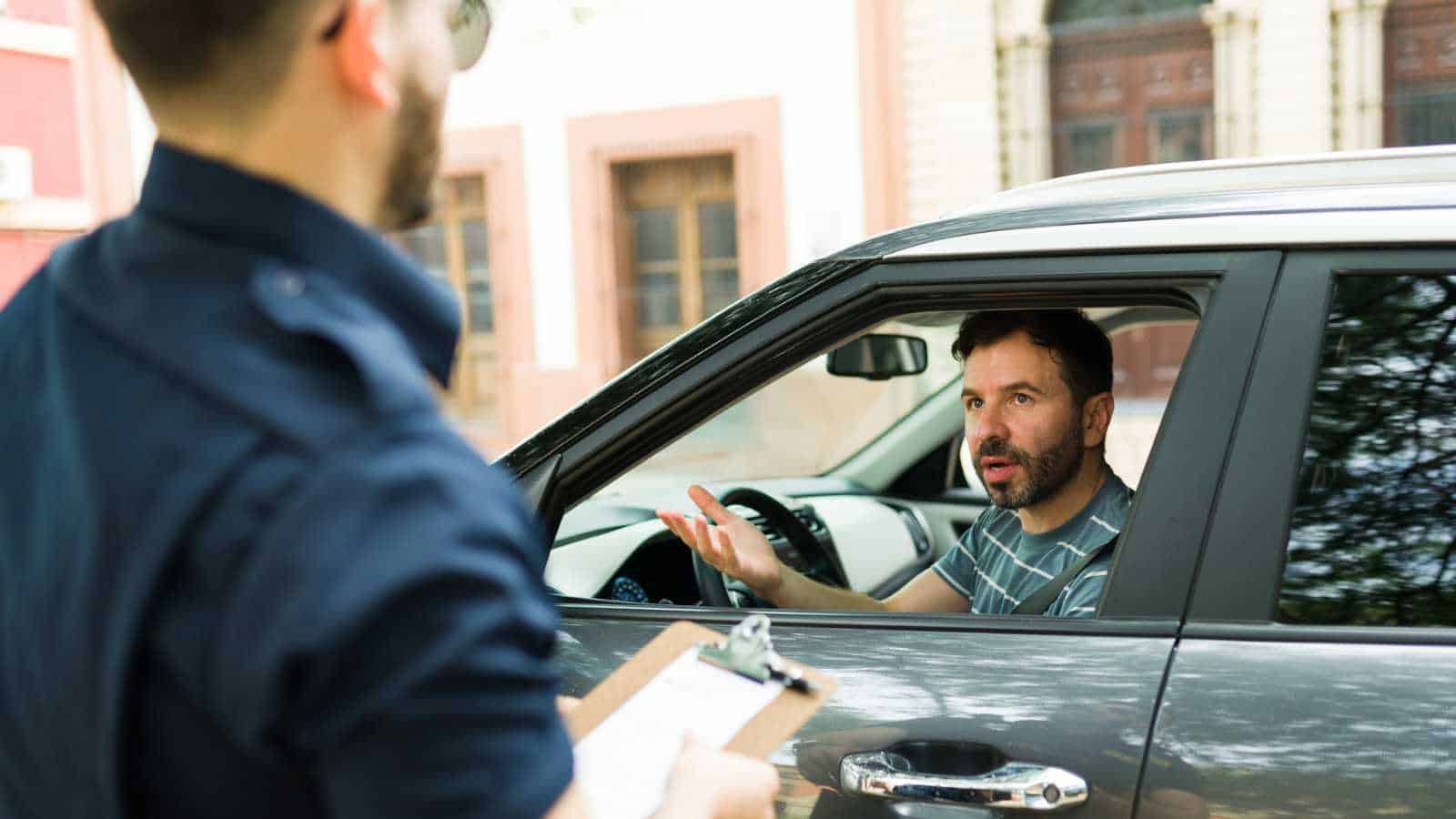
For many drivers, a traffic stop is a stressful inconvenience; for officers, it is one of the riskiest moments on the road. EBSCO data shows that traffic stops are the most common type of police-public interaction, representing millions of encounters per year, but a disproportionate number of assaults and ambushes on officers happen during these “routine” stops.
Training guides emphasize approaching each vehicle cautiously, maintaining visibility of occupants’ hands, and watching for signs of impairment, weapons, or distress because officers rarely know who or what they are walking up to until they reach the driver’s window.
Training is longer and broader than most people think

Contrary to the idea that anyone can pin on a badge after a short course, basic police training is intensive and multi-layered. BJS shows that new recruits typically receive hundreds of hours of instruction in criminal and constitutional law, firearms, defensive tactics, emergency driving, and communication skills before they ever patrol alone.
Many agencies then require months of field training with a senior officer, during which rookies learn to apply classroom lessons in unpredictable, real-world situations.
Police see the worst days of people’s lives
Officers are regularly called into situations that others run from, and the emotional cost is significant. A major study led by University of Cambridge researchers found that almost one in five members of the police workforce met criteria for some form of post-traumatic stress disorder, with rates close to five times those in the general population.
The trauma they described ranged from fatal crashes and homicides to child abuse and suicides, and one of the lead sociologists warned that “the psychological damage… should be a wake-up call” for policing leaders.
Mental health stigma is still a big problem in policing
Even when departments acknowledge trauma, many officers still feel they cannot safely ask for help. A U.S. report on law enforcement mental health and wellness noted that officers worry about being seen as weak, losing their gun, or being taken off duty if they admit to struggling, which leads some to self-medicate or simply shut down instead of seeking professional care.
Cambridge researchers similarly found that officers who felt they could not take time off for personal or family matters had Complex PTSD rates more than 50 percent higher than the policing average, highlighting how workplace culture can worsen existing trauma.
Community cooperation can make or break an investigation

Detectives will tell you that many cases are solved not by gadgets but by people who are willing to talk.
Research on community policing from the U.S. Department of Justice shows that partnerships between officers and residents improve information-sharing, increase trust, and can lead to measurable reductions in crime when implemented seriously rather than as a slogan. Effective police-public relations are central to crime prevention, because witnesses who trust officers are more likely to report crimes and testify in court.
Public trust in police is fragile, but it can change
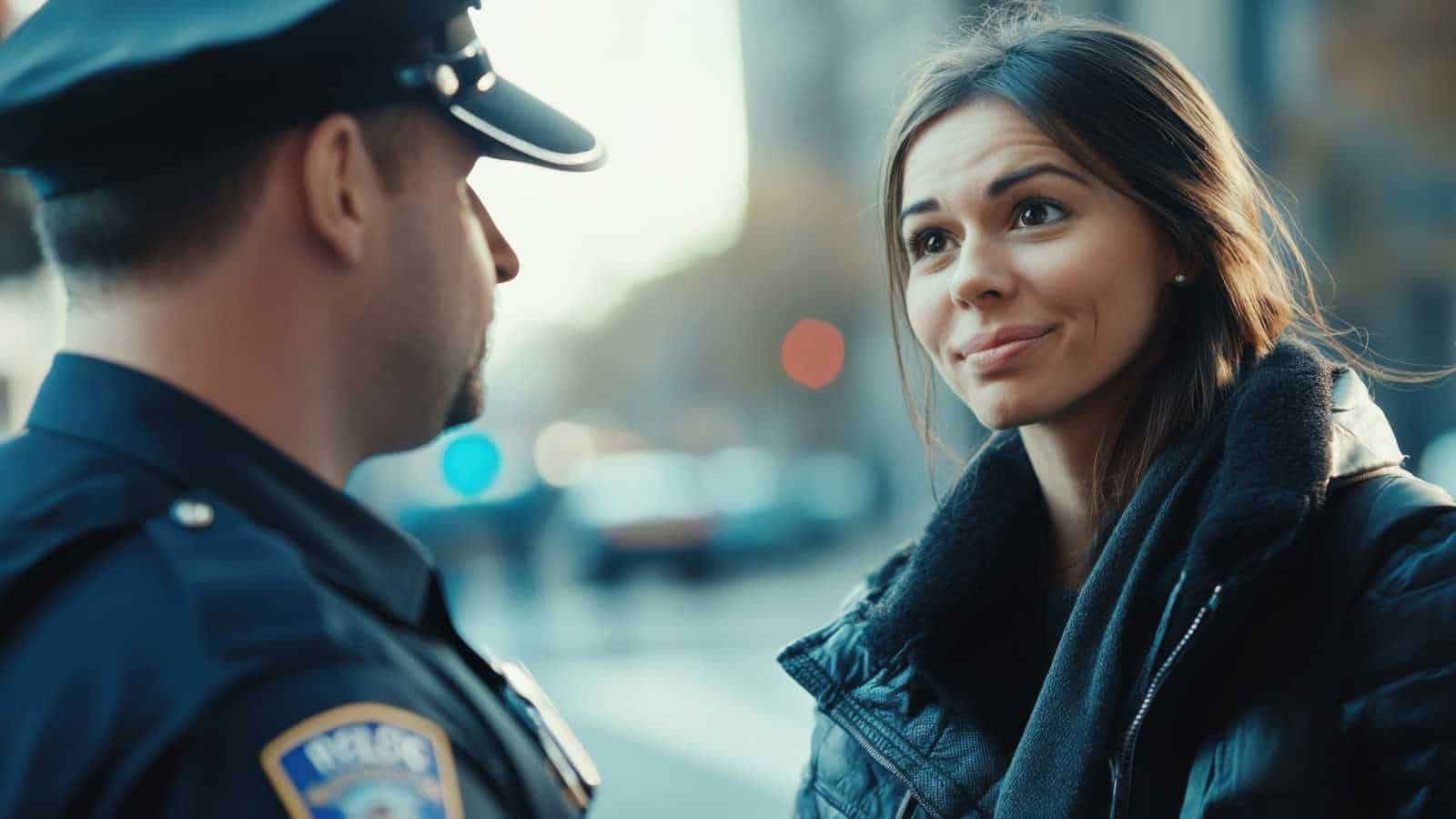
Confidence in law enforcement is not fixed; it rises and falls with events, reforms, and generational shifts. A Gallup-linked analysis reported that Americans’ confidence in the police, which had dropped to historic lows in the early 2020s, has recently shown signs of recovery, with a majority again saying they have “a great deal” or “quite a lot” of confidence in local police. Rebuilding trust requires transparent discipline, better communication, and visible investment in communities that have felt over-policed and under-protected.
Most 911 calls could be handled differently in the future
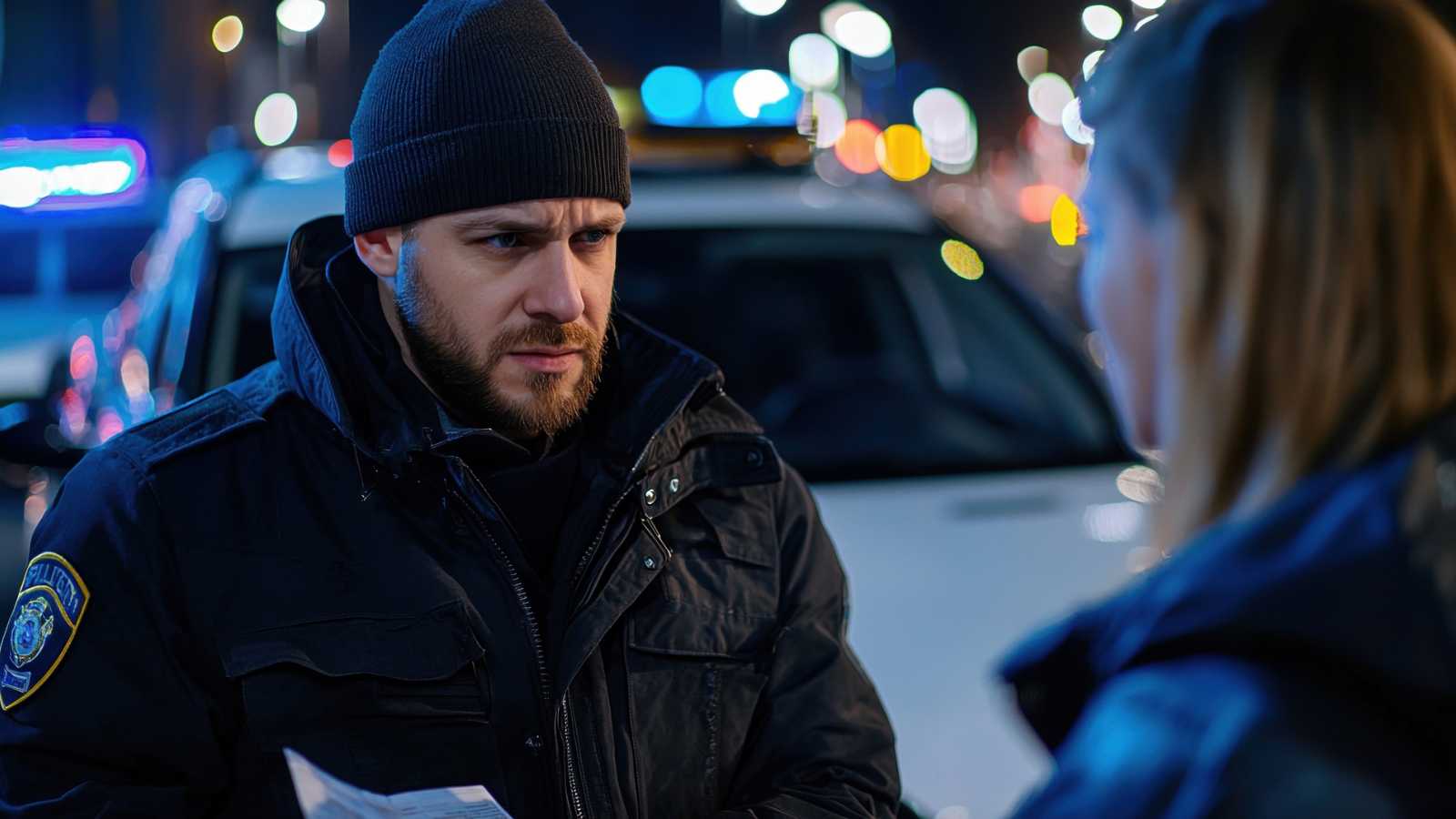
Many officers quietly agree that they are being sent to problems that are not really policing problems. The Vera Institute estimates that about 19% of 911 calls in the cities it studied involve behavioral health or similar issues that civilian crisis responders have already shown they can manage without police, and that police themselves are often “ill-equipped” for these situations. That is why more cities are experimenting with co-responder models or alternative response teams, freeing officers to focus on violent crime and serious public safety threats.
Clear communication from citizens can prevent escalation
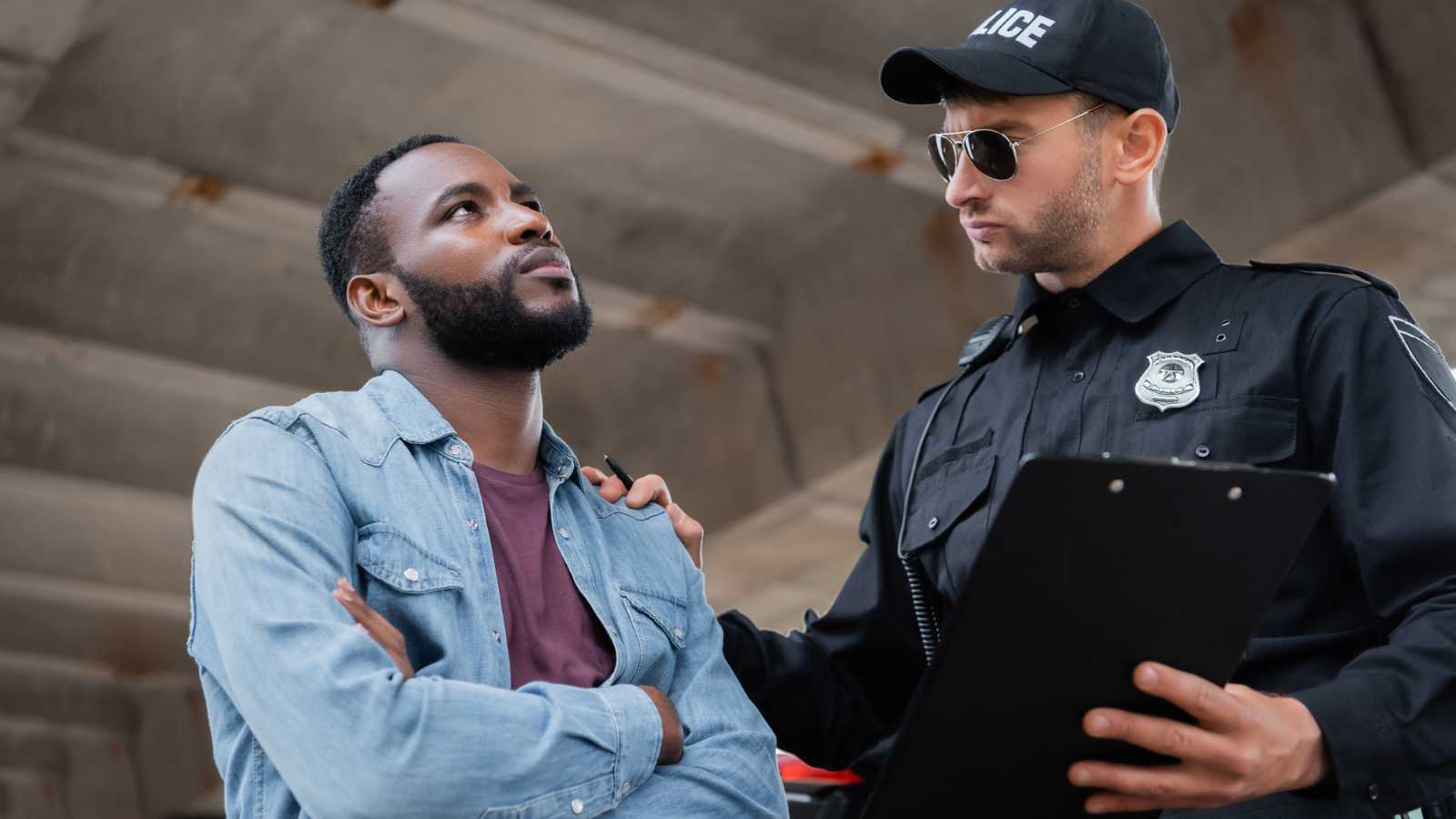
When officers arrive on scene, they have limited information and must quickly assess who needs help and who might be dangerous. Data from the Police-Public Contact Survey show that people who experienced threats or the use of force were more likely to have been involved in higher-risk situations, such as being suspected of a crime or resisting commands, than those with purely service-oriented contacts.
Citizens who stay calm, keep their hands visible, comply with lawful instructions, and raise disputes afterward through complaint systems are less likely to see situations spiral out of control, either for themselves or for officers.
Understanding officers’ reality helps citizens demand better policing

Officers increasingly say they want the public to understand both the dangers and limits of their role so that reforms are grounded in reality, not just outrage. Most police work involves nonviolent, noncriminal problems; force is rare but deeply consequential, and trauma and burnout are widespread in the ranks. When citizens grasp these dynamics, they are better positioned to push for changes like mental health support, smarter call triage, community partnerships, and targeted accountability that make policing safer and fairer for everyone.
Disclosure: This article was developed with the assistance of AI and was subsequently reviewed, revised, and approved by our editorial team.
20 Odd American Traditions That Confuse the Rest of the World

20 Odd American Traditions That Confuse the Rest of the World
It’s no surprise that cultures worldwide have their own unique customs and traditions, but some of America’s most beloved habits can seem downright strange to outsiders.
Many American traditions may seem odd or even bizarre to people from other countries. Here are twenty of the strangest American traditions that confuse the rest of the world.
20 of the Worst American Tourist Attractions, Ranked in Order

20 of the Worst American Tourist Attractions, Ranked in Order
If you’ve found yourself here, it’s likely because you’re on a noble quest for the worst of the worst—the crème de la crème of the most underwhelming and downright disappointing tourist traps America offers. Maybe you’re looking to avoid common pitfalls, or perhaps just a connoisseur of the hilariously bad.
Whatever the reason, here is a list that’s sure to entertain, if not educate. Hold onto the hats and explore the ranking, in sequential order, of the 20 worst American tourist attractions.