12 things to consider before letting grandparents take kids on vacation
A vacation with Grandma or Grandpa can sound like pure magic until you realize one small suitcase may carry more responsibility than anyone wants to admit. Inside it are swimsuits, snacks, sneakers, and maybe a favorite stuffed animal, but tucked between those soft little things are bigger questions about consent letters, emergency care, bedtime, money, medication, stamina, and trust.
That is why skip-gen travel feels so tender and so serious at the same time. Hilton’s 2026 Trends Report says 29% of travelers who vacation with children are already embracing grandparent-grandchild trips, meaning more families are handing grandparents the keys to memories once reserved for parents.
The pull is easy to understand. Parents get a rare breath of quiet, grandparents get time that feels golden and unhurried, and kids get stories they may carry for decades, like sand left at the bottom of a beach bag.
The beauty is real, but so are the forms, rules, health checks, and hard conversations. Before anyone waves from the airport curb, these 12 checks can help turn a sweet family idea into a safe, smooth, memory-rich vacation.
Understand the Skip-Gen Boom

Skip-gen travel has grown from a cute family arrangement into a mainstream vacation style, and the numbers explain why parents are talking about it more
Hilton’s 2026 Trends Report says 29% of travelers who vacation with children are sending kids off with just the grandparents, while the Family Travel Association reports that 57% of parents in its recent survey are planning multigenerational trips with grandparents and children.
In the Asia-Pacific region, Hilton found that 60% of families have taken or plan to take a skip-generation holiday, with the trend highest in China at 86% and in India at 79%. That matters because it tells parents this is no longer an odd arrangement whispered about at school pickup.
It is part of a bigger shift toward families using travel to stitch generations closer together, especially after years when many households felt stretched, busy, or scattered.
Get the Legal Paperwork in Order

The least glamorous part of the trip may be the part that saves it. USAGov’s 2026 guidance states that a child traveling abroad alone, with one parent, or with a guardian may need a consent letter, and that the letter is preferred to be in English and notarized.
If the child is traveling with a guardian, both parents should sign it. The U.S. State Department also says some countries require notarized written permission for a minor to travel with someone who is not a parent or legal guardian.
That means grandparents should not be left at a border counter, trying to explain family history while a child’s backpack lies on the floor and a line forms behind them. Add copies of the child’s passport, birth certificate, custody papers if needed, parent contact details, travel dates, destination address, and medical permission. Love opens the door, but paperwork gets everyone through it.
Assess the Grandparent’s Physical Capacity

A grandparent may be young at heart and still need a realistic travel plan. Airports can mean long walks, early alarms, heavy bags, crowded bathrooms, delayed meals, and a child who suddenly needs to be carried five gates away.
The hopeful side is real: a 2026 study published through the American Psychological Association found that grandparents who provided childcare scored higher on tests of memory and verbal fluency than those who did not.
Lead researcher Flavia Chereches told ScienceAlert, “Being a caregiving grandparent seemed to matter more for cognitive functioning than how often grandparents provided care or what exactly they did with their grandchildren.” That is encouraging, but it should not turn into pressure.
Memory, love, and purpose do not erase knee pain, diabetes care, heart concerns, heat sensitivity, medication schedules, or the need for rest. Pick the trip around the grandparents’ body, not just the child’s wish list.
Do a Trial Run First

A first grandparent-only trip should not begin with a two-week overseas itinerary and a phone full of hopeful assumptions. Start smaller. Try an overnight stay, a weekend road trip, or even a day outing with meals, nap time, screens, bathroom breaks, and bedtime handled by the grandparents.
Children’s Minnesota says many children develop separation anxiety around the first birthday, and some children can struggle with separation later during stress, moves, new caregivers, or changes at home.
HealthyChildren.org, from the American Academy of Pediatrics, says many babies develop stronger separation anxiety around 9 months, and toddlers can show louder, harder-to-stop reactions around 15 to 18 months.
A trial run lets families catch the quiet friction early, such as a child who refuses to sleep, a grandparent who gets drained by constant questions, or a rule that sounds simple at home but falls apart at bedtime.
Talk Money Explicitly

Money can sour a sweet family trip faster than a missed flight, mostly because people assume kindness will cover the details. It rarely does. Squaremouth’s 2025 survey found that 47% of travelers were choosing multigenerational or family trips, making family travel the top group-trip type in that survey and showing how large this market has become.
That also means families have more options, from resorts with family packages to vacation rentals with kitchens, but someone still has to pay for flights, bags, meals, theme park tickets, checked luggage, souvenirs, airport snacks, medical costs, and last-minute changes.
If grandparents want to fund the trip, parents can still offer to cover travel insurance, documents, special gear, or emergency spending money. The goal is not to turn a warm family offer into a business meeting. The goal is to keep love from getting tangled in quiet resentment.
Pack Travel Insurance for Everyone
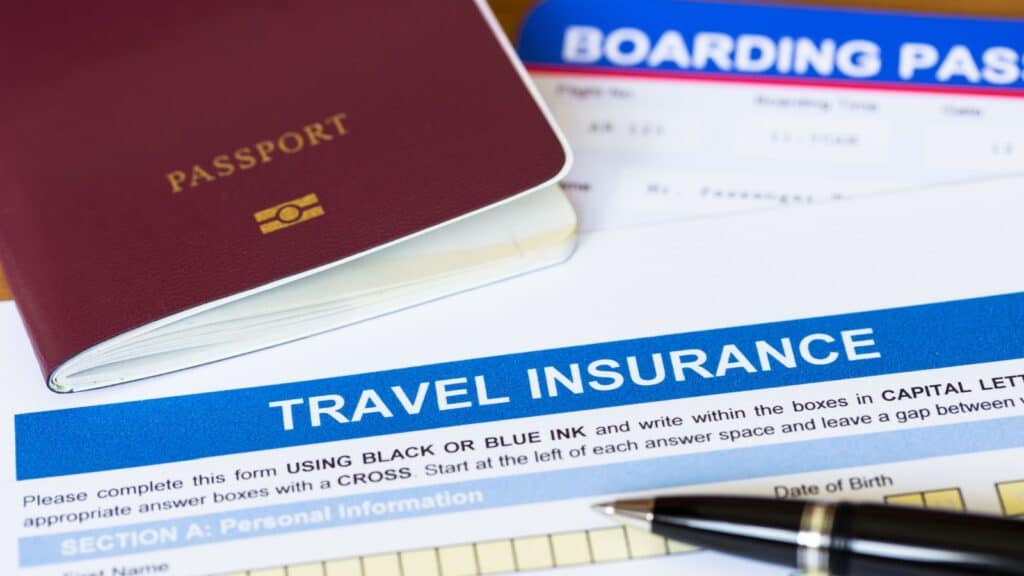
Travel insurance sounds boring until a fever, a fall, a canceled flight, lost medication, or an emergency room visit changes the whole rhythm of the trip.
CDC travel guidance says travelers who need medical care abroad will likely need to pay out of pocket, and medical evacuation from a remote area to a high-quality hospital can otherwise cost more than $100,000. That number is big enough to make even a dream vacation feel fragile.
For a grandparent-child trip, the policy should cover the older adult and the child, and parents should check pre-existing condition rules, emergency medical limits, trip interruption terms, and evacuation coverage.
If the trip includes cruises, national parks, islands, extreme heat, long drives, or international borders, the safety net matters even more. Nobody books a family vacation hoping to use insurance. Smart families buy it so one bad hour does not swallow the whole story.
Align on Parenting Rules Before Departure
Grandparents have a special talent for turning ordinary moments into small festivals. Extra pancakes. One more bedtime story. A souvenir that squeaks.
That is part of the charm. Still, the core rules should be clear before the trip starts, especially around sleep, food allergies, medication, swimming, screens, social media photos, car seats, discipline, and who gets called during a meltdown.
ParentsCanada advises families planning multigenerational travel to consider sleeping arrangements before booking, noting that if the kids aren’t sleeping, nobody is. The same article also urges families to put children’s schedules first and to review activities in advance, as age limits, equipment, and extra tickets can change on the day.
Write the rules down in plain language. This is not about policing grandparents. It is about giving them the map before they are standing in the hotel hallway with a tired child, a room key that stopped working, and three different opinions on their phone.
Choose a Destination That Works for Both Ages

A great destination for a child can be exhausting for a grandparent, and a peaceful place for a grandparent can feel like a slow-motion movie to a kid. The best skip-gen trips meet both bodies in the middle.
Hilton’s Asia Pacific skip-gen report found that 48% of families traveling with multiple generations said family suites or interconnecting rooms were the most important feature, and that 89% believe family travel improves the well-being of older generations. Those two numbers belong together.
A destination should foster closeness without trapping everyone in a single small space. Look for walkable layouts, elevators, shade, air conditioning, nearby healthcare, simple meals, clean bathrooms, and flexible activities.
Beaches, calm city breaks, cultural sites with good transport, and resorts with kids’ programs often work better than punishing itineraries. The best trip is not the one with the most stops. It is the one where nobody has to pretend they are fine.
Plan Communication Rituals With Parents at Home

A child away with grandparents may feel brave at breakfast and homesick by dusk. That emotional swing is normal, and it needs a gentle plan.
HealthyChildren.org says routines can ease separation stress, and Children’s Minnesota notes that separation anxiety can last beyond toddler years for some children, especially during stressful periods.
So agree on a check-in rhythm before the trip. Maybe it is one short video call after dinner, one photo update after the main activity, and a quick goodnight message only if it helps the child settle. Too many calls can turn every fun moment into a reminder that Mom or Dad is not there. Too few can make a child feel cut loose.
The right rhythm feels like a porch light, steady enough to guide them home without pulling them away from the adventure.
Prepare for the Generational Pace Gap

Children and grandparents can love each other deeply and still move through the day at different speeds. Kids wake up ready to chase the world. Grandparents may need coffee, quiet, medication, a slower breakfast, or a seat in the shade before the next activity.
Cleveland Clinic reports that time with grandchildren can bring real health benefits for older adults, including increased activity and improved levels of feel-good hormones such as dopamine and oxytocin.
Geriatrician Kenneth Koncilja, MD, told Cleveland Clinic, “Older adults who are spending time with younger children, especially helping to care or babysit, tend to be more active, get more steps per day, more exercise.” That is wonderful, but a vacation still needs rest windows.
Build in one main outing per day, quiet hotel time, early dinners, pool breaks, and backup plans for rain or fatigue. Pace is not laziness. Pace is how the memory survives the day.
Involve the Kids in Planning

Kids behave better when they feel like passengers in the story, not luggage being moved from place to place. Hilton’s 2026 Trends Report says 73% of people who travel with children or grandchildren expect to encourage kids to play a role in vacation planning, and 78% of parents say children inspire them to seek new travel experiences.
Parents also reported that, in a Hilton survey of about 13,000 traveling adults, 70% of those who travel with kids pick destinations based on children’s needs and interests. Child psychologist Tamara Soles, PhD, told Parents, “When kids are given a voice in these decisions, it empowers them and shifts family dynamics toward a more inclusive experience.”
So let the child choose one restaurant, one activity, one museum, one beach day, or one souvenir stop. Grandparents still steer the trip, but the child gets a hand on the map.
Recognize the Deeper Benefits for Everyone

A well-planned skip-gen trip can become more than a vacation. It can become a private family language: the song in the rental car, the breakfast table joke, the shell kept in a drawer, the story that comes back every holiday. The research gives that tenderness some weight.
Boston College reported that sociologist Sara Moorman and researcher Jeffrey Stokes used data from the Longitudinal Study of Generations and found that emotionally close grandparent-adult-grandchild relationships were associated with fewer depressive symptoms in both generations.
Moorman said, “Grandparents and adult grandchildren can be real resources to each other.” Hilton’s Asia Pacific report adds that 89% of respondents believe family travel improves grandparents’ well-being, and its 2026 global report says 86% of travelers value experiences over material gifts.
That is the quiet promise here. Done with care, the trip gives everyone something richer than photos.
A Short Reflective Close

Letting grandparents take the kids on vacation is not a reckless leap. It can be a gift with sunscreen on its hands and love in its pockets.
Still, the best family memories usually have grown-up planning behind them. Consent letters, medical forms, insurance, rest breaks, money talks, and bedtime rules may not feel magical, but they protect the magic.
The goal is not to scare parents into saying no. The goal is to help them say yes with peace in their chest.
Key Takeaways
- Skip-gen travel is growing fast, with Hilton reporting that 29% of travelers who vacation with children are already embracing grandparent-grandchild trips.
- Legal paperwork matters, especially for international travel, because USAGov says a notarized English consent letter may be needed when a child travels with a guardian.
- Health planning should cover both generations, since CDC guidance says medical evacuation from a remote area can cost more than $100,000 without the right coverage.
- A small trial run can prevent a big vacation problem, especially because Children’s Minnesota and HealthyChildren.org both note that separation anxiety can appear strongly in young children.
- Money should be discussed before booking, since Squaremouth found that 47% of travelers were choosing family or multigenerational trips for 2025.
- The best trips respect the grandparents’ energy, the child’s emotions, and the family’s rules before anyone reaches the gate.
- A well-planned skip-gen vacation can build memories that last for years, and research from Boston College links close grandparent-grandchild relationships with fewer depressive symptoms across both generations.
Disclaimer – This list is solely the author’s opinion based on research and publicly available information. It is not intended to be professional advice.
Like our content? Be sure to follow us