12 U.S. cities seeing some of the steepest population drops
While America’s fastest-growing cities continue to attract new residents in record numbers, not every community is sharing in the boom. Recent Census estimates show that hundreds of U.S. cities have fewer residents than they did in 2020, with some communities losing more than 10% of their population in just a few years.
From industrial centers facing economic challenges to smaller cities grappling with job losses and demographic change, population decline is reshaping communities across the country. Here are 12 U.S. cities experiencing some of the sharpest population drops, and what their shrinking numbers reveal about broader migration trends in America.
Paradise, Nevada
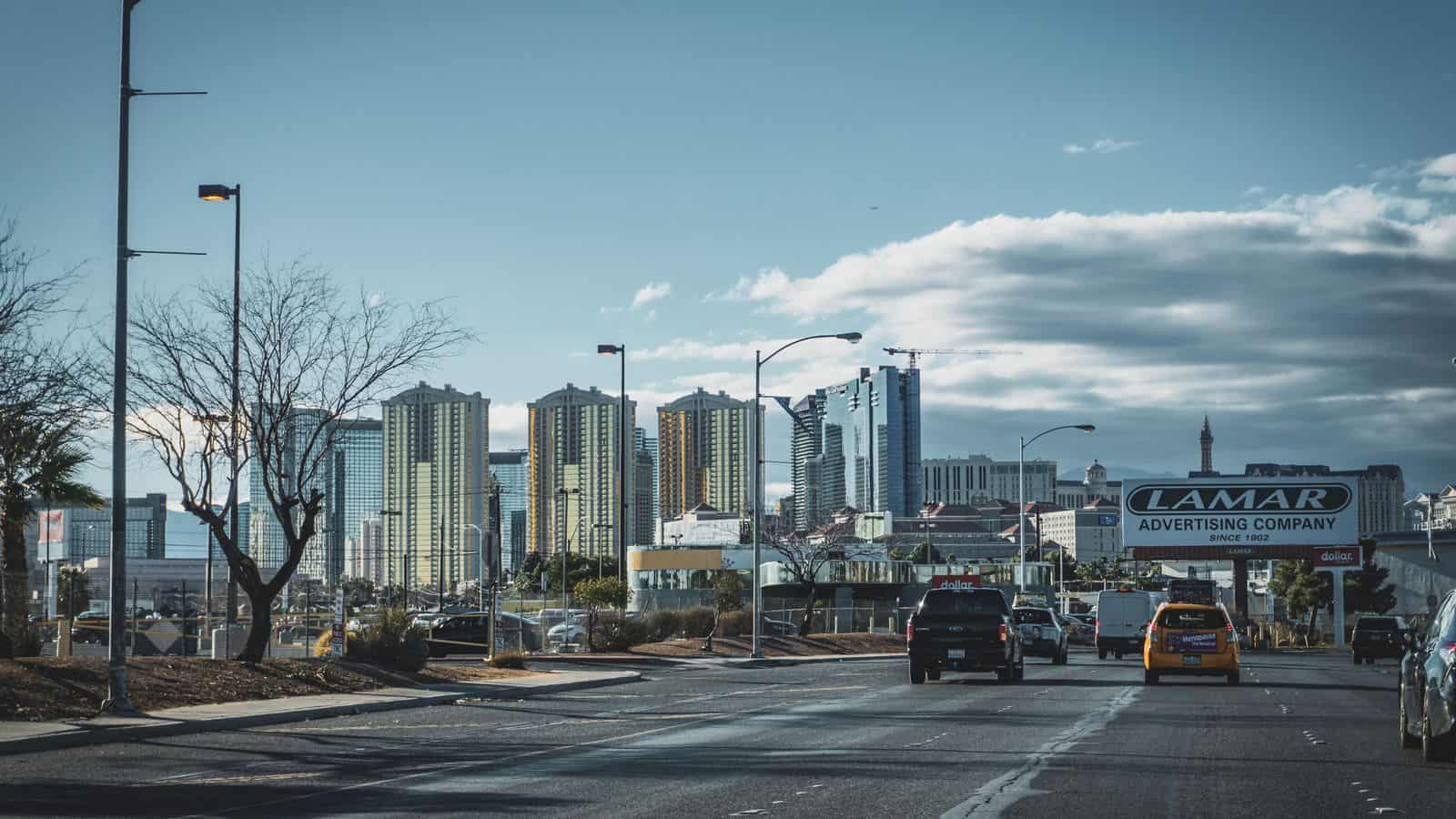
Paradise feels like the kind of place that should be riding the Sun Belt wave, neon bright and busy, with Las Vegas energy spilling into its streets.
Yet SmartAsset’s analysis of U.S. Census Bureau American Community Survey data found that Paradise dropped from 235,123 residents in 2017 to 183,321 in 2022, a 22.0% decline and the steepest five-year fall in the study.
That is striking because Nevada itself continued to grow, and the Census Bureau reported that the West added almost 688,000 people from 2023 to 2024, with Nevada among the fastest-growing states in the region.
The story here is not a simple decline in a weak state. It is a sharper, local kind of pressure, tied to housing costs, job churn in a tourism-heavy economy, and the quiet pull of cheaper suburbs where families can stretch a paycheck farther. Paradise may still glow at night, but population loss can go unnoticed amid bright lights.
Jackson, Mississippi
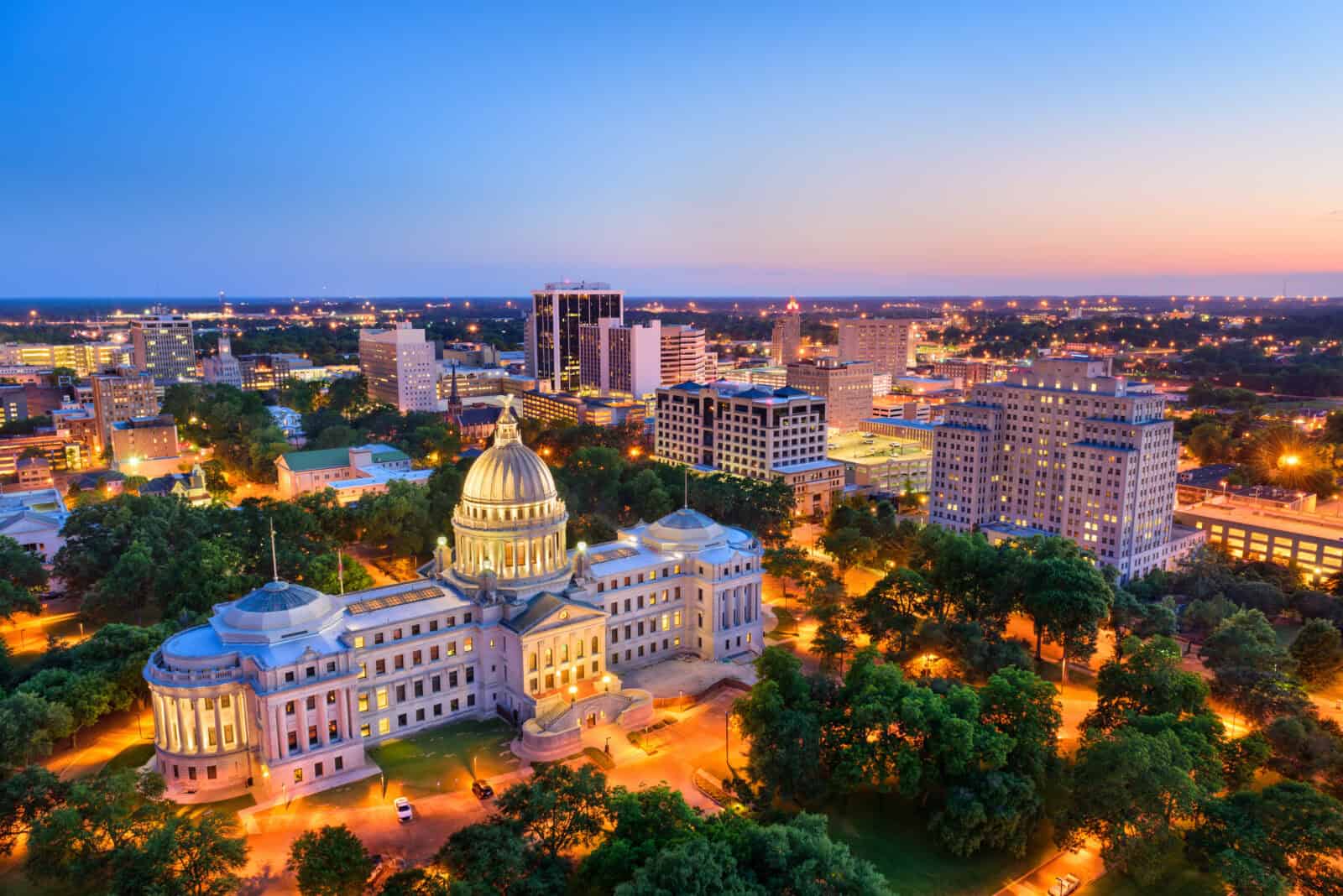
Jackson’s drop carries the weight of a city that has been asked to hold too much with too little. SmartAsset found that Jackson fell from 167,250 residents in 2017 to 146,019 in 2022, a 12.7% decline, and the Census Bureau Vintage 2022 estimates ranked Jackson as the fastest-declining U.S. city or town with at least 50,000 people from July 2021 to July 2022, after it lost 2.5% in one year.
The city’s water crisis sharpened that story: Yale School of the Environment reported in 2026 that more than 150,000 residents were left without reliable access to safe drinking water when the system failed in 2022, and EPA records show federal scrutiny of Jackson’s drinking water system before that collapse.
People leave cities for jobs, schools, safety, and family, but reliable water sits deeper than all of those. When the tap itself becomes a gamble, the ground under civic trust starts to crack.
East Los Angeles, California
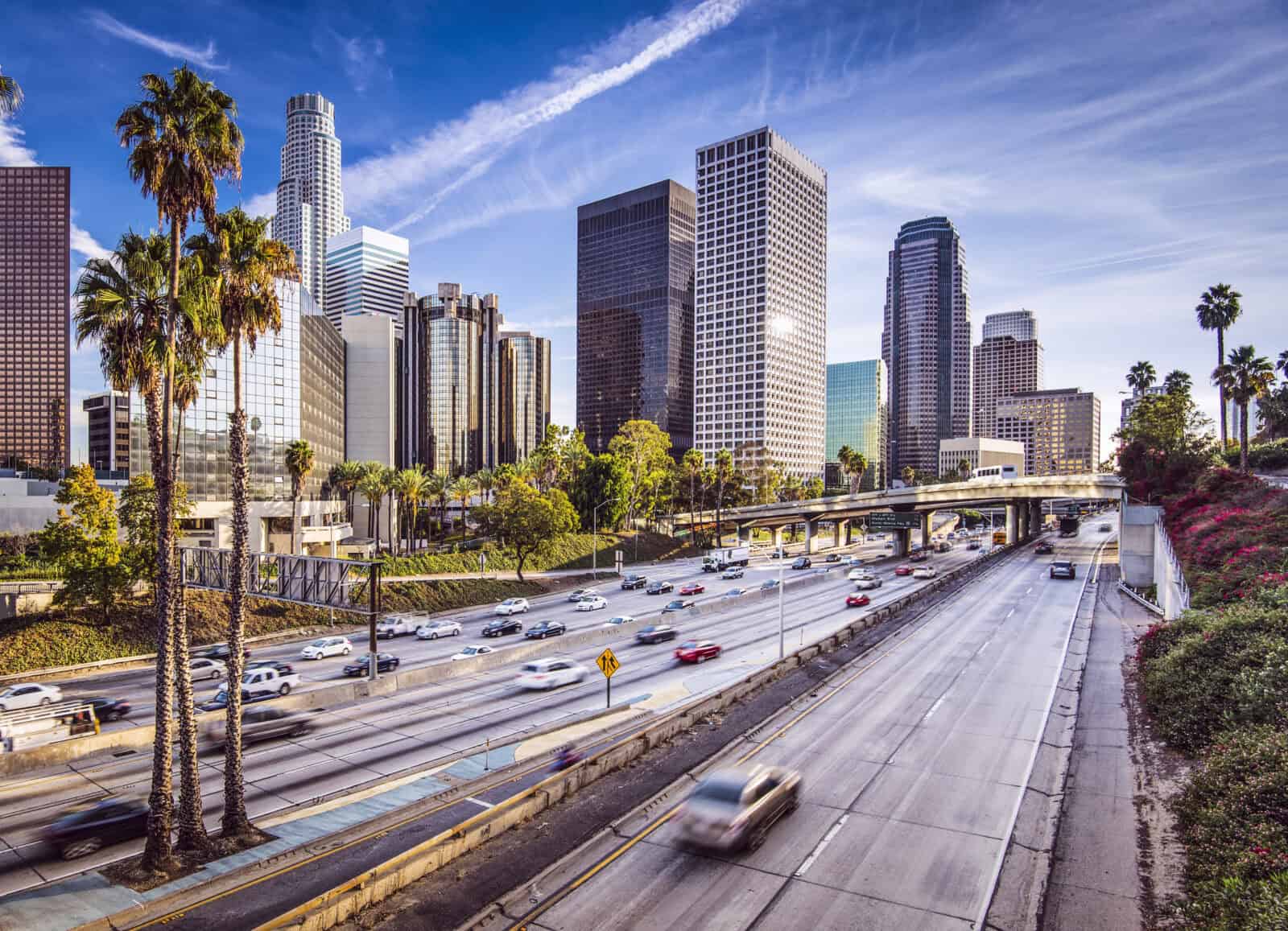
East Los Angeles is not just a dot on a population chart. It is a historic Latino enclave, dense with family networks, small businesses, and long memory, which makes its 10.0% decline from 2017 to 2022 feel especially telling.
SmartAsset’s Census-based count put East LA’s population at 112,965 in 2022, down from its 2017 level, and the broader California housing story helps explain the pressure.
The Public Policy Institute of California reported in 2026 that the state had experienced net losses of almost 900,000 people since 2015, with housing the main reason for leaving, and that 34% of Californians had seriously considered leaving the state because of high housing costs.
That does not mean everyone in East LA is packing a truck. It means the math has grown less forgiving for working families, young adults, and multigenerational households trying to keep roots in expensive soil.
Aurora, Illinois
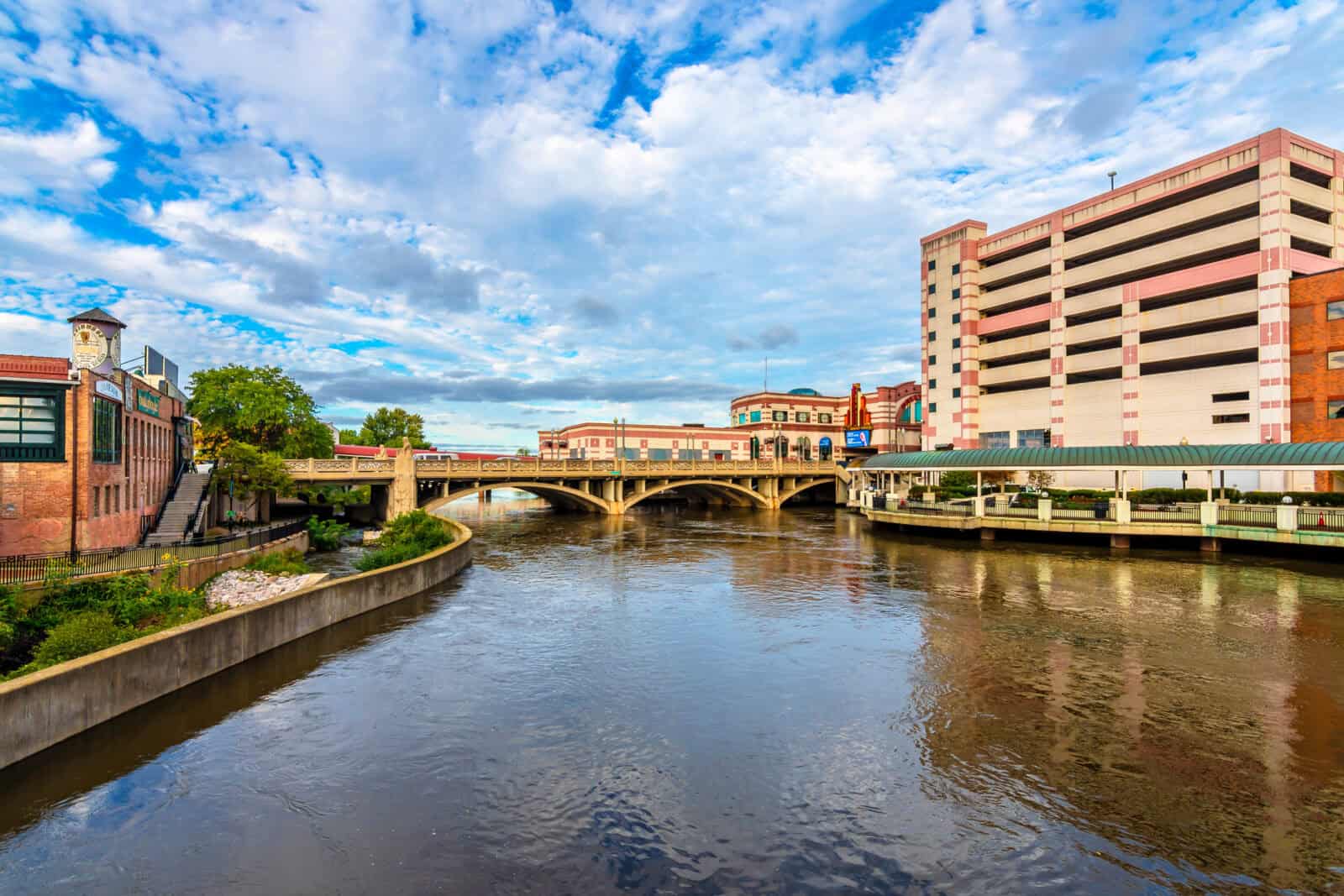
Aurora shows that shrinkage is not only a big-city problem. This Chicago-area suburb once carried the glow of rapid growth, but SmartAsset’s analysis found that its population fell nearly 10% from 2017 to 2022, to 182,336 residents.
The wider Illinois picture adds a cold wind to the story: Census Bureau data showed Illinois had a net domestic migration loss of 56,235 people from 2023 to 2024, one of the largest state-level domestic outflows in the country.
Aurora’s decline may reflect several forces at once, including older housing, changing job patterns, and younger households weighing Chicago, cheaper Midwestern suburbs, or warmer metros farther south.
It is the kind of place where loss may not look dramatic from a highway, but it can show up in enrollment numbers, local tax receipts, and a neighborhood where three houses on one block turn over in the same season.
El Monte, California
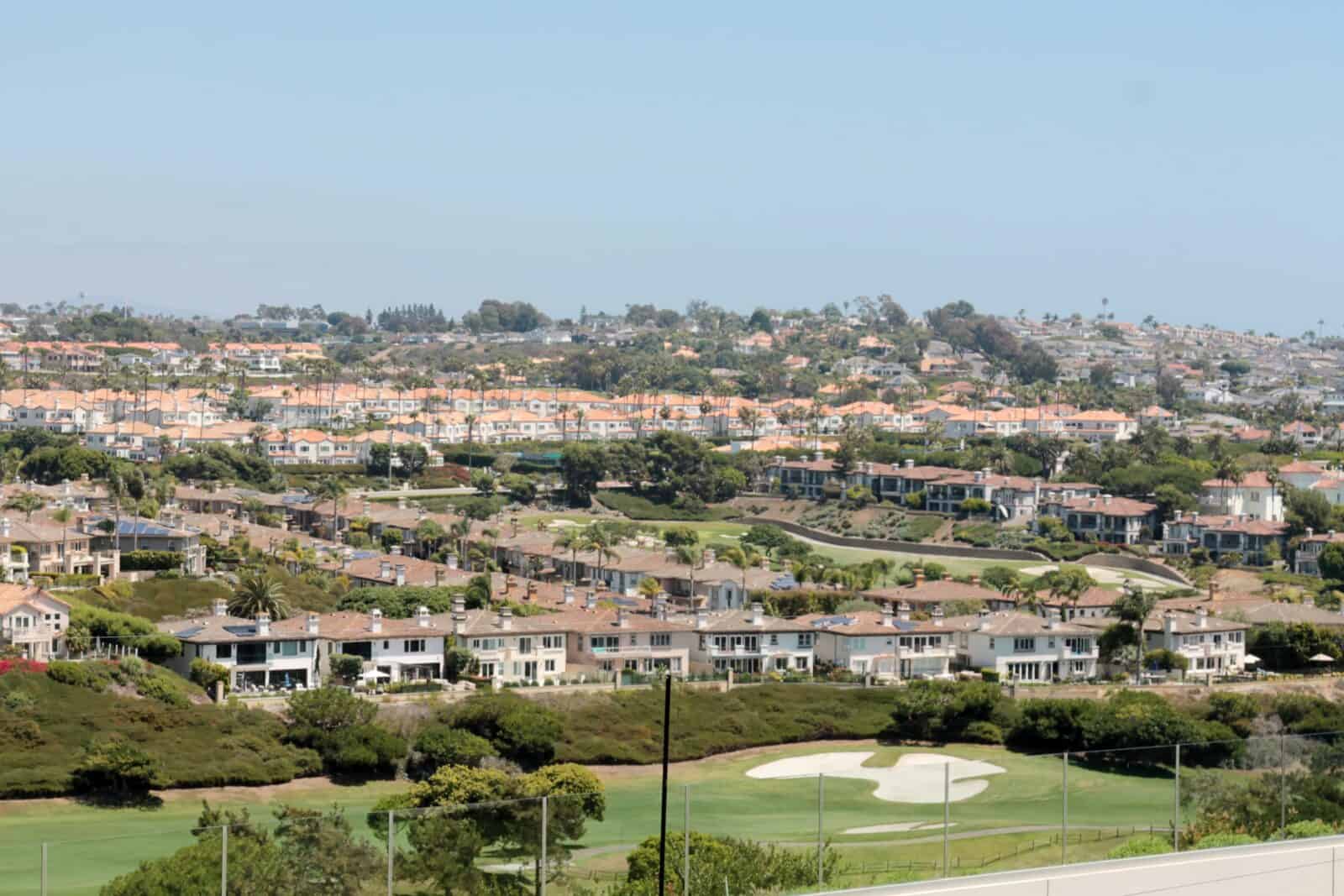
El Monte sits in the thick of the Los Angeles affordability story, where working-class households often do the hardest math.
SmartAsset found that El Monte dropped about 9.3% from 2017 to 2022, falling to 105,307 residents, and that stands out because this is not some forgotten outpost with no connection to opportunity. It is part of a vast metro economy, yet proximity to jobs does not always offset the costs of rent, congestion, and the stress of crowded housing.
Newer Census Bureau county estimates deepen concern: Los Angeles County posted the nation’s largest numeric population decline from July 2024 to July 2025, losing 53,934 residents.
For many families, leaving Los Angeles does not mean abandoning its culture. It can mean chasing a two-bedroom apartment inland, a mortgage across state lines, or a little breathing room where the monthly bills stop barking at the door.
San Francisco, California
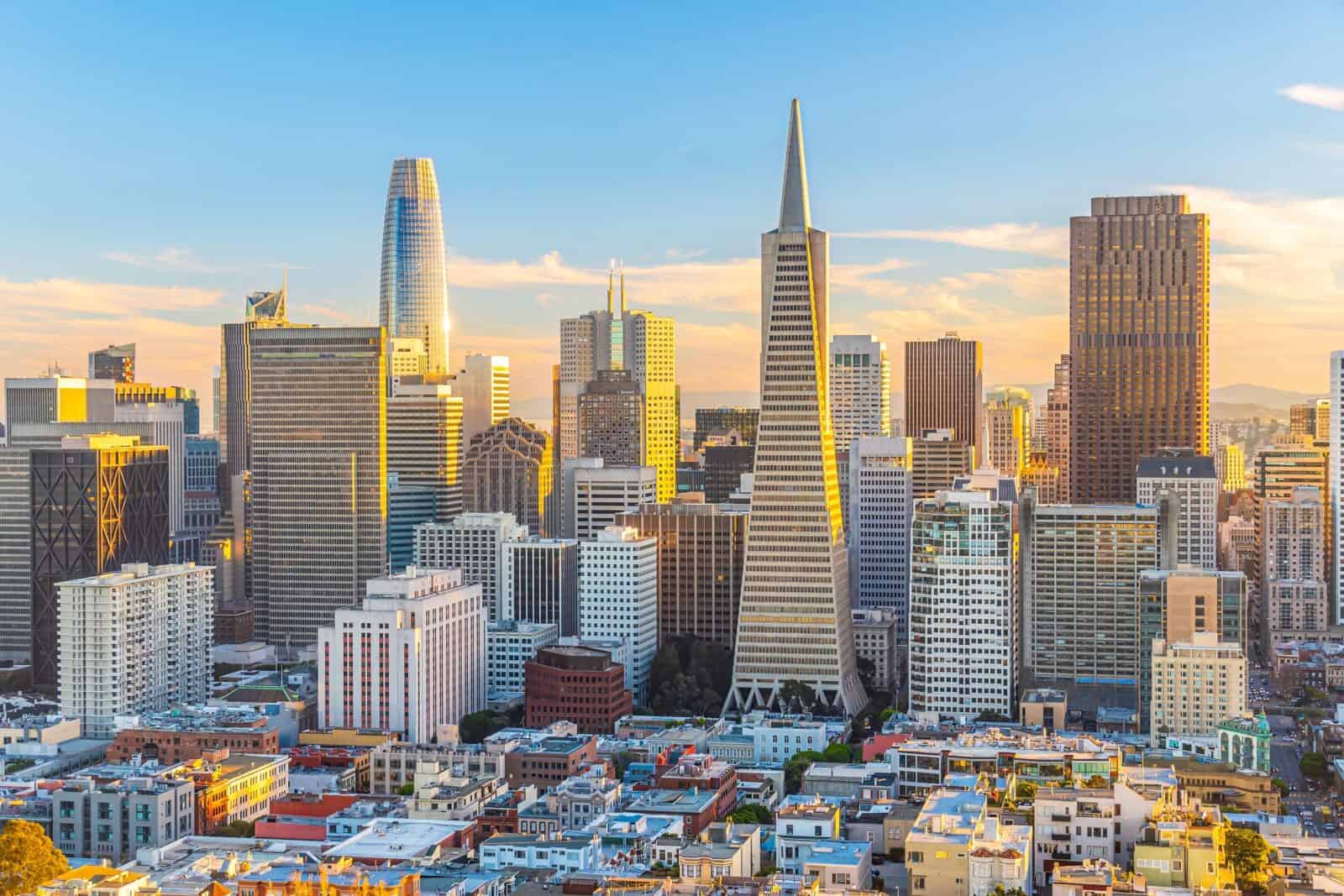
San Francisco’s decline feels like a plot twist because the city spent years as shorthand for tech money, ambition, and sky-high rents.
SmartAsset found that San Francisco lost 8.6% of its population from 2017 to 2022, falling to 808,437 residents, and the Census Bureau reported that major city losses eased after the worst early-pandemic period, even as the scars remained visible.
Remote work changed the rules for many high-income workers, and Census Bureau demographer Luke Rogers captured that shift neatly: “With many more people in working ages now able to work from home at least some of the time, it’s likely that some people are more willing to live farther away from their place of employment than they would have in the past.”
The city still has money, talent, and magnetism, but the old bargain changed. If the office is no longer the anchor, a $3,000 rent bill starts to sound less like the price of access and more like a dare.
Hialeah, Florida
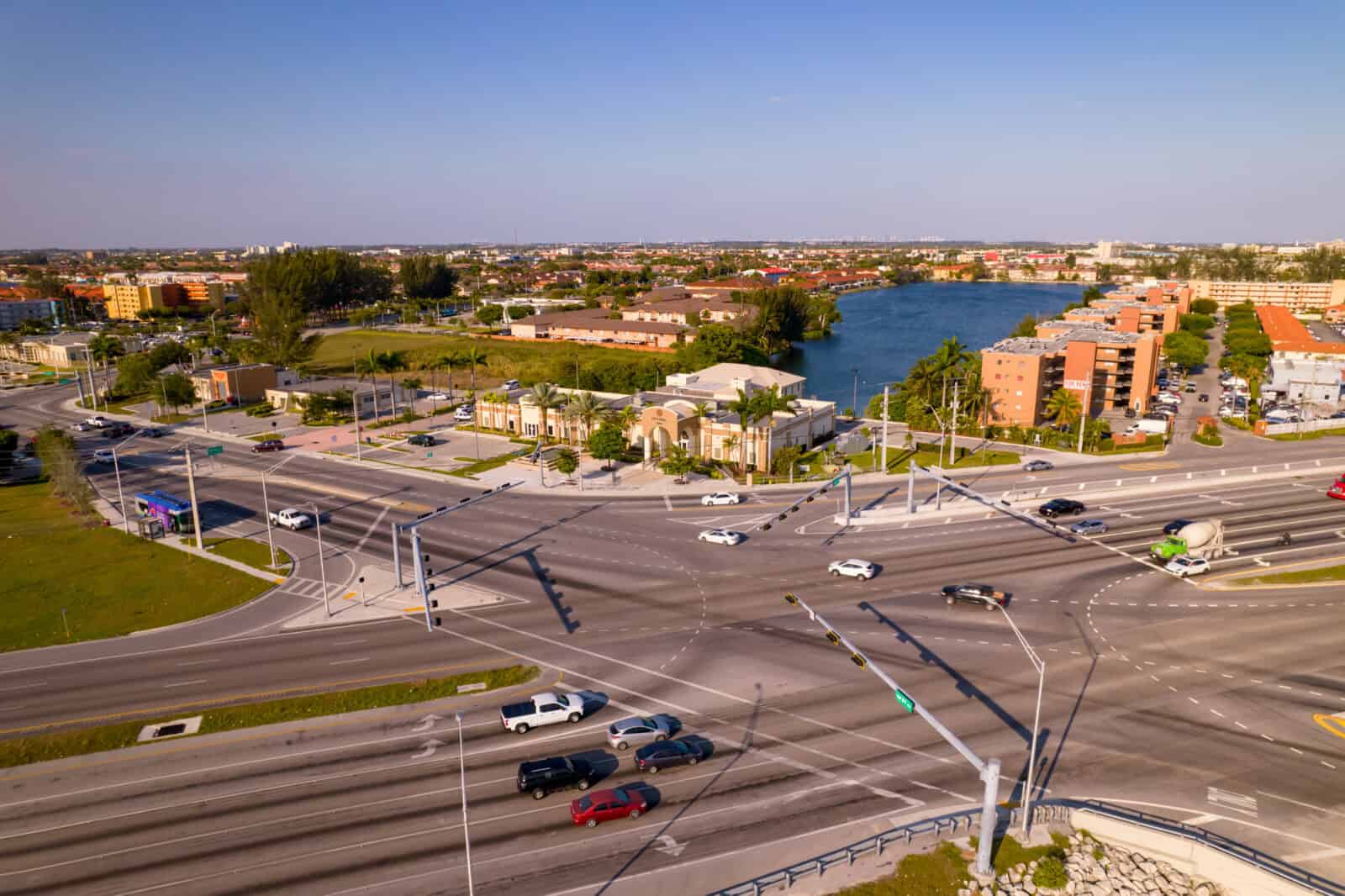
Hialeah is the surprise that makes readers pause, because Florida usually appears in growth stories with sunshine stamped across the headline.
SmartAsset found that Hialeah fell 8.1% from 2017 to 2022, reaching 220,274 residents, even as the Census Bureau reported Florida crossed 23 million residents in 2024 and later reached 23,462,518 in 2025.
The issue is that growth can pass around a city rather than through it. Miami-Dade has faced high housing prices, limited space, and domestic outflow, and the Census Bureau reported that large counties often depend on international migration to offset outflows to other parts of the United States.
Census Bureau demographer George M. Hayward explained that large counties often gain international migrants and lose domestic movers, adding that “With fewer gains from international migration, these types of counties saw their population growth diminish or even turn into a loss.” Hialeah’s story sits right at the heart of that tension.
Detroit, Michigan
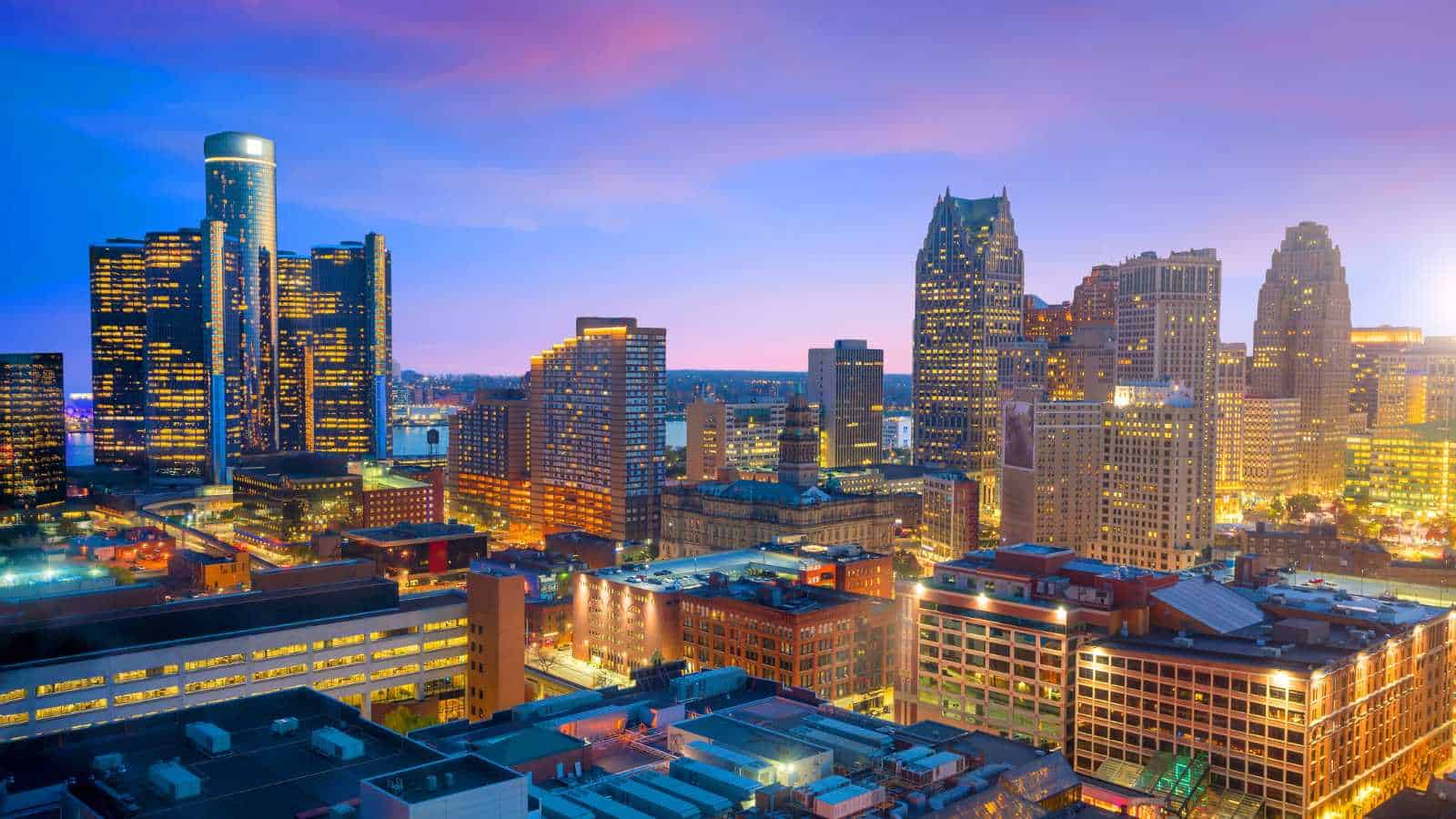
Detroit’s population story has been told so often that people sometimes forget to update it. SmartAsset found that Detroit’s population declined by 7.8% from 2017 to 2022, reaching 620,410 residents, far below its famous mid-20th-century peak of roughly 1.8 million.
That long slide came from deindustrialization, suburbanization, disinvestment, and decades of families leaving the core city, but the latest chapter deserves care. Census Bureau data for 2025 showed Michigan gained population from July 2024 to July 2025, and the Census Bureau noted that the Midwest grew solidly again in 2023, 2024, and 2025 after earlier losses.
Detroit still faces the hard math of a smaller tax base spread across a large city footprint, yet it also has downtown investment, neighborhood repair efforts, and a slower pace of loss than in earlier eras. The city is not a ruin in a museum case. It is a complicated place still arguing with its own past.
Santa Ana, California
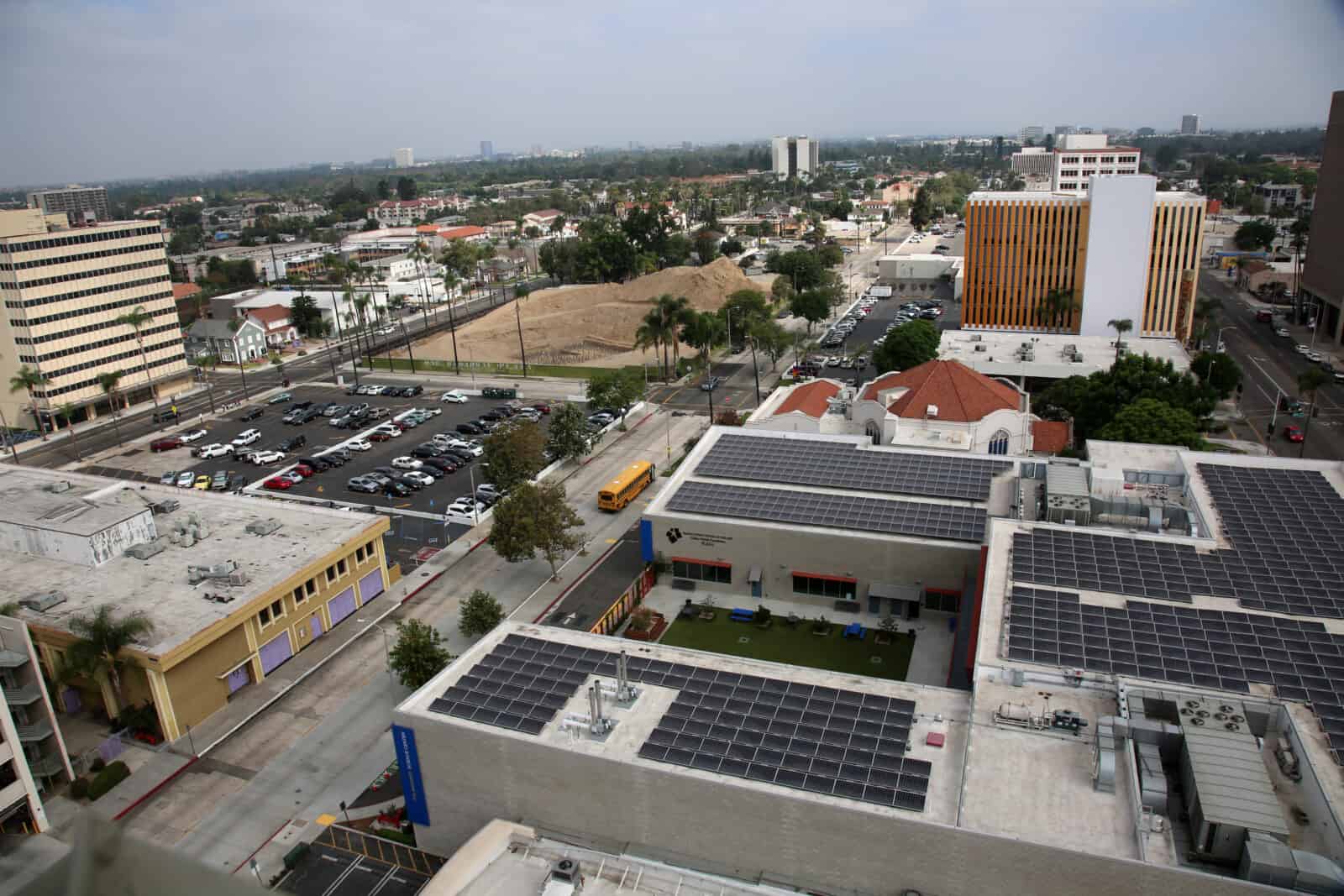
Santa Ana’s decline comes as a surprise of a different kind, because Orange County is often framed as polished, expensive, and stable.
SmartAsset found that Santa Ana’s population fell by about 7.8% from 2017 to 2022, to 308,203 residents, even though the city has long been known for its dense neighborhoods, immigrant families, and a strong local workforce.
The bigger county picture shows similar pressure: Census Bureau 2025 county estimates listed Orange County among the top U.S. counties for numeric decline from July 2024 to July 2025, with its population falling from 3,158,027 to 3,149,507, a loss of 8,520 residents.
This is where the ladder effect matters. Some families arrive, work, save, and then leave for cheaper inland suburbs once they can. Others leave because they cannot get ahead. Either way, the city loses people who helped make it hum.
Birmingham, Alabama
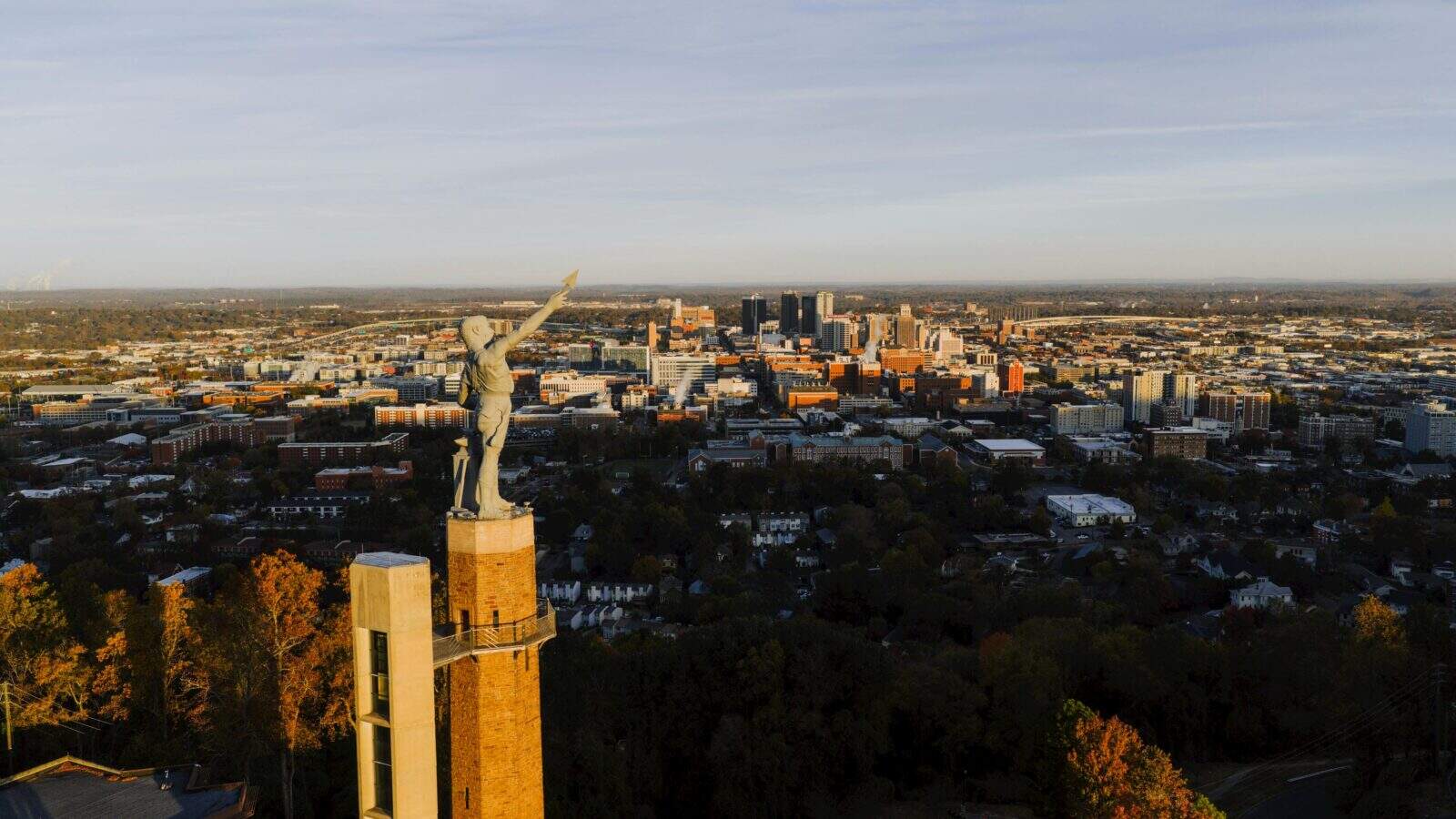
Birmingham shows how a city can shrink inside a growing region, which feels almost unfair until you look closely.
SmartAsset found that Birmingham dropped about 7.7% from 2017 to 2022, reaching 196,353 residents, even as the Census Bureau reported that the South added nearly 1.8 million people from 2023 to 2024 and remained the nation’s largest-gaining region.
That contrast matters because Alabama and nearby Sun Belt metros can gain residents, while older urban cores continue to lose them to suburbs, smaller cities, or stronger job markets. Birmingham has history, hospitals, universities, and cultural weight, but legacy cities often carry aging infrastructure, older housing stock, and uneven job growth.
A low cost of living helps, but it does not solve everything. If households see better schools, newer homes, or stronger career paths just outside the city line, the move can feel less like rejection and more like self-defense.
St. Louis, Missouri
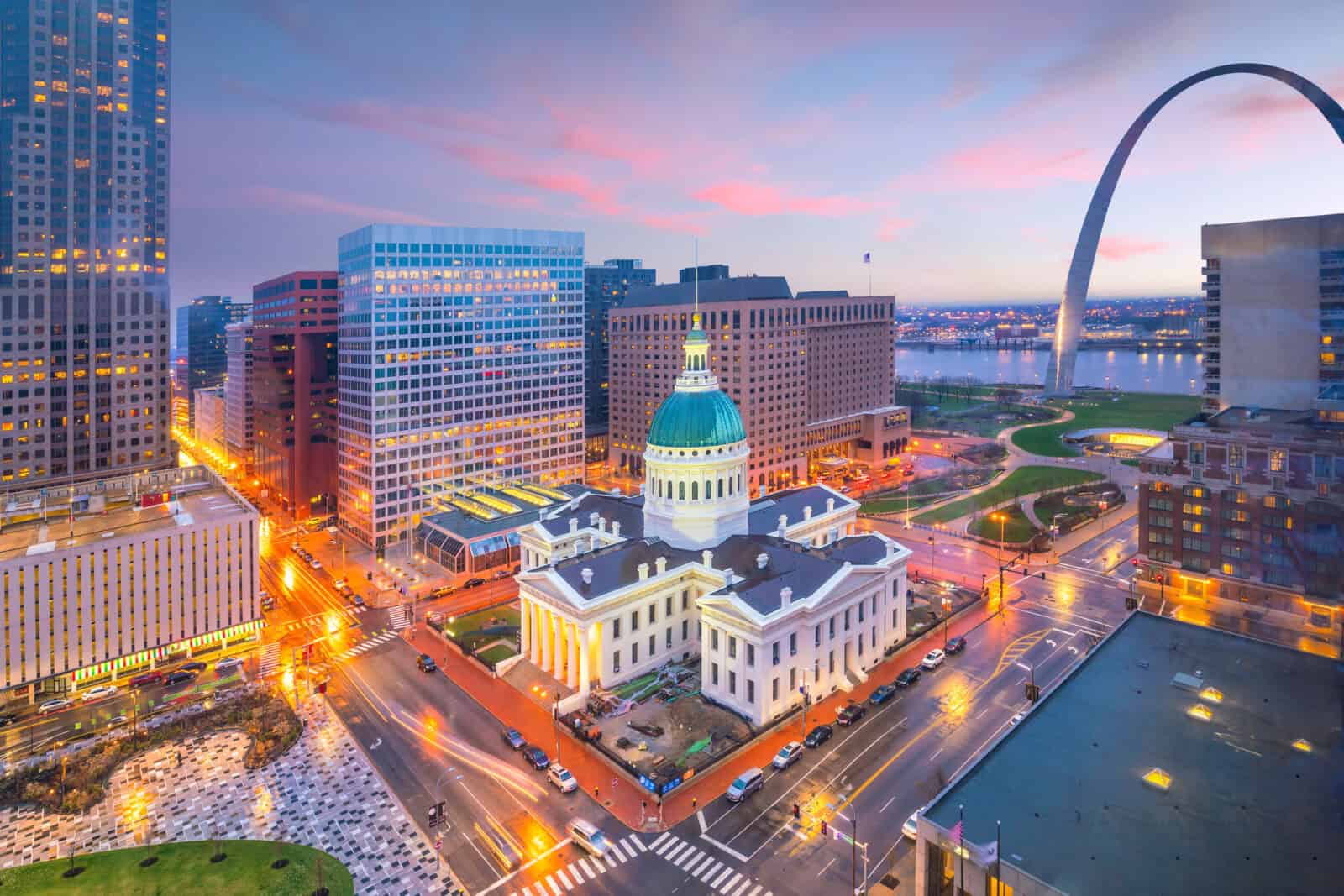
St. Louis brings a sharper recent fall into the list. Census Bureau Vintage 2022 estimates ranked it second among the fastest-declining U.S. cities and towns with at least 50,000 residents from July 2021 to July 2022, with Business Insider’s summary of the Census data reporting that the city lost nearly 7,000 residents, or 2.4%, during that period.
The broader St. Louis story has deep roots: city-suburb fragmentation, school concerns, public safety fears, and decades of households moving across municipal lines while remaining in the regional orbit. That last part matters.
A family can leave the city without leaving St. Louis culture, jobs, sports, or grandparents. But the city budget still feels the effects of the exit. Fewer residents can mean fewer taxpayers, thinner services, and a civic mood that turns defensive. Population decline turns a room into one with less oxygen, even when the surrounding region still breathes.
New Orleans, Louisiana
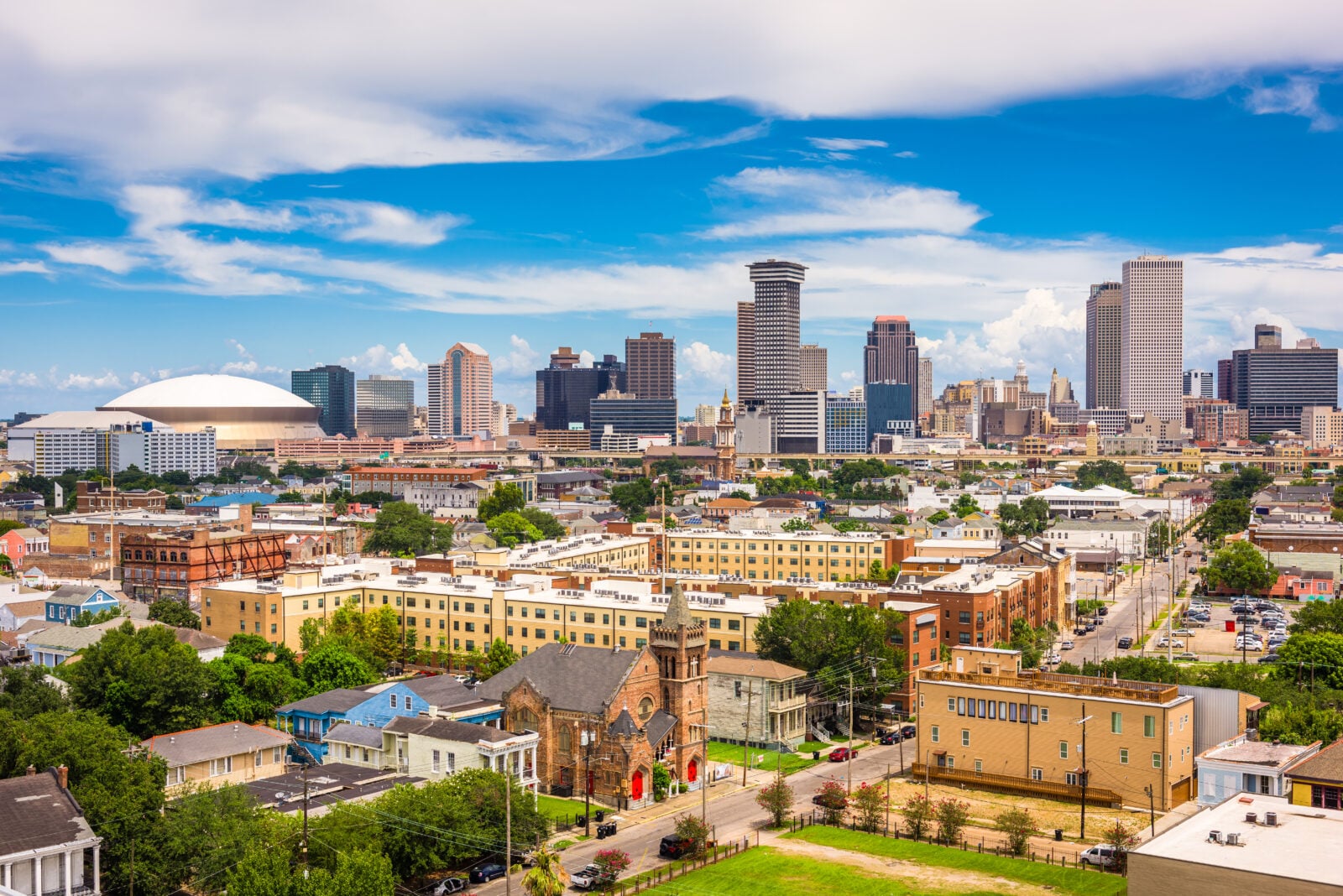
New Orleans closes the list with a kind of ache, because few American cities carry place, sound, and memory so richly.
Census Bureau reporting found that New Orleans was among the fastest-declining larger places from July 2021 to July 2022, and Business Insider’s Census-based summary reported that the city lost more than 7,300 residents during that period, with the larger metro losing more than twice that number.
The Census Bureau also noted that New Orleans and Jackson were negatively affected by Hurricane Ida, and a recent regional study by The Data Center reported that the seven-parish New Orleans metro had 966,230 residents in July 2024, a 4.1% decrease from April 2020.
Climate risk, rising insurance premiums, storm repair fatigue, and aging infrastructure do not erase the city’s magic, but they can make it harder for lower-income residents to stay. A city can keep its music and still lose people who can no longer afford the ticket.
A Short Reflective Close
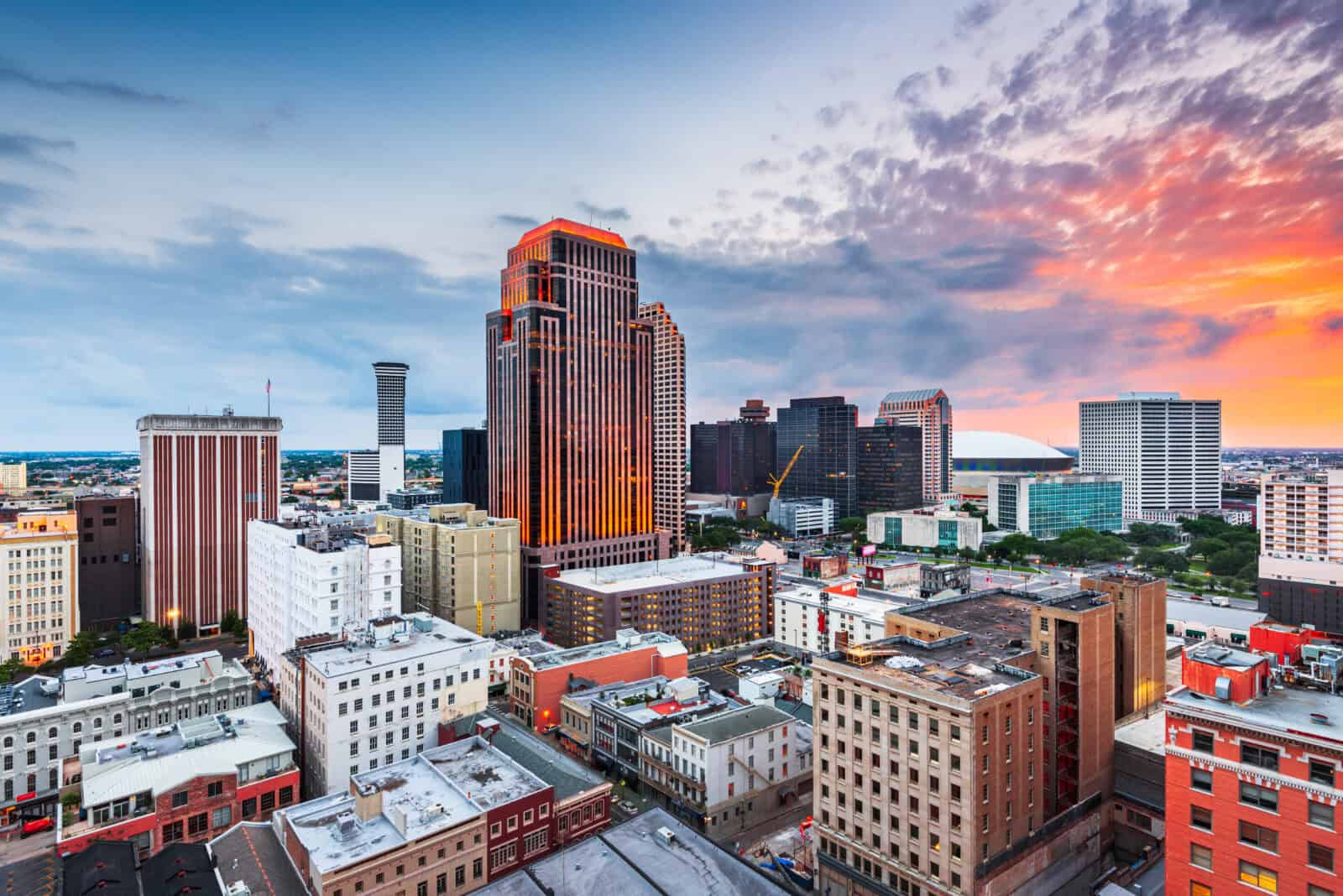
Population loss rarely announces itself with a siren. It arrives as one fewer kid in a classroom, one fewer customer at the diner, one fewer neighbor waving from the porch at dusk.
The Census Bureau’s 2026 county and metro data showed that nearly 8 in 10 counties that grew from 2023 to 2024 saw growth slow or reverse in 2025, indicating that this pattern extends far beyond a single list of cities.
Some places will stabilize. Some may rebound. Others may continue to lose residents unless housing, water, schools, safety, jobs, and climate resilience become more than campaign lines.
Key Takeaways

The first takeaway is simple: this is not a national collapse. The United States still added 1.8 million people from July 2024 to July 2025, but the Census Bureau said that growth slowed sharply from the prior year’s 3.2 million gain. The country is growing, but the gains are uneven, with some cities losing residents as other regions keep adding rooftops.
The second takeaway is that affordability keeps drumming home. Harvard’s Joint Center for Housing Studies reported in 2026 that 22.7 million renter households spent more than 30% of their income on rent and utilities in 2024, equal to 49% of all renters.
That kind of pressure does not stay trapped inside household budgets. It spills into migration, school enrollment, local businesses, and the future shape of cities.
The final takeaway is that shrinking cities are not all the same. Paradise is not Jackson, East LA is not Detroit, and New Orleans is not Aurora. Yet the shared thread is clear: people move when the cost of staying outweighs the pull of belonging. Cities that want to reverse the slide will need to make staying feel possible again, not just sentimental.
Disclaimer – This list is solely the author’s opinion based on research and publicly available information. It is not intended to be professional advice.
Like our content? Be sure to follow us