13 hidden fees quietly making your internet bill more expensive
Monthly internet bills often end up higher than the advertised price, thanks to a mix of taxes, equipment charges, optional services, and other fees that are added before customers check out. A 2024 report from the Federal Communications Commission found that broadband prices vary widely depending on the provider, technology, and location, while consumer advocates continue to warn that promotional pricing and extra charges can make comparing plans difficult.
Although recent regulations have pushed providers toward greater price transparency, many households still pay more than they initially expect. Understanding the hidden fees that commonly appear on internet bills can help consumers avoid unnecessary costs and choose plans that better fit their budgets.
Account Activation and Setup Fees

Signing up for a new internet plan usually comes with a one-time activation fee buried on your first bill. Providers say this covers the administrative work required to start service, but in practice it often looks like a simple onboarding tax.
Consumer billing guides frequently note that these one-time charges are among the easiest to negotiate away with a quick phone call before installation. Asking for a full fee breakdown and requesting waivers up front can keep your first bill aligned with the promotional rate you were promised.
Modem and Router Equipment Rentals

That glossy Wi‑Fi box sitting on your shelf might look innocent, but it comes with a high monthly cost. Most internet companies charge subscribers a steady rental fee for standard hardware, even though the equipment itself is relatively cheap to buy outright.
Pricing analysis from Allconnect estimates the average standalone internet plan at about $75 per month in the United States, before extra equipment fees are layered on. Over a few years, renting a modem and router can cost several times more than simply purchasing your own compatible gear.
Wi‑Fi Technology Service Fees

Just when you thought renting the physical box was enough, some providers sneak in a separate charge for wireless capabilities. They bill you for the basic connection, then add an extra fee just to broadcast Wi‑Fi inside your house, like buying a car and paying extra to use the steering wheel.
A 2026 Consumer Trust Survey by Reviews.org found that 65% of people feel misled by ISP pricing and 67% say hidden fees have made them consider switching providers. Extra Wi‑Fi “technology” fees are a prime example of charges that were never obvious when you signed up.
Network Maintenance and Infrastructure Charges

You might spot a small charge labeled network enhancement fee or technology infrastructure charge resting near the bottom of your bill. Providers often invent official-sounding names to make these costs look like required surcharges. In reality, they are usually company-created fees meant to boost revenue.
A major study from Consumer Reports highlighted how ISPs use vague terms like “internet infrastructure fee” and “network enhancement fee” to raise customers’ monthly costs without changing the advertised base price. These junk fees make it much harder for customers to compare plans or understand what they are paying for.
Data Cap Overage Penalties

Binge-watching your favorite shows or downloading big game updates can push you over invisible monthly data limits. Many providers cap home internet usage, then tack on overage charges every time you cross that threshold, even if you had no idea a limit existed.
Research summarized in “The True Cost of Internet: Hidden Fees Report 2026” shows that data cap overages and paid “unlimited” upgrades can add $20 to $50 to a typical bill in heavy-use months. Keeping an eye on household data use and changing plans when needed can prevent these surprise hits to your budget.
Broadcast and Regional Sports Surcharges

If you bundle internet with basic TV, prepare yourself for broadcast and regional sports fees you cannot opt out of. Cable companies pass along the rising cost of local channels and sports rights directly to subscribers, whether you watch sports or not.
Bundle prices for internet and TV have climbed, with average monthly totals for combined services now routinely above $170. Much of that increase comes from add-on surcharges rather than the “headline” price customers thought they were agreeing to.
Professional Installation Charges

When a technician drives to your house in a branded van to plug in cables, you can expect a hefty installation charge. Companies often bill anywhere between $70 and $100 for a short home visit, even when your home is already wired for service.
Opting for a self-installation kit sent through the mail is an easy way to protect your personal financial goals. Most modern setups require little more than plugging in cables and following a simple app, which means you keep professional labor off the invoice.
Early Termination Penalties

Moving to a new apartment or switching providers before your contract ends can trigger a painful early termination fee. Providers may charge a flat amount or bill you for each remaining month on your agreement, turning a necessary move into an expensive decision.
Surveys cited by Reviews.org indicate that many customers only discover the size of their exit penalties once they try to switch, which keeps frustrated households stuck in pricey contracts. Choosing no‑contract plans where possible preserves your freedom to leave when prices jump.
Promotional Discount Expiration Hikes

That eye-catching $30 monthly deal you signed up for is almost always a temporary promotional rate. After twelve months, the teaser price disappears, and your bill jumps to the standard tier, sometimes doubling your cost overnight.
A study highlighted by Telecompetitor found that typical internet customers saw average price increases of more than $16 per month when introductory rates expired. Setting a reminder before your promo ends gives you a chance to renegotiate or shop around before your bill quietly spikes.
Paper Billing Fees

If you still prefer receiving a physical statement every month, your provider may charge a small fee for it. These paper billing charges usually show up as a few extra dollars meant to cover printing and postage, but they also nudge customers toward cheaper digital options.
Switching to paperless billing in your online account often removes this fee instantly and simplifies your record-keeping. That small move keeps a bit more cash in your budget every month.
Late Payment Penalty Charges
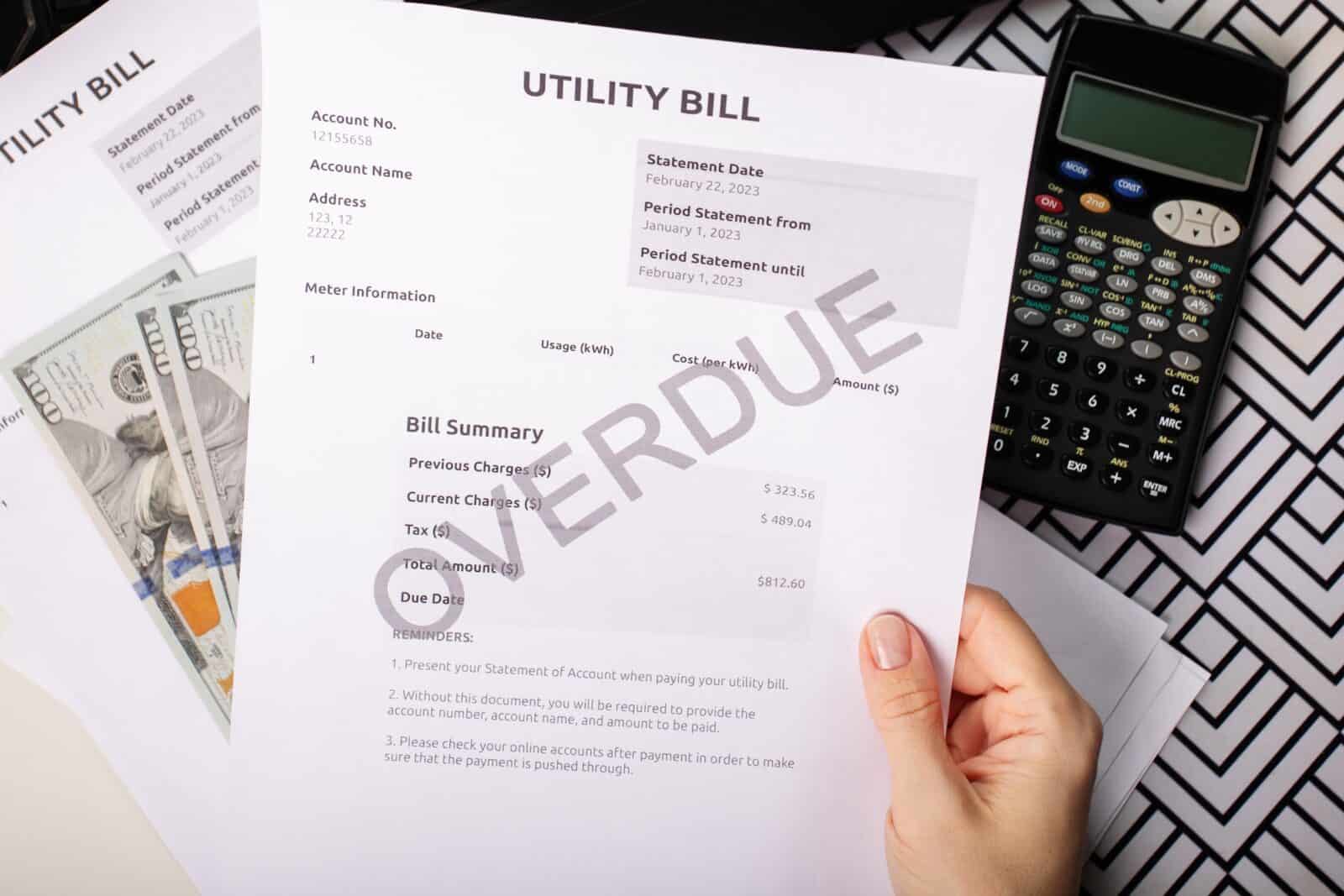
Missing your bill due date by even a single day can trigger a surprisingly steep late fee. Service providers usually charge a flat penalty no matter how small your remaining balance is, and missing multiple payments can quickly lead to service interruptions.
Fortunately, setting up calendar alerts or switching on auto-pay makes these fees virtually non-existent. Taking just a few minutes to set up automatic reminders protects your budget, keeps your savings goals on track, and saves you the headache of dealing with completely avoidable penalties.
Deregulated Government Administrative Surcharges

Flipping through your bill may reveal official-sounding items labeled administrative recovery or regulatory cost surcharge. While they resemble government taxes, these line items often help the company recover its own internal expenses instead.
Consumer advocates recommend asking your provider to explain each of these charges in plain language and comparing their bills to competitors in your area. When enough customers push for clarity, providers have a harder time hiding profit padding behind confusing names.
Universal Service Fund Surcharges
The Universal Service Fund supports access to communications in rural and low-income communities. Providers are allowed to recover these contributions on customer bills, but some add their own markup on top of the official rate, keeping the difference as revenue.
Checking how your provider’s USF line compares with typical percentages can reveal whether they are using the program as a quiet profit center. Calling into question large jumps in this surcharge sometimes results in a small adjustment or a better promotional offer to keep you as a customer.
Key Takeaway

Internet providers rely on confusing line items to quietly boost their revenue, but you do not have to accept these hidden charges. By auditing your monthly statement, buying your own hardware, tracking promo end dates, and using self‑install and paperless options, you can take control of your internet expenses and keep more room in your budget each year.
Disclaimer – This list is solely the author’s opinion based on research and publicly available information. It is not intended to be professional advice.
You May Also Like: 9 Money Mistakes That Keep Americans Living Paycheck to Paycheck
Like our content? Be sure to follow us