12 things to know about silent scam calls and how to protect yourself
The most dangerous conversation you will have this year is the one where nobody speaks.
We are conditioned to fear the silver-tongued scammer or the urgent government threat, but the true architect of modern identity theft is the ghost call, the silent ping that harvests your metadata without saying a word.
In the age of AI voice cloning and biometric harvesting, your hello is no longer a simple greeting but also a raw data sample that can be sold, traded, and weaponized before you even have the chance to hang up. This silence is the digital predator testing the perimeter of your privacy, checking for signs of life so it can return later with a more sophisticated, human-looking attack.
The Algorithmic Meat Grinder of Predictive Dialing

The silence on the other end of your phone is the byproduct of a brutal mathematical efficiency known as over-dialing. Modern scam operations utilize predictive dialers that function like a high-speed assembly line. These systems are programmed to call dozens of numbers simultaneously because their internal data suggests that only a small percentage of people will actually answer.
The scammer’s primary overhead is the hourly wage of their callers, often based in overseas hubs such as India, the Philippines, or Nigeria. To ensure these employees are never idle and do not cost the operation money, the software deliberately dials more numbers than there are humans available to answer.
If you happen to be the 11th person to pick up, but there are only 10 scammers on the floor, the system simply drops your connection. To the software, your time has zero value, but its own efficiency is paramount.
The Federal Communications Commission considers these abandoned calls to be a primary source of consumer frustration, yet for the scammer, it is cheaper to lose a potential victim to silence than to pay a human to wait for a dial tone.
The Invisible Tagging of an Active Line

The moment the call connects, the automated system logs your number as a verified active line. In the world of data brokerage, a list of numbers that are known to be answered by a human is significantly more valuable than a raw list of random digits. Your response, even if it is just a frustrated hello, confirms that the line is not a fax machine, a business voicemail, or a disconnected circuit.
Once your number is tagged as active, it is often funneled into a secondary database. This is a process of digital seasoning where your information is prepared for more sophisticated attacks later. Scammers understand the psychology of persistence. They know that if you answered once, you are likely to answer again. This metadata, the time you answered, how long you stayed on the line, and your geographical location, is then sold on dark web marketplaces.
Expert investigator Amy Nofziger from the AARP Fraud Watch Network states, “When you answer these calls, you are confirming to the scammer that there is a live person on the other end, which only leads to more calls.” This is why your phone suddenly rings more frequently after you’ve engaged with just one silent caller.
The Geography of the Long-Distance Ghost

The silence you experience is often the literal sound of distance. Most of these calls are routed through Voice over Internet Protocol gateways that allow scammers to mask their true location. While your Caller ID might show a local area code, a tactic known as neighbor spoofing, the actual source of the call is likely thousands of miles away. The slight delay or the eventual click of a disconnection is often caused by the latency of routing a call through multiple international servers to hide the point of origin.
Because these call centers operate in jurisdictions with lax telecommunications enforcement, they face almost no risk of legal repercussion. They exploit the fact that the cost of an internet-based call is virtually zero. By the time a victim reports a local number to the authorities, the scammer has already discarded it and moved on to the next.
This creates a hit-and-run environment where the perpetrator is a ghost in the machine, unreachable by standard law enforcement. The sheer volume is staggering; industry data suggests that billions of these automated pings occur annually, turning the global telephone network into a massive, unregulated playground for identity arbitrage.
The Silence Before the Storm of AI Voice Cloning

Perhaps the most terrifying evolution of the silent call is its use as a harvesting tool for biometric data. While many people think they are safe as long as they don’t give away their credit card number, the simple act of speaking during a silent call can be dangerous.
Emerging AI technologies can now clone a human voice with as little as three seconds of audio. If you repeatedly say “Hello? Who is this?” into the silence, you are providing a high-quality sample of your unique vocal frequency and cadence.
Once a scammer has this sample, they can use generative AI software to mimic you with haunting accuracy. This leads directly into the emergency scam, where a family member receives a call from your cloned voice claiming you are in trouble and need money immediately.
The sophistication is evolving so rapidly that even savvy tech users are being fooled. By remaining silent or, better yet, not answering at all, you deny the machine the raw material it needs to impersonate you. In this digital landscape, your voice is a key, and every silent call is an attempt to pick the lock of your personal security.
The Psychology of Curiosity and the Wangiri Trap

Beyond dialers’ algorithmic efficiency, silent calls often serve a dual purpose as bait for the Wangiri scam. Derived from a Japanese term meaning one ring and cut, this tactic relies on the natural human inclination to return a missed call. When you see a notification from an unknown number, perhaps one that hung up just as you reached for the phone, the scammers are betting you will call back out of curiosity or concern that you missed something important.
If you dial back, you are often rerouted to an IPRN in a high-cost jurisdiction. These are not standard phone lines; they are specialized billing entities that charge exorbitant per-minute rates simply for being connected. The scammer receives a kickback from the telecommunications provider for every second you remain on the line.
Phone-based fraud accounts for over $343 billion in annual losses. By returning that silent call, you aren’t just engaging with a person; you are initiating a transaction where you are the product being sold.
The Phishing Pivot

Once a dialer confirms your line is active, the data is handed off to a specialized team that handles social engineering. The next time your phone rings, it won’t be silent. Instead, the caller ID might be spoofed to look like your local police department, the IRS, or a major retailer like Amazon.
This is known as identity arbitrage. The scammer uses the fact that you answered a previous call to build a profile of your habits. They might follow up the silence with a text message, a tactic called smishing, claiming that your bank account has been frozen due to suspicious activity.
Because the silent call already primed your brain to think there is something glitchy with your phone or accounts, you are statistically more likely to click the malicious link in the text. Scammers are weaponizing AI to move faster than legacy network defenses, making these multi-layered attacks feel seamless and terrifyingly credible.
The Silent Survey and Data Harvesting

In some instances, the silence serves as a placeholder for a lifestyle survey or a robocall that triggers only when specific acoustic conditions are met. If the system detects a quiet environment, it may play a pre-recorded message that appears to be a legitimate inquiry about your health insurance or utility bills. These are designed to harvest specific pieces of personal data, your zip code, your age, or even your political leaning, which are then combined with your phone number to create a high-value lead profile.
This data harvesting is an organized criminal operation. These seemingly harmless lifestyle surveys are used to set up unauthorized direct debits. By gathering enough yes responses through automated questions, criminals can simulate consent and deceive banks into processing fraudulent payments. The silent call was merely the tripwire that signaled you were home and willing to pick up.
Once that door is opened, the secondary wave of data theft begins, often without the victim realizing they have been compromised until their bank statement arrives.
The Global Infrastructure of Off-Shore Fraud

Something else to understand about these calls is the sheer scale of the infrastructure supporting them. These are not individuals in basements; they are sophisticated, corporate-style operations often operating out of fraud factories in Southeast Asia or Eastern Europe. These centers use open-source code and AI-centric browsers to run fully automated fraud operations at a scale previously unimaginable.
The calls are routed through SS7 vulnerabilities, which allow scammers to leapfrog across global networks while hiding their true identity. Threat actors will increasingly collaborate across borders, sharing malware and victim lists to maximize their returns.
This global collaboration means that a silent call you receive in the morning could result from a database update in a completely different hemisphere just minutes earlier. The predators are global, but they are using your local phone line as their primary entry point into your life.
Silent Money Crisis

As of March 2026, voice phishing (vishing) incidents have surged by a staggering 442%, resulting in approximately $40 billion in annual losses globally. These figures are not just abstract numbers; they represent the successful execution of thousands of daily attacks that start with a simple active line confirmation. The silent call is the low-cost fuel for this multi-billion-dollar engine.
Industry data from early 2026 indicates that U.S. consumers now receive an average of 2.56 billion scam calls every month. While the Federal Trade Commission has collected nearly $400 million in penalties from violators since the inception of the Do Not Call Registry, the sheer volume of calls remains relentless.
For the individual, the cost is even more personal: victims of successful voice scams in the past year lost an average of $2,257 per incident. This financial arbitrage is why the silent calls continue; they are the most efficient way for global fraud rings to find the 6.5% of the population statistically likely to fall for a more complex follow-up scam.
The Regulatory Siege Against Gateway Providers
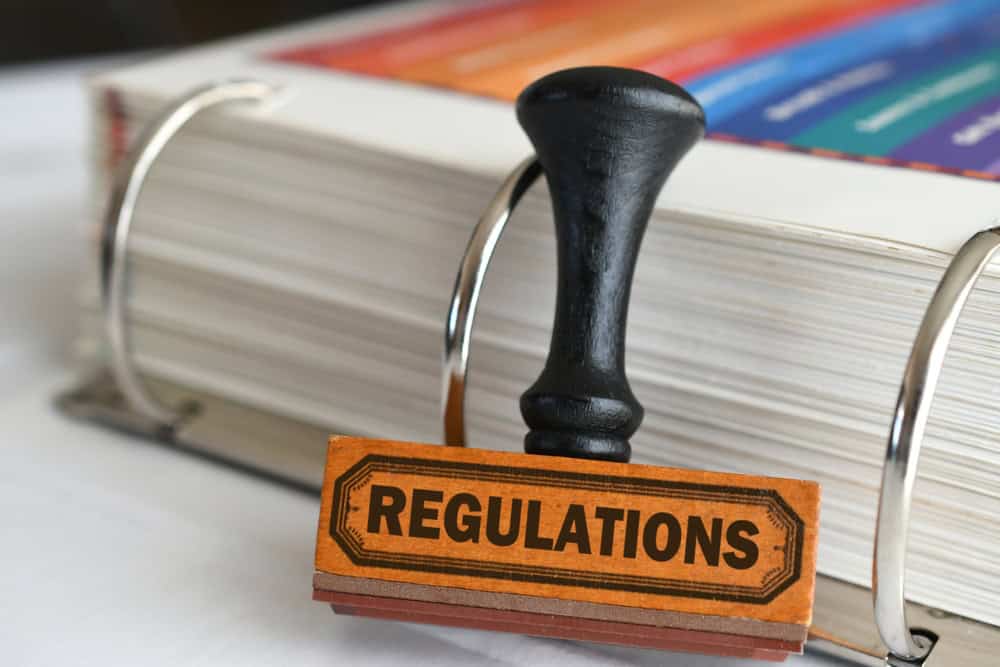
In a major pivot for 2026, the Federal Communications Commission has moved beyond targeting callers and is now laying siege to the infrastructure that enables its operations.
The strategy is to make it financially toxic for companies to carry illegal traffic. As of March 5, 2026, the FCC has proposed even tougher standards requiring providers to explicitly label foreign-originated calls on your handset.
By restricting how numbering resources are resold, often through multiple layers of shell companies, regulators are finally beginning to trace the calls back to their source. This shift from reactive blocking to proactive infrastructure regulation is the most significant advancement in telecommunications security in a decade.
STIR/SHAKEN and the Battle of Attestation

You may have noticed a “verified” checkmark next to some incoming calls; this is the result of the STIR/SHAKEN framework, a protocol that verifies that the caller ID displayed is the one the call actually originated from.
By the first half of 2025, approximately 84% of call traffic between major U.S. carriers was signed and verified. However, scammers have already adapted, finding ways to exploit A-level attestations through invalid numbering sources, a loophole that regulators are racing to close in 2026.
Despite these hurdles, the implementation of STIR/SHAKEN has been a critical line of defense. It forces scammers into the dark parts of the network, making their calls easier for your carrier’s analytics to flag as potential spam.
Adaptive Protection Strategies
The single most effective tool at your disposal is the Silence Unknown Callers feature found on modern smartphones. Enabling this means any number not in your contact list is automatically sent to voicemail without ringing. This instantly breaks the cycle of active line tagging because the scammer’s automated system never gets the human answer signal it needs to move your number to a premium list.
Additionally, third-party AI protection platforms such as Trend Micro ScamCheck and DataVisor have become essential for modern users. These apps go beyond simple blacklists; they use behavioral biometrics and real-time risk scoring to analyze a call’s origin and intent before your phone even rings.
By registering your number at DoNotCall.gov and using your carrier’s built-in scam shield or call filter services, you contribute to a collective immune system that makes silent calls and the scams that follow too expensive for criminals to sustain.
Key Takeaways

- Silence is a Signal: A silent call is a ping from a predictive dialer. If you answer, you are instantly tagged as an active line in a global database, which significantly increases the volume of future scam attempts on your number.
- Your Voice is the New Password: In the era of generative AI, scammers can clone your voice with just a few seconds of audio. Staying silent or hanging up prevents them from capturing the vocal samples needed to impersonate you to your family or bank.
- The Wangiri Financial Trap: Many silent calls are designed to provoke a callback. Returning a missed call from an unknown international number often routes you to high-cost premium lines where you are billed by the second for staying on the line.
- The Architecture of Identity Arbitrage: These calls are reconnaissance missions. Data harvested from a simple hello, such as your location and active hours, is sold on the dark web to help other criminals craft more convincing phishing and smishing attacks later.
- Adopt a Zero-Trust Phone Policy: The best way to stop a scam is to never let the call reach the consumer in the first place.
Like our content? Be sure to follow us.