12 truths people often share before they die
A quiet hospital room often holds more truth than years of busy living. According to research summarized by author Ben Nemtin, 76% of people near the end of life regret not living more authentically.
Those final days have a way of stripping life down to its core. Noise fades. Status loses its shine. What remains are the memories, the people, and the choices that shaped a lifetime.
Across hospices, homes, and hospital rooms, the same reflections surface again and again. Doctors, nurses, and families hear similar truths repeated by people who have nothing left to prove and no reason to pretend.
What they share is rarely complicated. Yet many people spend decades avoiding these lessons until time runs out.
I wish I had lived more for myself
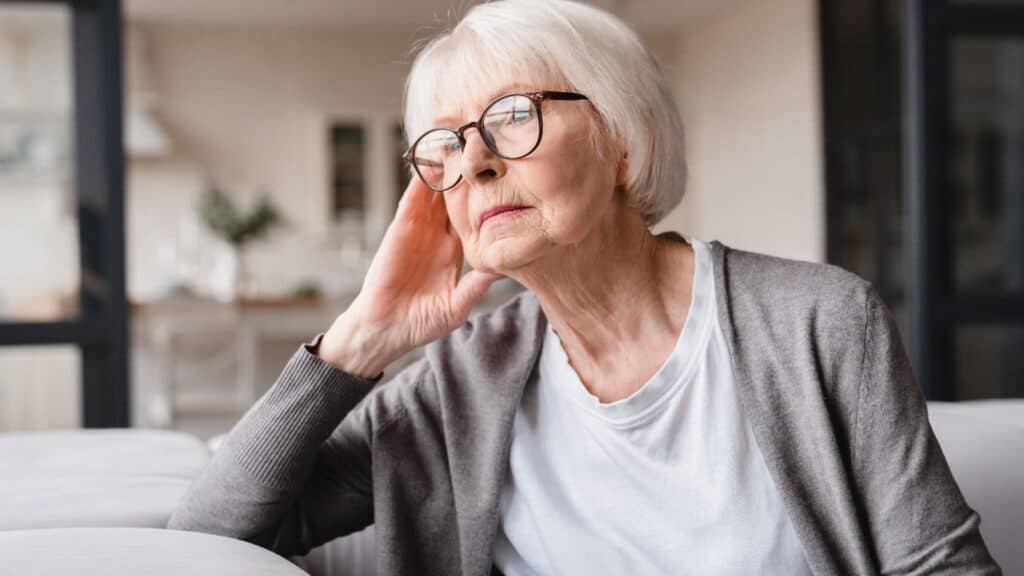
The soft hum of medical machines fills the room while evening light slips through the blinds. You sit beside someone who has finally stopped worrying about expectations, and their voice grows honest in a way it never was before. Many people admit they spent years following paths chosen by others.
Careers, routines, and decisions were shaped by pressure rather than desire. What seemed practical at the time slowly turned into quiet regret. Research compiled by writer Ben Nemtin from LinkedIn shows that 76% of people on their deathbed regret not living more authentically.
The figure reveals how common this realization becomes when time grows short. The lesson lands with surprising clarity. When the end approaches, people rarely wish they had pleased more people. They wish they had been brave enough to choose their own life sooner.
I wish I had spent more time with the people I love

The smell of coffee drifts through a quiet living room where family members gather around a hospital bed brought home for the final weeks. Conversation moves slowly, but every word carries weight. In moments like this, people often speak about relationships they nurtured or neglected.
Careers, promotions, and possessions fade into the background. What stands out are the bonds that lasted and the ones that broke. Hospice research published in the American Journal of Hospice and Palliative Medicine shows that 50 to 60% of conscious hospice patients report vivid dreams or visions of loved ones who have died.
These experiences frequently center on reunion and connection. That pattern hints at what the mind values most in the final chapter. Long after titles disappear, people’s memories remain.
Life went faster than I ever expected

The ticking of a wall clock grows louder when the room is still. You watch someone pause between sentences, as if each moment now carries a deeper weight. People nearing the end of life often talk about how quickly decades have passed.
Plans were delayed. Trips were postponed. Important conversations were pushed to another day. A 2024 systematic review in PubMed Central found that stronger life regrets correlate with lower life satisfaction and higher depressive symptoms.
The study shows how unresolved choices echo across an entire lifetime. When the end arrives, the math becomes simple. Time was always the rarest resource.
Somehow, I knew my time was near

The late afternoon sun settles across the bed as the room grows quiet. Something shifts in the air, and the person beside you seems to understand more than anyone says aloud. The silence carries a strange clarity, as if everyone in the room feels the same unspoken awareness.
Medical records analyzed by researchers show that 51% to 62% of dying patients demonstrate awareness that death is approaching in their final days. Families often notice a calm acceptance during this time.
That awareness changes conversations. Instead of small talk, people speak plainly about love, gratitude, and unfinished feelings. In those final days, truth tends to replace fear.
I care about peace now more than fighting for more time

The scent of antiseptic fades as a patient moves from hospital corridors back into a quieter space. The shift feels almost physical, like stepping out of a storm.
Healthcare trends show many families are choosing comfort over endless intervention. According to Research and Markets, the hospice care market grew from $4.76 billion in 2024 to $5.33 billion in 2025, an 11.9% annual increase.
This growth reflects a change in how people face the final stage of life. Instead of chasing extra days at any cost, many patients want peace, dignity, and time with loved ones. In that calm space, honest reflections often appear.
I would choose comfort and family over hospital machines

The quiet of a family kitchen replaces the sterile glow of hospital lights. In places like this, conversations about the end of life feel more human and less clinical. The space feels familiar, grounding everyone in memories rather than machines.
Public attitudes are shifting in the same direction. A 2025 Michigan Medicine poll found 89% of U.S. adults over 50 who know about hospice say they would consider using it if they were dying.
That number reveals growing openness to facing death honestly. Hospice often becomes the setting where final wisdom is shared with family members. When the focus moves from cure to comfort, deeper conversations naturally follow.
My regret stole my joy, don’t let yours

The steady rhythm of footsteps echoes through long hospital halls where nurses move from room to room. Behind many doors, families are navigating the same emotional moment. Quiet conversations unfold in low voices as people gather close.
Global demand for palliative care now exceeds 40 million people each year, according to healthcare statistics compiled by Market.us. Aging populations are driving the number even higher through 2026.
This rising need means millions of families will face the same reflective period near the end of life. And across those moments, the same truths keep surfacing. In quiet rooms, those truths often arrive with surprising clarity.
I just want to spend my final days at home

The creak of a wooden floor replaces the beeping of hospital monitors. A window opens, letting in fresh air and the familiar sounds of a neighborhood street. The smell of home fills the room, grounding everyone present in comfort and memory.
Research shows home-based palliative care models produce some of the strongest patient outcomes, according to studies published in PubMed Central. In recent years, more people have chosen to die at home.
The setting matters. Familiar spaces invite deeper conversation, laughter, and quiet reflection. At home, people often speak more freely about what matters most.
I wish I had started this peaceful care sooner

A nurse gently adjusts a blanket while family members sit nearby. The mood feels calmer than many expect at this stage of life, the room quiet except for soft murmurs and the rustle of sheets.
Healthcare analysts have found that patients who enroll in hospice earlier experience fewer hospital visits and emergency admissions, according to a 2026 analysis from Trella Health.
Those extra weeks outside the hospital often become valuable time for reflection. People share stories, mend relationships, and express feelings that were once left unsaid. Sometimes the most meaningful moments happen after the rush of treatment ends.
More of us are choosing hospice care

A stack of paperwork rests on a nurse’s station while new hospice patients arrive quietly throughout the week. The pattern tells a larger story about cultural change, the quiet movement of families and staff reflecting deeper shifts in how society approaches death.
The 2025 Hospice Monitoring Report from the Centers for Medicare and Medicaid Services found hospice enrollment rose significantly in fiscal year 2024, marking the biggest increase since 2021.
More families are choosing compassionate care at the end of life. As this shift continues, the conversations that happen during those final days are becoming more intentional.
I wish I had expressed my feelings more openly

The quiet rustle of bed sheets breaks the silence as someone gathers the courage to say the words they have carried for years. You can feel the weight of unsaid thoughts finally coming to the surface. Near the end of life, many people speak about emotions they held back.
Apologies were never given. Gratitude is never spoken. Love that was assumed but rarely said aloud. When time grows short, honesty suddenly feels urgent. A 2024 systematic review published in PubMed Central found that greater life regret is closely associated with lower life satisfaction and higher depressive symptoms.
The study shows how emotional restraint can leave lasting psychological weight across decades. In those final conversations, people often pass on a simple lesson. Speak the truth of your feelings while time still allows it.
Honest conversations matter at the end
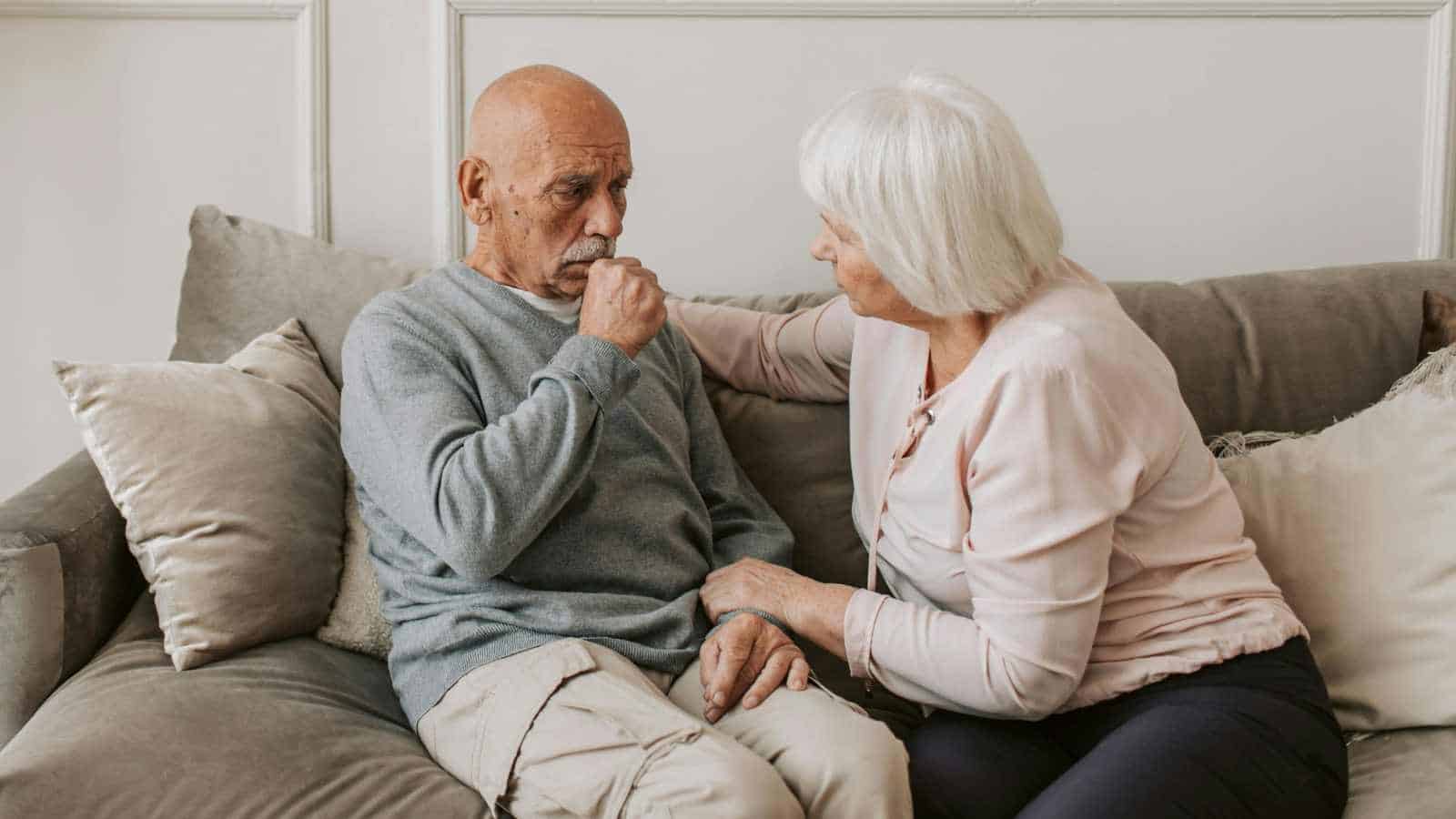
The hallway lights dim while nurses move quietly between patient rooms. Inside one room, a family sits together sharing stories instead of watching another round of procedures. Healthcare systems are beginning to reflect what many patients already understand.
The final chapter of life is rarely about extending every possible day. The 2025 Hospice Monitoring Report from the Centers for Medicare and Medicaid Services shows that Medicare hospice enrollment increased significantly in fiscal year 2024, marking the largest growth since 2021. More families are choosing compassionate care rather than repeated hospital stays.
That shift changes the final weeks of life. Instead of sterile rooms and rushed visits, many patients now spend those days reflecting, reconnecting, and sharing the truths they want others to remember.
Like our content? Be sure to follow us