12 unanswered questions about death that continue to fascinate scientists
Death is one of the few experiences every human being shares, yet many aspects of it remain poorly understood. According to the World Health Organization, about 68 million people died worldwide in 2021, while researchers estimate that roughly 60 million people die globally in a typical year, about 165,000 every day.
Despite centuries of medical advances, scientists are still investigating some of the biggest mysteries surrounding the end of life. From consciousness and near-death experiences to the biological limits of human longevity, many questions remain unanswered.
Here are 12 of the most intriguing mysteries about death that continue to captivate researchers.
The Precise Moment Conscious Awareness Departs

Pinpointing the exact millisecond someone officially crosses over from alive to deceased is proving much harder than checking for a pulse. Cells do not expire simultaneously; instead, a slow wave of shutdown spreads through different tissue groups over several hours.
This staggered cellular decline makes defining the actual border of life a highly frustrating target for clinical researchers. We often treat the end of life as a simple binary switch, but biology views it more like a slow fading sunset.
Knowing exactly when a person stops processing their immediate surroundings shapes how families say their final goodbyes during difficult medical moments. It remains an unresolved puzzle that directly impacts both cutting-edge hospital care and our basic philosophical understanding of existence.
The Sudden Electrical Spikes In A Flatlining Brain
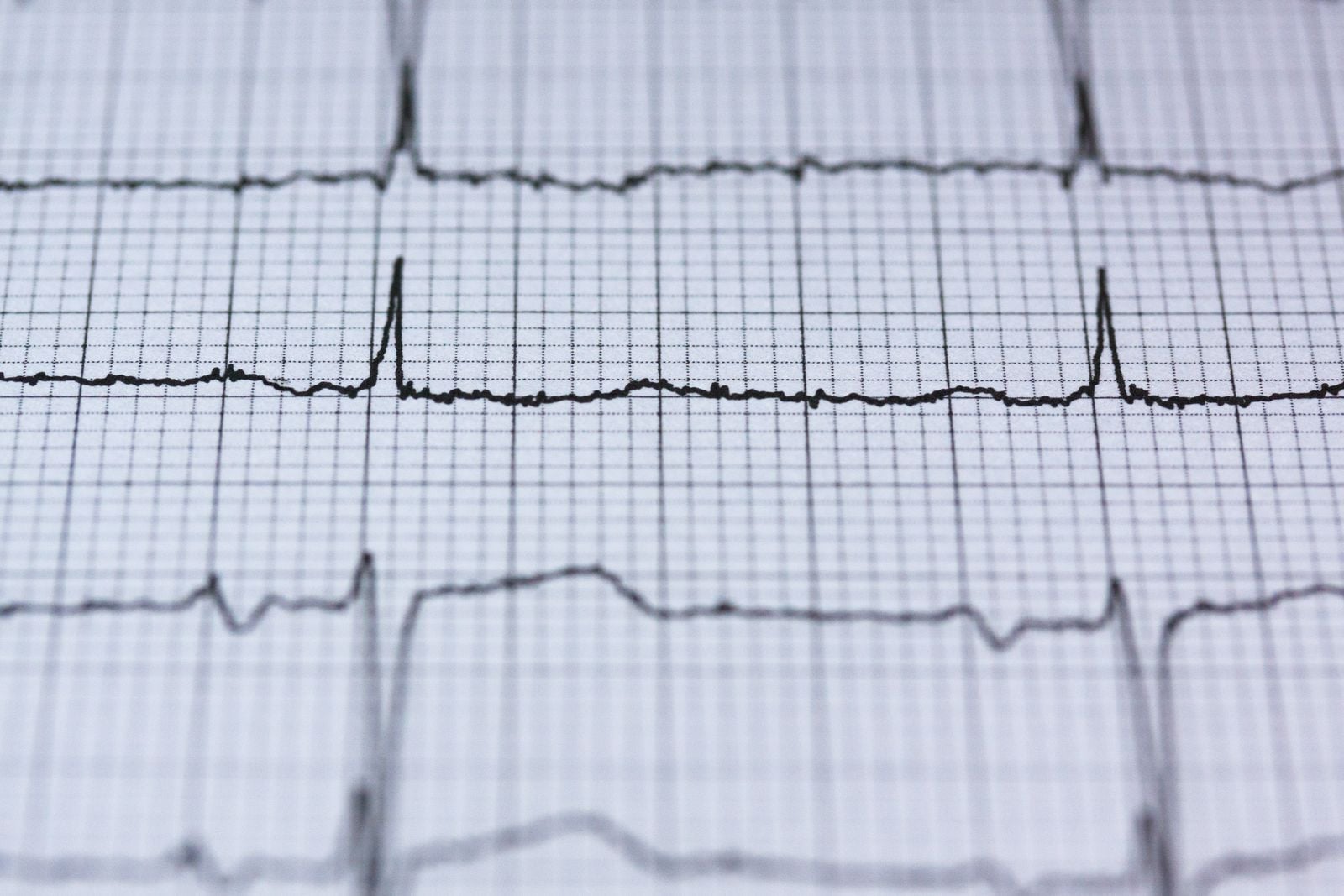
When cardiac activity ceases, standard medical logic suggests that mental processing should shut off like a light bulb. However, advanced electroencephalogram monitors frequently record unexpected bursts of coordinated electrical activity long after blood flow drops to zero. These mysterious energy surges mirror the exact patterns seen when a healthy person is actively brainstorming or recalling deep memories.
Scientists are left scratching their heads trying to figure out why a dying organ would expend its last bits of energy on complex signaling. A 2023 paper in PNAS on gamma oscillations in the dying human brain reported a surge of neurophysiological coupling and connectivity in some patients around death, which is exactly why these last-second electrical spikes have become such a serious scientific puzzle.
The True Nature Of Vivid Life Reviews

Countless survivors who peeked over the edge report watching their entire existence flash before their eyes in mere seconds. This is not a random jumble of images, but a highly structured, emotionally intense evaluation of their lifelong choices and personal relationships.
People often re-experience childhood events with perfect clarity, feeling the exact emotions of those they impacted. Neurologists cannot quite explain how a compromised brain can sort, retrieve, and display decades of memories with such incredible speed.
Some think a sudden chemical release triggers this lightning-fast trip down memory lane, while others suspect a deep subconscious survival mechanism. It is a profound mental phenomenon that transforms the final moments of life into a deeply reflective inner journey.
The Mystery Of Hyper Lucid Awakening

Doctors working in hospice centers often witness patients with severe, advanced dementia suddenly regain complete clarity hours before passing away. Individuals who could not remember their own names for years will suddenly sit up, speak clearly, and recognize family members.
This temporary return of cognitive function defies standard neurological understanding, given the physical damage inside their brains. This shocking mental clarity suggests that hidden memories and cognitive abilities are not completely destroyed by long-term illnesses.
A widely cited review on terminal lucidity collected documented case reports of unexpected clarity before death, reinforcing just how real and poorly understood this phenomenon still is.
The Surprising Percentage Of Conscious Resuscitation Survivors

For years, science dismissed tales of floating above operating tables as simple oxygen-deprived hallucinations or wishful thinking by frantic patients. However, a major medical breakthrough occurred during the comprehensive AWARE II study coordinated by researchers at the NYU Grossman School of Medicine. This project monitored hundreds of men and women who experienced cardiac arrest and received cardiopulmonary resuscitation.
The data revealed that fewer than 10% recovered enough to leave the hospital, but about 40% of survivors recalled some degree of consciousness, according to the report on patients recalling death experiences after cardiac arrest. That finding continues to challenge old assumptions that awareness shuts down almost immediately after the heart stops.
The True Prevalence of Near-Death Experiences

Fascinatingly, these transcendent glimpses are not rare anomalies confined to a small handful of isolated medical cases around the globe. Long-term polling indicates that roughly 5% of the total population in the United States has experienced a genuine near-death episode at some point.
This means that millions of ordinary citizens have carried these profound, inexplicable memories with them throughout their everyday lives. Furthermore, a multinational study summarized by EurekAlert reported that one in 10 people may have near-death experiences, which makes these episodes far too widespread for science to casually dismiss as isolated curiosities.
The Emotional Aftermath Of Beyond Border Glimpses

Returning from the brink of life does not just leave people with an interesting story to tell at dinner parties. The psychological shift can be so incredibly massive that it completely alters a person’s core values, goals, and daily habits.
Many individuals return with a total absence of fear regarding the end of life, prioritizing compassion over earning money. Yet, readjusting to normal routines can place immense strain on a person’s immediate home environment and social circles.
Research reviews show that many experiencers report lasting changes in values and priorities after returning, which can ripple through family life and work choices. These stories suggest that surviving the edge of life can reshape how a person approaches both identity and everyday wellbeing.
The Varied Emotional Quality Of Final Moments

While popular media often depicts the transition as a peaceful journey through a dark tunnel toward a warm light, reality is varied. Research shows that many individuals with confirmed transcendental episodes report their experiences as deeply pleasant and comforting. The remaining portion of survivors frequently describe feelings of profound confusion, isolation, or terrifying void environments.
Scientists are working hard to understand what determines whether a person’s final mental journey will be peaceful or deeply distressing. Factors like cultural background, personal beliefs, or the specific medical cause of decline do not seem to provide a reliable answer. This stark divide in emotional quality remains a major puzzle for clinicians trying to comfort patients in hospice care.
The Strange Post-Mortem Gene Activation

We usually assume that once a creature expires, its genetic blueprint goes completely silent along with its vital organs. However, forensic scientists have discovered that certain genes actually spark to life hours, or even days, after official demise.
This bizarre phenomenon, known as the thanatotranscriptome, shows that some parts of our biology actively fight on after the battle is lost.
Strangely, human research published in Scientific Reports found that cell survival and DNA damage repair pathways can remain active shortly after death, indicating that the post-mortem body is still biologically active in ways most people would never expect.
The Distant Echoes Of Sensory Processing

Hearing is widely believed to be the absolute last sense to fade when a person slowly drifts away from the world. Even when a patient is completely unresponsive and unable to move a finger, their auditory cortex still registers sound waves. This means the comforting words whispered by loved ones at the bedside are likely being received on some neurological level.
What remains a total mystery is whether the dying mind can still translate those auditory signals into actual emotional meaning. A hospice study published on PubMed found electrophysiological evidence of preserved hearing even in unresponsive, actively dying patients, which is exactly why so many clinicians still urge families to keep talking at the bedside.
The Sudden Shift In Corporeal Weight
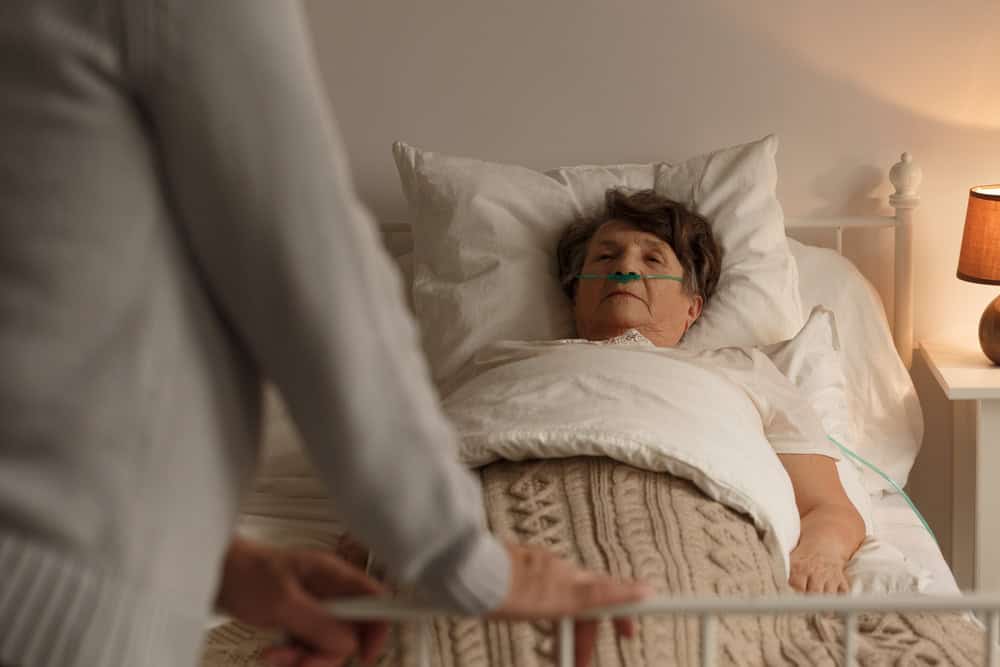
Early twentieth-century researchers infamously attempted to weigh dying patients to see if a departing soul carried any physical mass. While those flawed historical experiments reported a loss of 21 grams, modern science completely discounts those old-school conclusions.
Still, forensic teams note strange, unexplained shifts in how bodies interact with gravity immediately after vital signs cease. The immediate relaxation of all muscle groups changes the distribution of mass, making a deceased person feel remarkably heavy to lift.
This sudden physical transformation can feel almost supernatural to caregivers handling a loved one at home for the first time. It is a stark physical reminder of how profoundly the human body changes the moment life officially leaves the vessel.
The Biological Purpose of the End-of-Life Checklist

From a strict evolutionary standpoint, the process of dying should not require a complex, coordinated series of neurological events. Once an organism can no longer reproduce or gather resources, its immediate survival ceases to matter for the gene pool.
Yet our bodies possess highly organized pathways that govern our final exit with remarkable biological precision. This intricate internal programming raises the fascinating question of whether the end of life serves some larger, hidden ecological purpose.
Some theorists wonder whether this coordinated shutdown helped members of surrounding groups process grief and maintain social structure in ancient times. It leaves scientists wondering if our final biological act is actually a deeply cooperative gesture meant to assist those left behind.
Key Takeaway

Peering past the final biological threshold reveals that the end of life is not a simple, instantaneous drop into empty darkness, but a highly active and deeply mysterious neurological transition.
Rather than shutting down like a broken machine, the dying brain often unleashes a final wave of structured memory, heightened awareness, and complex genetic activity that challenges our traditional definitions of consciousness. Embracing these scientific discoveries allows us to view our final travel out of this life with less terror and more profound curiosity.
Disclaimer – This list is solely the author’s opinion based on research and publicly available information. It is not intended to be professional advice.
Like our content? Be sure to follow us