12 Unusual Things God Asked People to Do in the Bible
People often encounter ancient stories so unbelievable that they feel compelled to double-check their veracity. Today, instead of paper, more readers use digital screens to explore these accounts.
A 2025 report based on United Bible Societies data says 22.5 million printed Bibles were distributed worldwide in 2024. An even greater 25.9 million digital Bibles were given out that year.
For the first time, digital Bibles outnumbered printed copies. This dramatic shift highlights that interest in these unusual stories continues, as people now swipe rather than turn pages. Furthermore, reading on a screen makes it easier to search for and study these strange events.
Marching and Shouting to Defeat a City
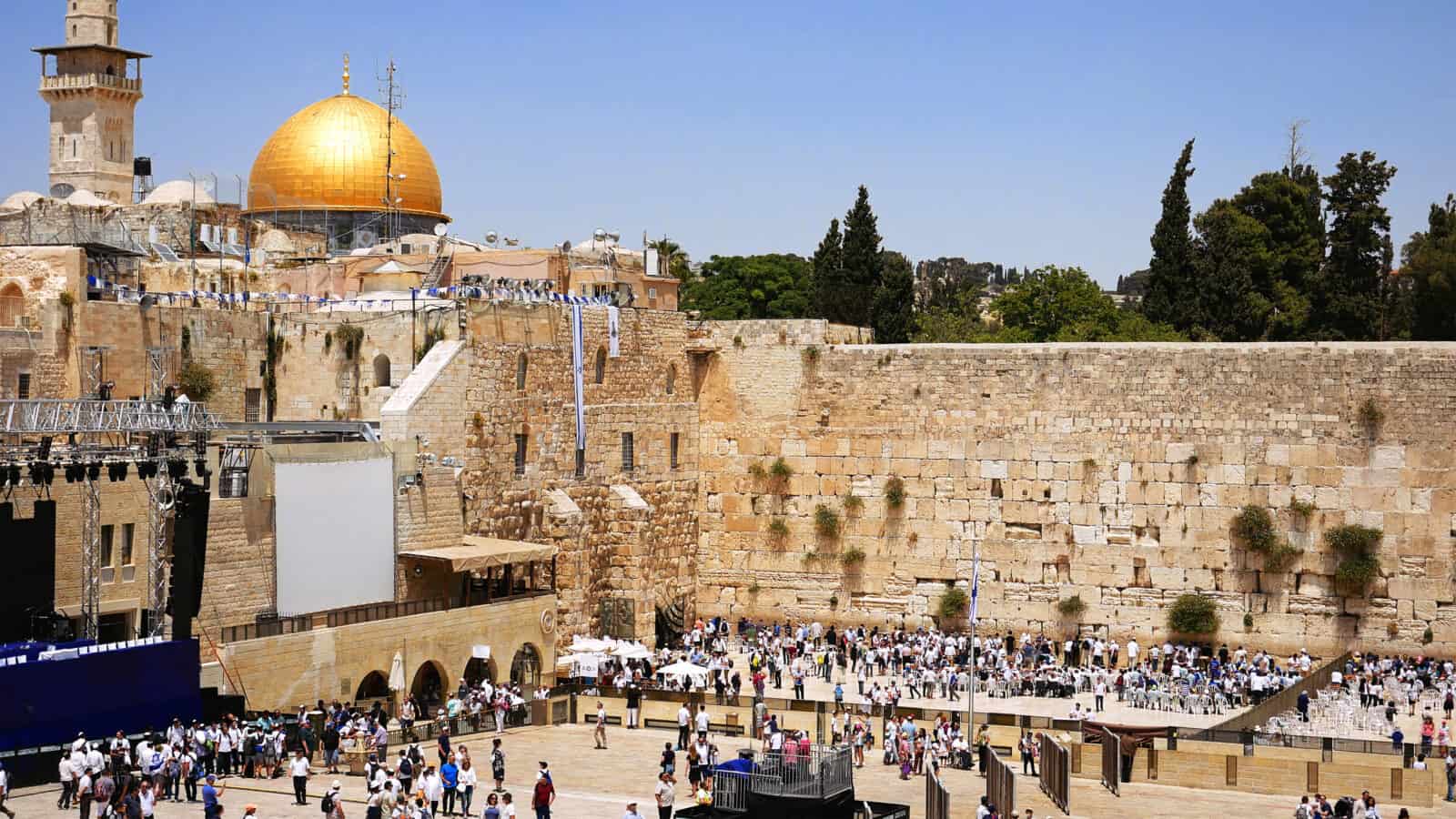
The first story directly connects to people’s fascination with ancient accounts. God told the army to walk around the strong city of Jericho once a day for a week. On the seventh day, they marched around the walls seven times and then shouted. The walls collapsed. This unusual plan showed that divine instructions can differ greatly from normal tactics.
A 2023 article on Tell es-Sultan from the Creation Museum claims that archaeologist John Garstang found evidence that Jericho’s mud-brick wall collapsed and slid down the slope, forming a ramp into the city.
The article says this matches the biblical account in Joshua 6. The commander had to trust that marching and shouting would work, illustrating the unique nature of these stories.
Cooking Bread Over an Open Flame

The prophet Ezekiel was told to make his bread using human waste as fuel for the fire. To illustrate how hard life would become during the siege and famine in Jerusalem, he obeyed this disturbing command.
According to a 2025 commentary on Ezekiel 4 from Enduring Word, God instructed him to bake a loaf from a mix of wheat, barley, beans, lentils, millet, and spelled, and to cook it over dung.
Food would become scarce and be carefully rationed during the siege, so both bread and water would be allotted in small amounts, as discussed on BibleHub.com. By demonstrating this, Ezekiel showed people the desperation that would accompany losing control of their food supply. The act forced everyone to confront a harsh future.
Catching a Fish with Tax Money

When a teacher needed to pay the temple tax, he told his main follower to go to the sea and cast a hook. He said the first fish caught would have a coin in its mouth. The coin would be enough to pay the tax for both of them.
A recent explainer from HumbleSkeptic says the coin in Matthew 17 was likely a Tyrian tetradrachm, the usual silver coin for the half-shekel temple tax. One tetradrachm covered the yearly tax for two men, as describes. This story mixes a simple civic duty with a precise miracle, showing faith does not replace daily responsibilities. Help can come in ordinary ways.
Walking Barefoot and Stripped for Years

God told the prophet Isaiah to take off his outer clothes and sandals. He then had to walk barefoot and naked for three years. This act was a warning about the coming captivity and shame that would fall on Egypt and Cush. Judah was tempted to trust these two nations.
A 2025 article by Roy Schwarcz, “Isaiah 20,” explains that Sargon II’s Assyrian army took over Ashdod around 711 BC. God used Isaiah’s shocking sign to warn Judah not to rely on Egypt and Cush. Isaiah’s embarrassment made the warning clear. Everyone saw him as he walked by. This task took humility and turned Isaiah into a living sign.
Building a Massive Wooden Ark Without Rain

God asked a man to build a huge wooden boat long before any sign of a flood. The job took years of hard work and careful planning. He followed a plan that nobody else believed in. This story is a famous example of following unusual instructions by faith.
He gathered animals and supplies for an impossible trip. Neighbors probably made fun of the builder, but he kept working and trusted the warning, even when the weather was clear. He did not let ridicule stop him from following every instruction. In the end, he built a strong boat that saved his family and many animals from disaster.
Marrying a Professional Prostitute
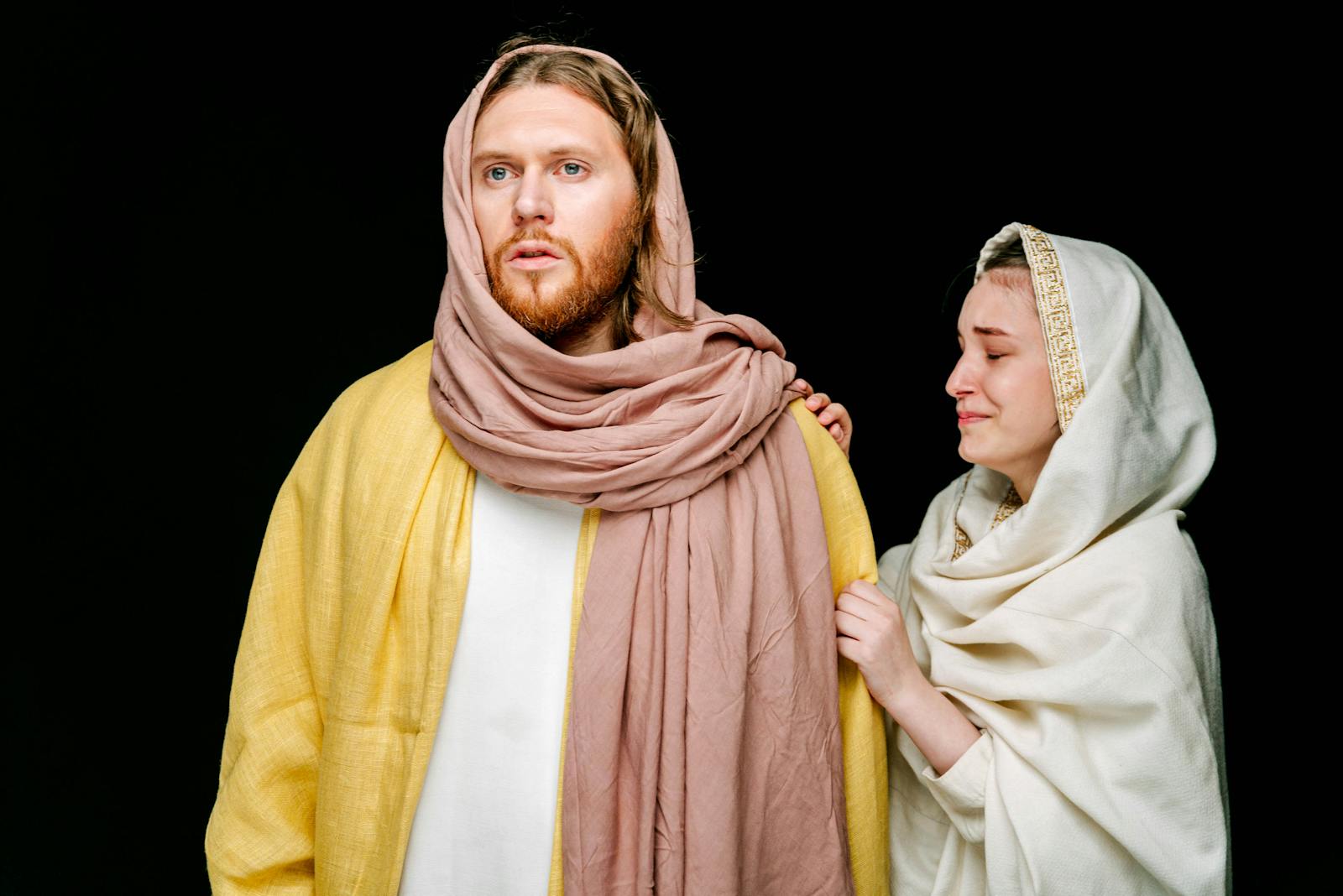
Told to marry a woman known for being unfaithful, the prophet Hosea started a family with her. Through this marriage, he acted out the broken relationship between a faithful creator and people who kept turning away. A 2023 essay at TheTorah describes how the book uses marriage as a metaphor, portraying Israel as an unfaithful spouse.
The essay also notes that Hosea’s prophecy moves from harsh threats to a final section about renewed love and kindness. Hosea’s home life thus became a lesson in betrayal, heartbreak, and forgiveness, making him experience what it was like to have love rejected again and again.
Lying on One Side for Hundreds of Days

Ezekiel had to lie on his left side for 390 days. This showed he was bearing Israel’s guilt. Then he turned to his right side for 40 more days, representing Judah. He did this in public, making it a sign everyone could see. A Crossway article titled “Did a Prophet Really Lie on His Side for More than a Year?” explains that God told Ezekiel to do so as a sign of the nation’s punishment.
Each day stood for a year of guilt and coming exile. The article says this was meant to be a public sign of long-standing sin and judgment. This task took a lot of physical and mental strength. Ezekiel’s body became a living countdown.
Shaving Off Hair and Dividing It

God told Ezekiel to take a sharp sword and shave his head and beard with it. He had to weigh the hair and divide it into parts. Ezekiel had to burn a portion in the city, strike another portion with the sword, and scatter the last part to the wind.
God explained that a portion of the people would die from disease and famine, another portion would die by the sword, and the rest would be scattered.
The weighed hair showed that judgment would be measured and not random. This strange act also meant Ezekiel had to ruin his appearance. This entire exercise served as a visible and sobering warning to the community about its immediate future.
Frustration on the Road to Rebellion
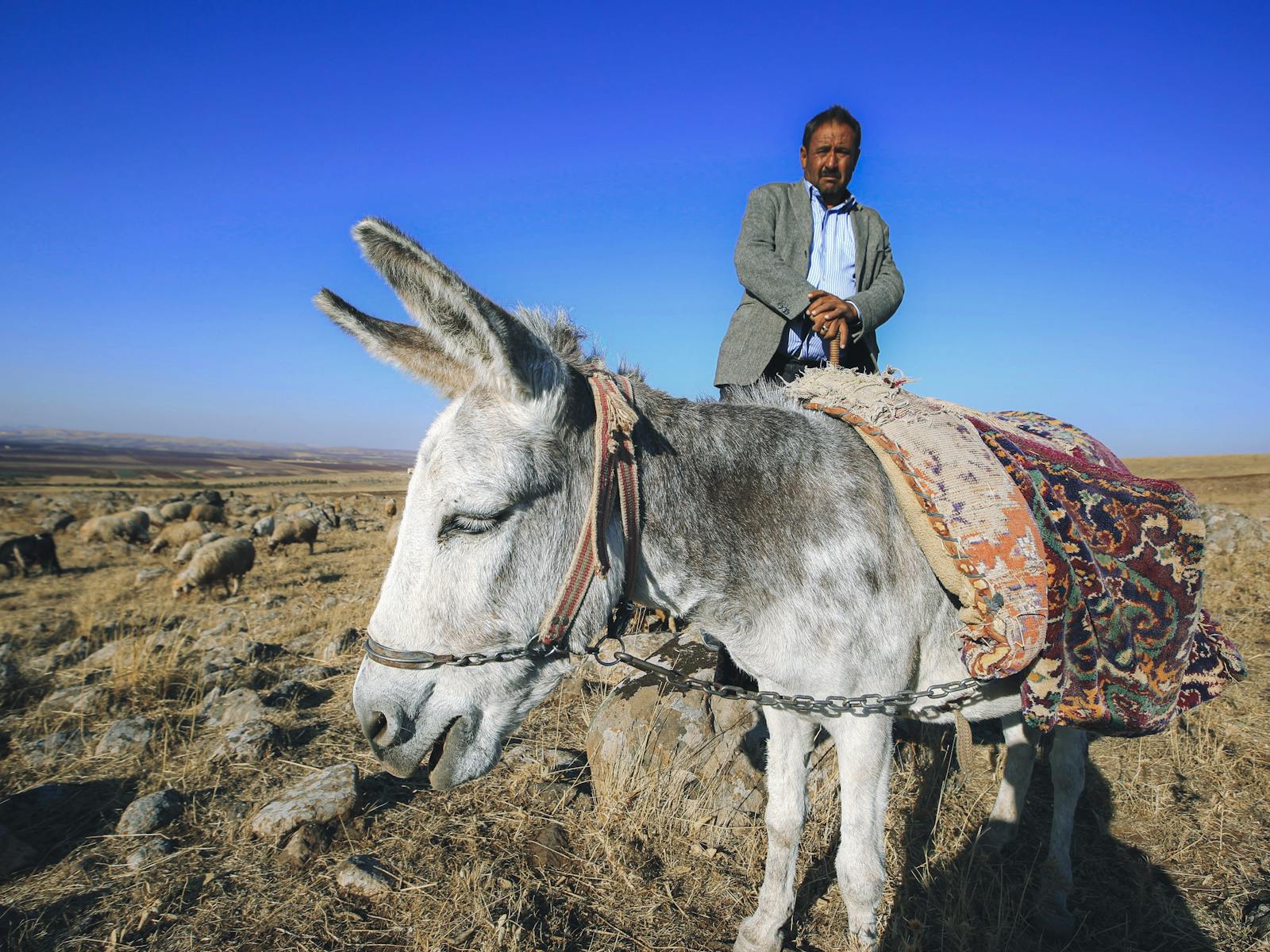
A stern, frustrated man was riding his donkey down a path he had been warned not to take. He grew increasingly angry and annoyed when his usually compliant animal suddenly refused to cooperate. Blinded by his own stubbornness, the man could not see the terrifying, invisible angel blocking the way ahead with a drawn sword.
The donkey, however, saw the danger clearly and stopped dead in its tracks to save them both. This clash of wills created a tense standoff as the rider’s intense frustration boiled over.
This strange story highlights how human pride and anger can keep us from seeing the real obstacles right in front of our faces. It forced a deeply annoyed man to stop and listen to reason from a very unexpected source when his own vision failed him.
Remaining Intentionally Single and Childless

The prophet Jeremiah was told not to marry or have children in Judah. This lonely life was a sign of the hard times coming for families in the land. The Jewish Encyclopedia article on Celibacy says that Judaism usually saw marriage and having children as religious duties. In Jeremiah 16:2, though, God tells Jeremiah he may not take a wife or have sons or daughters in this place.
This was a rare exception, linked to the coming judgment on Judah. Jeremiah’s obedience showed that normal family life would be disrupted. His single life was not his own choice, but a sign that the next generation would face suffering.
Trimming an Army Down to Just a Few Hundred
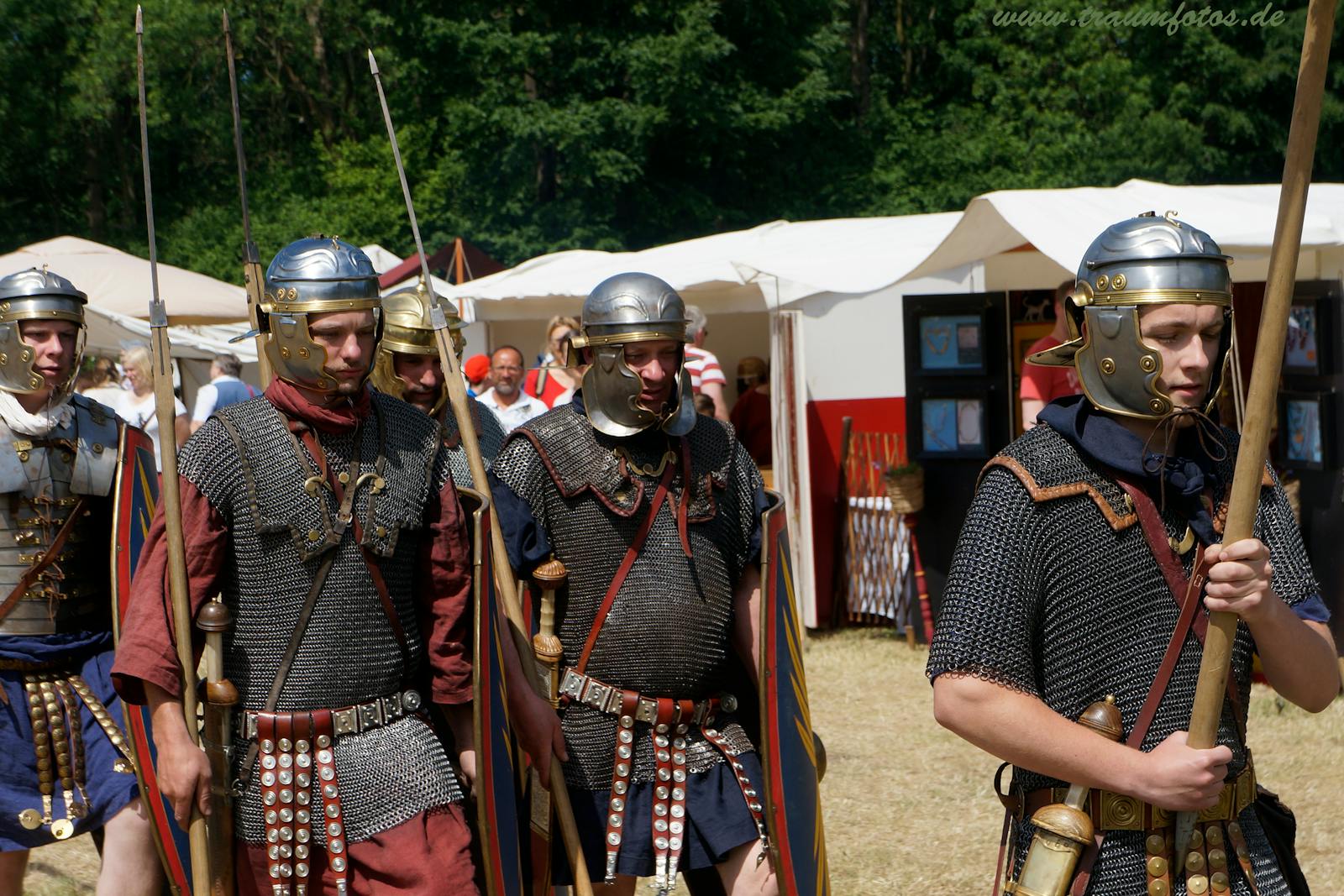
A military leader was ready to lead thousands of soldiers into battle against a large enemy force. But God told him to send most of the troops home. First, the fearful went home. The rest were then chosen based on how they drank from a stream. In the end, only three hundred men were left to face a much larger army.
The small group used trumpets, torches, and clay jars to confuse the enemy at night. This caused panic and made them turn on each other. To most people, this seemed like a bad plan that gave up every advantage. But it showed victory came from trusting the plan, not from numbers or clever tactics.
Dipping Seven Times in a Muddy River

A powerful foreign commander had a skin disease. He traveled far to seek healing from a prophet. Instead of a big ritual, the prophet sent a messenger. He was told to wash in the Jordan River seven times. The command hurt his pride because it seemed too simple for a serious problem.
Bathing in the muddy river felt beneath him. His servants convinced him to try. He was healed only after he followed the instructions exactly. Once he obeyed, his skin was restored. Humility brought help that money or power could not buy. Going into the river made him let go of pride to get the healing he needed.
Disclaimer – This list is solely the author’s opinion based on research and publicly available information. It is not intended to be professional advice.
Like our content? Be sure to follow us.