12 Words Boomers Still Say That Gen Z Has Rarely Heard Of
Baby boomers grew up with rotary phones, record players, and a very different media landscape, and their slang reflects that world. Linguists note that slang tends to “time stamp” a generation: the words you pick up as a teen often stick with you for life, even as younger people move on to TikTok‑driven lingo like “rizz” and “no cap.” Recent research also finds that Gen Z and boomers regularly misunderstand each other’s vocabulary, creating a real “language gap” between age groups.
If you’ve ever heard a boomer call something “groovy” or complain that a song is “a drag,” you’ve already seen this in action. These 12 words and phrases still roll off boomers’ tongues, but many Gen Zers have barely heard them, if at all.
Groovy

In the 1960s and ’70s, “groovy” was a go‑to compliment, meaning something like “excellent,” “cool,” or “vibey.” According to Word Smarts, it came from jazz and beatnik culture (being “in the groove”) and became a full‑blown pop‑culture catchphrase by the time boomers hit their teens.
Today, “groovy” mostly survives as a retro joke or in period TV shows. Gen Z is more likely to say “fire,” “slay,” or “bussin’” for the same feeling, and a 2025 slang timeline from Gen Z Slang List notes that many boomer terms simply aged out as internet slang accelerated.
Boob Tube

“Boob tube” was a joking, slightly snarky nickname for the television set, playing on “boob” as “dummy” and “tube” for the old cathode‑ray tubes inside TV screens. Boomers heard adults warn that too much time in front of the boob tube would “rot your brain,” long before smartphones took that blame.
Gen Z, raised on flat screens and streaming, rarely uses (or even recognizes) the phrase. Modern slang sites list “boob tube” as quintessential boomer talk, useful mostly if you’re trying to sound like a 1970s sitcom parent.
Square

Calling someone a “square” was a classic way to say they were boring, conventional, or painfully uncool, someone who followed all the rules and didn’t get the fun. Linguists tie it to earlier jazz and beatnik culture, where “square” contrasted with “hip.”
While Gen Z might use “basic,” “NPC,” or “lame” for a similar vibe, “square” itself has mostly fallen out of circulation. A Deseret News media piece on generational slang found that each generation has a few favorites for “uncool,” and “square” landed firmly in the boomer bucket.
Fink

To “fink” on someone means to snitch, and a “fink” is a tattletale or traitor. The word has older roots in labor disputes and criminal slang, but boomers helped keep it alive in schoolyards and teen dramas.
Gen Z rarely uses “fink,” reaching instead for words like “snitch,” “op,” or “rat.” Modern slang explainers list “fink” as one of those boomer terms that sound oddly cartoonish to younger ears, instantly dating whoever says it.
Threads
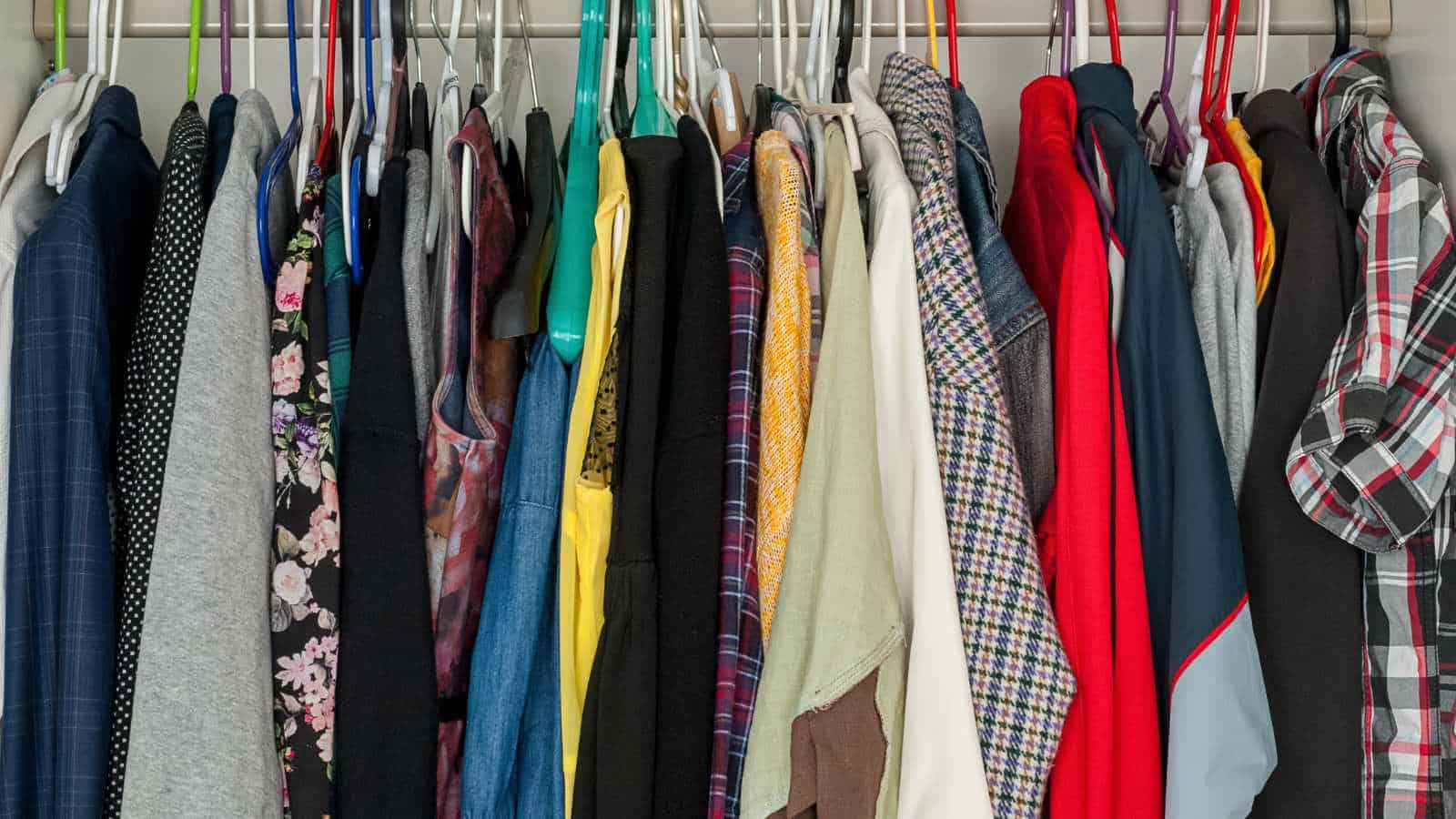
Parade writes that “threads” was, and still occasionally is, boomer slang for clothing, especially a cool outfit. Complimenting someone’s “threads” was the analog version of hyping their “fit.”
Gen Z does know “threads” as a social‑media platform name, which muddies the meaning. A 2025 article on slang evolution notes that boomer-style words like “threads” and “cool cat” feel slow and old‑school compared with Gen Z’s fashion slang pace.
Bummer

“Bummer” is one of the few boomer words that’s still hanging on, but its roots are firmly in 1960s and 1970s youth culture. It conveys mild disappointment or sympathy, such as “tough break.”
A survey on how slang connects generations found that “bummer” is a favorite among boomers and still moderately popular with Gen X, but much less common with Gen Z, who prefer “rip,” “L,” or “that’s rough.” Many younger people understand it, but they rarely use it unironically.
Wig Out

To “wig out” means to lose your composure or freak out, often in a dramatic or over‑the‑top way. The phrase likely comes from the idea of someone’s wig flying off when they lose control, a cartoonish but memorable image.
Gen Z has adopted phrases such as “having a meltdown” or “spiraling,” and researchers note that slang for emotional states evolves quickly with each generation. For most younger speakers, “wig” by itself has a different, stan‑culture meaning, another sign of how fast language shifts.
Zonked (or Zonked Out)

Boomers use “zonked” or “zonked out” for being completely exhausted, or sometimes heavily sedated by alcohol or other substances. It captures that feeling of being totally done for the day.
While some Gen Z speakers may have heard it from older relatives, they’re more likely to say “I’m dead,” “I’m wiped,” or “I’m cooked.” A 2024 radio feature encouraging Gen Z to “connect with elders” actually highlighted “zonked out” as a specific boomer term young people don’t typically use.
Moo Juice

According to Beelinguaapp, “moo juice” is playful boomer slang for milk, especially when talking to kids. It’s rooted in simple wordplay (cows moo, cows make milk), and you’ll still catch some older grandparents saying it at the breakfast table.
Gen Z, raised on more literal and less cutesy food talk, almost never uses this phrase. Modern slang roundups file “moo juice” under “so retro it’s charming,” but most younger readers encounter it there for the first time.
The Fuzz

“The fuzz” is a casual, slightly irreverent slang term for the police. Its exact origin is debated, but it became common in the 1960s counterculture and in crime shows, where authorities were often portrayed as the establishment to oppose.
Gen Z has its own terms for law enforcement, and is much more likely to say “the cops,” “12,” or specific local slang. For many younger speakers, “the fuzz” sounds like something you’d only hear in an old movie or ironic meme.
Far‑Out

“Far‑out” was boomer‑era slang for something impressive, surprising, or mind‑bending, especially in the context of music, art, or counterculture. It carried both “cool” and “trippy” energy, and you hear it all over psychedelic‑era pop culture.
Today, “far‑out” is almost entirely retro flavor. Linguists note that boomer slang often reflected that generation’s experimentation and rebellion, whereas memes and digital culture heavily shape Gen Z slang. That makes “far‑out” feel not just old, but tied to a very specific historical moment.
Cool Cat

A “cool cat” was someone stylish, laid‑back, and admired, originally rooted in jazz culture, then adopted by boomers. It was a friendly compliment, often aimed at musicians, trendsetters, or anyone with an easygoing vibe.
While calling someone a “cat” at all has basically vanished in younger speech, the structure survives in Gen Z’s “that’s my goat” or “he’s him.” Slang‑history sites list “cool cat” as one of the most archetypal boomer phrases that instantly dates a speaker to a pre-Internet era.
The Skinny

Getting “the skinny” on something means getting the real story or inside information. Some etymologists trace it to shorthand for “the skinny truth, the stripped‑down, no‑nonsense version.
Gen Z is more likely to say “spill the tea,” “low‑down,” or “what’s the lore?” instead. A 2025 generational slang guide notes that while younger people might understand “the skinny” in context, it’s almost never their first choice, making it another boomerism that quietly signals age.
Language changes fast, and no generation owns “correct” English, but the words we hang onto say a lot about the world we came from. Boomers’ “groovy” and “fuzz” may sound as alien to Gen Z as “no cap” and “it’s giving” do to retirees, yet linguists point out that this constant turnover is exactly how slang keeps culture fresh and expressive across the decades.
Disclosure line: This article was developed with the assistance of AI and was subsequently reviewed, revised, and approved by our editorial team.
20 Odd American Traditions That Confuse the Rest of the World
20 Odd American Traditions That Confuse the Rest of the World
It’s no surprise that cultures worldwide have their own unique customs and traditions, but some of America’s most beloved habits can seem downright strange to outsiders.
Many American traditions may seem odd or even bizarre to people from other countries. Here are twenty of the strangest American traditions that confuse the rest of the world.
20 of the Worst American Tourist Attractions, Ranked in Order

20 of the Worst American Tourist Attractions, Ranked in Order
If you’ve found yourself here, it’s likely because you’re on a noble quest for the worst of the worst—the crème de la crème of the most underwhelming and downright disappointing tourist traps America offers. Maybe you’re looking to avoid common pitfalls, or perhaps just a connoisseur of the hilariously bad.
Whatever the reason, here is a list that’s sure to entertain, if not educate. Hold onto the hats and explore the ranking, in sequential order, of the 20 worst American tourist attractions.