13 Classic Dinners We All Stopped Making But Definitely Shouldn’t Have
Let’s be honest: we got a little too fancy for our own good. Somewhere between the rise of avocado toast and the obsession with deconstructed everything, we abandoned the culinary workhorses that built America. We traded hearty, stick-to-your-ribs comfort for aesthetic bowls that leave you hungry an hour later. But with grocery prices for “food away from home” rising 4.1% in 2024, compared to just 1.2% for home cooking(Bureau of Labor Statistics), your wallet practically begs you to reconsider the classics.
It’s not just about saving cash, though; it’s about “Newstalgia.” Industry experts note that 2025 is the year of blending comfort with modern twists, satisfying our deep craving for connection in a digital world. We need food that feels like a hug, not a science experiment. So, grab your skillet and leave your pretension at the door—here are 13 vintage dinners ready for a modern comeback.
Chicken à la King
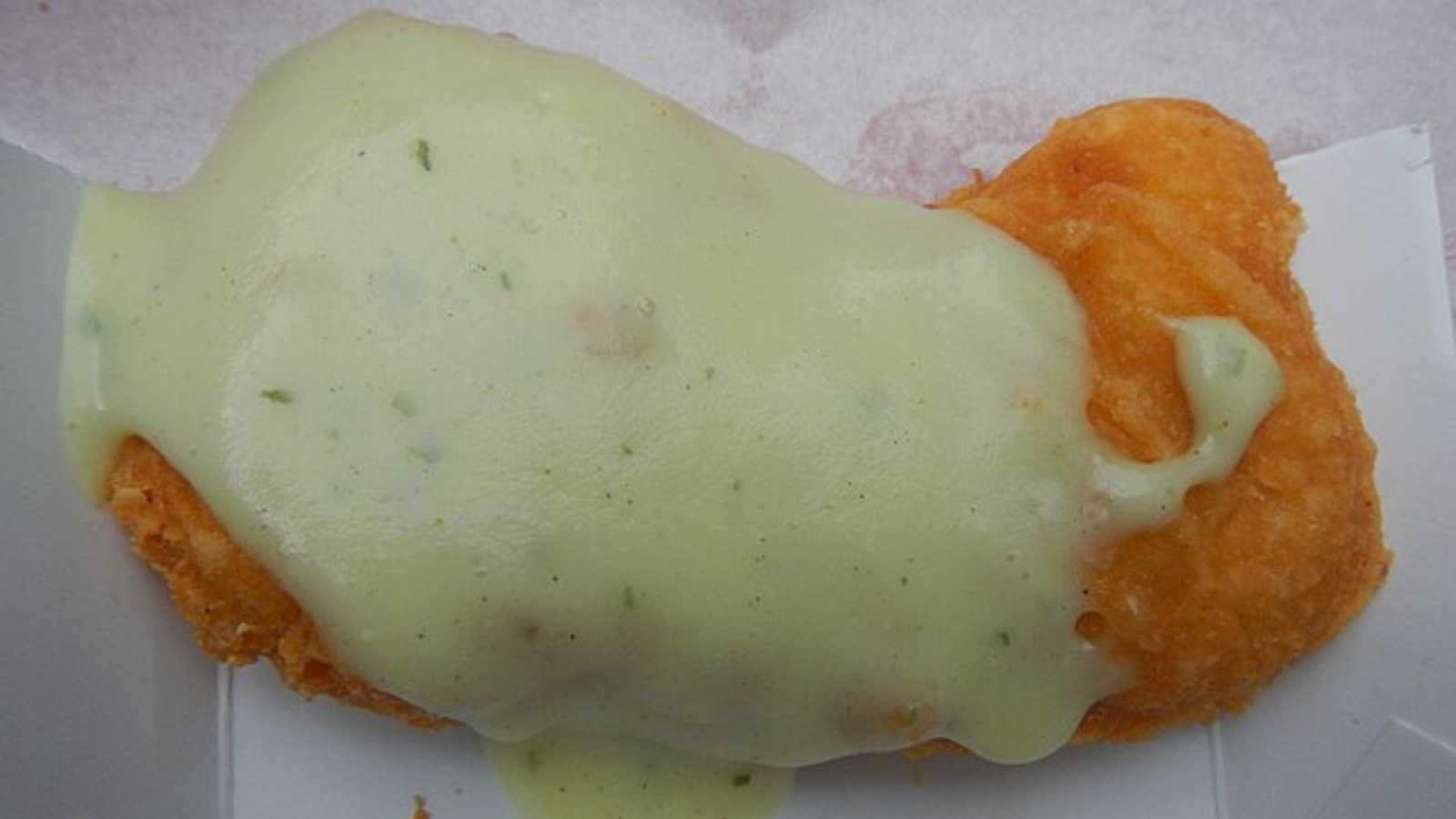
We stopped making it because it became “glop.” Initially a high-society dish served at swanky joints like Delmonico’s in the late 1800s, this fell from grace when home cooks started swapping the rich velouté sauce for gelatinous canned cream of mushroom soup. The result? A salty, neon-yellow mess that ruined the reputation of a royal dish.
Bring it back for the ultimate leftover hack. Ditch the can and make a simple roux with butter, flour, and stock. Add fresh peppers, real sherry, and that leftover rotisserie chicken sitting in your fridge. It transforms dry leftovers into a luxurious, silky dinner that costs pennies compared to takeout. As the food writer Calvin Trillin once joked, the government must be hiding the surplus of this dish in salt caves, but you should definitely liberate it for your Tuesday night rotation.
Salisbury Steak
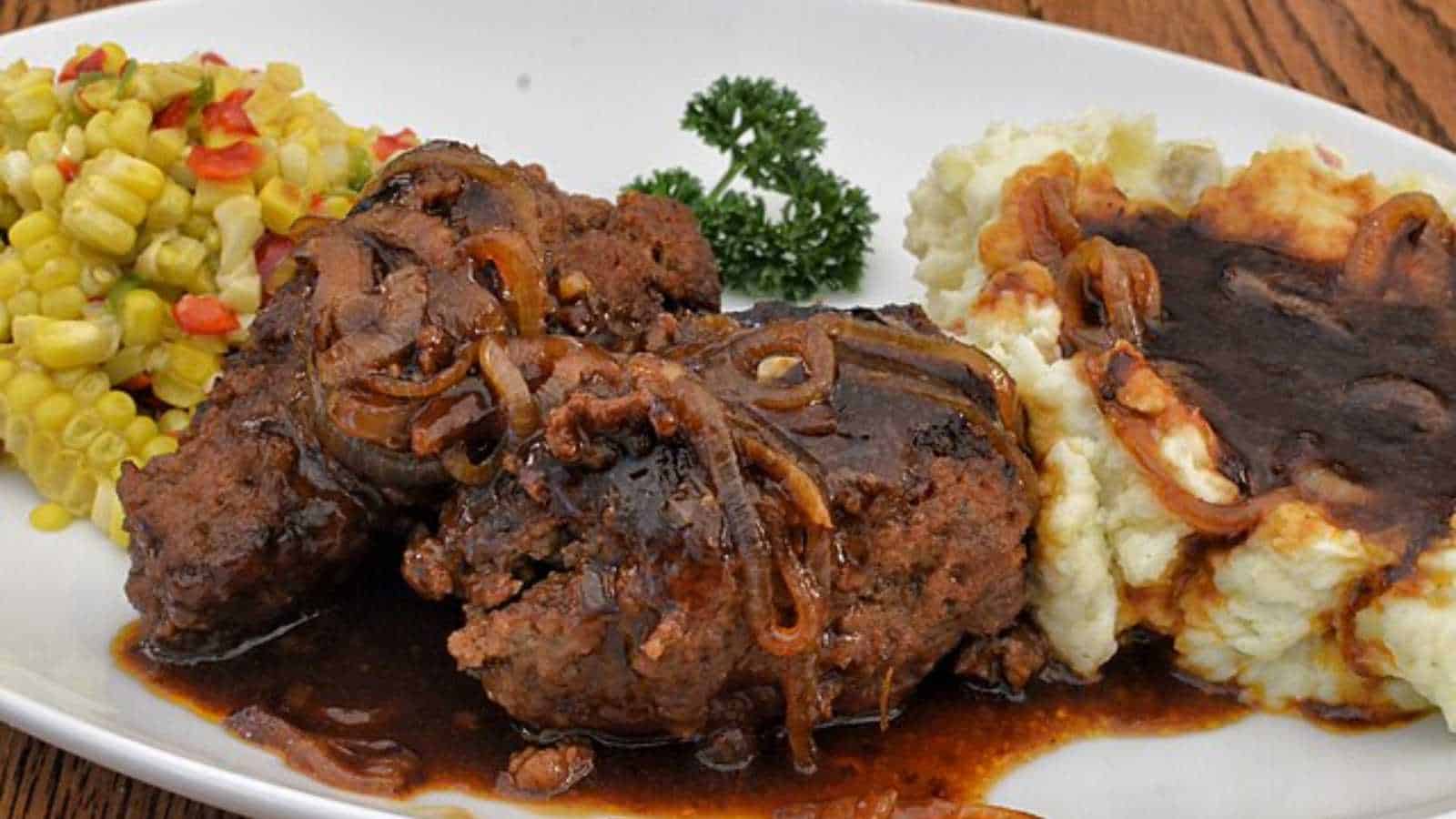
The TV dinner ruined this icon. You probably associate this with an aluminum tray and a brownie that tastes like onions. But Dr. James Salisbury actually invented this dish during the Civil War as a health food to combat dysentery among soldiers, believing chopped beef was easier to digest than whole cuts.
It’s the steakhouse dinner you can actually afford. With beef prices skyrocketing, this ground beef “steak” extends your protein budget significantly. Pro tip: Don’t treat it like a burger. Mix breadcrumbs and onions directly into the meat to create a tender texture, not a chewy one. Serve it with a mushroom gravy made from scratch, and you have a meal that hits the same satisfaction receptors as a ribeye for a fraction of the cost.
Chicken Kiev
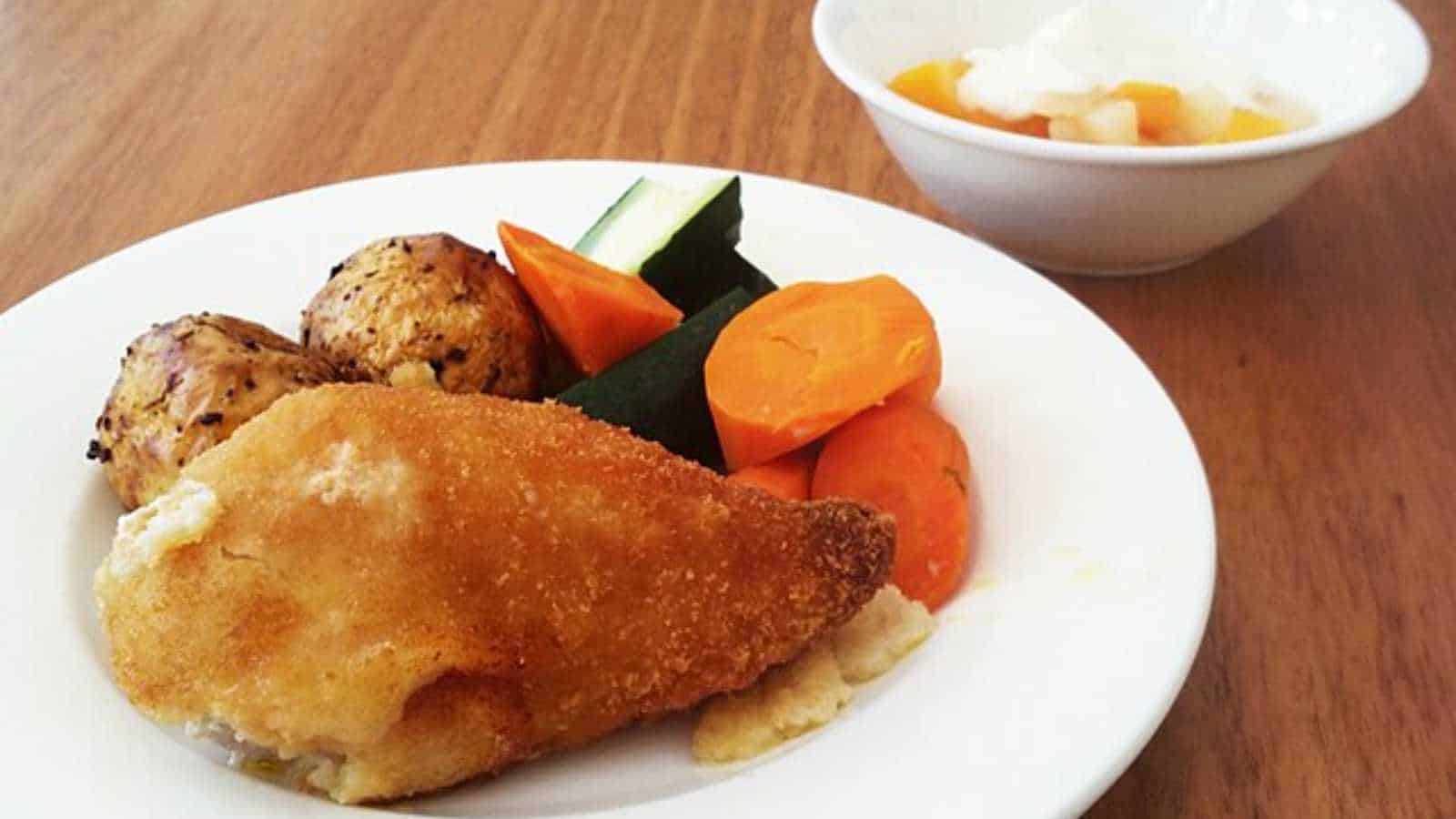
We feared the butter explosion. For decades, home cooks were terrified of the “Kiev squirt”—that moment when you cut into the chicken and hot garlic butter shoots across the table onto your favorite shirt. It felt like a culinary landmine, so we surrendered to the frozen-food aisle’s rubbery offerings.
The air fryer changes everything. This appliance seals the breading faster than a traditional oven, keeping that golden liquid gold safely inside the chicken breast. Want to guarantee safety? Poke two small holes in the raw chicken to let steam escape so pressure doesn’t build up. You get the crunch, the garlic punch, and the satisfaction of a “molten” center without the dry cleaning bill.
Tuna Noodle Casserole
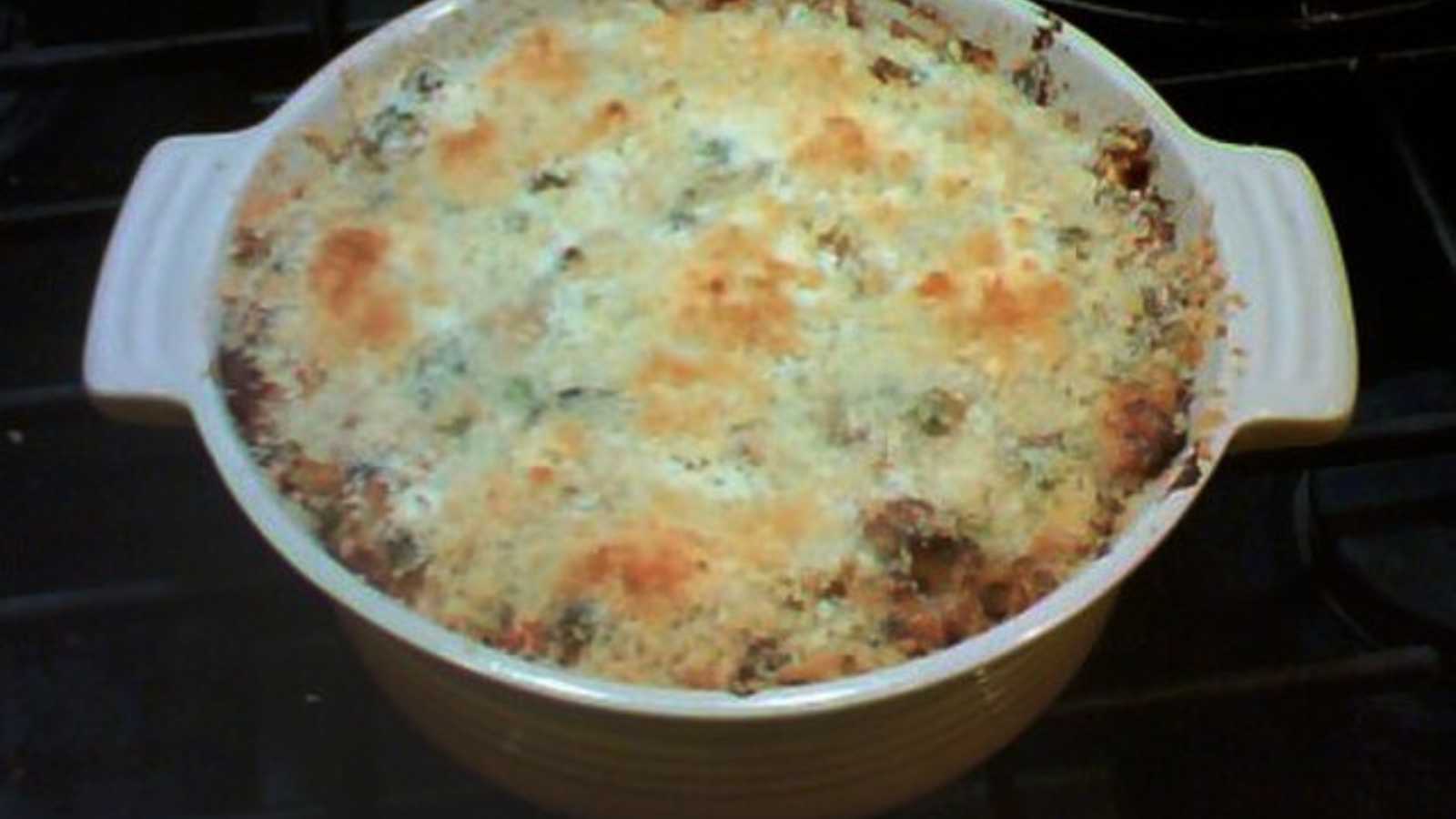
We got snobby about “hot tuna.” In the era of sushi and poke bowls, the idea of baking canned tuna felt like a crime against seafood. Plus, the overuse of crushed potato chips as a topping felt too dorm room for modern palates.
It is the king of the pantry. Elevate this by using oil-packed tuna or even fresh tuna steaks if you’re feeling bougie. Swap the condensed soup for a quick homemade béchamel, then add fresh dill and peas. It’s an umami bomb that feeds a family of four for under $10, which, in this economy, is basically a miracle.
Swiss Steak
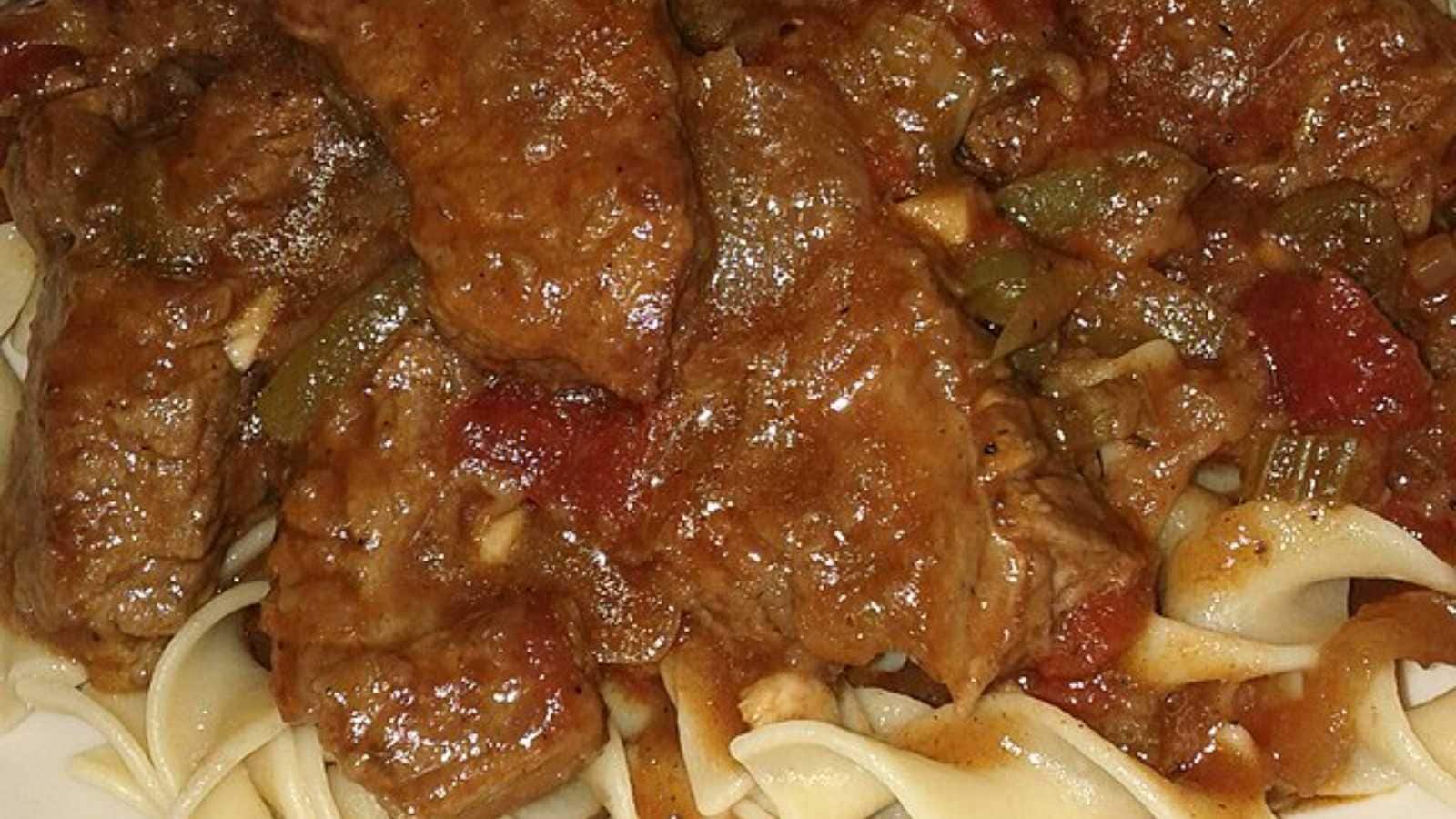
It tasted like shoe leather. This dish uses round steak, a notoriously tricky cut that requires long, slow braising to break down. If you rushed it in the 1970s, you served your family rubber tires in tomato sauce.
The Instant Pot was born for this. “Swissing” actually refers to pounding the meat to tenderize it, not the country of Switzerland. Modern pressure cookers turn this tough, cheap cut into fork-tender bliss in under an hour. The acid from the tomatoes breaks down the connective tissue, giving you a pot roast-style comfort meal on a weeknight schedule.
Stuffed Cabbage Rolls (Golubtsi)

Who has time to blanch a whole head of cabbage? Peeling hot, slippery cabbage leaves and rolling them one by one is a labor of love that most of us don’t have time for after a 9-to-5.
The “unstuffed” hack saves the day. Chop the cabbage, brown the beef and rice in a skillet, and bake it all together in a casserole dish. You get all the flavor—the sweet and sour tomato sauce, the savory meat, the tender veg—with zero rolling. Want to cut carbs? Swap white rice for cauliflower rice; the bold sauce masks the veggie flavor perfectly.
Creamed Chipped Beef (S.O.S.)
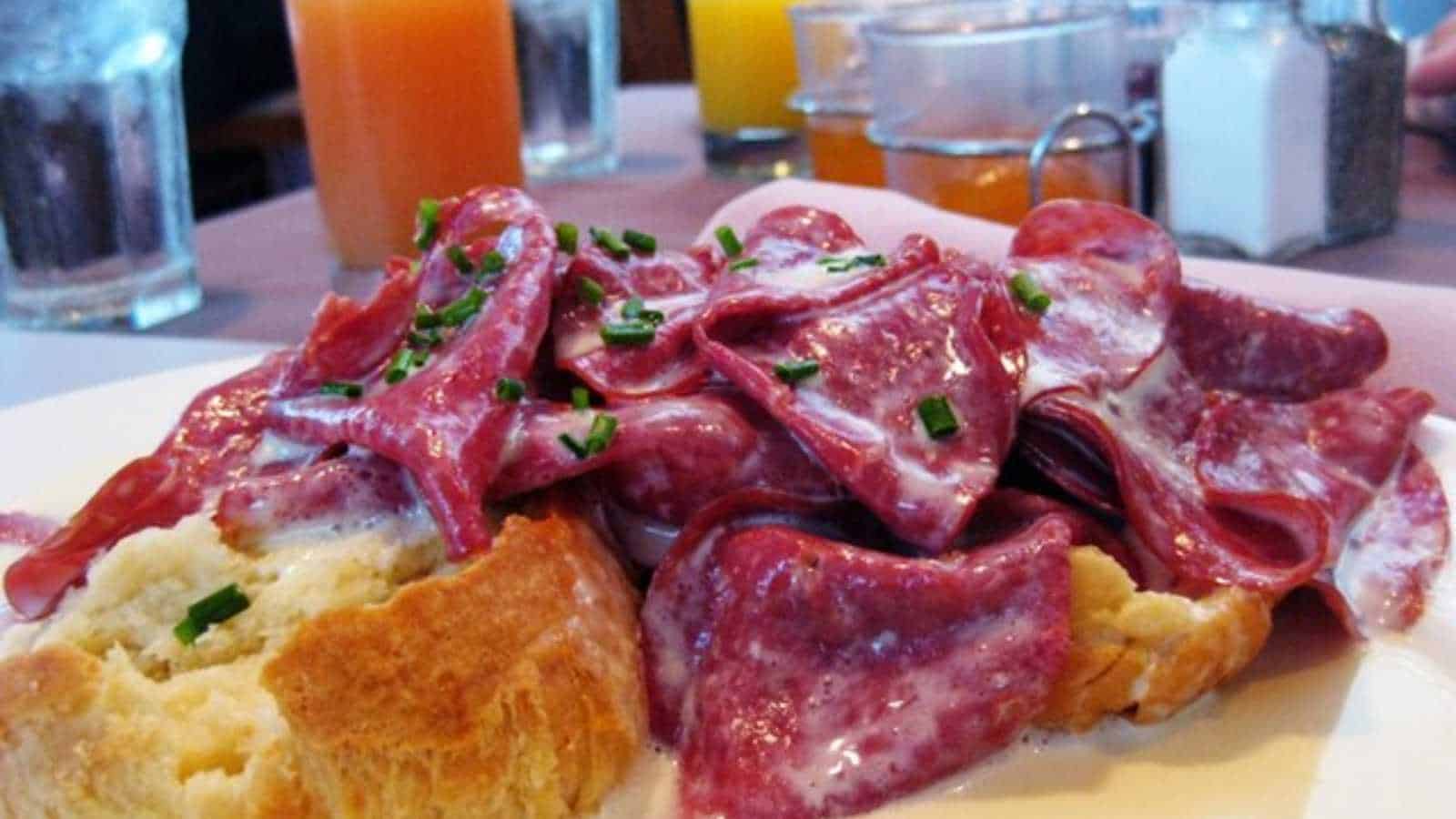
The nickname didn’t help. Soldiers in WWII affectionately (and crudely) dubbed this “Sh*t on a Shingle” due to its unappealing texture and extreme saltiness. It became the punchline of military food jokes and vanished from polite dinner tables.
It’s the ultimate survivalist breakfast. In an era of “prepping” and supply chain anxiety, a jar of dried beef is a pantry hero. The secret? Soak the meat in hot water for 10 minutes before cooking to leech out the excess salt. Serve it over thick Texas toast with plenty of black pepper, and you’ll understand why veterans still crave it despite the name.
Salmon Loaf
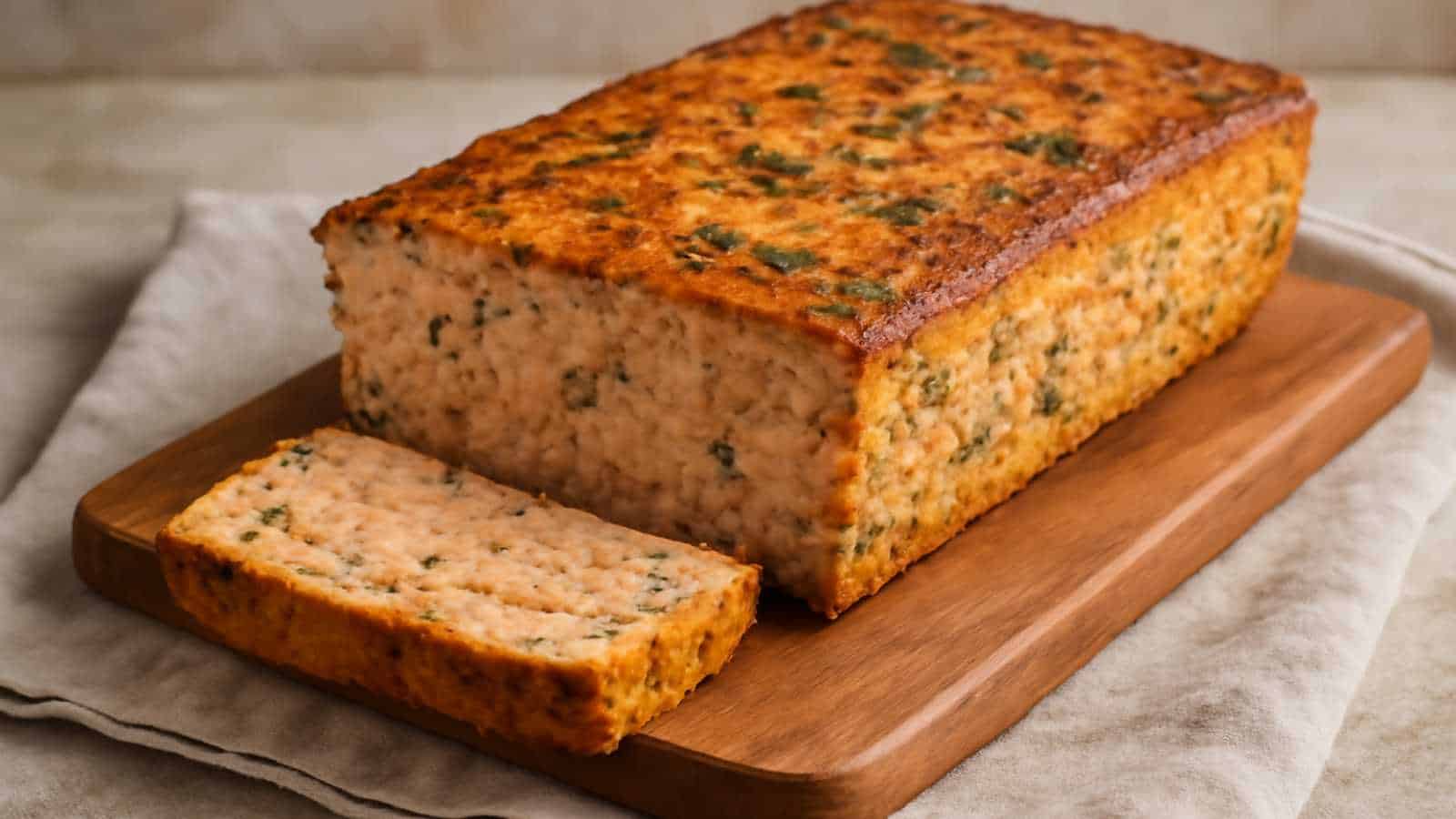
The bones were a dealbreaker. Traditional recipes used canned salmon that included skin and vertebrae. While edible and calcium-rich, crunching into a fish spine is a texture nightmare for modern eaters.
Fresh salmon makes it a giant crab cake. Use pouches of boneless salmon or fresh fillets to avoid the “crunch.” Mix in lemon zest, fresh dill, and capers, and suddenly you have a sophisticated loaf that rivals any seafood restaurant. It’s a powerhouse of Omega-3s that helps you dodge the “what’s for dinner?” panic.
Chicken Divan
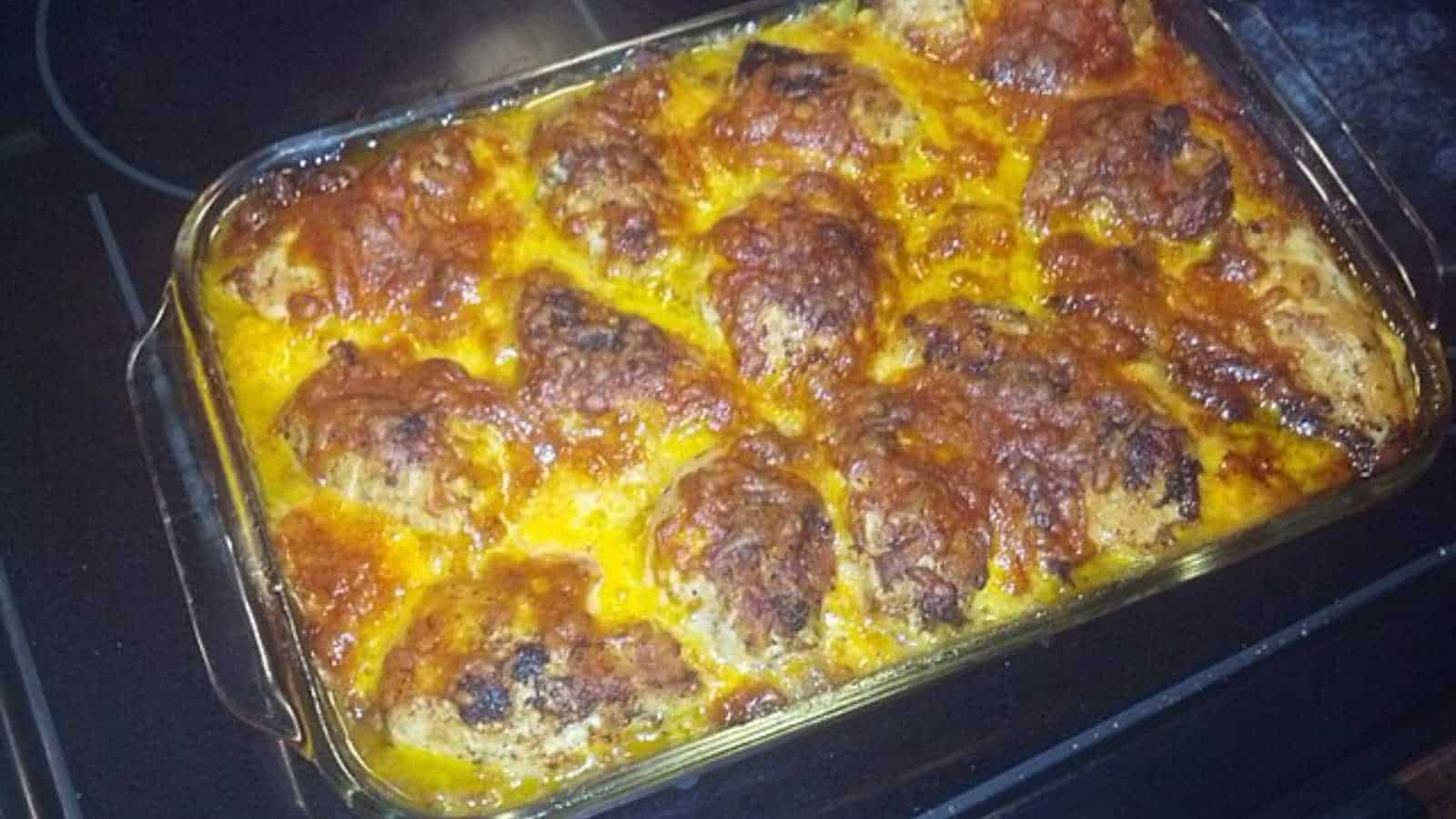
Mayo and curry powder sounded insane. This dish originated at the Divan Parisien in New York, but by the 1970s, it had devolved into a mix of mayonnaise, condensed soup, and curry powder. The idea of hot mayonnaise creates a visceral “ick” reaction for many Millennials.
Swap the mayo for Greek Yogurt. You keep the tangy creaminess, gain a massive protein boost, and cut the fat. The broccoli adds necessary crunch and nutrients, and the curry powder actually provides a complex, savory depth that wakes up boring chicken breasts. It’s weirdly addictive—try it once, and you’ll get it.
Chicken Tetrazzini
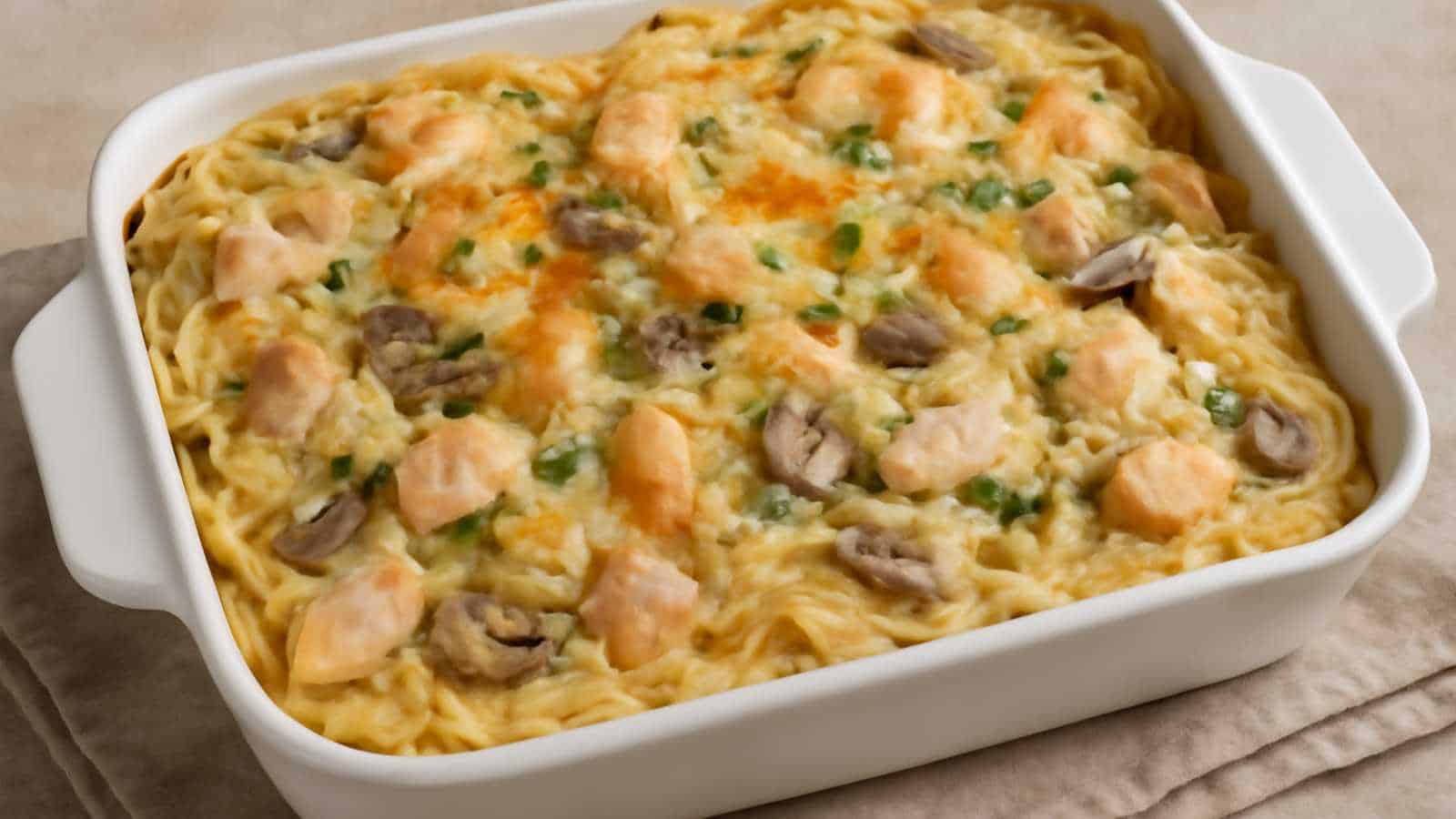
We forgot it was American. Named after opera star Luisa Tetrazzini, this spaghetti casserole got lost in the shuffle when we all became obsessed with “authentic” Italian pasta. We looked down on it as a fake, heavy mess.
It is the turkey leftover MVP. Stop making sandwiches after Thanksgiving and make this instead. Use whole wheat spaghetti and a splash of sherry to cut the richness. It’s cozy, creamy, and feeds a crowd. Chefs are leaning back into “brown food” comfort, so you’re actually on trend by serving a bubbling pasta bake.
Porcupine Meatballs
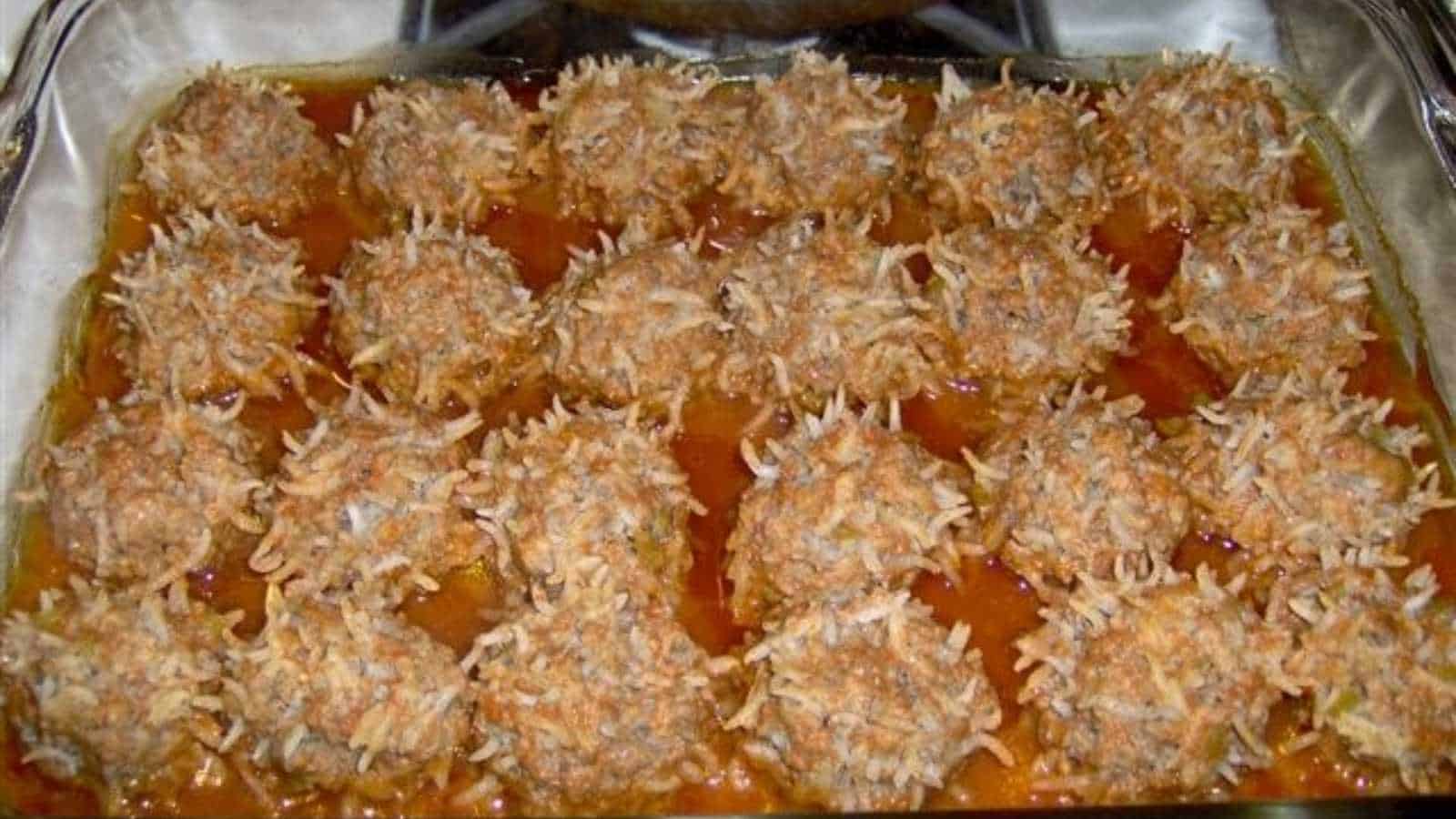
The name confused the kids. No, it’s not made of porcupines. It’s ground beef mixed with uncooked rice that pokes out like quills when simmered. We stopped making them because if you mess up the liquid ratio, you end up with crunchy, undercooked rice inside your meat.
Rice is the ultimate inflation buster. Mixing rice into the meat stretches one pound of beef to feed six people. Modern recipes suggest par-cooking the rice or using precise tomato sauce measurements to ensure tenderness every time. The rice absorbs the savory meat juices, making these the juiciest meatballs you will ever eat.
Steak Diane
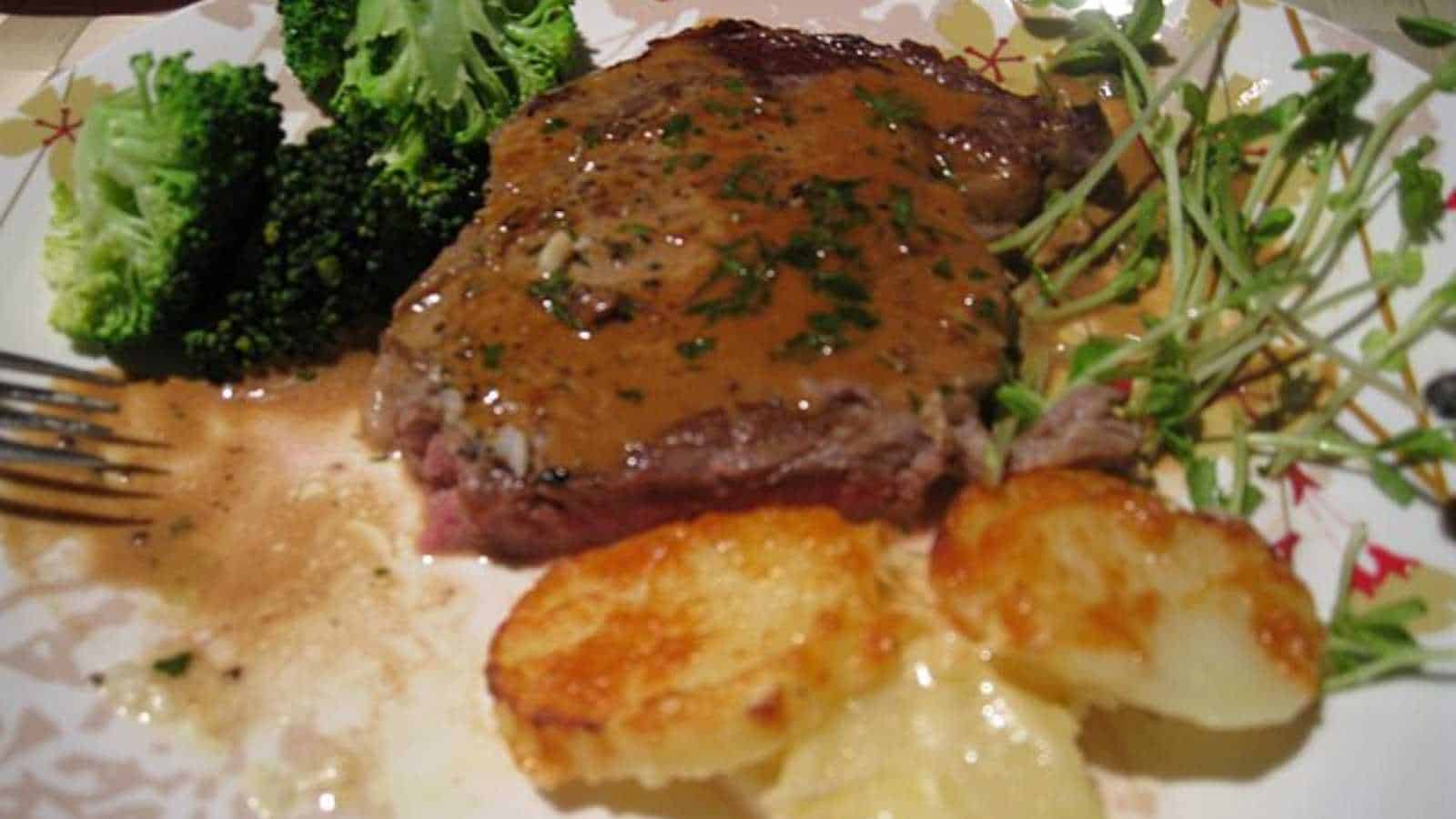
We stopped doing tableside theatre. This was the “it” dish of the mid-century, cooked tableside by tuxedoed waiters who flambéed cognac in the pan. As restaurants moved away from tableside service to turn tables faster, Steak Diane faded into obscurity.
Bring the fire back to date night. You can make this in 15 minutes. Seared steak, mushrooms, cream, Dijon, and a splash of brandy come together to create a sauce that tastes like it took hours to make. Flambéing at home is a power move (watch your eyebrows). It brings the “restaurant experience” to your dining room, which is precisely what we want in 2025.
Fondue
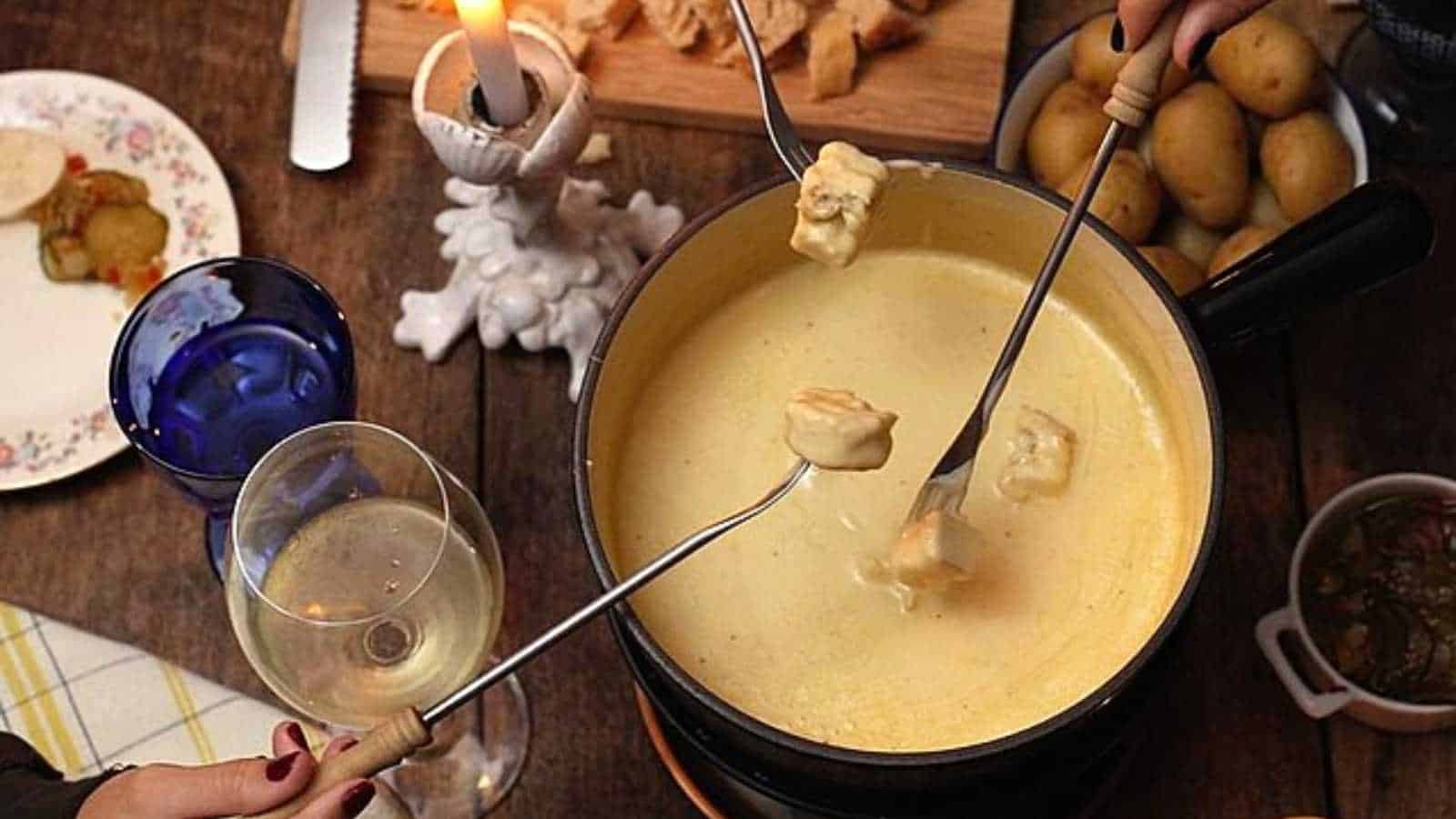
Germ theory killed the party. The communal pot became a symbol of biohazard during the hygiene-obsessed years. The fear of the “double dip” turned fondue into a forbidden relic.
We are starving for connection. In 2025, the “dinner party” is back, and fondue is the ultimate social lubricant. You can’t doom-scroll on your phone while managing a fondue fork. It forces eye contact and conversation. Worried about germs? Give everyone their own ramekin of cheese. Problem solved.
Key Takeaway

We didn’t stop making these dishes because they tasted bad; we stopped because we got distracted by the new, the fast, and the “authentic.” But look at the facts: we are tired, groceries are expensive, and we miss eating together. These classic dinners are efficient, affordable, and deeply comforting.
So, invite some friends over, buy the ground beef, and don’t be afraid of a bit of casserole action. Your grandmother knew what she was doing.
Disclosure: This article was developed with the assistance of AI and was subsequently reviewed, revised, and approved by our editorial team.
20 Odd American Traditions That Confuse the Rest of the World
20 Odd American Traditions That Confuse the Rest of the World
It’s no surprise that cultures worldwide have their own unique customs and traditions, but some of America’s most beloved habits can seem downright strange to outsiders.
Many American traditions may seem odd or even bizarre to people from other countries. Here are twenty of the strangest American traditions that confuse the rest of the world.