13 disgusting habits from the Old West that were actually considered normal
You might wish you lived in the Wild West, but you definitely wouldn’t want to smell it.
I love a good western movie as much as the next guy, but let’s be real—the hygiene situation back then was a total nightmare. In my opinion, we view history through rose-colored glasses, forgetting the grime, the grit, and the germs that defined daily life on the frontier. The truth involves a lot less glamour and a lot more bodily fluids than Hollywood cares to admit.
Let’s strip away the myth and look at the gritty reality. We aren’t just talking about a bit of dust on the trail; we are talking about hygiene habits that would send a modern health inspector into a coma. From sharing toothbrushes with strangers to using barnyard waste as medicine, the pioneers had a completely different definition of “clean.” Ready to have your stomach turned?
The communal toothbrush at stagecoach stations

Imagine walking into a restaurant, finishing your meal, and then grabbing a toothbrush hanging on the wall—the same one every other customer used that day. Disgusting, right? Well, in the Old West, stagecoach stations and eating houses frequently provided a “community toothbrush” for patrons. Arizona historian Marshall Trimble notes that these public brushes hung in common areas, available to anyone who felt the urge to scrub their choppers.
I can’t even share a drink with my own brother without wiping the rim, so the thought of sharing bristles with a tobacco-chewing stranger makes me gag. While an American entrepreneur patented the toothbrush in 1857, mass production didn’t kick in until 1885, making personal brushes a luxury for the wealthy. Most folks just shared the love—and the gingivitis.
The salon stick towel

If you think the bathroom hand dryer is germy, wait until you hear about the “stick towel.” Bartenders in the Old West hung a single towel at the front of the bar for patrons to wipe beer foam from their mustaches and beards. Men would use this rag day after day, week after week, without anyone washing it.
Eventually, the towel accumulated so much dried beer, tobacco juice, dirt, and saliva that it could literally stand up on its own—hence the nickname. This stiff, crusty rag became a prime vector for the spread of respiratory infections and skin diseases. I’d rather wipe my face with a cactus, hones
Sawdust floors to catch the spit
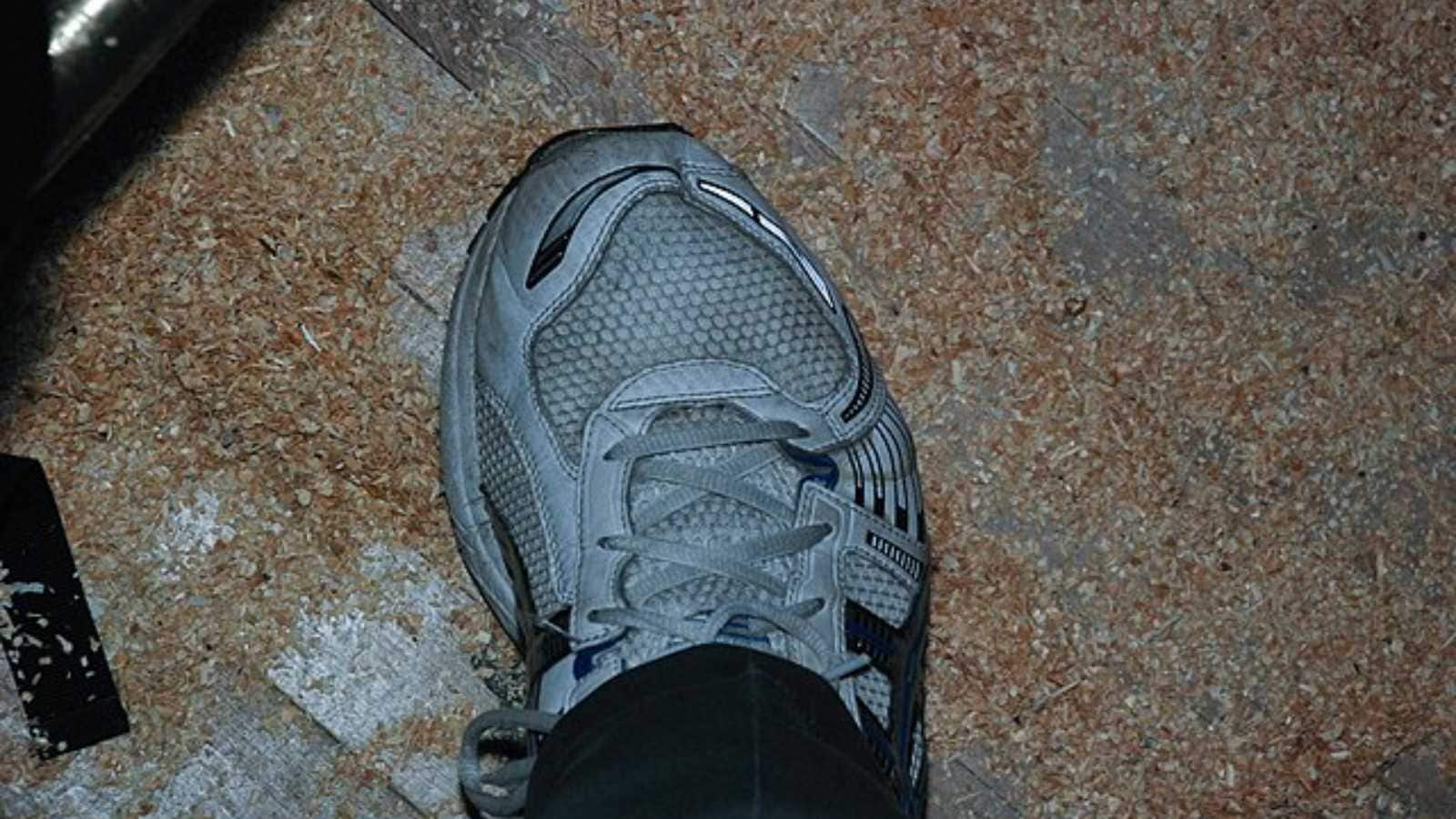
Ever wonder why old-timey saloons always had sawdust on the floor? It wasn’t just for aesthetic rustic vibes. Saloon owners spread sawdust to absorb the rivers of spit, tobacco juice, spilled beer, and occasional blood that patrons deposited on the floorboards. Men chewed tobacco incessantly and often missed the spittoon (if they even aimed for it), turning the floor into a biohazard zone.
This habit contributed significantly to the spread of tuberculosis, the “Captain of All These Men of Death,” which was the leading cause of death in the US during the 19th century. When people walked on the dried, spit-soaked sawdust, they kicked bacteria into the air for everyone to inhale. Talk about a toxic night out!
The slop bucket for washing glasses
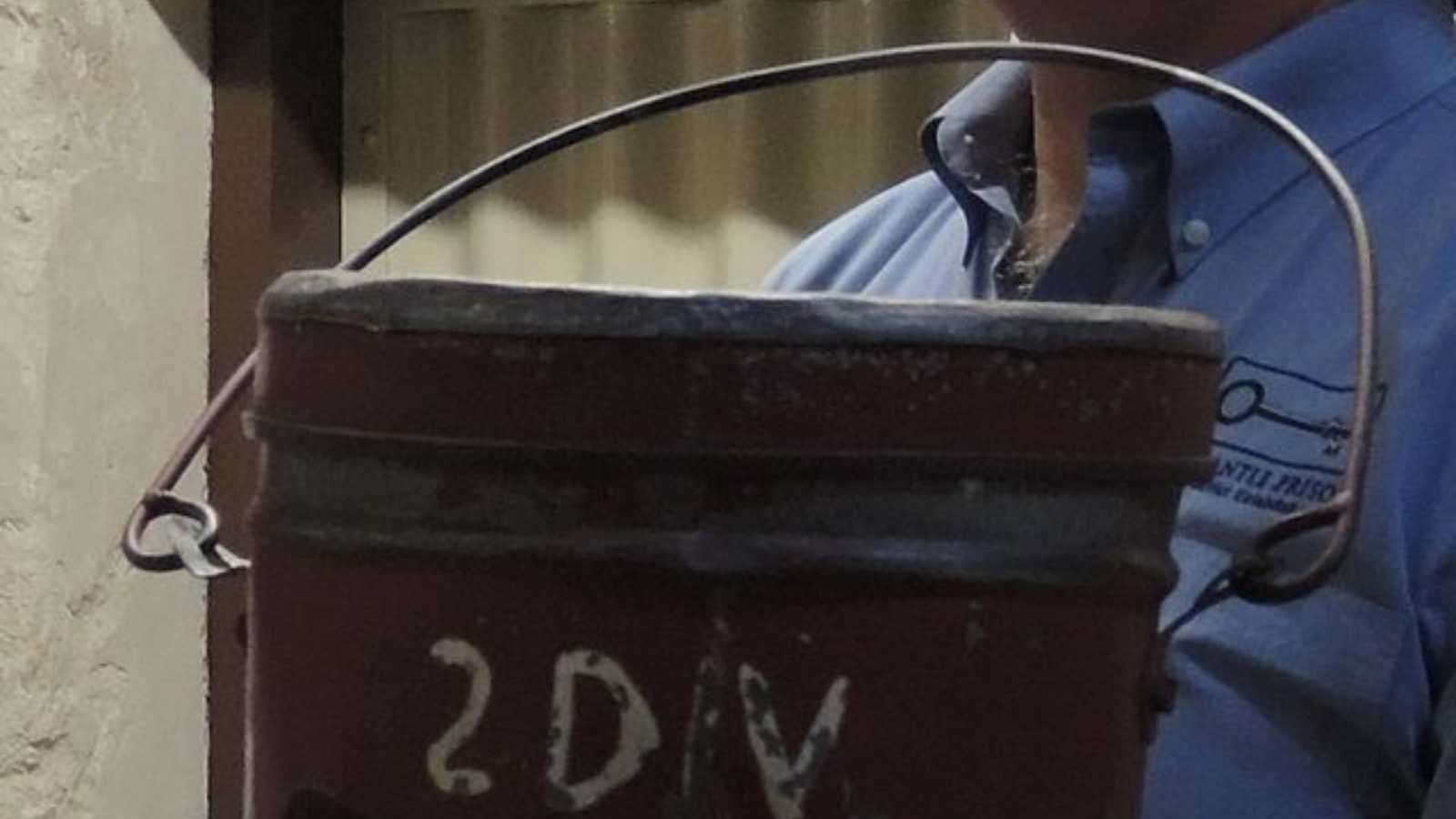
You know how we panic if the dishwasher doesn’t run a complete sanitize cycle? Saloon bartenders had a different approach called the “slop bucket.” They typically kept two buckets behind the bar: one for rinsing and one for “washing.”
Bartenders would dunk a dirty glass into the murky, lukewarm water, give it a quick swirl, and fill it up for the next customer. This water rarely changed during a shift, meaning you drank a cocktail of everyone else’s backwash and saliva. It’s a miracle anyone survived a night of drinking without contracting cholera or dysentery on the spot.
Using urine to cure chapped hands

Pioneers didn’t let anything go to waste, not even their own bodily fluids. Many settlers believed urine, politely called “chamber lye,” possessed healing properties. Women and children often washed their faces and hands in it to treat chapped skin or repel insects.
Expert historical accounts reveal that mothers even administered it to babies to treat croup. The ammonia in the urine served as a cleaning agent, a role settlers also used to degrease wool and remove stains from clothing. I’m all for recycling, but washing my face with the contents of a chamber pot is where I draw the line.
Once-a-month bathing in shared water
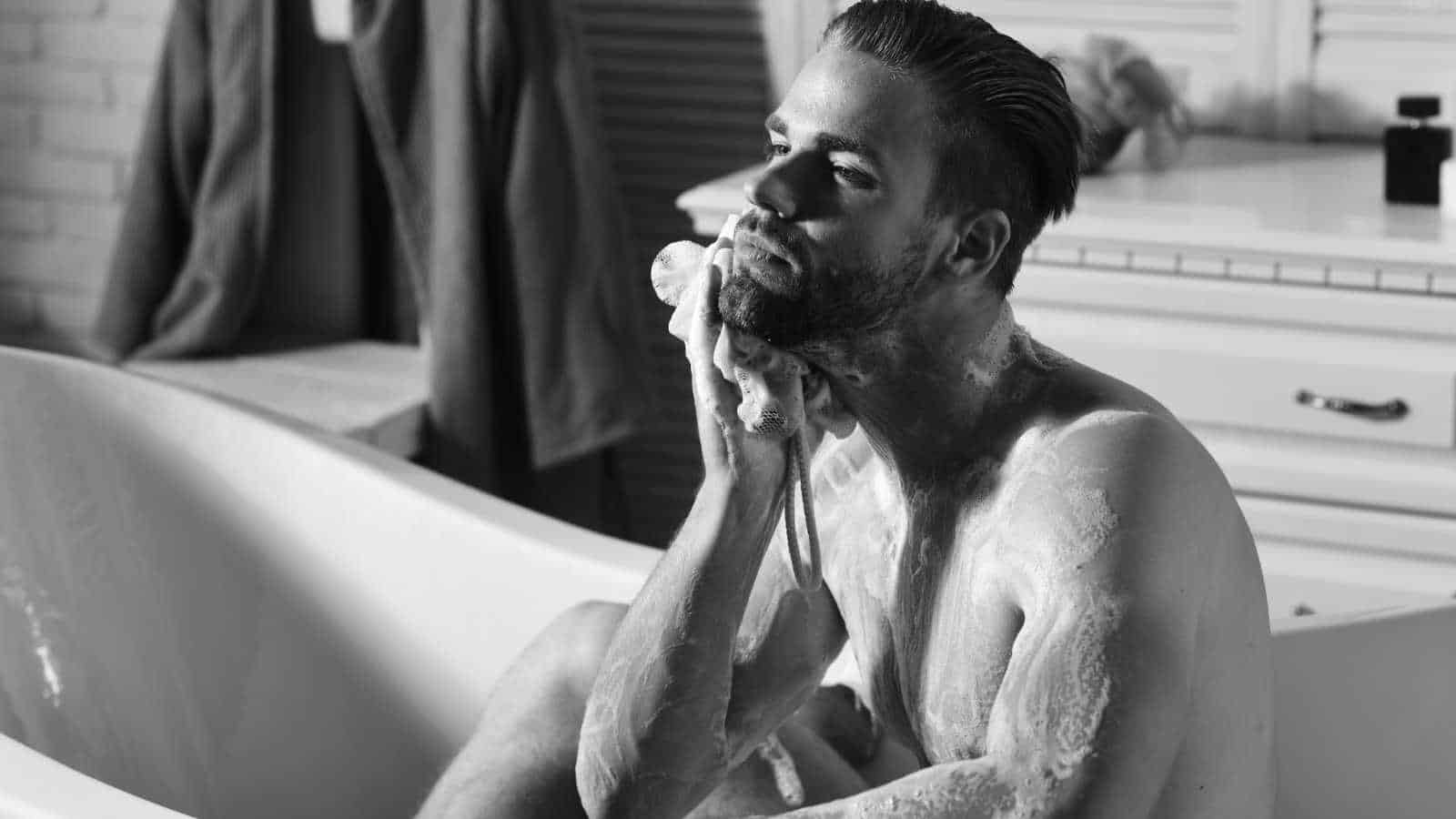
Most folks in the 1800s didn’t bathe daily; in fact, a weekly bath was a luxury, and a monthly bath was often the norm. When bath day finally arrived, the entire family used the same tub of water to save labor and resources. Father went first, then mother, then the children in order of age.
By the time the baby got in, the water was so dark with dirt and soot that you could barely see the child, giving rise, some say, to the phrase “don’t throw the baby out with the bathwater.” Between baths, people relied on “sponge baths,” just wiping their face and armpits. I can only imagine the funk that permeated a one-room cabin by the end of the month.
Lice races for entertainment
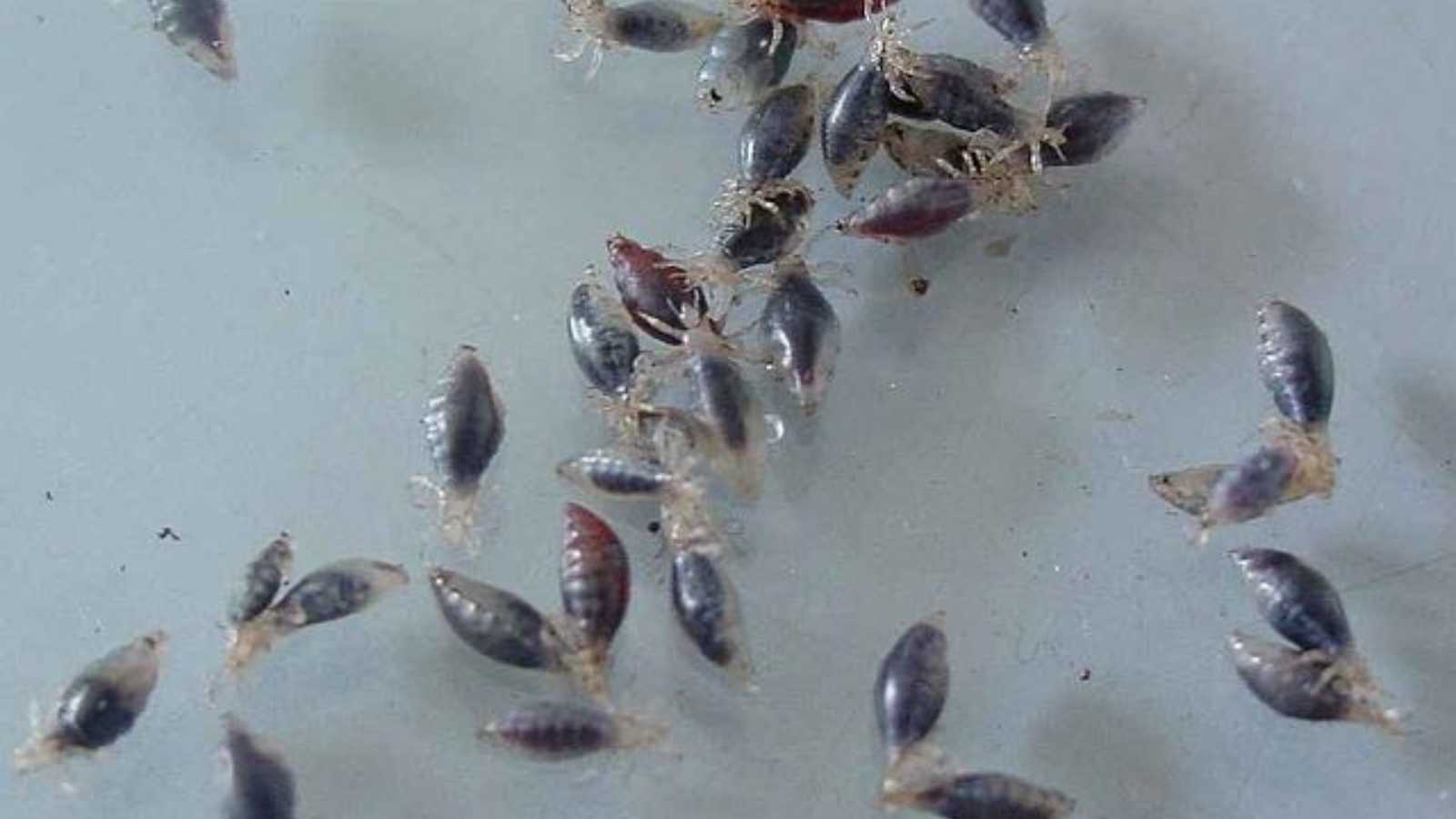
Boredom does strange things to people, especially soldiers and miners living in squalid camps. Infestations of body lice (often called “graybacks”) were so common that men turned them into a sport. Soldiers would pluck lice from their bodies, place them on a tin plate, and bet rations or money on which louse would reach the edge first.
William B. Clifton, a Civil War soldier, wrote about heating the plates to make the lice run faster. It sounds like a joke, but this was real entertainment for men living in filth. Normalizing the infestation helped them cope, but betting on your own parasites is a level of desperation I hope never to experience.
Putting cow manure on open wounds

If you got a cut or a scrape out on the range, you couldn’t just grab the Neosporin. Instead, many pioneers swore by the healing power of fresh cow manure. They believed applying a warm dung poultice to a wound would “draw out” the poison and prevent infection.
One anecdote tells of a grandmother who saved a boy’s infected leg by applying fresh cow pies every hour through the night. While the heat might have increased blood flow, smearing fecal matter on an open wound introduces tetanus and E. coli. It’s a classic case of the cure being riskier than the injury.
Being sewn into winter clothes
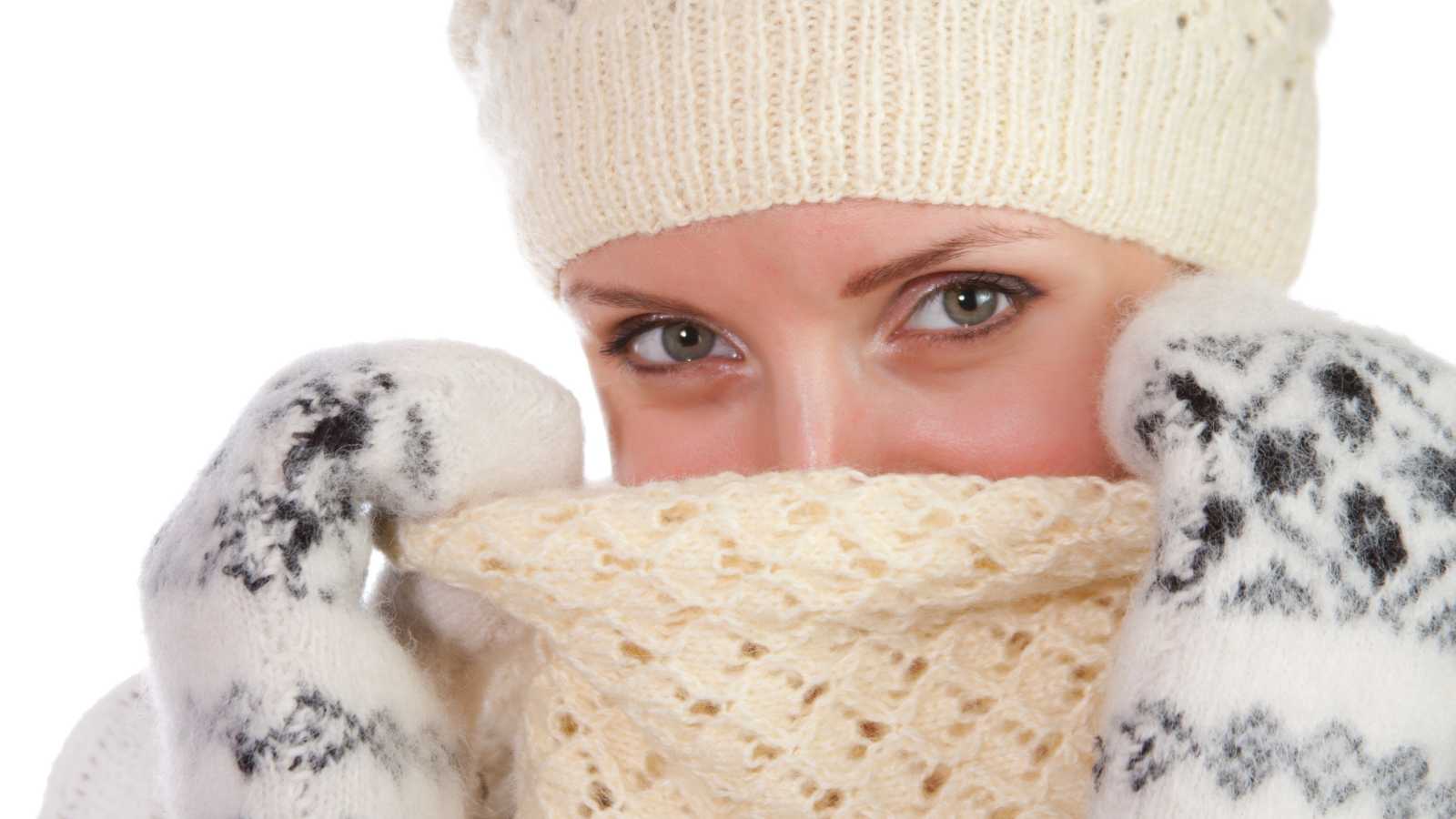
In the coldest parts of the frontier, taking off your clothes meant freezing to death. To stay warm, parents often sewed their children into heavy woolen underwear at the start of winter. These poor kids remained in that same layer, day and night, for months until the spring thaw.
Dr. Arthur Hertzler recalled in his memoirs that when spring arrived and parents cut the clothes off, they would see the child’s skin “for the first time in months.” The accumulation of dead skin, sweat, and vermin under those long johns creates a horrifying mental image. I get itchy just thinking about wearing the same socks for two days, let alone a whole season.
Drinking rotgut whiskey

If you ordered whiskey in a dive saloon, you rarely got the aged stuff. You likely received “Rotgut,” a toxic mix of neutral grain spirits and whatever chemicals the bartender had on hand to give it color and kick. Common additives included turpentine, ammonia, gunpowder, and tobacco juice.
Some distillers even threw in rattlesnake heads to give the liquor a “bite.” One infamous concoction, “Tarantula Juice,” contained strychnine, a lethal poison that, in small doses, caused muscle spasms. Drinkers essentially poisoned themselves for a buzz. FYI: Stick to the bottled stuff if you ever time-travel to 1880.
The communal drinking dipper
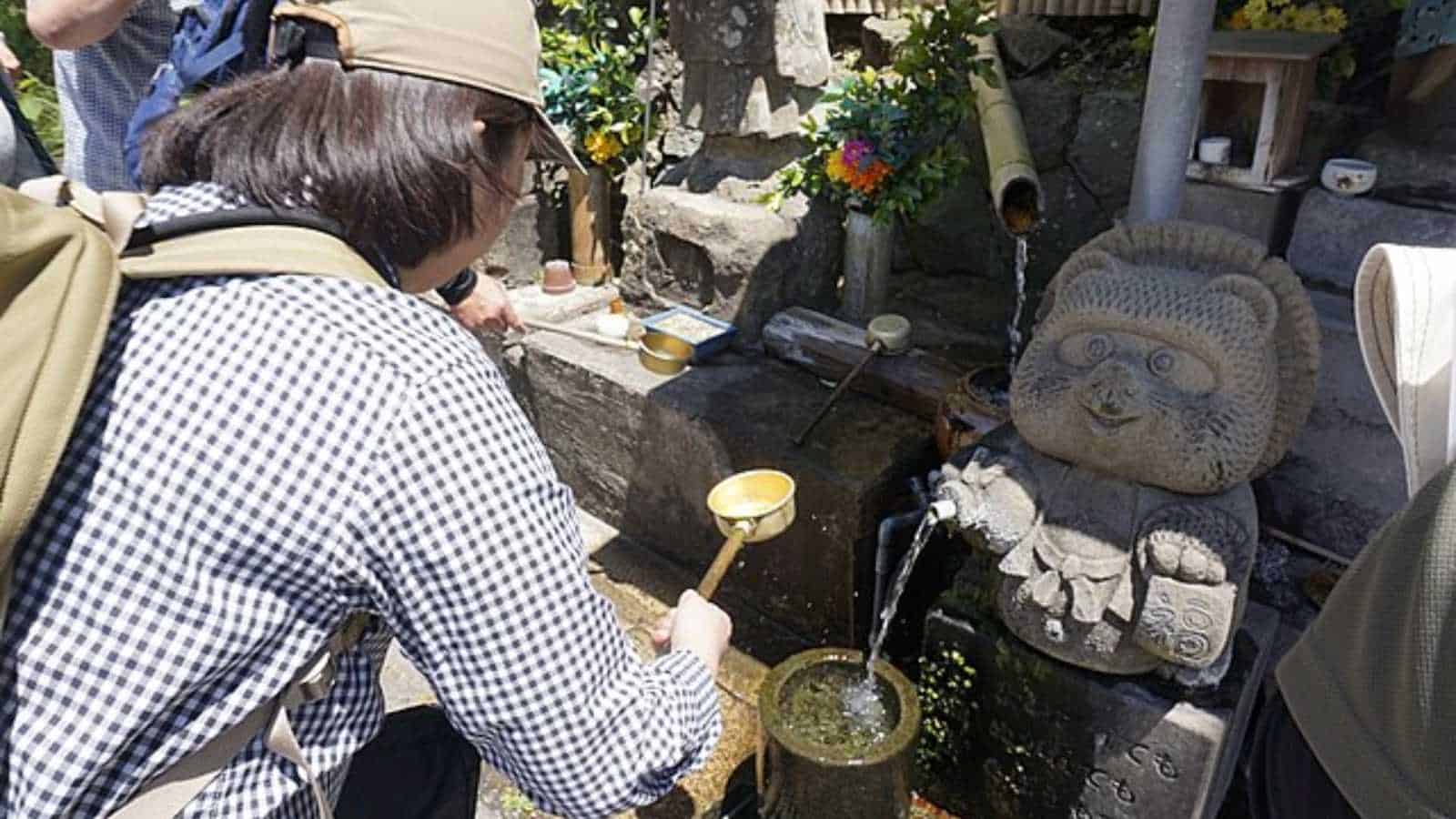
Public water safety was nonexistent. At town wells, schoolhouses, and train depots, everyone drank from a single tin cup or dipper attached to the water bucket. Germ theory hadn’t yet caught on, so people saw no issue with sharing saliva with the entire town.
Health officials didn’t widely ban the “common cup” until around 1912, after realizing it helped spread diphtheria and tuberculosis. Until then, you just hoped the guy before you didn’t have a hacking cough. Sharing a drink with a stranger today feels intimate; back then, it was just hydration roulette.
Sleeping with total strangers

Privacy was a foreign concept in crowded boarding houses and hotels. If you rented a room, you often just rented a spot in a bed—sometimes next to a stranger. Travelers frequently slept two or three to a bed, spooning for warmth and space.
This practice, sometimes called “hot sheeting” when beds were rented in shifts, ensured that bedbugs and body lice migrated freely between guests. I don’t know about you, but waking up next to a snoring, unwashed stranger sounds like the start of a horror movie, not a restful night’s sleep.
Wiping with corncobs

Toilet paper is a modern luxury we totally take for granted. Before its mass production in the late 19th century, settlers used whatever was handy in the outhouse. The most common tool? Dried corncobs.
They were abundant, free, and efficient, if abrasive. As print culture expanded, people upgraded to the pages of the Farmer’s Almanac (which came with a hole to hang on a nail) or the Sears Roebuck catalog. The transition to glossy paper in the 1930s actually caused a consumer revolt because the shiny pages weren’t absorbent enough. Gives a whole new meaning to “roughing it,” doesn’t it?
Key Takeaway

The Old West was a land of opportunity, but also of unimaginable filth. These habits—from brushing teeth with a communal brush to healing wounds with manure—show just how much our standards for hygiene have evolved. Surviving the frontier required grit, luck, and a robust immune system. Next time you grab a fresh towel or brush your teeth in a private bathroom, take a second to appreciate that you don’t have to share them with the entire town.
Disclosure: This article was developed with the assistance of AI and was subsequently reviewed, revised, and approved by our editorial team.
20 Odd American Traditions That Confuse the Rest of the World

20 Odd American Traditions That Confuse the Rest of the World
It’s no surprise that cultures worldwide have their own unique customs and traditions, but some of America’s most beloved habits can seem downright strange to outsiders.
Many American traditions may seem odd or even bizarre to people from other countries. Here are twenty of the strangest American traditions that confuse the rest of the world.