13 foods that become dangerous after the expiration date
Expiration dates feel flexible until you learn how easily certain foods can become harmful without changing their appearance or smell.
We’ve all been there, eyeing that carton of milk that’s a day or two past its expiration date, wondering if it’s still good. But here’s the thing: some foods turn dangerous way faster than you might think after their expiration date.
Did you know that eating expired dairy, deli meats, or seafood can put you at serious risk for food poisoning? In fact, CDC data shows about 48 million Americans get sick from foodborne illness each year, roughly 1 in 6 people, with dairy, deli meats, seafood, and produce among the common culprits. Some foods spoil in ways you can’t even see or smell until it’s too late. So, what should you absolutely toss when the date’s passed?
Let’s break it down and help you avoid any unwanted surprises in the kitchen.
Milk, Half and Half, Whipping Cream

Smart Food Safe explains that dairy products, especially milk, can quickly become breeding grounds for bacteria such as Salmonella, E. coli, and Listeria after their expiration dates. Sour smell, curdling, or off color are all signs that these products are no longer safe to consume.
It’s crucial to avoid unpasteurized milk past its date, as it’s particularly susceptible to harmful bacteria. Always store dairy at the correct temperature, check dates before use, and discard anything that looks, smells, or tastes off. Proper handling, like keeping milk sealed and away from temperature fluctuations, can significantly reduce the risk of foodborne illness and help keep your family safe.
Soft Cheese (Cottage Cheese, Ricotta, Brie, Gorgonzola, Camembert)
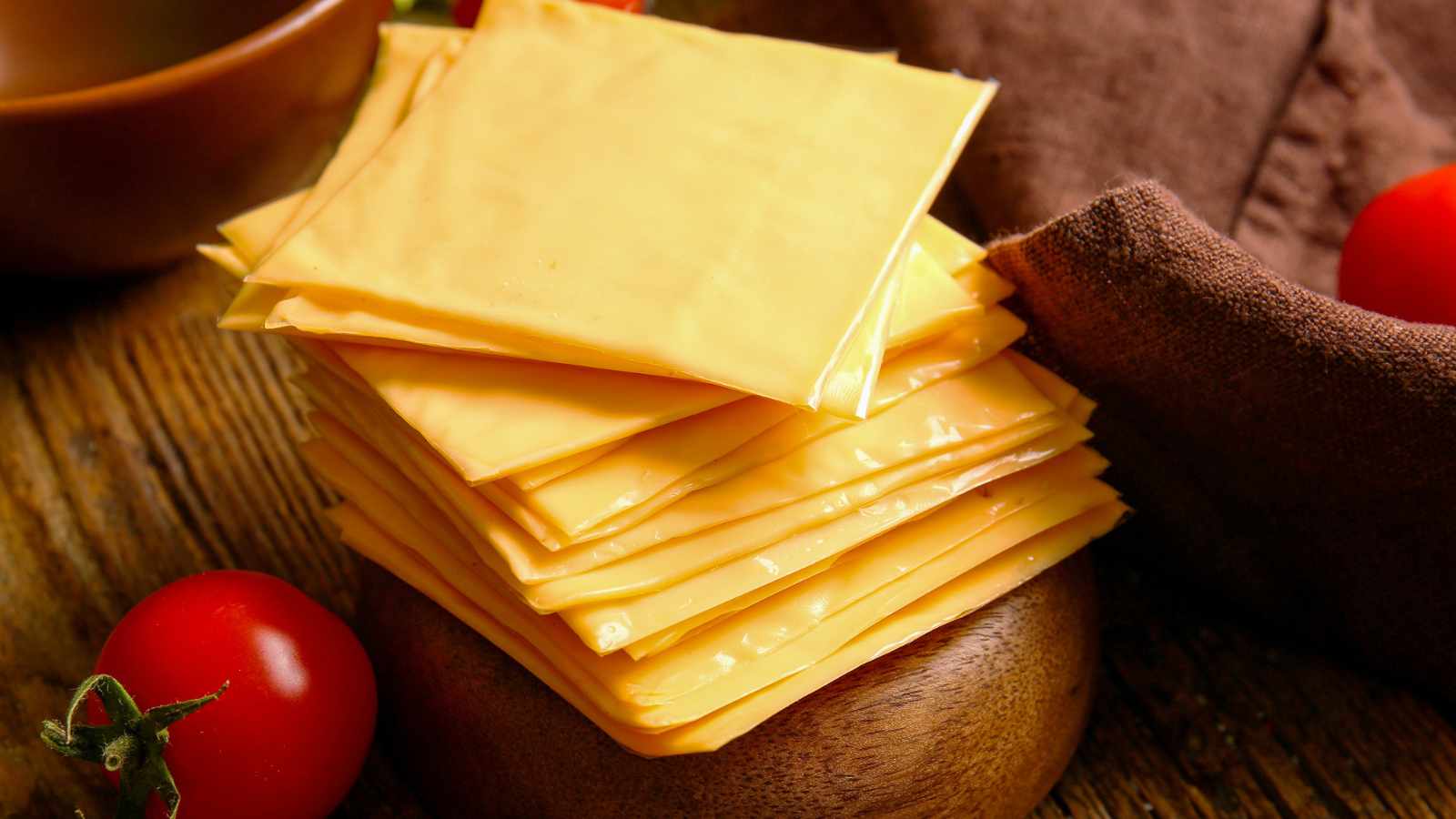
Soft cheeses have a high moisture content, which makes them an ideal habitat for bacteria such as Listeria, Brucella, and Salmonella. Even if mold isn’t visible, these cheeses can harbor dangerous microorganisms. It is recommended to toss soft cheese immediately once past its expiration date or if any spoilage is visible.
Because bacteria can spread beneath the surface, cutting off a small molded portion does not make the rest safe to eat. When in doubt, it’s safer to discard the entire product rather than risk foodborne illness. Proper refrigeration at or below 40°F (4°C) also helps slow bacterial growth but does not completely stop it.
Raw Meat and Poultry
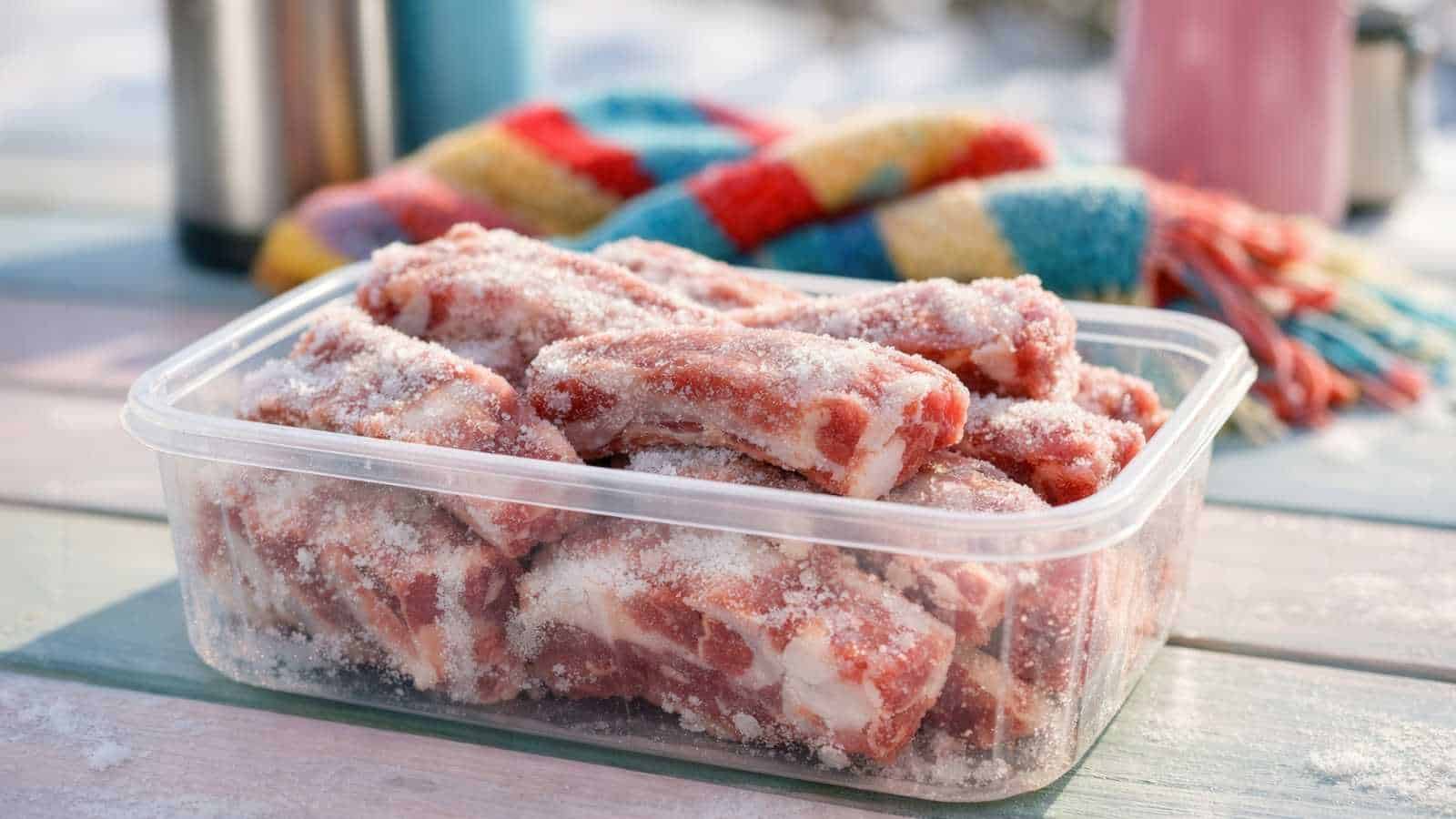
Raw meat and poultry can quickly become contaminated with harmful bacteria, including Salmonella and E. coli. A sticky texture, a gray color, or an off smell are warning signs that your meat has spoiled. Even just a day past the expiration date can make these foods unsafe, especially if they haven’t been stored properly.
To reduce risk, keep raw meat refrigerated at or below 40°F (4°C), store it on the lowest shelf to prevent drips, and cook it to the recommended internal temperature. If you’re unsure about its freshness, it’s best to throw it away rather than risk food poisoning.
Sausage and Deli Meats

The high moisture content in sausages and deli meats accelerates spoilage, even in cold temperatures. Listeria can grow in these products, making them a serious health risk after the expiration date. Always discard these items if they show any signs of spoilage or are past their expiration date.
Slimy surfaces, sour odors, or discoloration are clear warning signs that bacteria may be present. Because Listeria can continue to grow in the refrigerator, proper storage and timely consumption are essential to reduce the risk of serious foodborne illness. Once opened, these products should be consumed within a few days for maximum safety.
Eggs
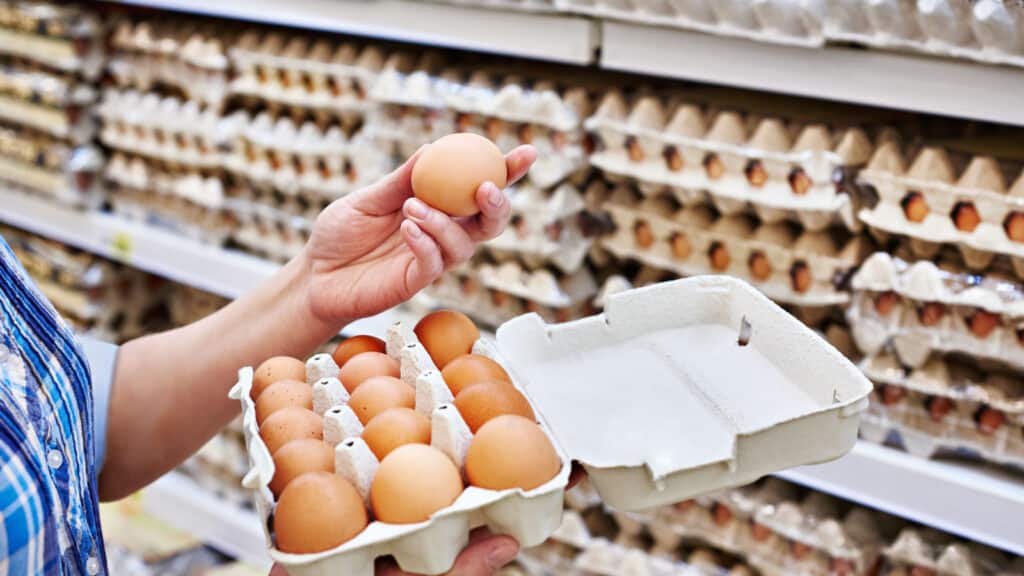
Eggs can carry Salmonella, and even fresh eggs aren’t completely risk-free if contaminated. They usually last 3–5 weeks from packaging, but expiration dates aren’t a guarantee of safety. They typically last 3–5 weeks from packaging, but should never be consumed if the expiration date has passed or if the egg smells bad or looks off. Cracked shells, unusual discoloration, or a watery consistency are also warning signs.
To check freshness, you can place an egg in water. If it floats, it’s best to discard it. Always store eggs in the refrigerator and keep them in their original carton to maintain quality and reduce the risk of contamination. Avoid washing eggs before storage, as this can remove their protective coating.
Pre-Packaged Salads and Leafy Greens
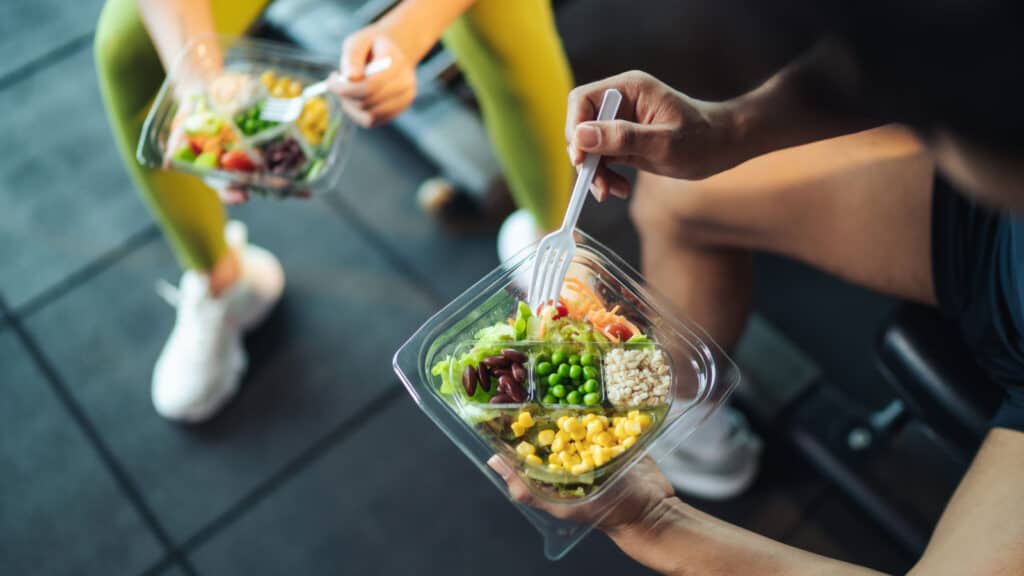
Leafy greens, especially pre-packaged salads, are perfect breeding grounds for harmful bacteria like E. coli and Salmonella. Slimy or brown lettuce should be discarded immediately, as it indicates the presence of harmful bacteria. Even if the greens look fresh, washing them thoroughly under running water before use is essential, and storing them at the correct refrigerator temperature helps slow bacterial growth.
Pre-washed or ready-to-eat salads can still harbor pathogens, so proper handling, prompt consumption, and checking expiration dates are key to preventing foodborne illness. Always keep greens in airtight containers to maintain freshness and reduce the risk of contamination. Avoid cross-contamination by storing greens separately from raw meats, poultry, or seafood.
Fish and Seafood
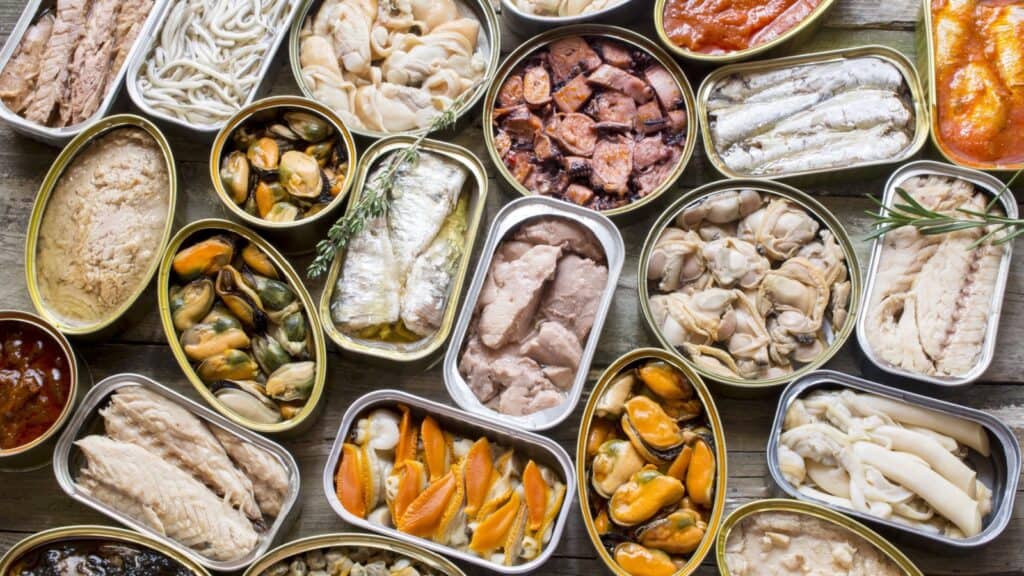
Fish and seafood spoil incredibly quickly and can cause food poisoning if consumed past their expiration date. If it smells sour or like ammonia, it’s time to toss it out (this smell only gets worse when cooked). Fresh fish should have a mild, ocean-like scent, not a strong, fishy odor.
A slimy texture, dull color, or flesh that doesn’t spring back when pressed are additional warning signs of spoilage. Because bacteria multiply rapidly in seafood, it should be kept tightly wrapped, stored on ice or in the coldest part of the refrigerator, and cooked promptly to reduce the risk of serious illness.
Cooked Rice
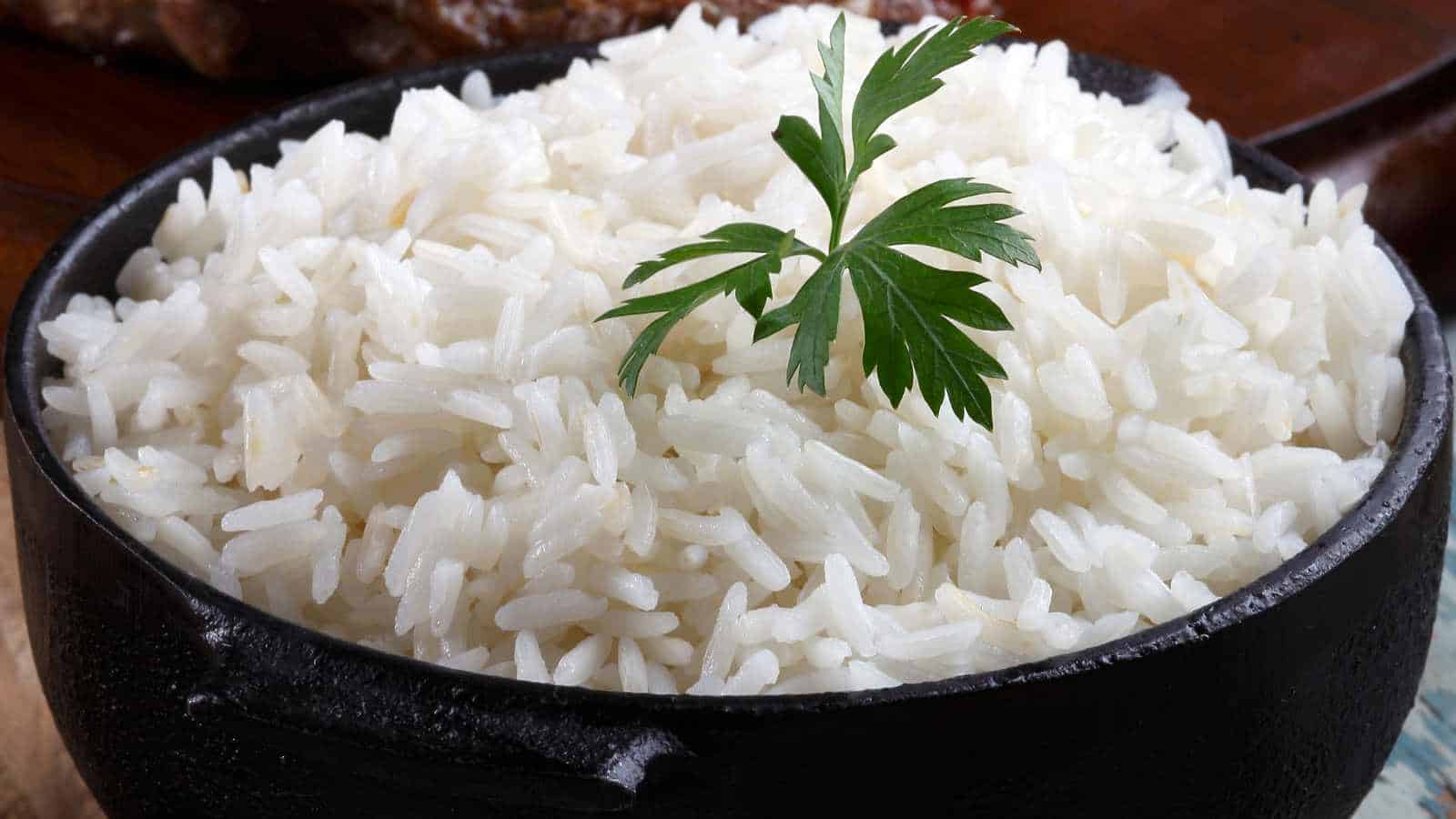
Cooked rice is a breeding ground for Bacillus cereus, a bacterium that produces toxins leading to food poisoning. Never eat rice left out for too long or after the expiration date, and consume it within hours of cooking. Even rice that looks and smells fine can harbor bacteria if it has been sitting at room temperature.
To reduce risk, store cooked rice in airtight containers in the refrigerator within two hours of cooking, and reheat it thoroughly before eating. Avoid leaving rice warm in the pot for extended periods, as this creates the perfect environment for bacterial growth and toxin production.
Mushrooms

Mushrooms can harbor harmful bacteria and even botulism toxins after they’ve expired or spoiled. Thin, pale, or slimy mushrooms are clear signs of spoilage and should be discarded immediately. Even if they appear firm, expired mushrooms can develop invisible toxins that cause nausea, vomiting, or more severe foodborne illness.
To stay safe, store mushrooms in a paper bag in the refrigerator, avoid washing them until right before use, and consume them within a few days of purchase. Never attempt to salvage mushrooms that show any discoloration, odor, or softness, as the risk of contamination is high
Chilled Desserts

Chilled desserts are particularly dangerous when past their expiration dates, as they can support the growth of harmful bacteria like Listeria. They should be discarded immediately if they’re past their use-by date or if you notice any visible spoilage, such as mold, off smells, or changes in texture. Even desserts that look fine can harbor bacteria if they have been stored too long or at improper temperatures.
To minimize risk, always refrigerate these items promptly, keep them in airtight containers, and consume them within the recommended timeframe. Avoid tasting or sampling desserts that show any signs of spoilage, as foodborne illness can develop quickly.
Canned Foods

Canned goods may seem like a safe bet, but a dented, rusted, or swollen can can indicate bacterial contamination or chemical leaching. Always discard cans that show these signs or are past their expiration date. Even if the contents look and smell normal, harmful bacteria such as Clostridium botulinum can grow inside compromised cans, posing a serious risk of foodborne illness.
To stay safe, store cans in a cool, dry place, check for damage before use, and never taste food from a can that appears compromised. When in doubt, it’s safer to throw it out than risk potential poisoning.
Berries (Fresh)

Berries spoil quickly, and moldy, mushy, or off-smelling berries are a clear sign they’ve gone bad. Even a few spoiled berries in a container can spread bacteria to the rest, so always check for signs of decay before eating. To reduce risk, store berries in the refrigerator, rinse them just before consumption, and discard any that appear discolored, slimy, or have an unusual odor.
Proper handling and timely consumption help prevent foodborne illnesses caused by bacteria like Salmonella or E. coli, which can grow rapidly on overripe or damaged berries.
Mayonnaise and Other Moist Condiments
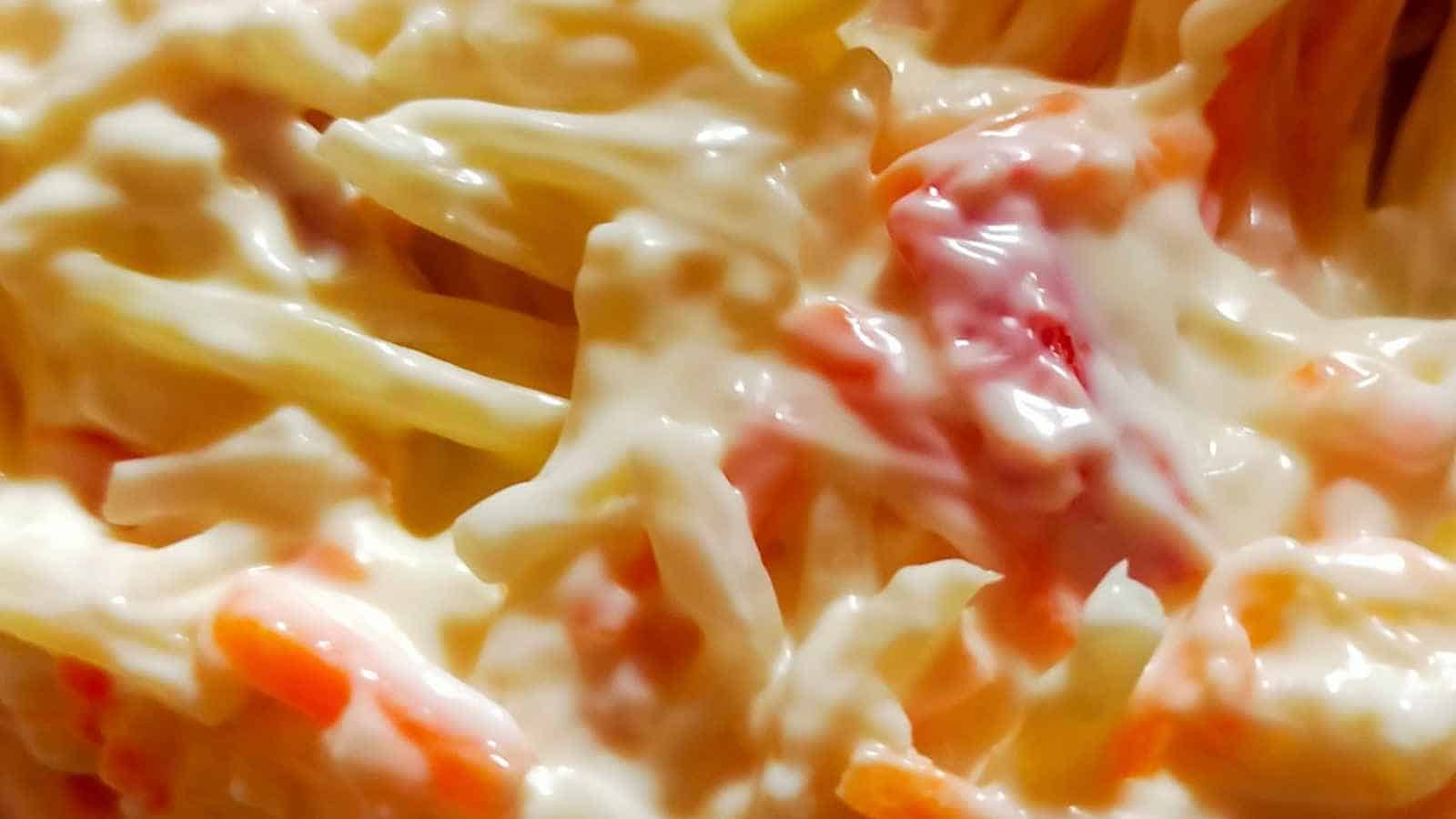
Mayonnaise and similar condiments can quickly spoil and grow harmful bacteria after their expiration date, especially if they haven’t been stored properly. If it smells sour, has an unusual color, or shows signs of separation, discard it immediately. Even unopened jars can harbor bacteria if they’ve been exposed to heat or fluctuating temperatures.
To stay safe, always refrigerate condiments after opening, check expiration dates before use, and avoid double-dipping utensils to prevent contamination. Proper handling ensures these items remain safe to eat and reduces the risk of foodborne illness.
Disclosure: This article was developed with the assistance of AI and was subsequently reviewed, revised, and approved by our editorial team.
Like our content? Be sure to follow us