13 Male Muscles Women Can’t Help but Notice
Not every woman ranks muscles high in her list of mate-selection traits, and that’s where things get interesting.
Attraction is a complex mix of biology and personal taste, not a checklist. From an evolutionary view, though, lean muscle often signals good genes, health, and resourcefulness qualities that once mattered for survival and still quietly shape modern preferences.
While some women chase charm or intellect first, muscle tone still plays its subtle role in the background, a visual cue that says fit, capable, dependable.
Forearms
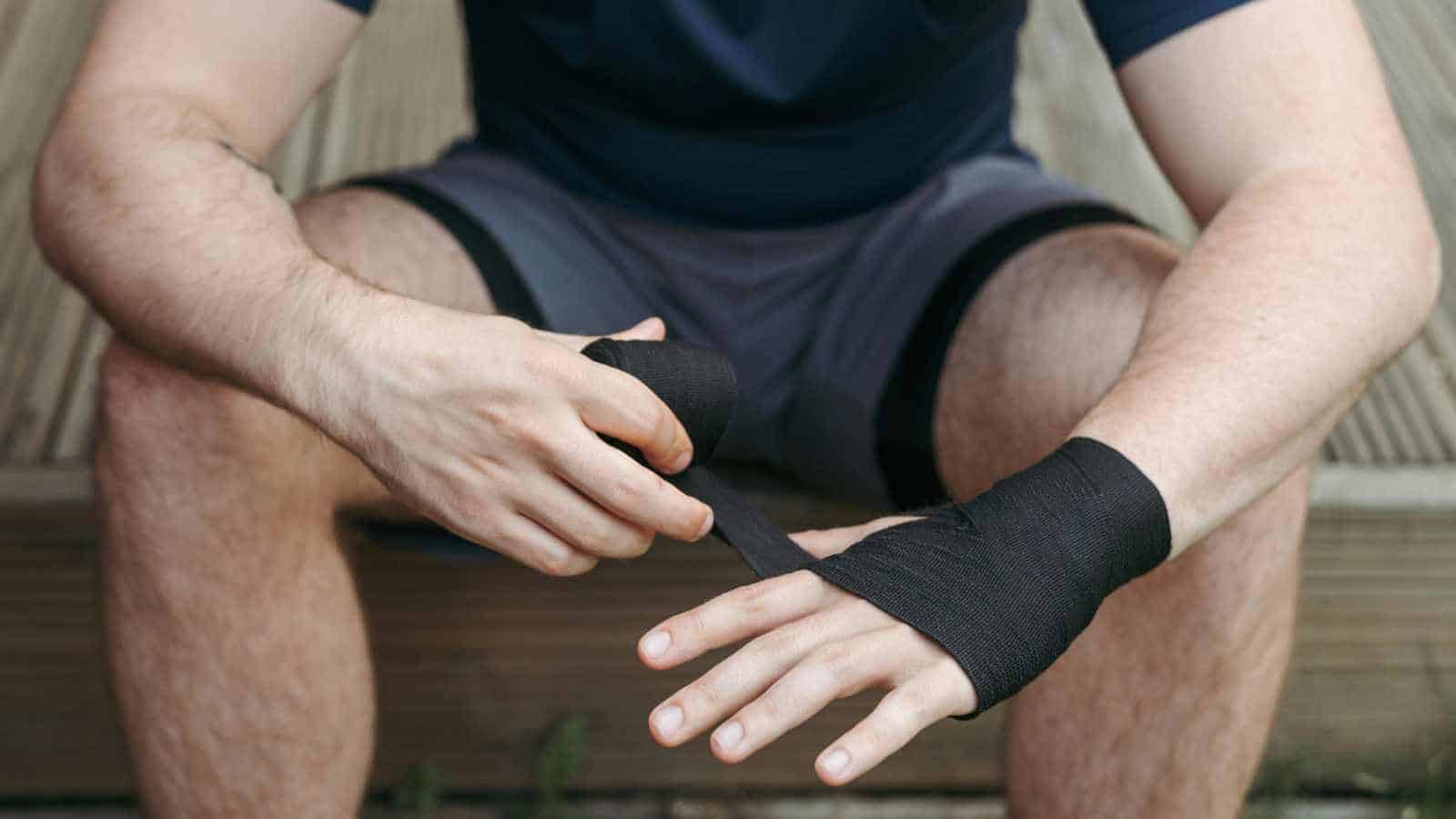
Some muscles brag. Forearms don’t. They just show up, quietly proving you’ve done more than scroll or swipe. There’s something unpolished about them — a kind of honesty that comes from use, not showmanship. It’s the difference between strength that’s lived and strength that’s posed.
Chest
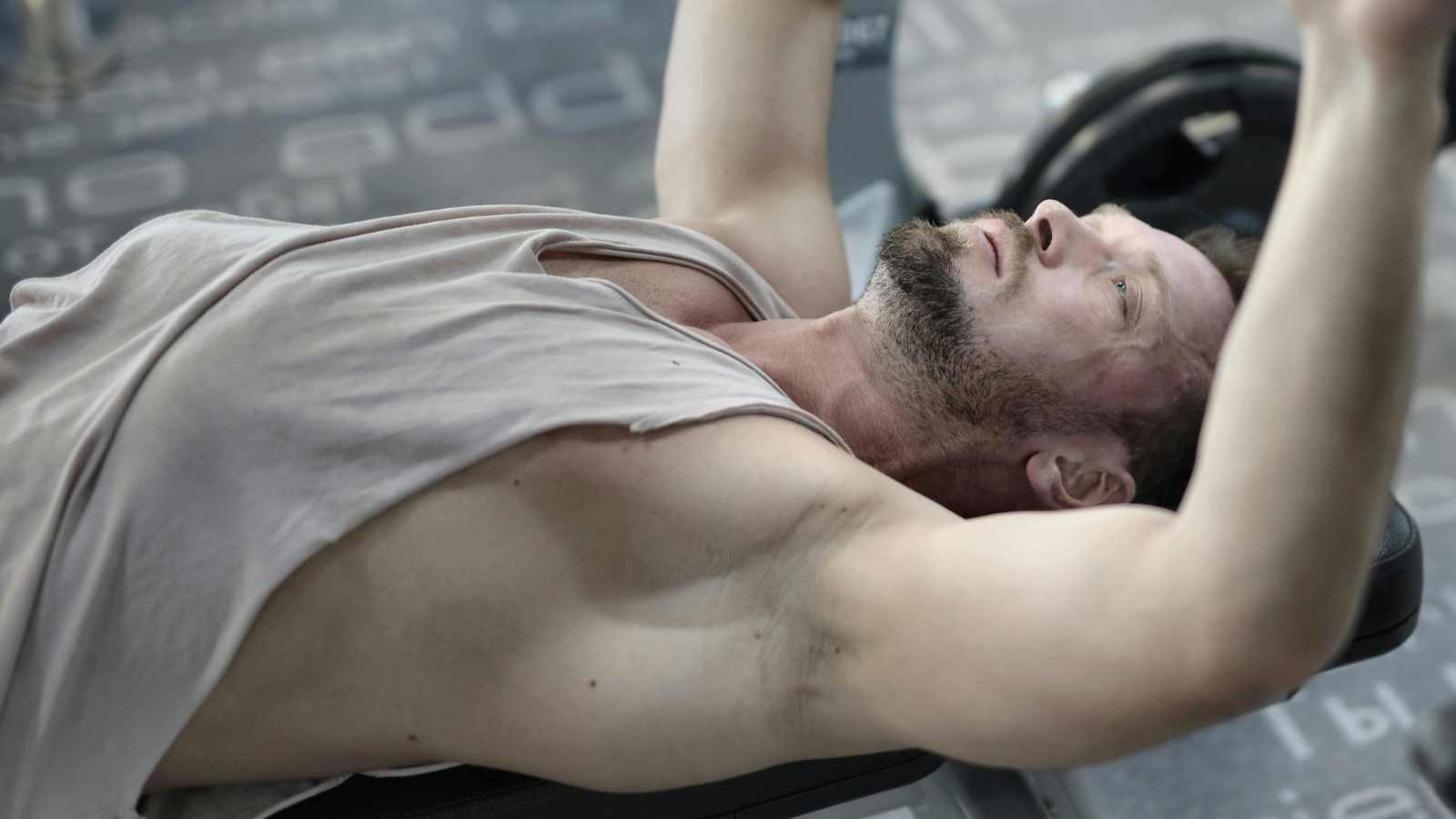
A well-proportioned chest sits at the heart of what evolutionary biologists call “visual competence.” A 2020 Royal Society B paper showed that upper-body strength predicted attractiveness ratings better than height.
Glutes

You can skip curls, but you can’t skip squats; evolution won’t let you. Call them what you want — buns, power base, built-in seat cushions — they’re the muscle group everyone secretly grades when they think no one’s watching.
Calves
Think of them as the proof of consistency; you can’t fake calf strength. Whether it’s from running, hiking, or just moving with intention, well-shaped calves signal quiet dedication.
Shoulders
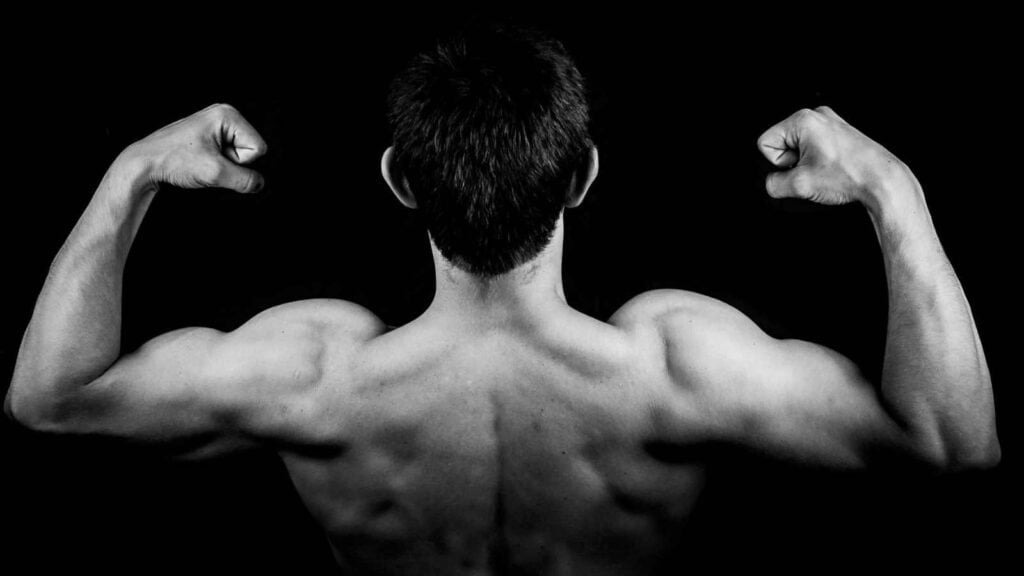
A 2023 study in Evolution and Human Behavior confirmed that a strong shoulder-to-waist ratio (around 1.6:1) tops global attractiveness ratings. Broad shoulders imply testosterone balance and reliability — evolutionary shorthand for protection.
Neck
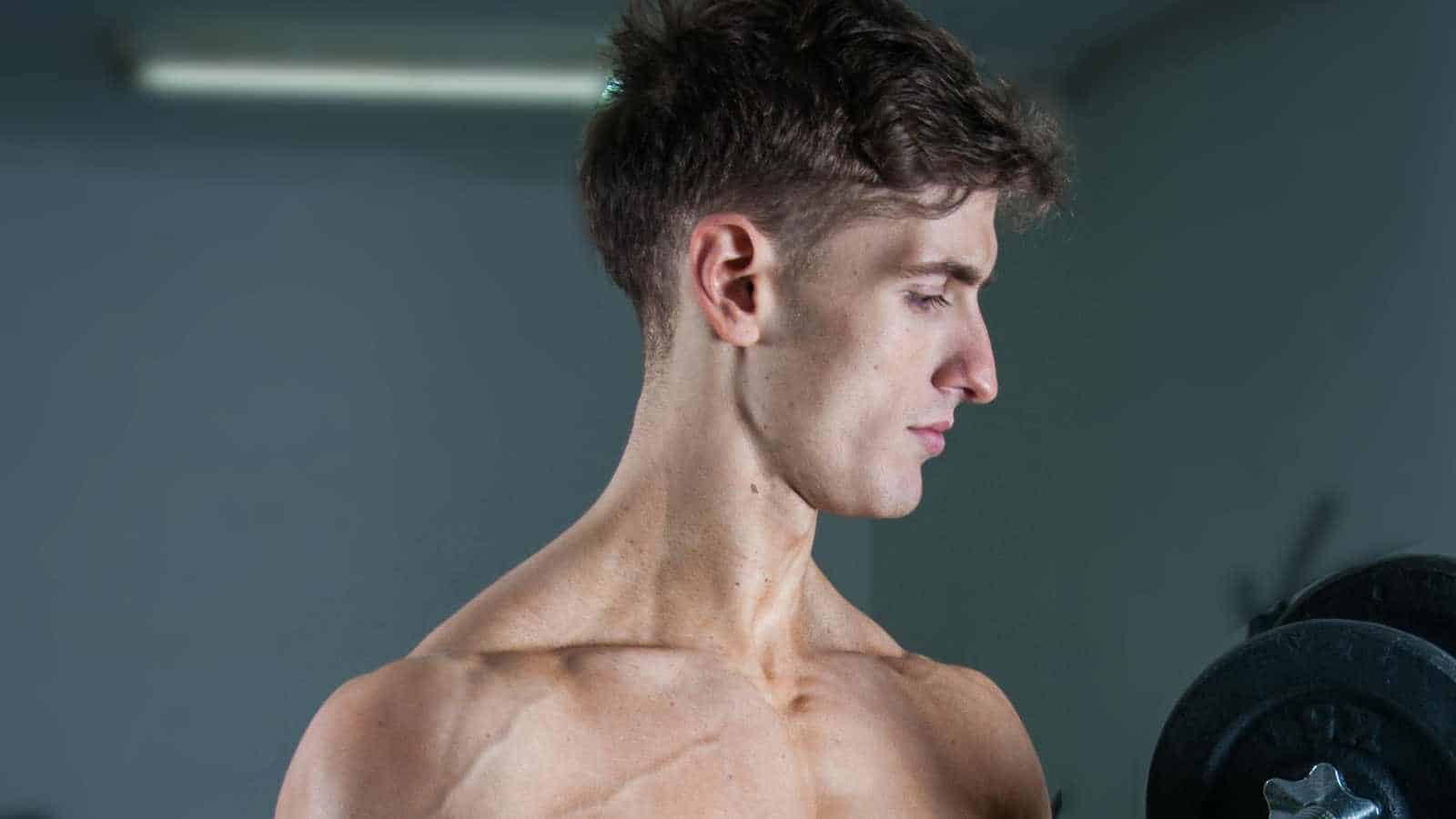
The neck ties everything together; it’s where posture meets personality. Too tense, and it looks rigid; too thin, and it throws off the frame. It’s not something people point out, but they notice when it’s right.
Jawline
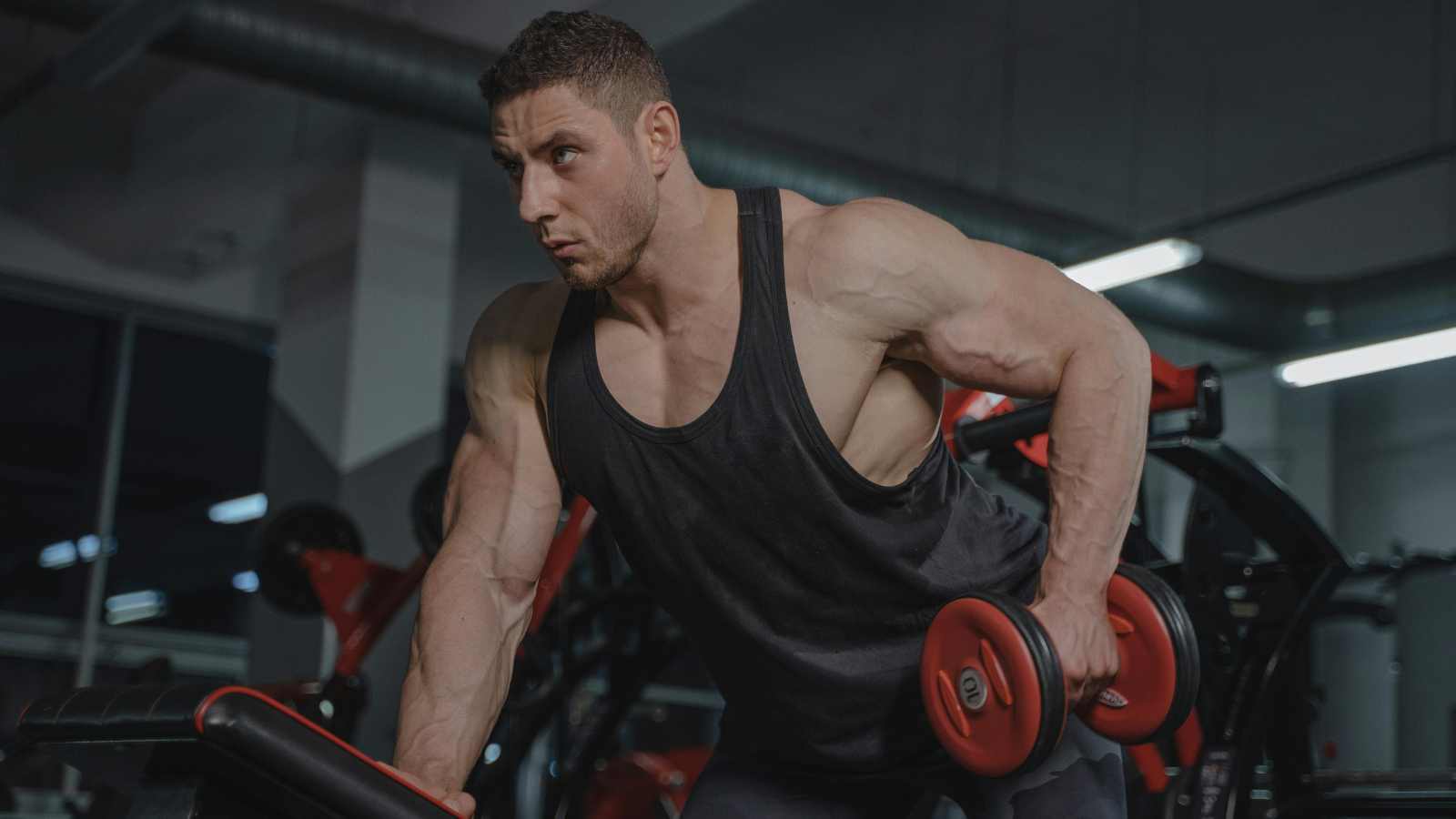
A 2023 study in Frontiers in Psychology found that facial cues associated with greater muscle mass made men appear more masculine and physically fit, while excess facial fat only boosted masculinity ratings among very lean men. Women in the experiment even adjusted digital male faces toward stronger, more defined jaw structures when imagining a short-term partner.
Traps
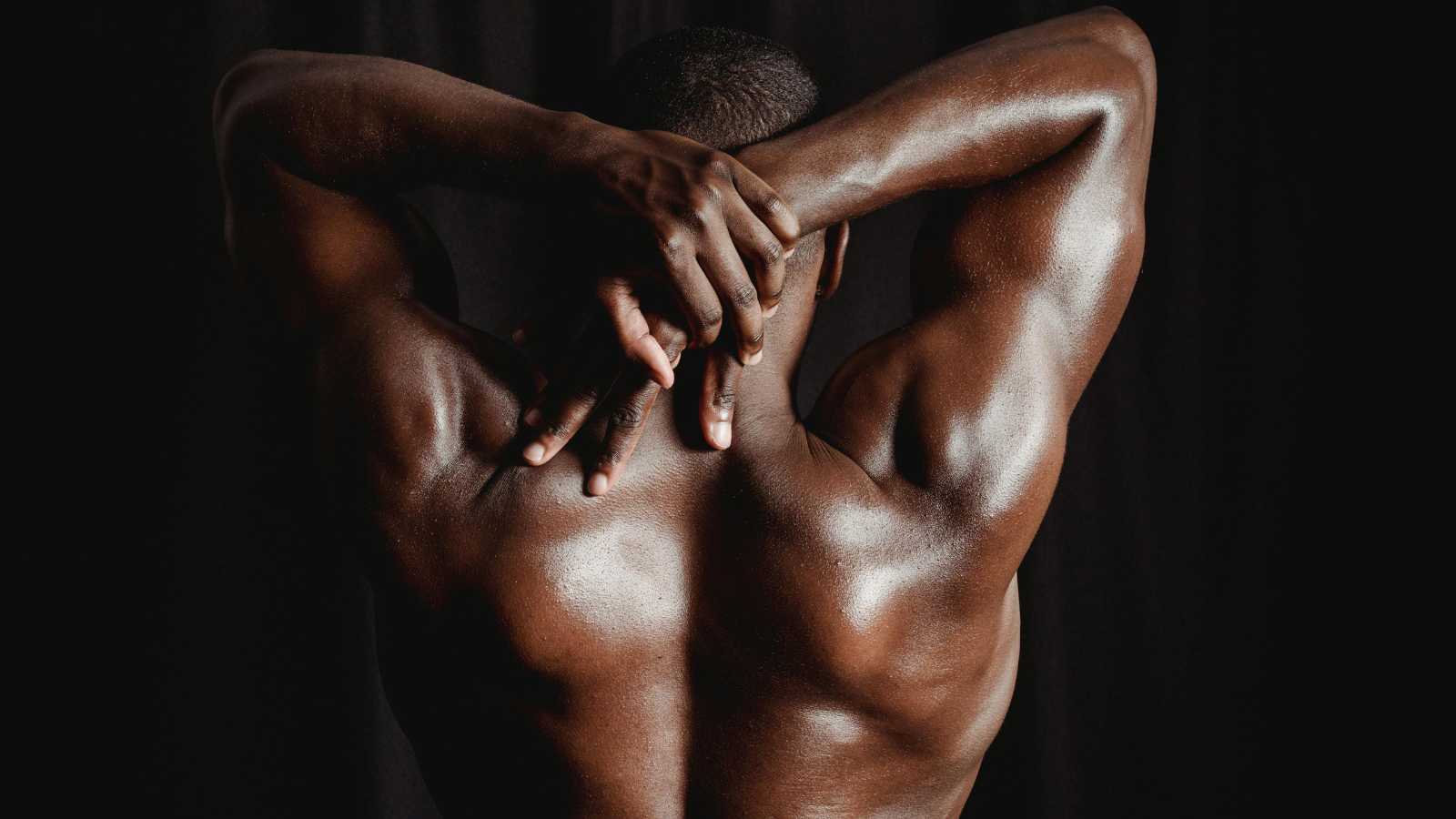
That slight slope from neck to shoulder that makes shirts sit just right. Traps aren’t showy like biceps, but they’re what give a man that built-from-the-top look, like he’s strong without trying.
Back Muscles
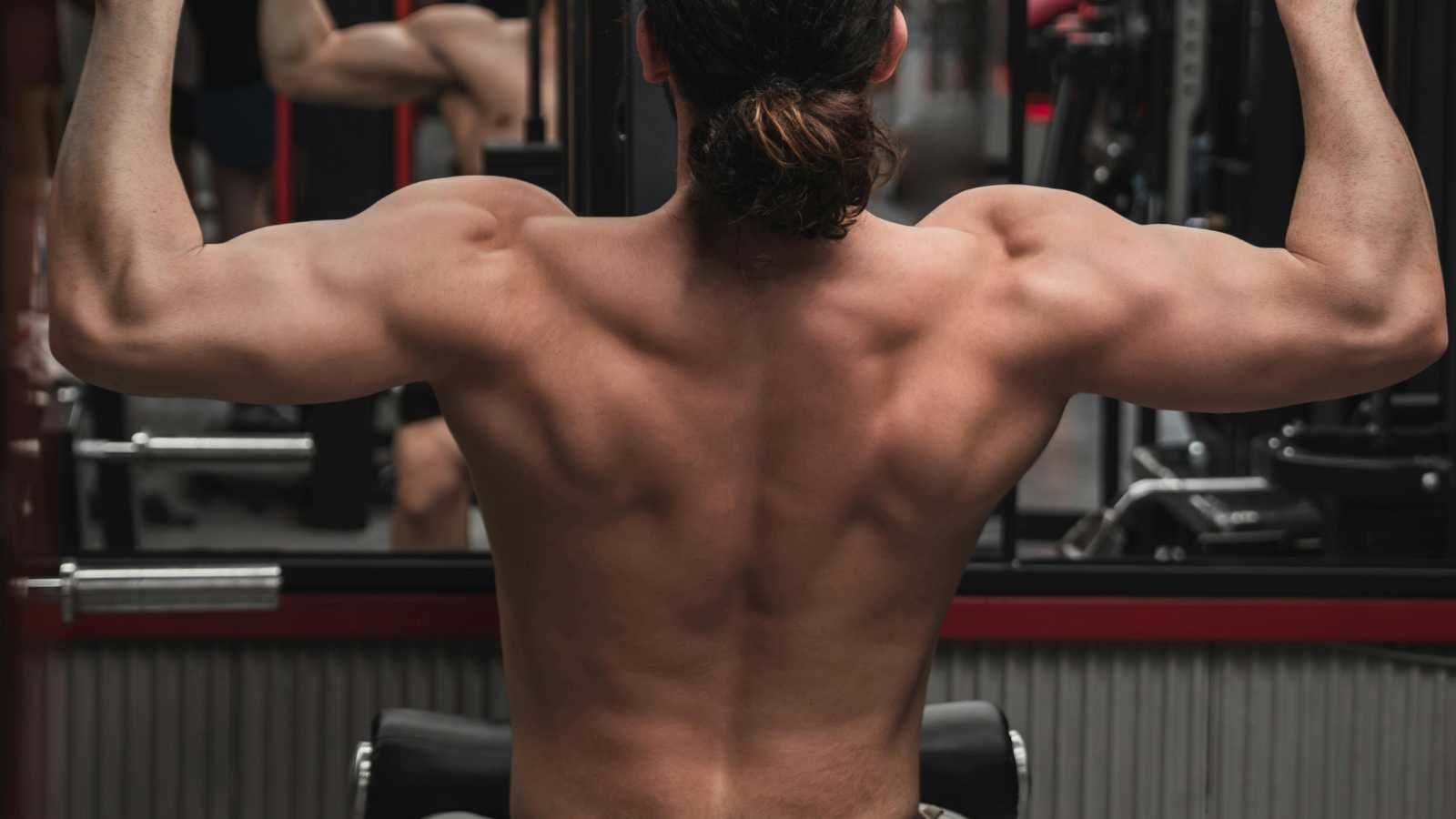
The human back is made up of roughly 40 interconnected muscles that stretch from the neck to the hips, each keeping you upright, balanced, and mobile. These muscles form the body’s core support system, allowing you to walk, twist, breathe, and lift without strain.
Thighs
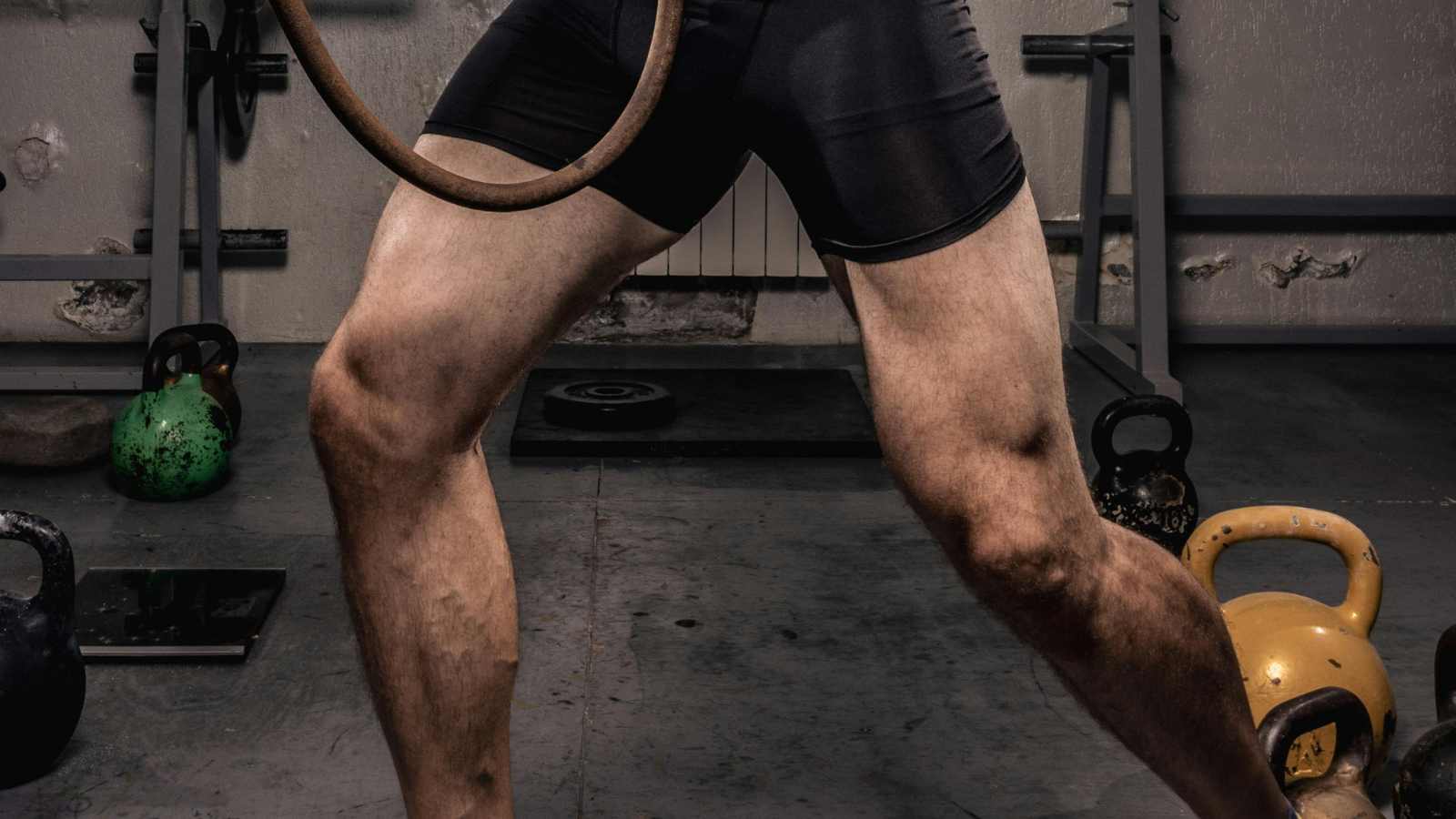
Everyone talks about abs and arms, but it’s your thighs doing the real work. When they’re toned, not bulky, they carry a certain confidence, like you could sprint, squat, or dance without hesitation. It’s not about showing off; it’s about knowing you can move with purpose.
Abs
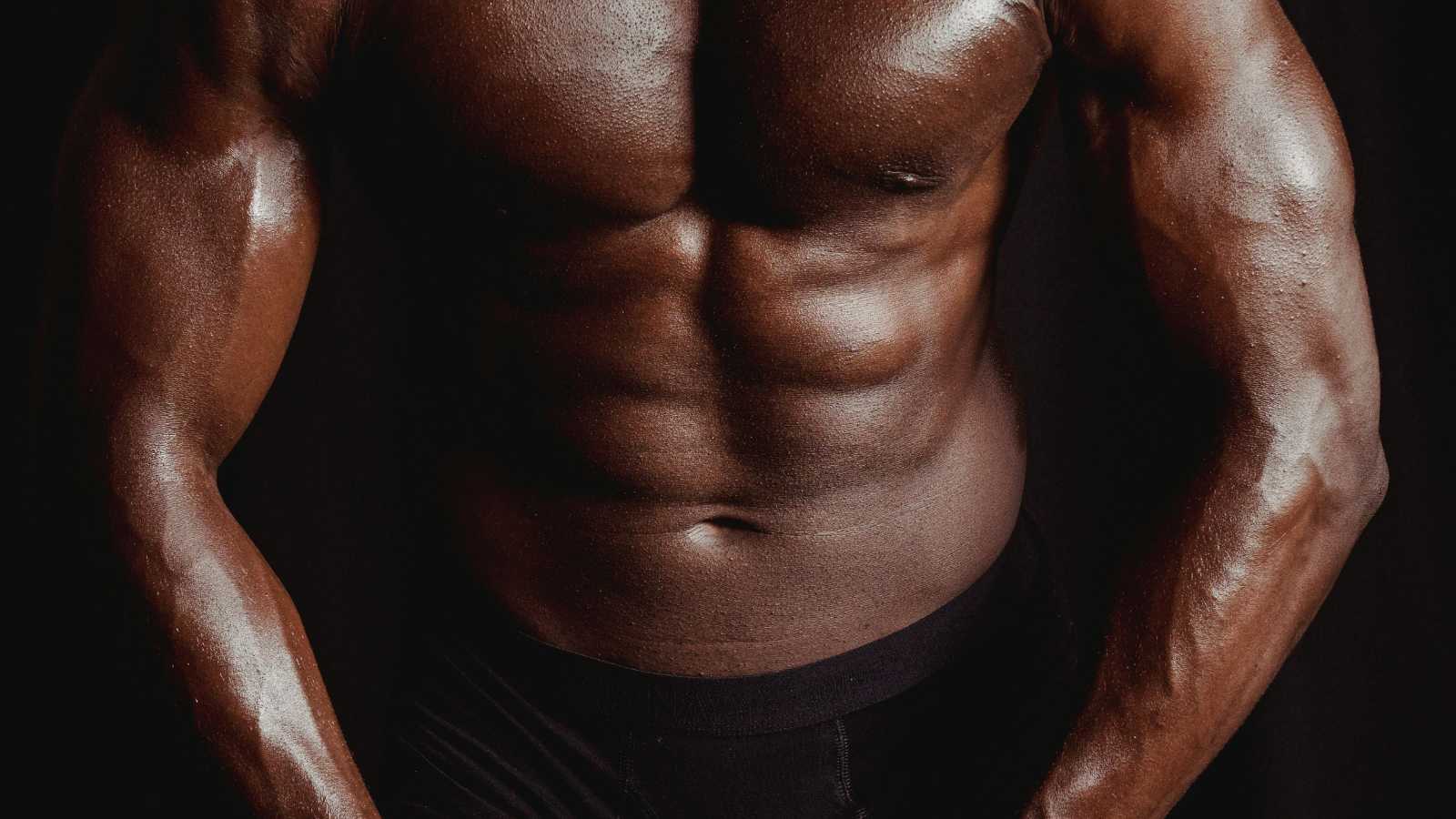
Everyone talks about abs as proof of discipline, but research shows they’re more about perception than perfection. A study by Gould and colleagues found that across age, gender, and background, most people agreed: the ideal midsection has six visible, symmetrical muscles that still look natural, not sculpted.
What’s striking is that those who already worked out regularly were more likely to want nonsurgical enhancements to reach that standard — suggesting the “fit look” has become its own illusion of effort.
Hands
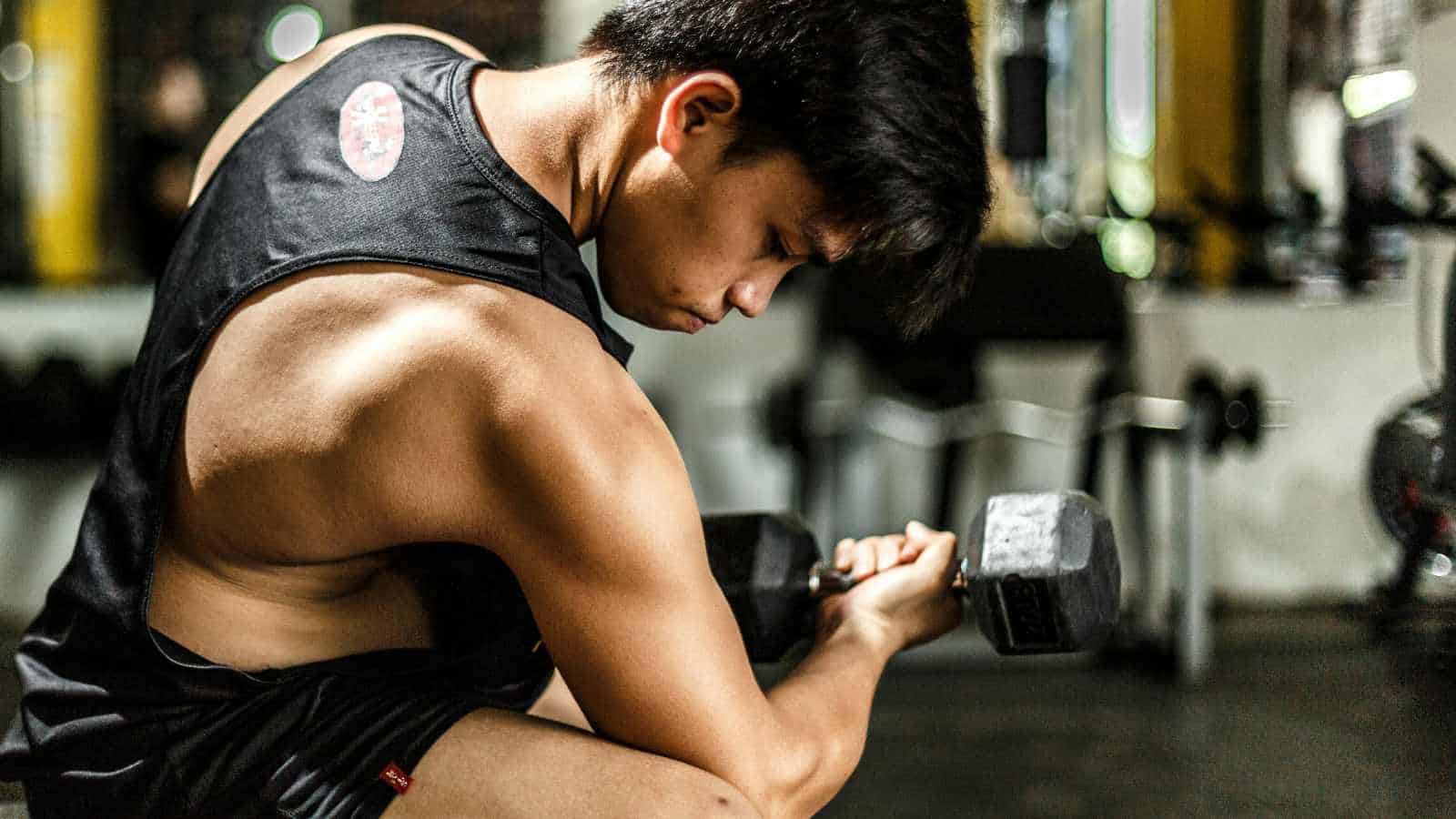
A firm grip, a few calluses, or a steady touch, they all tell a story. They bridge strength and connection; power that can lift, guide, or comfort.
The Overall Frame
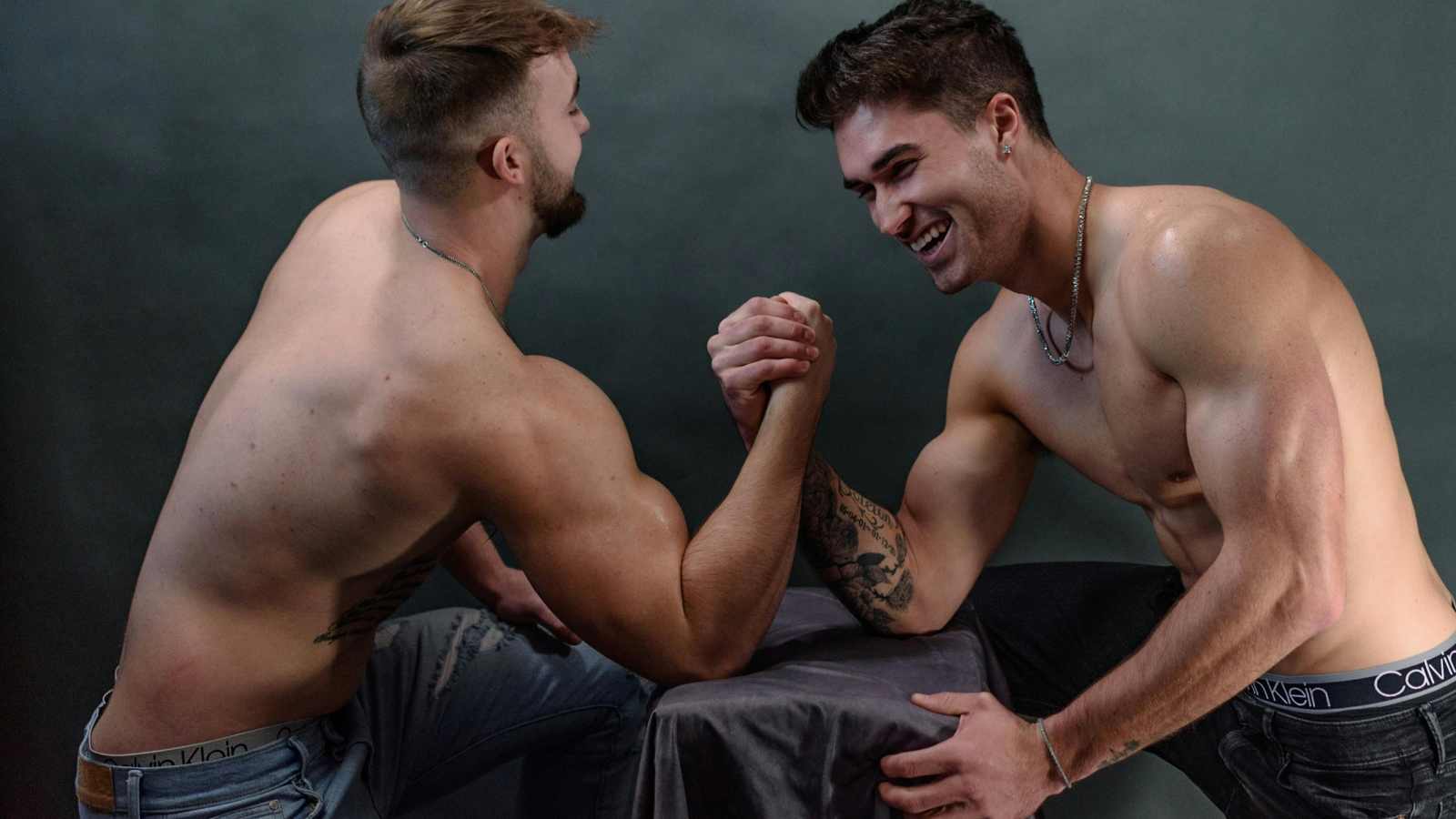
When your body moves as one piece, shoulders lining with hips, posture steady, rhythm effortless, it leaves a stronger impression than any single feature. People respond to that kind of harmony because it feels genuine, like the body matches the confidence behind it.
Key Takeaway:
- Visual competence: glutes round out the body’s visual flow and balance.
- Shoulder-to-waist ratio — a strong lower frame complements upper symmetry.
- Symmetry — even muscle tone across the glutes enhances total-body proportion.
- Core support system — glutes stabilize motion, protect the spine, and power movement.
Disclaimer – This list is solely the author’s opinion based on research and publicly available information. It is not intended to be professional advice.
Disclosure line: This article was developed with the assistance of AI and was subsequently reviewed, revised, and approved by our editorial team.
6 tips for successful weight loss for women in 2025
6 Tips For Successful Weight Loss For Women in 2025
Successful weight loss for women often calls for an individualized approach, taking into consideration the unique physiological, psychological, and lifestyle factors that influence a woman’s weight. It’s not just about adopting a generic calorie-restricted diet or a strenuous exercise regime. Instead, it encompasses a holistic view of health, including balanced nutrition, regular physical activity, adequate sleep, and stress management.
In this article, we will walk you through a step-by-step guide to help you on your fitness journey and discuss how Ozempic may benefit your weight loss routine.