13 reasons Americans are skipping cruises
Let’s get one thing straight: cruising is still big business. According to Mintel Store’s U.S. cruises market report, in 2025, the U.S. cruise market continued to grow, with an estimated 21.2 million passengers sailing from American ports, up roughly 11% from earlier years and reflecting strong demand. But that popularity doesn’t mean cruising appeals to everyone.
Plenty of Americans still choose not to take a cruise, for reasons ranging from personal preferences to valid concerns about value, the environment, and travel style.
Here are 13 reasons why Americans are saying “no thanks” to cruises.
Cruises are getting too expensive

It’s no secret that cruise prices have been creeping up over the years. With rising fuel costs and the general luxury industry inflation, cruises are no longer the “affordable getaway” they once were. A 2022 survey by CLIA found that the average price of a cruise ticket has increased by nearly 30% in the last decade. And that doesn’t even account for the pricey excursions, the beverage packages, and all those hidden fees that seem to pop up the moment you board.
So, who wants to spend thousands on a cruise when you could fly to a tropical destination and stay in a 5-star hotel for less? The math just isn’t adding up anymore.
- Why it works: Higher costs make cruises less appealing to budget-conscious travelers
- How to avoid it: Look for promotions and packages that cover all costs upfront
Environmental concerns
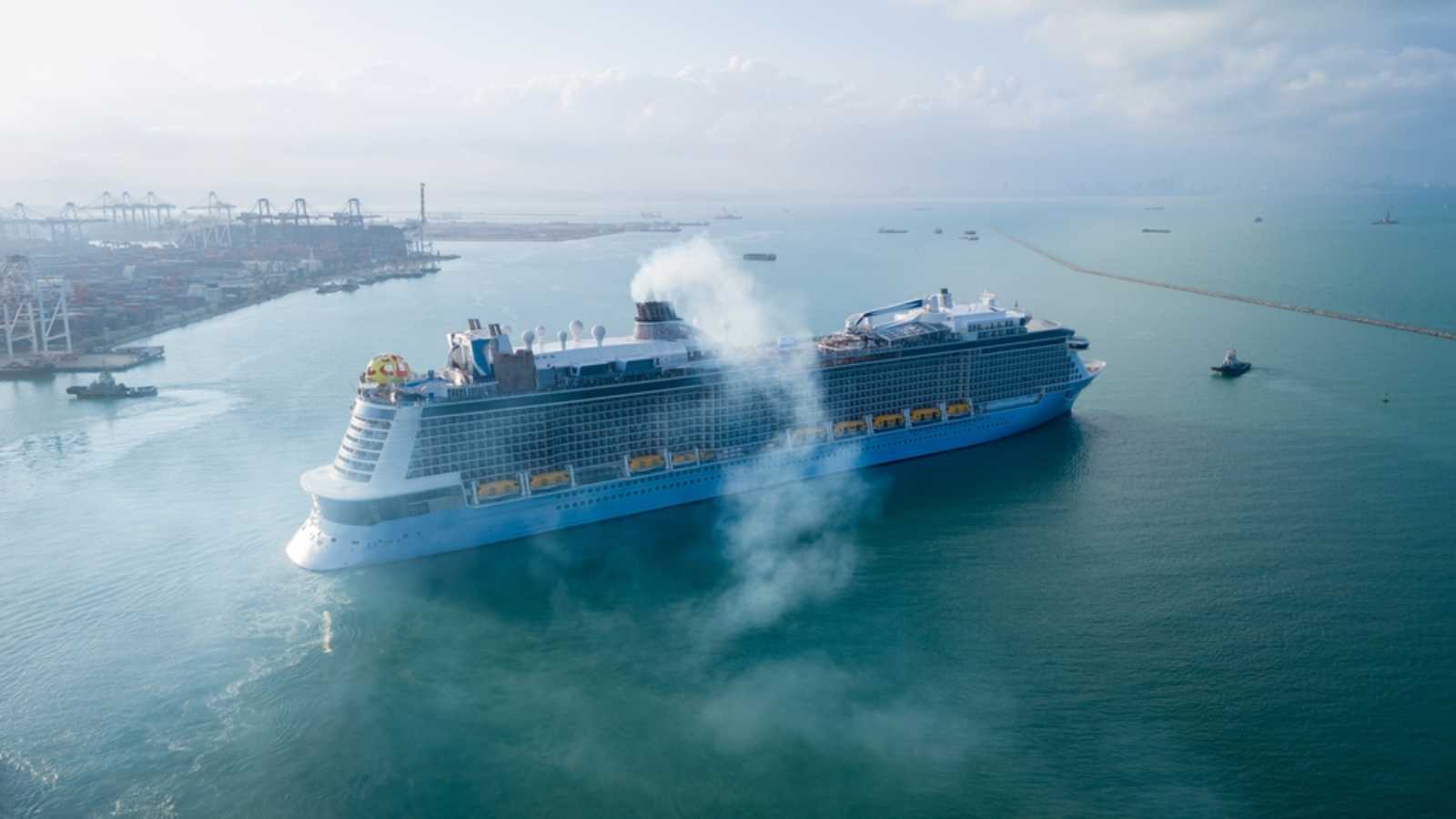
A growing number of Americans are deeply concerned about their environmental footprint, and cruising doesn’t exactly have the best reputation. A 2022 report by the Environmental Defense Fund indicated that cruise ships emit more CO2 per passenger than airplanes, and they’re notoriously bad for marine life.
With the climate crisis front and center in global discussions, many are questioning whether taking a cruise is the most eco-friendly vacation choice. Who wants to enjoy their tropical beach day knowing they just added to the planet’s pollution problem?
- Why it works: Cruises have a significant environmental impact, which concerns eco-conscious travelers
- How to avoid it: Choose eco-friendly cruise lines or consider other vacation options, such as eco-tourism.
Safety concerns (post-pandemic)
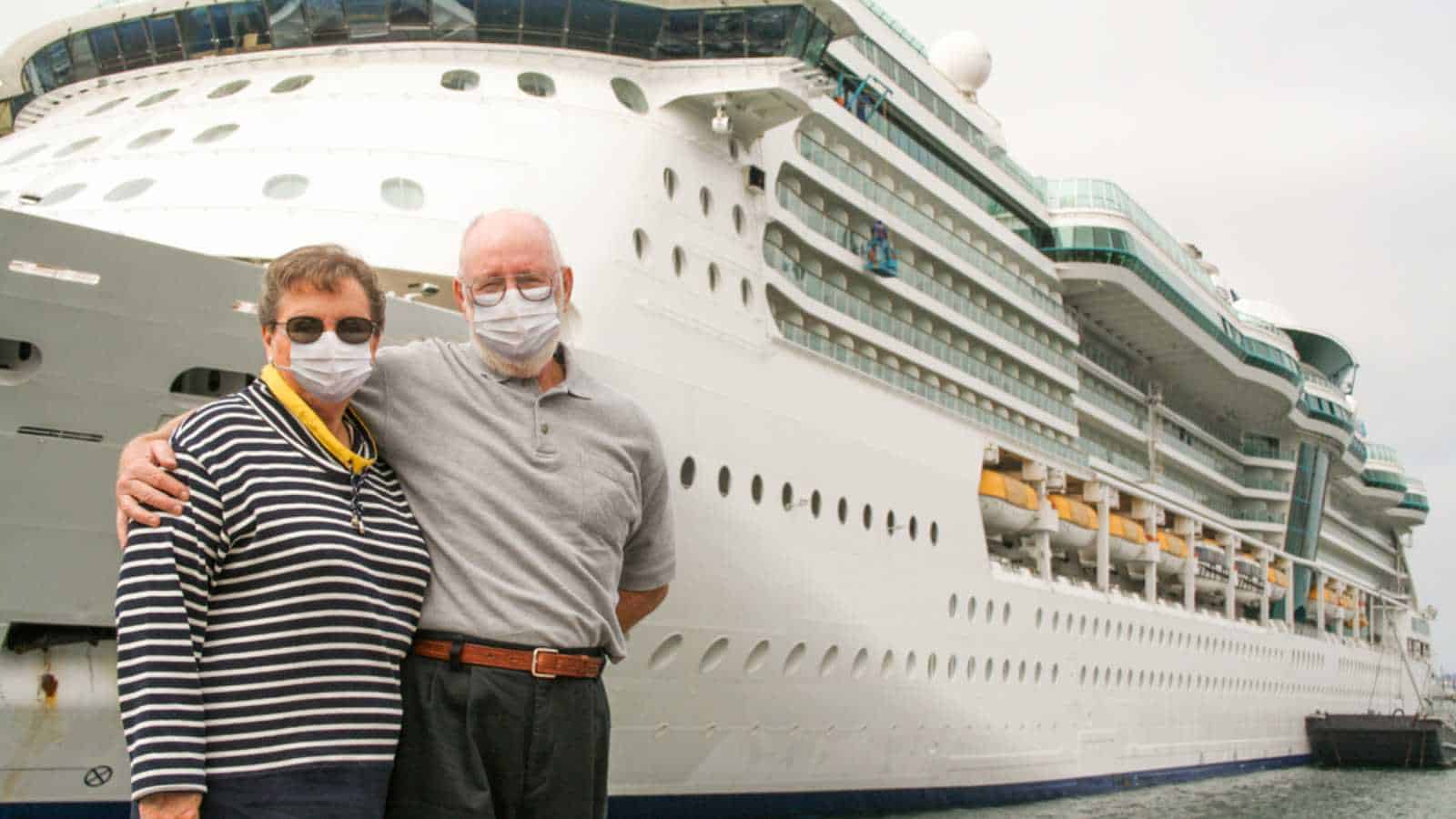
We all remember the headlines: quarantines, outbreaks, and cruise ships stuck at sea. While the cruise industry has rebounded since the pandemic, various studies found that Americans remained concerned about the safety of cruising, particularly regarding health protocols and exposure to COVID-19.
No one wants to be locked in a floating hotel with hundreds of strangers and the possibility of getting sick. Even with improved measures, safety and cleanliness remain a significant deterrent for many potential cruisers.
- Why it works: Health and safety concerns still linger after the pandemic
- How to avoid it: Ensure the cruise line has strong safety and health protocols before booking
Limited time in port

Cruises often offer only a taste of the destinations they visit, which can be frustrating for travelers who want to truly explore a place. According to a 2022 survey by Cruise Market Watch, 67% of respondents preferred longer stays at fewer ports over quick stops at multiple destinations.
If you’re only getting a few hours at a port, is it even worth it? Many travelers prefer more freedom to explore on their own terms, rather than being herded from one quick tour to the next.
- Why it works: More time at each destination allows for deeper experiences
- How to avoid it: Try a land-based vacation or a more intimate cruise with longer stays
Lack of privacy

Ever felt like there was too much togetherness on a cruise? In many cases, it’s hard to find a quiet moment alone. According to 2019 data by Travel Leaders, privacy concerns topped the list of reasons people were reconsidering cruises.
With shared dining rooms, crowded pool decks, and social events galore, privacy can be hard to come by. If you’re someone who values alone time, a cruise might not be your ideal choice.
- Why it works: Shared spaces on cruises can feel intrusive
- How to avoid it: Look for cruises offering private suites or opt for a different vacation style
Limited dietary options
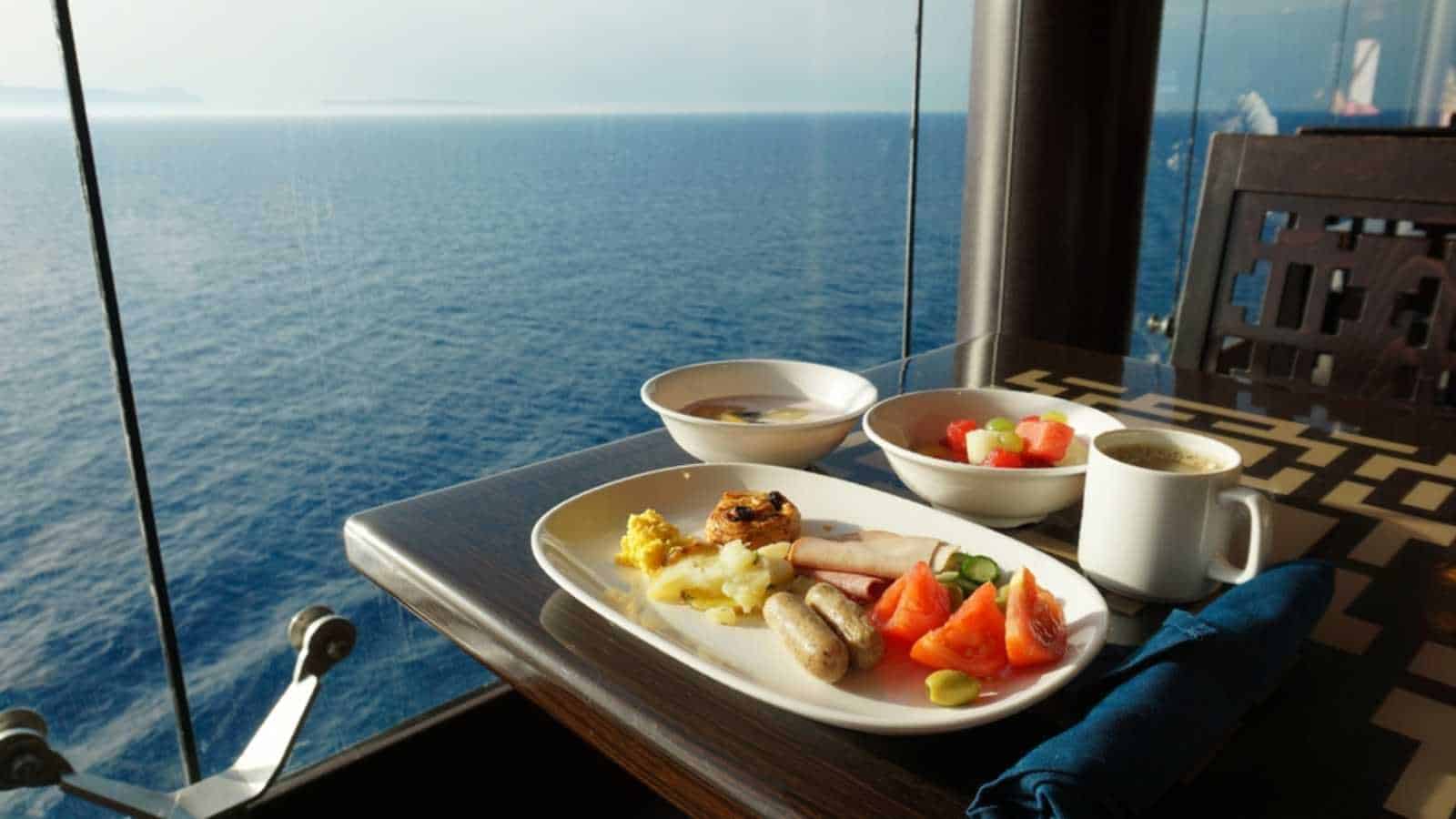
One common gripe among cruise travelers is that food isn’t always as exciting or varied as they hoped, especially if you have special dietary needs. While cruise lines can and do accommodate things like gluten‑free, vegetarian, halal, kosher, or other allergies, the reality is that these options aren’t always as seamless or satisfying as land‑based restaurants. Most major lines require you to notify them well before sailing to ensure meals are prepared safely and correctly, and in some cases, buffet stations aren’t fully equipped to handle highly customized dietary requests.
Academic research also highlights that culinary quality and variety are major factors in overall satisfaction with cruise experiences. A recent study analyzing thousands of reviews found that food quality and variety strongly influence how cruisers rate their onboard dining experiences, with passengers reporting higher satisfaction when menus offer diverse, creative options rather than standard buffet fare.
- Why it works: Many cruises still focus on standard, non-customizable meals
- How to avoid it: Look for cruises that cater specifically to special dietary needs
Lack of flexibility in itineraries

If you like spontaneity and unplanned adventures, cruises might not be for you. You’ll find that itineraries are rigid, with set departure times, excursions, and port times. A 2022 study by Cruise Insight found that 60% of people prefer more flexible vacation styles that allow them to go with the flow.
When you’re forced to follow the schedule and adhere to the ship’s timetable, you miss out on the freedom of exploring at your own pace.
- Why it works: Flexibility allows for a more personalized experience
- How to avoid it: Choose land-based trips or smaller cruises with more relaxed schedules
Poor customer service

According to recent industry research on customer satisfaction, cruise customer service is a major factor in overall satisfaction and can significantly influence whether someone would book another cruise or recommend it. In fact, cruise industry surveys show that service elements such as staff friendliness, responsiveness, and attention to guests’ needs are among the strongest predictors of whether travelers rate their cruise positively or negatively.
In the 2025 America’s Best Customer Service report by Newsweek and Statista, several leading cruise operators, including Disney Cruise Line, Viking Cruises, and Royal Caribbean, earned high customer service ratings, reflecting where service is succeeding rather than where it’s failing.
Now, that doesn’t mean every cruise has flawless service. Online traveler communities and cruise review sites show that guests occasionally cite problems with wait times, responsiveness, or inconsistencies between ships and staff, especially on larger vessels where crew can be stretched thin. So when you’re paying hundreds or even thousands of dollars for your vacation, service matters more than you think. Good service doesn’t just make a trip pleasant; it creates memories you want to share.
- Why it works: Great service enhances the overall vacation experience
- How to avoid it: Read customer reviews and choose highly-rated cruise lines
Environmental impact of large ships
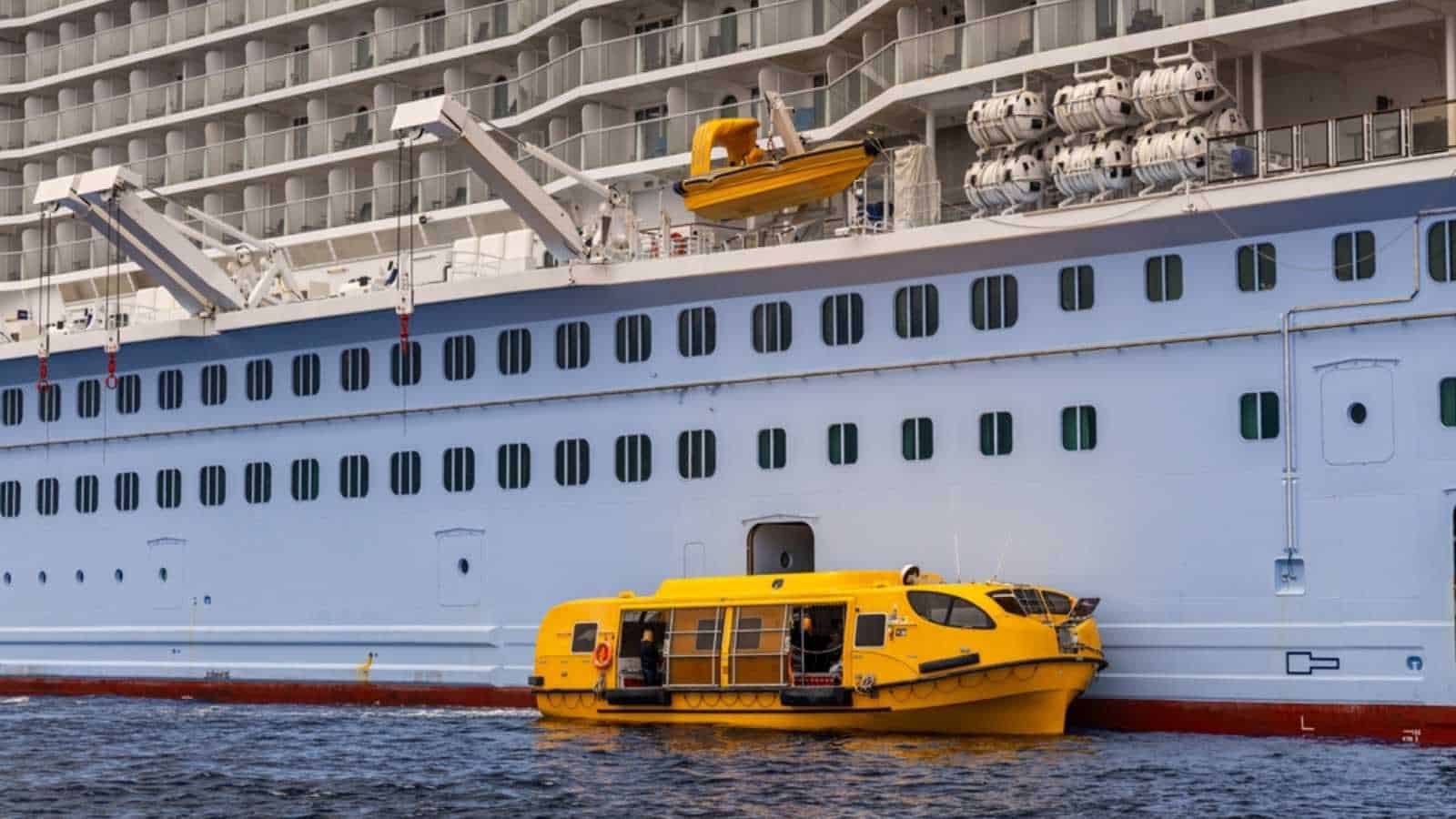
Ever wonder how much energy it takes to keep those massive cruise ships running? It’s not just about pollution, it’s about fuel consumption and waste. A 2021 report by the International Council on Clean Transportation found that cruise ships are among the highest consumers of fuel per passenger of any mode of transportation.
If you’re trying to minimize your carbon footprint, hopping on a massive cruise ship might feel like a step in the wrong direction.
- Why it works: Eco-conscious travelers prefer low-impact vacations
- How to avoid it: Choose sustainable cruise options or explore eco-tourism
Unpredictable weather
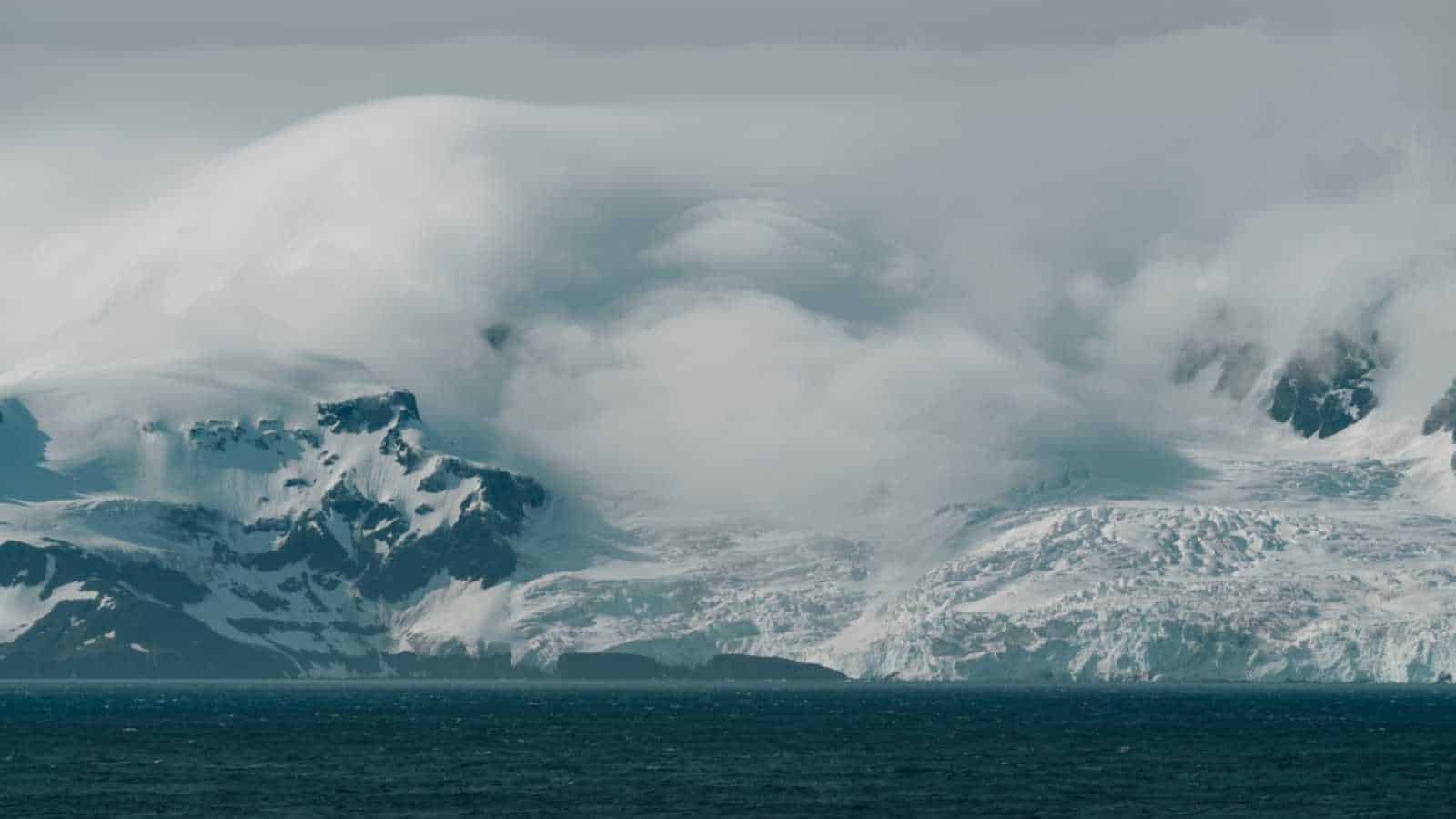
Bad weather can ruin a cruise, and no, you can’t just leave it behind like you can with a beach resort. Weather-related disruptions were among the top complaints from cruisers, with many passengers experiencing delays or canceled stops due to storms or rough seas.
You could be stuck in your cabin for hours or miss out on a highly anticipated excursion because of a little rain. Not exactly the dream vacation you signed up for.
- Why it works: Weather can throw off your entire itinerary
- How to avoid it: Research the cruise route and time of year for more predictable weather
Key takeaway

The allure of cruising is undeniable: sun, sand, and endless buffet options. But if you value flexibility, privacy, and authentic travel experiences, it might not be the best fit. From crowded ships to environmental concerns, there are plenty of reasons why Americans are skipping cruises, and many of them are valid.
Like our content? Be sure to follow us.