10 rude tipping habits you probably don’t realize you have
Most of us think we’re decent tippers, but a few everyday habits might be driving our favorite servers a little crazy.
Tipping culture in the United States often feels like a complicated dance with constantly changing rules. Consumers everywhere face digital screens spinning around at checkout counters with suggested percentages that seem higher every year. Figuring out the right amount to leave for various services can easily stress out even the most generous patrons. The rules of etiquette blur fast when screens prompt you for a gratuity before you even receive your coffee.
Nobody wants to look cheap or offend the hardworking individuals who keep the service industry running smoothly. However, certain common behaviors actually frustrate service workers much more than a slightly lower percentage on the receipt. Customers frequently commit minor faux pas without ever realizing how their actions impact the staff working behind the scenes. Recognizing these hidden bad habits can completely change your next dining experience and keep you in the good graces of your servers.
Punishing the Server for the Kitchen Staff’s Mistakes

Food taking too long or arriving cold is understandably frustrating after a long day at work. However, your server did not cook the food, and cutting their gratuity hurts the wrong person. The waitstaff relies heavily on your generosity to pay their bills, regardless of a delayed ticket.
Michael Lynn, a consumer behavior professor at Cornell University, notes that service quality accounts for less than four percent of the variation in tip amounts. People often arbitrarily change their gratuity based on factors totally outside the server’s control. Communicate your disappointment politely to the manager instead of passively aggressively reducing the final tip.
Tipping on the Subtotal Amount Only
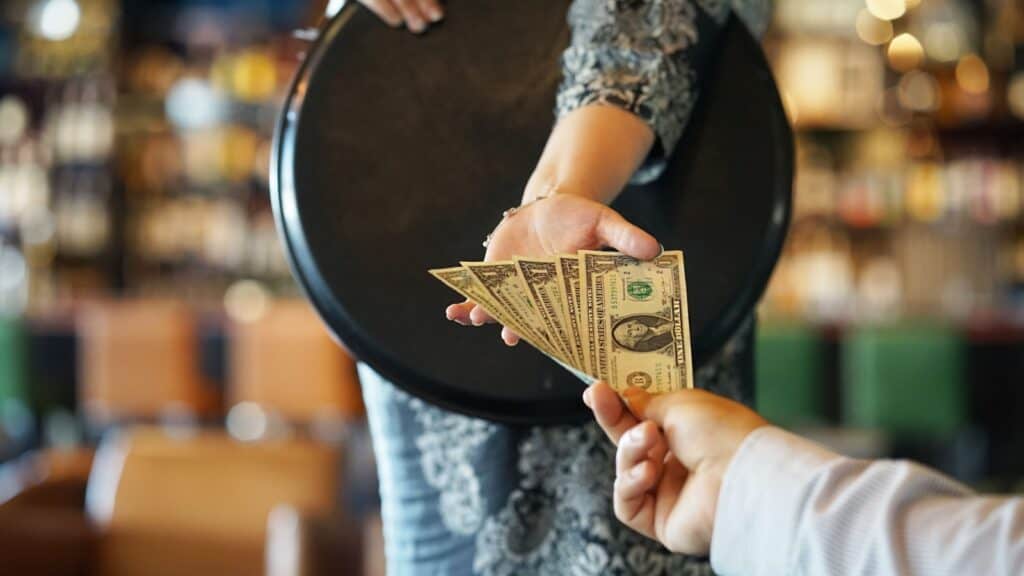
Calculating your percentage based purely on the subtotal is a surprisingly common habit among diners. Service industry professionals consider it customary to tip on the final bill total, including all local taxes. Taking the time to deduct the tax amount before multiplying just makes you look unnecessarily stingy.
According to a Pew Research Center survey, 72 percent of United States adults say tipping is expected in more places today than five years ago. With expectations constantly rising, shortchanging the bill by a few cents over tax sends a bad message. Make the math easy on yourself and simply base your calculation on the final number printed on the receipt.
Hovering Around During the iPad Checkout
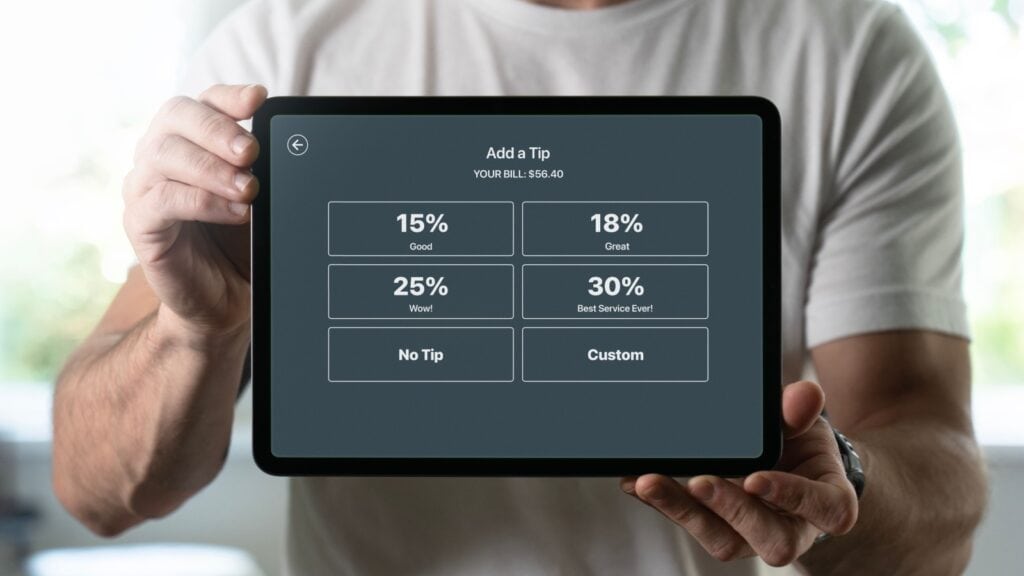
Staring down the barista while the screen prompts you for a gratuity makes everyone involved incredibly uncomfortable. The tablet rotation dance has become a staple of modern cafes and quick-service restaurants. Rushing the employee or sighing loudly while making your selection only adds tension to a brief interaction.
Digital tipping platforms frequently cause anxiety for customers who feel put on the spot. A LendingTree report 403 found that 60 percent of Americans tip out of guilt, a feeling chief credit analyst Matt Schulz calls a powerful motivator. Take a deep breath, make a choice that fits your budget, and complete the transaction without making a scene.
Holding the Gratuity Hostage for Better Service
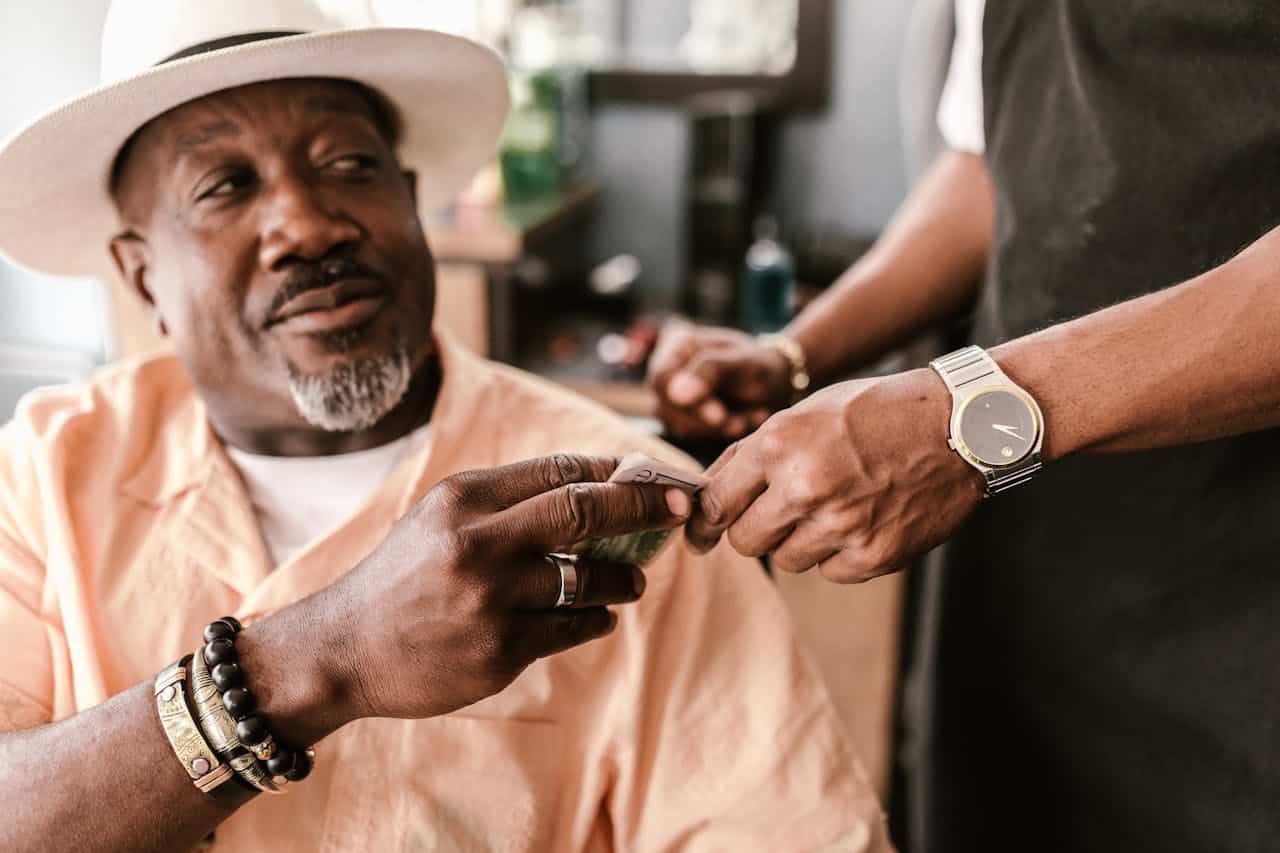
Waving cash around or repeatedly reminding the waitstaff about their potential tip is highly insulting. Dangling a monetary reward over someone’s head turns a hospitality interaction into a degrading power trip. Servers naturally prioritize respectful customers over patrons who treat them like performing animals.
Bankrate senior industry analyst Ted Rossman noted in a report that tipping now feels like a hidden tax, as 63 percent of adults view the practice negatively. Despite these widespread consumer frustrations, treating your server with basic human dignity should remain your primary focus. Building a good rapport with the staff always yields better results than obvious financial bribery.
Giving Verbal Compliments Instead of Cash

Telling a bartender they made the best cocktail of your life is wonderful for their self-esteem. Unfortunately, verbal praise does not pay the rent or cover their rising utility bills. Many patrons falsely believe that showering the staff with compliments excuses them from leaving a monetary reward.
The service industry operates on cash flow rather than good intentions or friendly smiles. Even if you dislike the current economic system, the worker still depends on your gratuity to survive. Back up your glowing review with a standard twenty percent tip to show true appreciation for their hard work.
Handing Over a Mountain of Loose Change

Dumping a heavy jar of quarters and dimes on the table as a tip is incredibly frustrating for the recipient. Servers do not have the time or the pocket space to carry around pounds of loose metal. While money is money, dropping a pile of coins feels dismissive and creates extra work for the staff.
Avoiding loose change is easier than ever with modern technology. StudyFinds reports a survey by PlayUSA that discovered that 54 percent of Americans feel pressure to tip extra when using point of sale tablets, but these devices do eliminate clunky physical cash. Skip the coin drop entirely and let the machine handle the exact percentages for you.
Assuming the Delivery Driver Gets the App Fee
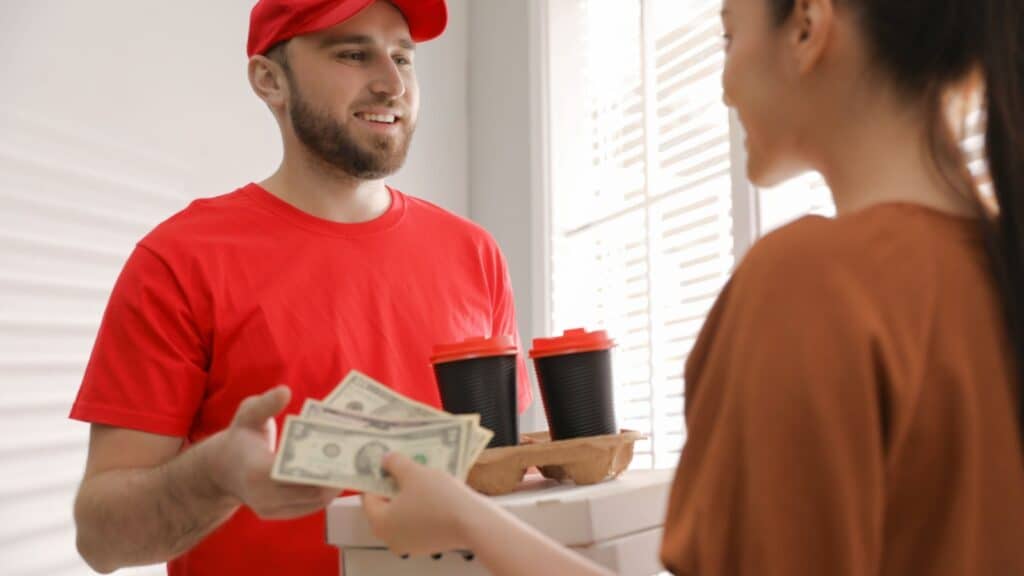
Many customers incorrectly assume that the hefty delivery charge goes directly into the driver’s pocket. In reality, the restaurant or the delivery application absorbs almost all of those extra service fees. Your driver burns their own gas and puts wear on their personal vehicle to bring food directly to your doorstep.
Always add a separate gratuity specifically designated for the person braving the traffic for your convenience. Taking a moment to understand how the app distributes money helps you accurately reward your specific driver. Handing the worker cash upon arrival is another excellent way to bypass corporate confusion completely.
Ignoring the Tip Jar at Small Local Businesses

Tossing a dollar into the jar at your neighborhood bakery is completely optional but highly appreciated. Regularly skipping the tip jar at businesses you visit every day paints you as somewhat unappreciative. These small gestures add up significantly for baristas and bakers who rely on volume to make a living.
Building a relationship with your local shop means participating in their small tipping rituals occasionally. You certainly do not have to tip for every single black coffee you order throughout the week. Dropping a few dollars in the jar on Fridays goes a long way in establishing goodwill.
Leaving a Religious Tract or Fake Money
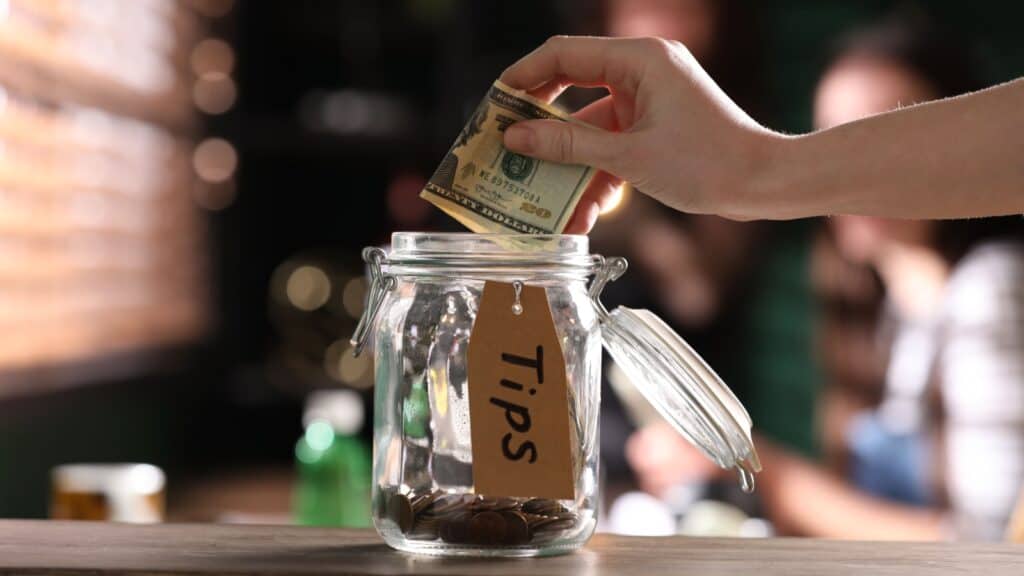
Finding a crisp twenty-dollar bill on the table thrills any exhausted server working a double shift. Discovering that the money is actually a printed pamphlet in disguise feels like a cruel and unnecessary prank. Service workers need actual currency to buy groceries and pay for their daily living expenses.
Sharing your personal beliefs is perfectly fine, but doing so at the expense of a worker’s livelihood is poor form. If you really want to leave reading material for the staff, always place it next to a legitimate cash tip. Treating servers with economic respect opens them up to your message far more effectively than a trick.
Splitting the Bill Into a Million Tiny Pieces

Asking your server to divide a massive group check across eight different credit cards is a logistical nightmare. The time required to process multiple payments pulls the staff away from attending to their other tables. Small miscalculations happen easily when servers rush through complex math operations during a busy dinner rush.
Venmo and other digital payment applications exist specifically to solve this modern dining problem. Have one person pay the entire tab upfront and let the rest of the group reimburse them digitally. This simple method saves the restaurant staff a massive headache and speeds up your entire departure process.
Like our content? Be sure to follow us.