13 reasons Americans don’t enjoy eating out anymore
For many, dining out once felt special, but that’s shifting. Recent YouGov data show that 37% of Americans ate out less than a year ago, and 69% of those cite escalating restaurant prices as a primary reason.
As costs rise, more diners are questioning if dining out is truly worthwhile. When a meal feels more like a financial burden than a treat, it’s clear why home cooking is growing in appeal.
Surging prices, declining service, and uncomfortable restaurant environments all prompt people to reconsider eating out. As a result, many discover that cooking at home or ordering takeout can match, if not surpass, the pleasure of dining out.
Sticker shock is driving people home

Over the past few years, dining out has become a luxury, not just a treat. Many are stunned by how sharply restaurant prices have risen and often feel the expense doesn’t match the experience.
When dinner costs $30 or more, it’s natural to reconsider its value. Losing $40 on disappointing food or meager portions is aggravating. Plus, drinks, tips, and taxes quickly add up, making people pause before deciding to eat out.
Such mounting costs drive more people to cook at home, where meals cost less, and you control what’s on your plate. Meal prepping and grocery runs are surging, letting people experiment with new recipes and cuisines without overspending.
Tipping fatigue is killing the joy of eating out

Tipping has always accompanied dining out, but now it overwhelms many. According to a Popmenu study, 65% of Americans are “fed up with tipping,” and 43% are tipping less than before.
Tip prompts appear everywhere, from fast-food counters to delivery apps, even in places where tips were never expected. Requests to tip for small purchases, like a coffee or salad, turn tipping into an obligation rather than a gesture, which erodes the enjoyment of dining out.
The unrelenting demand for tips, irrespective of service, leaves diners exasperated. What was once a simple, enjoyable outing now feels stressful, and more people are questioning whether tips are deserved or just routine.
Takeout and delivery are replacing the dining room

Why go out when you can have a meal delivered to your door? A survey by US Foods revealed that 57% of Americans prefer takeout or delivery over dining in a restaurant. In fact, while most people dine out about 3 times a month, they order delivery more than 4 times a month! The convenience of having a hot meal delivered straight to your door with just a few taps has made the restaurant experience feel less necessary.
Not only do you avoid the noise and hassle of a crowded restaurant, but you also get to eat in your comfortable pajamas, without worrying about dress codes or tipping. No waiting for a table, no noise, and you get to enjoy your meal on your terms. It’s clear: convenience is king.
For many, the simplicity of takeout and delivery, combined with the comfort of home, has made it the preferred option for meal time. In addition, with apps offering tracking, fast delivery, and easy payment, dining at home has become an increasingly seamless experience that rivals eating out at a restaurant. It’s a win-win for those looking for ease and comfort.
Menus feel more complicated and less satisfying
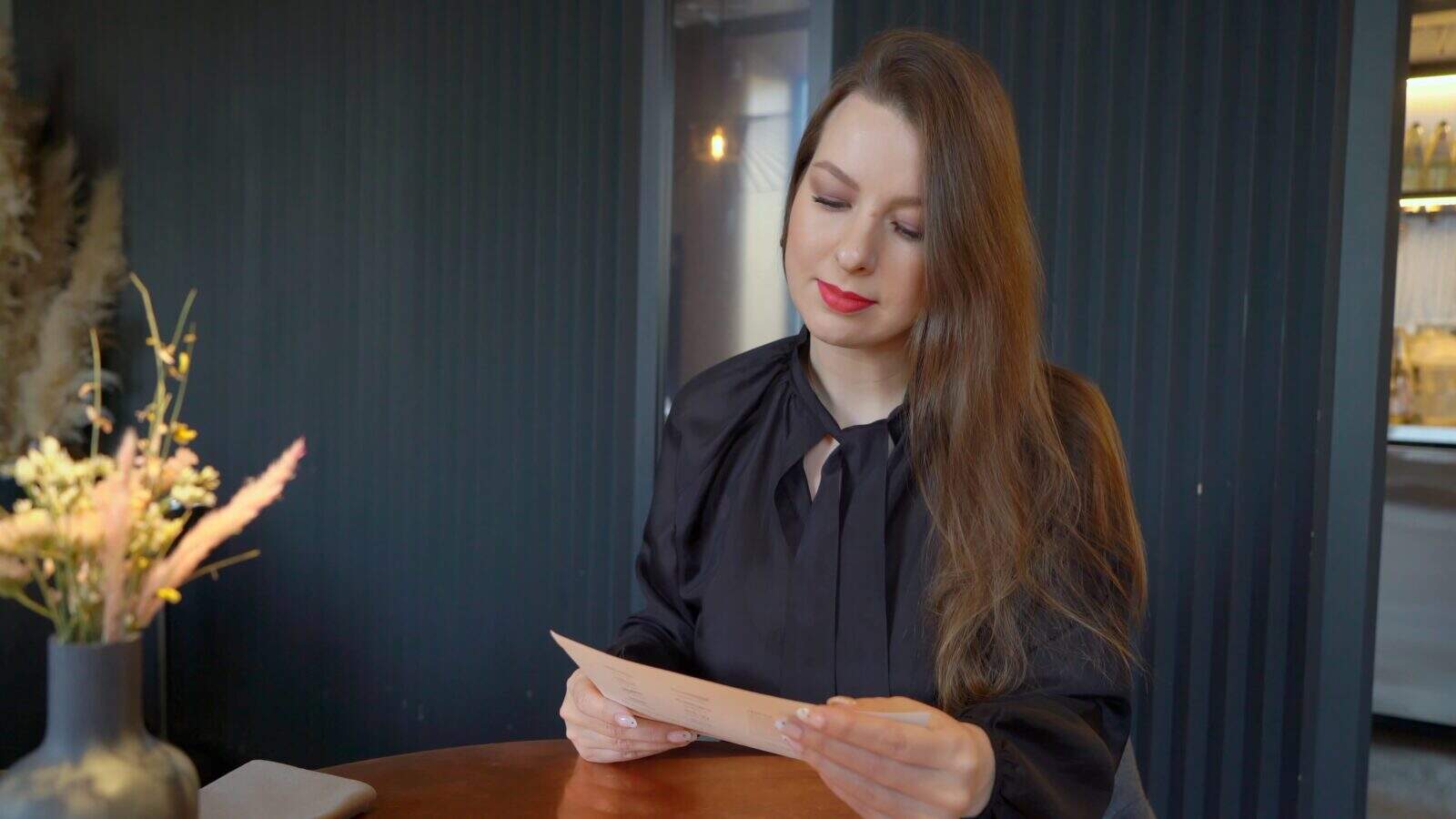
Restaurant menus today are increasingly complex. Many diners feel overwhelmed by the sheer number of options. As the demand for dietary accommodations, special requests, and creative menu descriptions grows, ordering becomes more of a mental task than a pleasant experience.
Some wish for the simplicity of a few great choices; instead, they face pages of increasingly complex options. For many, ordering food now feels less enjoyable, more like a chore. A process that was once straightforward has become a puzzle.
As a result, diners turn to simpler alternatives like cooking at home, where the menu is always exactly what you want. The overcomplication of restaurant menus has taken away from the dining-out experience it once provided. This endless maze of choices can leave diners frustrated rather than satisfied with the meal they eventually pick.
Staffing shortages are hurting service quality
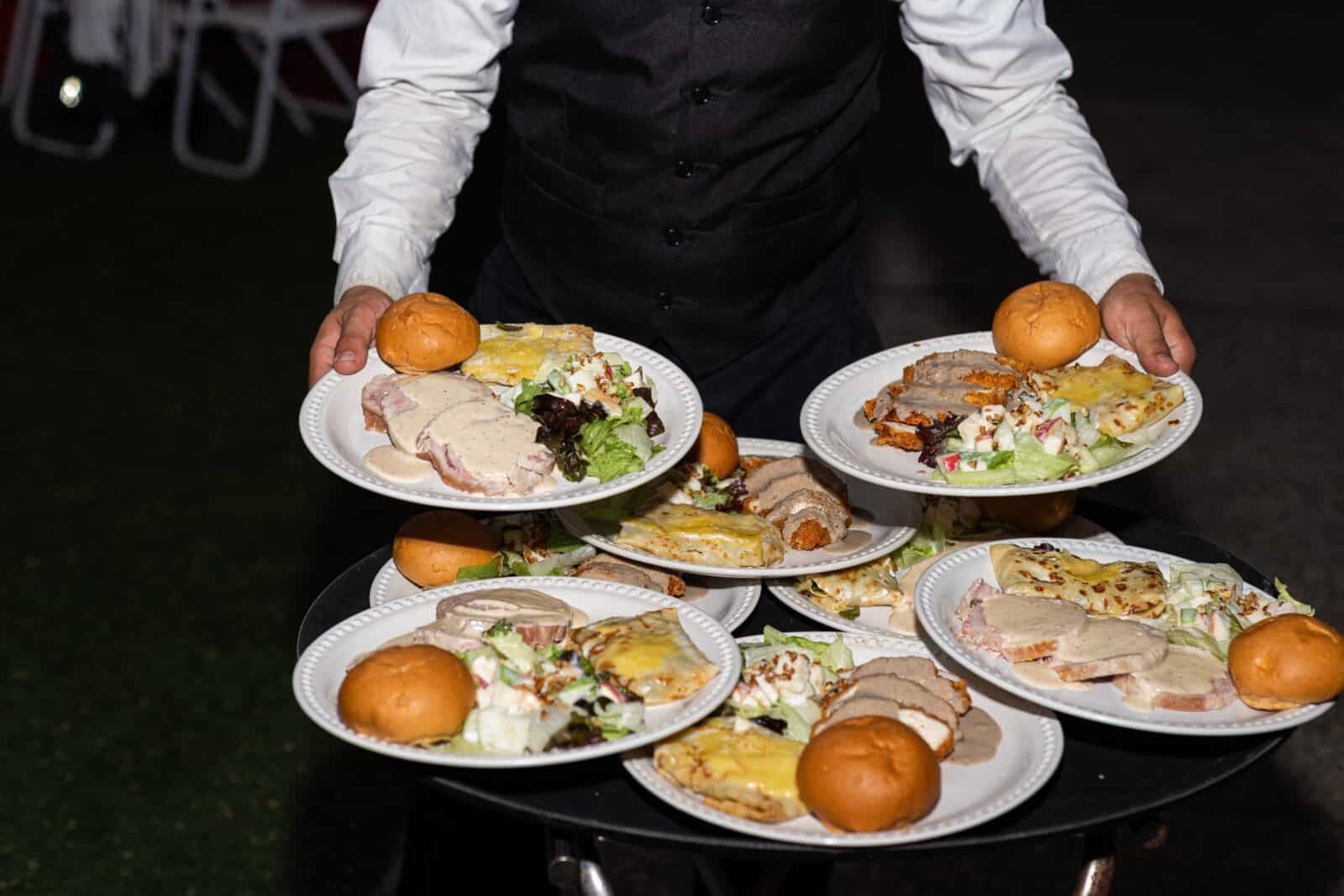
Have you noticed longer waits and sluggish service at your favorite restaurants? You’re not imagining it. U.S. restaurants remain 3.6% below pre-pandemic staffing, leaving many short-handed. Sixty-two percent of owners say they can’t find enough staff.
The results are felt everywhere: longer waits, thinner kitchen teams, and reduced personal service. Sometimes, diners feel their meal isn’t worth the wait or cost. These issues unsurprisingly drive more people to dine at home.
Restaurants race to keep pace with fewer employees, affecting the entire dining experience. Even loyal patrons now question tolerating delays, especially when delivery brings the same food much faster.
The dining experience feels rushed, not relaxing
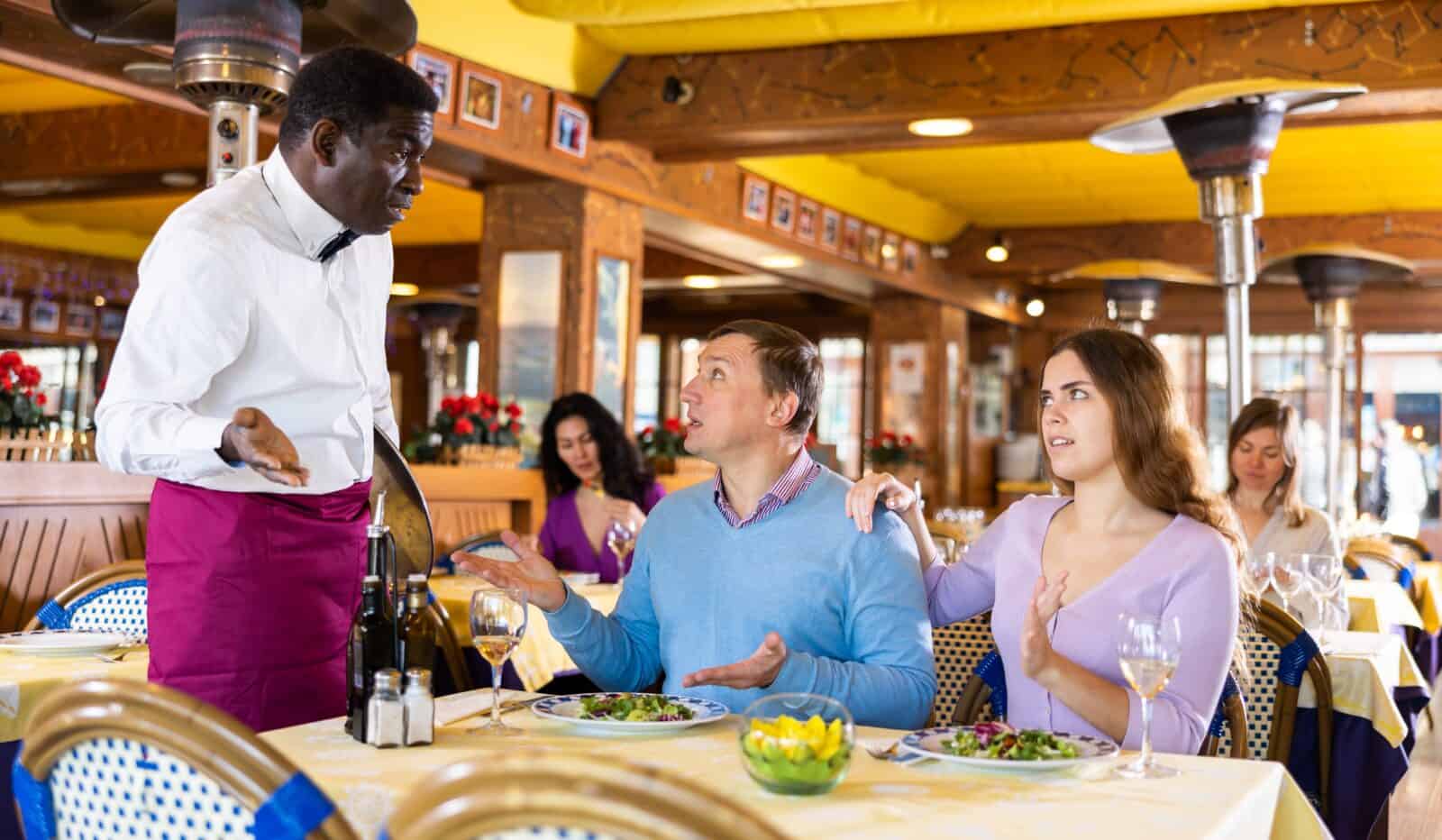
Dining out used to be a time to slow down and enjoy a meal at a leisurely pace, but that experience is becoming rare. Restaurants are under pressure to turn tables quickly, and customers often feel rushed as a result. From the moment they sit down, diners are made to feel like they need to eat quickly and leave so others can take their place.
The rushed atmosphere has turned what used to be a relaxing meal into a time-sensitive event. It’s no wonder people are choosing to stay at home, where they can enjoy their meal without the pressure to finish quickly.
The increasing pace of restaurant dining has turned meals into something to rush through rather than savor. For many, the sense of urgency and the hurried environment of modern restaurants have completely eliminated the joy of dining out.
Restaurants feel uncomfortably loud and chaotic
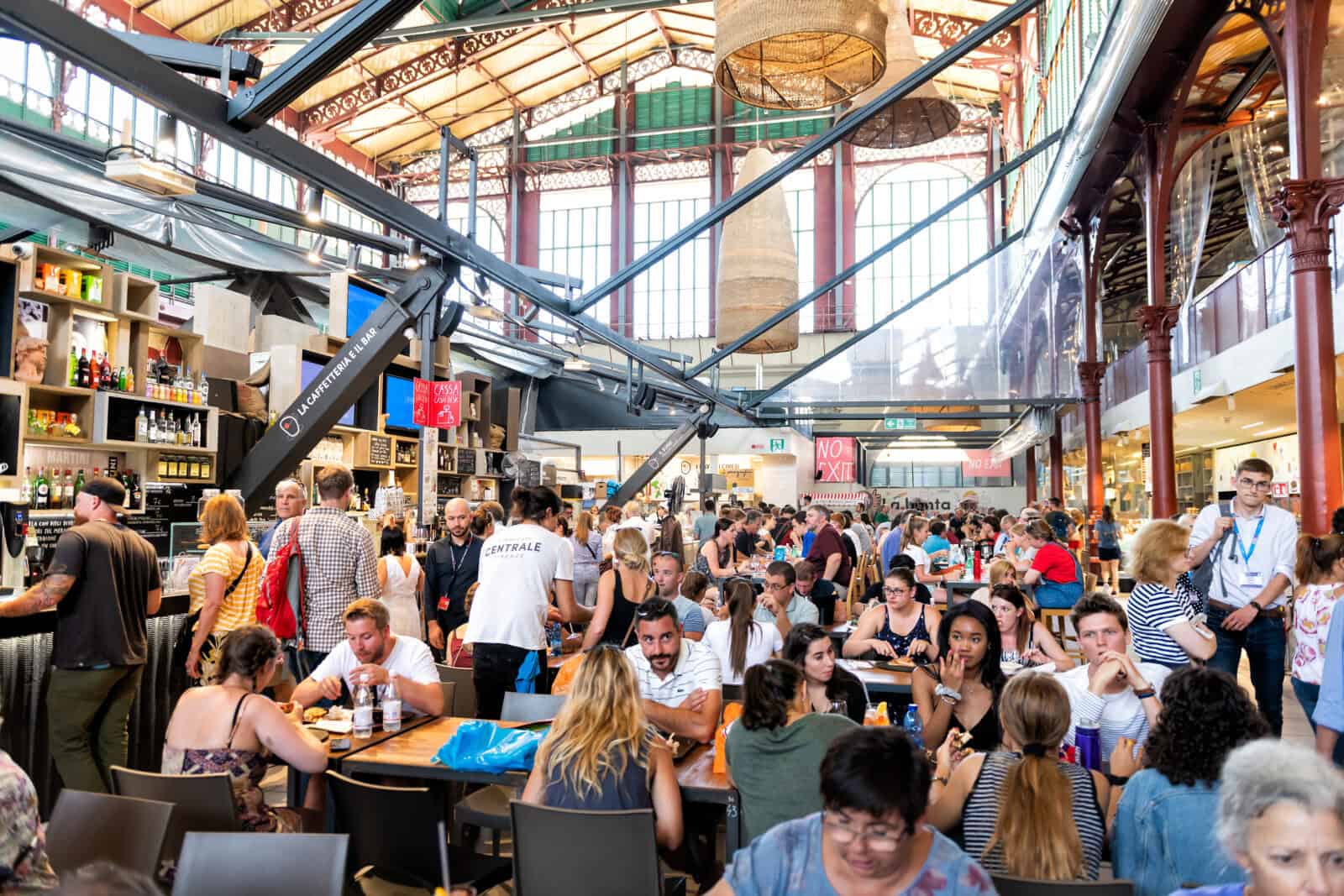
Have you ever tried to converse in a restaurant, only to be drowned out by noise? A national survey found that 65% of diners often struggle to hear their companions in loud environments.
Many feel restaurants now mimic bars, prioritizing a party vibe over a peaceful meal. The noise and crowds can make it hard to savor food or company. Instead of chasing quiet corners, more people stay home to seek calm and relaxation.
Loud spaces have eroded the charm of dining out for those seeking tranquility. Shouting just to be heard has replaced the cozy dining so many crave.
Safety concerns are making some diners think twice

For some diners, safety has become a major concern. In Washington, D.C., restaurant owners have reported a decline in reservations due to visible crime, car break-ins, and safety issues. One chef remarked that “everyone needs to feel safe” when dining out, and for many people, the risks associated with dining in certain areas have made them hesitant to leave their homes.
Safety concerns aren’t limited to D.C.; diners in cities across the U.S. worry about their personal security when dining out. From worrying about car break-ins to feeling unsafe on the way to and from restaurants, many are choosing to eat at home rather than risk their safety.
With safety concerns rising in many neighborhoods, the restaurant experience has become less inviting and more challenging for many customers. These concerns are affecting not only diners but also restaurant staff, who must navigate rising risks, ultimately making the entire dining-out experience feel more stressful than enjoyable.
Home just feels more comfortable than going out

Americans are increasingly choosing home comfort over dining out. In a 2024 survey by the Auguste Escoffier School of Culinary Arts, 76% agreed that eating at home is more enjoyable. Avoiding stressful reservations, crowded settings, and loud noise is a big draw.
At home, there’s no need to dress up or wait for a table. You cook at your own pace, dine with family or friends, and truly relax. For many, home-cooked meals bring not just food but comfort, peace, and a security that restaurants now lack.
When dining out loses its relaxed appeal, home’s simplicity beckons. Plus, home dining means you can personalize every meal, whether making your favorite comfort foods or experimenting with recipes to suit your tastes.
Tech and QR menus are making dining feel impersonal

One of the biggest changes to the dining experience in recent years is the shift to QR code menus. While technology was supposed to enhance convenience, many diners feel it has taken the personal touch out of the experience. The ability to interact with waitstaff and enjoy the warmth of customer service has been replaced by a cold, impersonal digital menu.
No more chatting with the server about the specials or getting recommendations based on your preferences, now it’s all about tapping your phone to make a selection. For some, this lack of personal connection makes dining out feel less like an experience and more like a transaction.
The shift to technology-heavy interactions in restaurants has left some customers feeling disconnected and unsatisfied with their dining experience. The coldness of tech-based dining lacks the warmth and human connection that used to be a hallmark of the restaurant experience.
Going out no longer feels like a special occasion
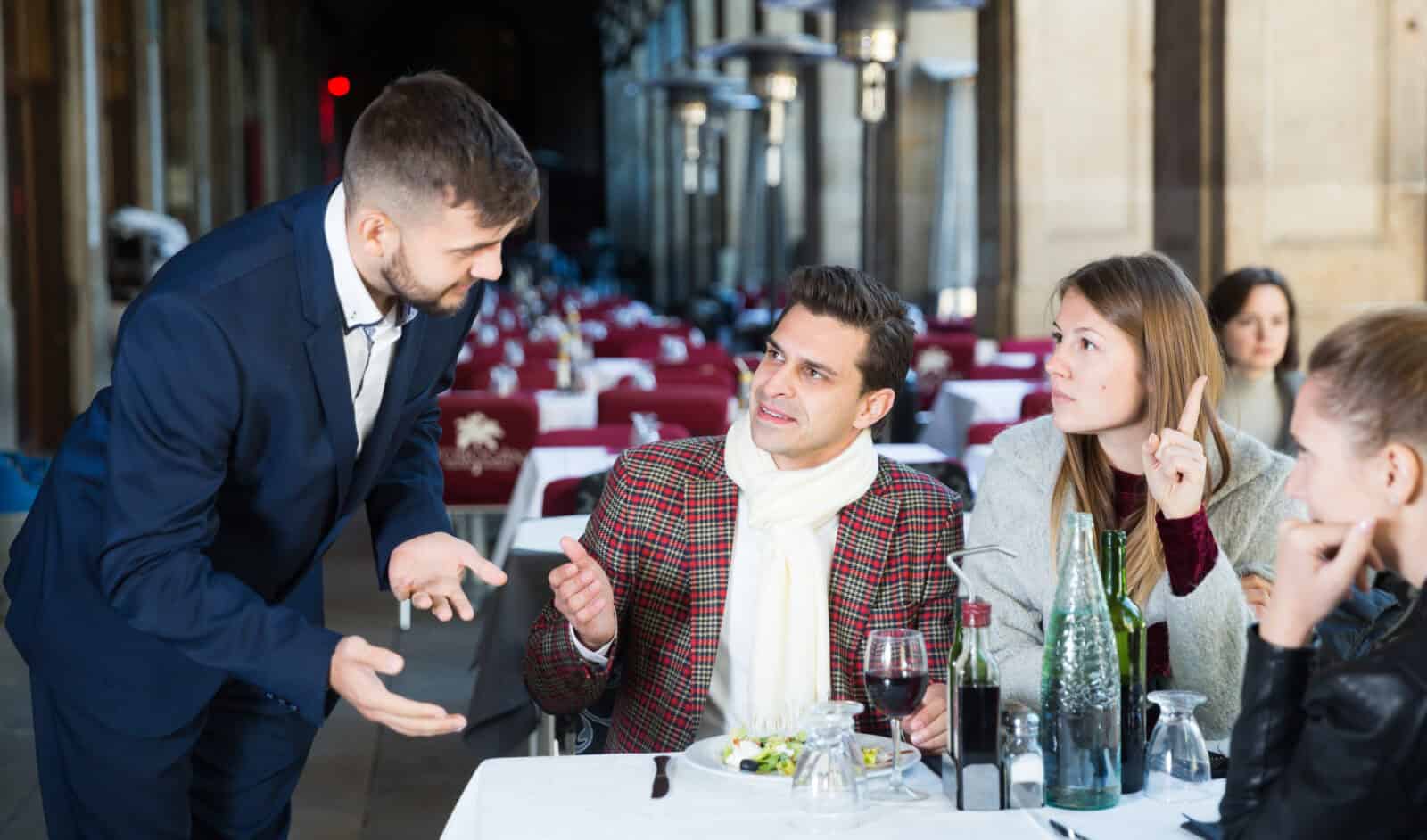
Dining out used to be reserved for special occasions, like birthdays, anniversaries, and holidays. But today, with rising prices and poor service, dining out has become just another meal.
The excitement that once came with trying a new restaurant or enjoying a night out has faded, replaced by frustration over high costs, long waits, and unsatisfactory service. What was once an exciting outing is now just another routine, and many are opting to cook at home for special occasions instead.
Dining out no longer carries the same excitement or significance it once did, and for many, it no longer feels worth the trouble or the expense. What was once a celebratory act is now seen more as an obligation, taking away the joy dining out used to bring.
Social media is exposing every flaw in real time
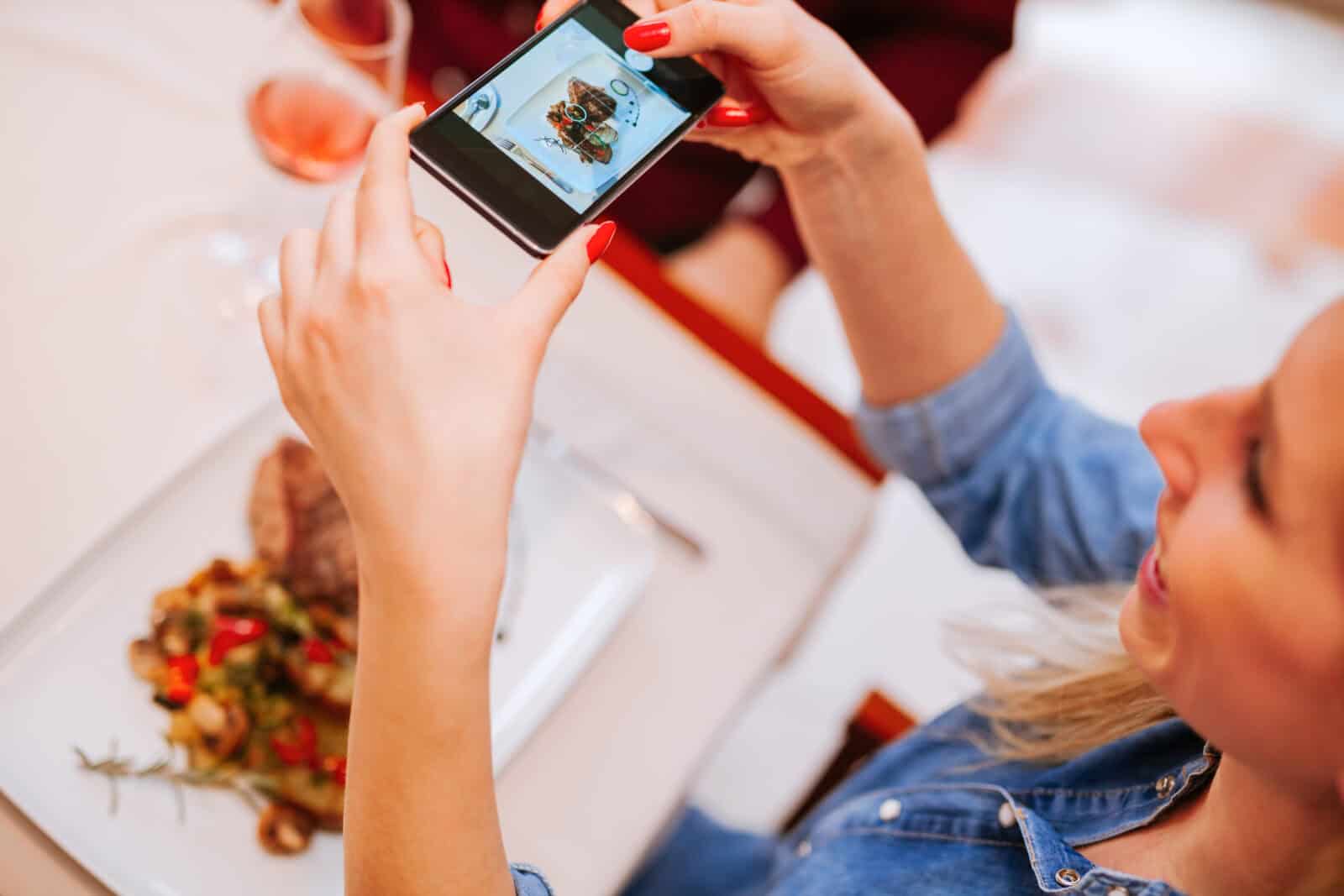
Social media lets diners share their restaurant experiences instantly, putting pressure on restaurants to get everything right. Any mistake, like a cold dish or slow service, can be posted online for everyone to see.
Instead of just enjoying a meal, diners sometimes feel like they’re on display. This constant attention has made dining out feel less personal and more like a show. Restaurants now have to meet the high expectations of social media users, and even small problems can lead to negative reviews or posts seen by thousands.
Like our content? Be sure to follow us.