12 things poor folks don’t think you understand
Poverty is not just a lack of money but a relentless series of calculations that quietly consume a person’s time, energy, and dignity.
Financial struggles create an invisible weight that completely changes how a person experiences everyday life. Many people who have never faced extreme lack struggle to grasp the daily calculations required just to survive.
It is easy to judge someone for buying processed food or skipping a doctor’s appointment without understanding the math behind those choices. Looking closer at these daily realities reveals a completely different perspective on money and survival.
The Constant Mental Math of Grocery Shopping

Walking down a supermarket aisle turns into a high-stakes calculus exam when funds are critically low. Every single item placed in the cart requires a mental adjustment of the total budget to avoid embarrassment at the register. The luxury of simply grabbing a craving off the shelf simply does not exist for millions of shoppers.
According to a recent 2024 USDA report, more than 18.3 million households experienced food insecurity. This stark reality forces shoppers to put back fresh produce in favor of cheap pasta that fills bellies longer. Buying in bulk saves cash eventually, but requires an upfront investment that many families cannot afford.
Buying Cheap, Even if Later Costly

People often wonder why someone would buy cheap shoes that fall apart quickly instead of investing in quality footwear. The truth is that spending a hundred dollars at once is impossible when a person only has twenty dollars to spare. This forces an endless cycle of buying cheap replacements that ultimately cost far more over time.
Author Terry Pratchett famously called this the boots theory of socioeconomic unfairness, and it perfectly describes daily reality. A person ends up with wet feet and an empty wallet while wealthy folks stay dry in their durable boots. It costs a lot of money to be poor because cheap goods constantly break down and demand replacement.
The Hidden Fees of Having Low Balances

Banks advertise free checking accounts but penalize customers heavily when their balances drop too low. A single miscalculation on payday can trigger an avalanche of overdraft fees that completely wipe out a checking account. These penalties create a steep mountain to climb just to get back to a positive balance.
A 2023 Consumer Financial Protection Bureau report shows bank revenue from overdraft fees reached nearly 6 billion dollars. Financial institutions essentially charge struggling people money just for the crime of not having enough cash. Escaping this vicious cycle feels like trying to swim against a powerful ocean current with heavy weights tied to your ankles.
How Time Becomes a Luxury One Cannot Afford

Taking a bus across town to save fifty cents on milk makes perfect sense when every penny dictates survival. Poverty steals time by forcing individuals to take the longest possible route to accomplish basic daily tasks. Wealthy folks can buy convenience to save time, but struggling individuals must spend their time to save tiny amounts of money.
According to a Transportation for America report, 45 percent of Americans lack access to public transit. This forces people to walk long distances or rely on unreliable rides just to show up at a minimum wage job. Hours slip away in waiting rooms and bus stops while affluent individuals zoom straight to their destinations.
The Paralyzing Fear of a Single Unexpected Bill
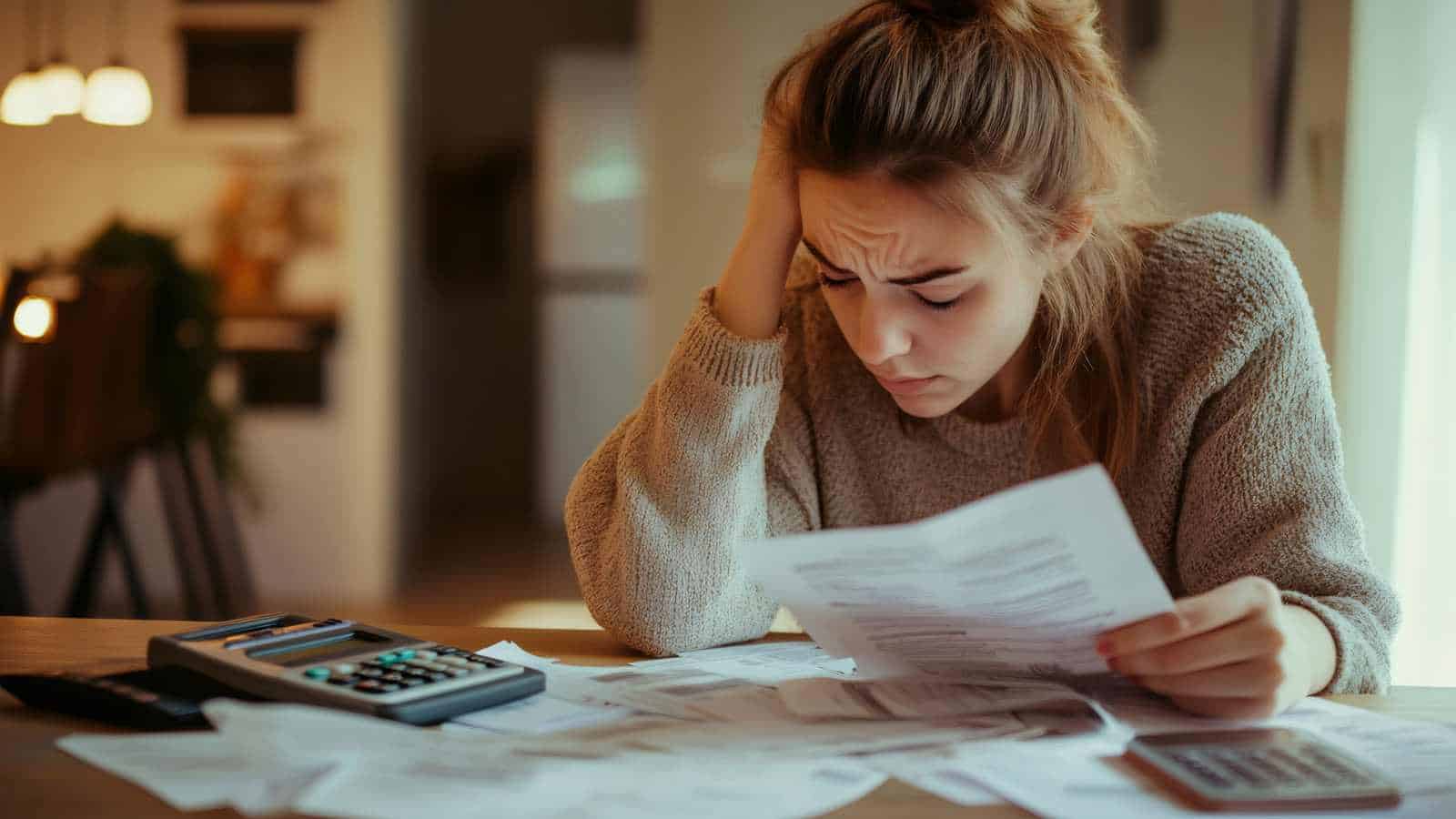
A minor car repair or a sudden toothache is merely an annoyance for someone with a comfortable savings account. For someone living paycheck to paycheck, that same event is a catastrophic disaster that threatens their housing and food security. The constant anxiety of wondering what might break next hovers over every single moment of the day.
A 2026 Bankrate survey reveals that 70 percent of Americans cannot cover a 1,000 dollar emergency expense with savings. This lack of a safety net means a blown tire can directly lead to losing a job and facing eviction. Living on the absolute edge means a person is always exactly one bad day away from total financial ruin.
Why Fast Food Is Sometimes the Only Viable Option

Nutritionists frequently lecture the public about cooking healthy meals at home with fresh ingredients to save cash. They rarely consider what happens when a worker finishes a double shift and returns to an apartment with no working stove. Picking up a cheap burger from a drive-through provides immediate calories when individuals lack the time and energy to cook.
A 2024 National Low Income Housing Coalition report highlights a shortage of 7.3 million affordable rental homes for low-income renters. Many available cheap apartments have broken appliances or shared kitchens that make meal prep incredibly difficult. Fresh vegetables rot in the fridge when a person is too exhausted from working multiple jobs to chop them up.
The Stigma Attached to Using Government Assistance

Swiping an EBT card at the checkout line frequently invites harsh glares and silent judgment from strangers in the store. Society often views social safety nets as a moral failing rather than a necessary lifeline during incredibly difficult times. People incorrectly assume that individuals receiving help are lazy instead of recognizing how broken the economic ladder truly is.
The emotional toll of this public shaming makes people feel completely invisible and deeply ashamed of their circumstances. Asking for help requires swallowing pride and submitting to invasive questions about personal life and spending habits. Nobody actually wants to depend on the government to feed their children or keep the lights turned on.
How Transportation Issues Limit Employment Opportunities
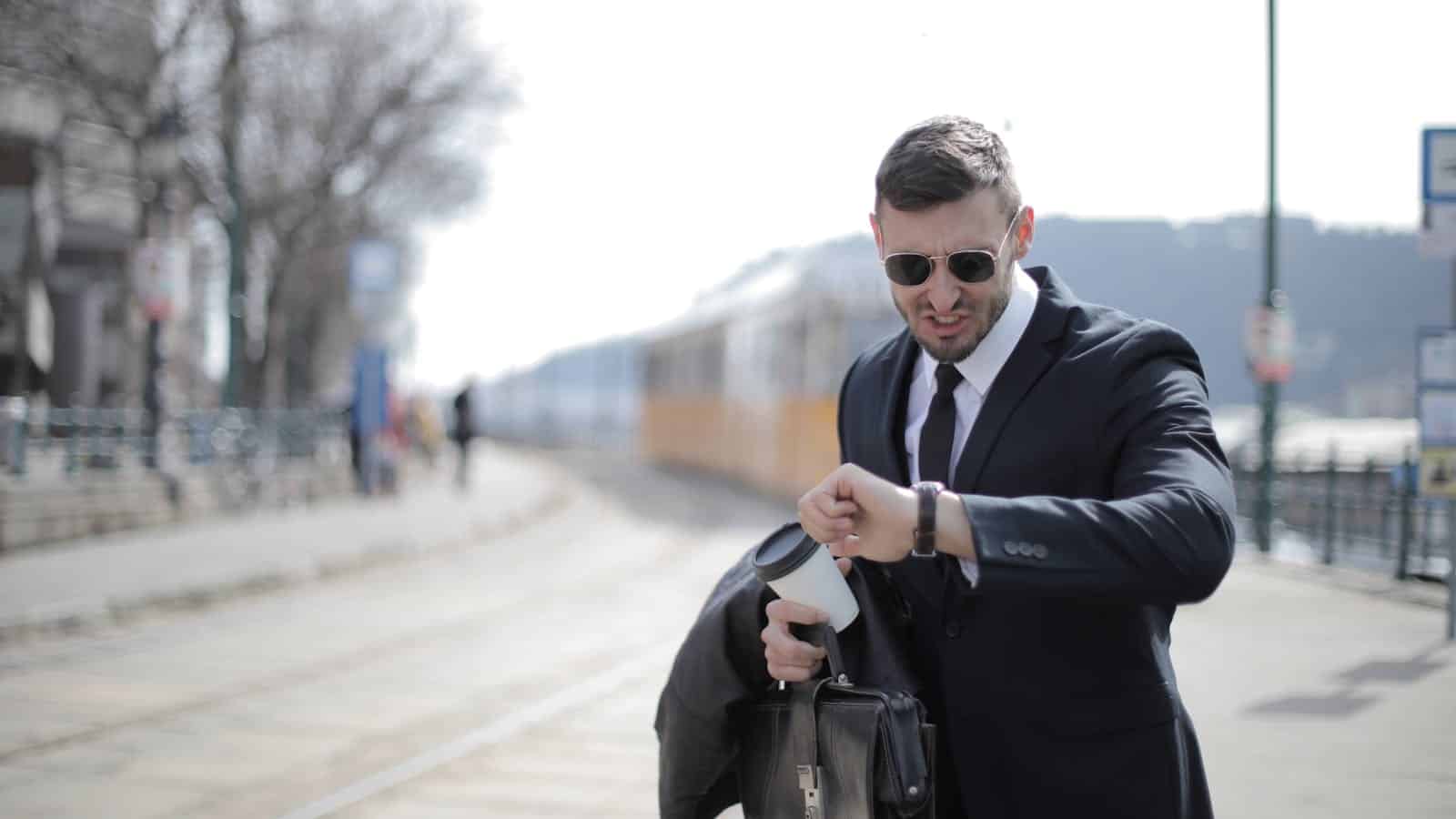
Job hunting looks vastly different when a candidate must calculate exactly how many bus transfers it takes to reach an interview. A fantastic job offer means absolutely nothing if the night shift ends after the local buses stop running. The geographic radius of potential employment shrinks drastically when individuals do not own a reliable personal vehicle.
People without cars often turn down better-paying jobs simply because they cannot physically get to the workplace. Ridesharing apps cost far too much for daily commutes, leaving desperate workers trapped in low-wage neighborhood jobs. Owning a car opens up a world of opportunity that remains firmly locked away from pedestrian workers.
The Exhausting Reality of Sleep Deprivation

Getting eight hours of restful sleep is a beautiful concept that simply does not align with working three part-time jobs. Financial stress keeps the brain running at maximum speed while lying awake calculating tomorrow’s bus fare. The physical exhaustion compounds daily until the body literally forces a shutdown at incredibly inconvenient times.
Worrying about rent and utilities floods the nervous system with stress hormones that make true relaxation utterly impossible. The constant hum of anxiety prevents deep sleep cycles, leaving workers physically drained before their shift even begins. A person wakes up tired and goes to bed tired while the world demands maximum efficiency.
Why Preventive Healthcare Feels Like an Impossible Dream

Going to the doctor for a simple checkup feels like walking into a financial trap filled with unexpected copays and bills. People wait until a minor ache becomes a severe emergency before they finally seek professional medical attention. Ignoring a health problem is often a calculated risk taken to keep food on the family dinner table.
A Premier Image Dentistry report notes that 46 percent of Americans delay or avoid dental visits due to costs. A simple cavity eventually turns into an expensive root canal because the initial cleaning was entirely out of budget. Health rapidly deteriorates when medical care is treated as a luxury item rather than a basic human right.
The Heavy Burden of Generational Poverty Traps

Starting life with absolutely zero financial support means a person is running a race starting miles behind the starting line. There is no wealthy relative to sign a lease or provide a small loan to fix a broken transmission. Every single mistake carries massive consequences because there is no family safety net to catch them when they fall.
Building wealth requires capital that families stuck in generational poverty simply never had the chance to accumulate. Young adults often end up financially supporting their struggling parents instead of saving for their own future goals. Breaking out of this inherited cycle requires extraordinary luck and superhuman effort that goes completely unrecognized by society.
How Social Isolation Grows With No Disposable Income

Friendships frequently revolve around spending money at restaurants, movie theaters, or casual weekend trips out of town. Declining invitations eventually leads to people simply stopping asking them to join their social gatherings. It is deeply embarrassing to constantly invent excuses for why a person cannot grab a casual drink after a long workday.
Poverty slowly shrinks a social circle until an individual is left completely alone with mounting financial anxieties. Free activities still require transportation and mental energy that completely evaporate after working a grueling shift. Being broke is profoundly lonely because participating in society almost always requires swiping a credit card.
Like our content? Be sure to follow us.