13 signs the housing market is about to pop
A surge in unsold homes, collapsing affordability, and rising foreclosures are converging, signaling that America’s housing market may be on the brink of a long-awaited reckoning.
The housing market has felt like a high-stakes game of musical chairs for years, but the music is finally starting to distort. Buyers are exhausted, sellers are anxious, and the economic indicators are flashing warning lights that we haven’t seen in over a decade.
While everyone was hoping for a soft landing, the data piling up suggests we might be in for a much bumpier ride. From skyrocketing insurance premiums to a glut of unsold homes, the foundation of this real estate boom looks shakier by the day.
Builder Confidence Is Plummeting
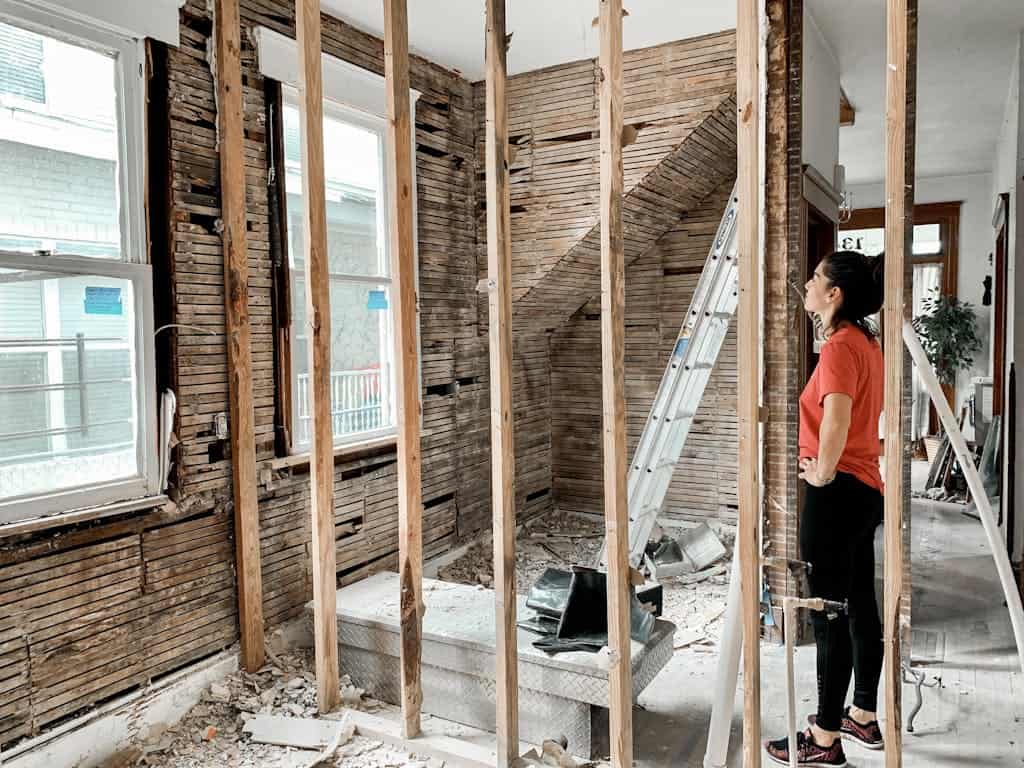
Construction companies have their ears to the ground, and what they are hearing has them hitting the brakes on new projects. Permits for single-family homes are dropping as builders realize they can’t sell what they build at current prices.
When the people who build houses for a living stop building, it is a sure sign they expect the market to contract significantly. This slowdown in construction is a defensive move to survive the winter that they know is coming.
Inventory Is Piling Up Everywhere
You might remember when a “For Sale” sign was barely in the yard before a bidding war started, but those days are officially in the rearview mirror. By November 2025, total active listings surged to approximately 1.3 million, a level we haven’t seen since the pre-pandemic days.
Buyers now have more options than they have had in years, which means sellers can no longer demand the moon and stars for a fixer-upper. As supply outpaces demand, the pressure to cut prices becomes unavoidable for anyone who actually wants to sell.
Insurance Is Becoming A Second Mortgage

Homeowners in states like Florida and California are finding out that their monthly mortgage isn’t the only bill threatening to break the bank. CNBC projections for 2025 showed Florida insurance premiums averaging $15,460, making homeownership unaffordable for many.
It is increasingly difficult to justify buying a home when the cost to insure it is rising faster than the property’s value. This insurance crisis is keeping many potential buyers on the sidelines, effectively draining demand in key markets.
Foreclosures Are Creeping Back
We are not seeing a 2008-style wave yet, but the number of distressed properties is quietly ticking upward nationwide. In the third quarter of 2025, foreclosure starts jumped 16% year over year, signaling that more homeowners are falling behind.
This uptick suggests that the economic safety nets that kept people in their homes are starting to fray under the weight of inflation and high rates. If unemployment rises even slightly this year, this steady drip of foreclosures could quickly turn into a flood.
New Homes Are Sitting Empty

Builders went all-in during the boom, but now they are staring at rows of finished houses with no buyers. By October 2025, the supply of new houses for sale sat at 7.9 months, a clear sign that construction has outpaced what people can afford.
When builders have too much inventory, they slash prices and offer aggressive incentives, which depresses the value of nearby existing homes. This oversupply is a classic leading indicator that the market has tipped from shortage to surplus.
Price Growth Is Hitting A Wall
The era of double-digit equity gains is over, and we are now seeing values flatten out or even dip in some overheated areas. National Mortgage Professional data from late 2025 showed annual home price growth slowing to just 2.4%, a dramatic brake check after years of runaway appreciation.
Sellers are slowly recognizing that their homes aren’t lottery tickets anymore, yet many are still clinging to yesterday’s prices. This disconnect between seller expectations and buyer reality is creating a standoff that usually ends with a drop in values.
The Affordability Gap Is Widening

The dream of homeownership has moved out of reach for a massive chunk of the population, creating a ceiling on how much activity the market can sustain. As of the first quarter of 2025, homeownership was considered unaffordable in 17 states, a stark rise from just one state in 2020.
When average wage earners can’t afford average homes, the market eventually runs out of fuel and must correct itself. We have reached a breaking point at which prices must come down because incomes cannot catch up fast enough.
Investors Are Pulling The Plug

Wall Street landlords and mom-and-pop flippers were buying everything in sight a few years ago, but they are suddenly much quieter. With interest rates staying elevated and rents softening, the math just doesn’t work for investment properties like it used to.
When investors stop buying, they don’t just disappear; they often start offloading their portfolios to cut losses, flooding the market with even more supply. This pullback removes the floor that was propping up prices in many mid-sized American cities.
Rent Is Becoming The Smarter Option
For the first time in a long time, renting is significantly cheaper than buying in almost every major metropolitan area. Why would someone pay $3,500 for a mortgage on a starter home when they can rent the same place for $2,200?
This financial reality is keeping first-time buyers in apartments longer, robbing the housing market of its most vital demographic. Without a steady stream of new entrants at the bottom of the ladder, the entire property chain starts to seize up.
Days On Market Are Stretching Out

If you check the listings in your neighborhood, you will notice the same houses sitting there week after week without going under contract. Homes are getting “stale” faster, forcing sellers to make price cuts just to get someone to click on their listing.
This accumulation of stale listings gives buyers the upper hand in negotiations, allowing them to request home repairs and concessions they wouldn’t have dared to ask for two years ago. Time is the enemy of high prices, and right now, time is on the buyer’s side.
The Lock-In Effect Is Cracking
Millions of homeowners swore they would never sell their homes and give up their 3% mortgage rates, but life happens regardless of interest rates. Divorce, job changes, and growing families are finally forcing people to list their homes, even if it means taking on a higher rate.
As these “locked-in” sellers enter the market, we are seeing a surprise injection of inventory that many experts said wouldn’t happen. This increase in supply is hitting at the exact moment demand is weakest, creating a perfect storm for price corrections.
Migration Boomtowns Are Busting

Cities like Austin, Boise, and Phoenix that exploded in popularity during the pandemic are now seeing the sharpest reversals. The remote-work freedom that drew people to these areas is being curtailed, and local economies can’t sustain inflated home prices.
We are seeing a “return to reality” in these Zoom towns, where prices rose too fast and are now coming down just as quickly. If you own property in one of these pandemic darlings, you are likely already seeing your equity evaporate.
Credit Card Debt Is Eating Savings

You can’t buy a house if you are drowning in debt, and unfortunately, that is the reality for more Americans than ever before. Household savings rates have plummeted, while credit card balances have reached record highs, eroding down payment funds.
This financial fragility means that even people who want to buy are being disqualified by lenders or simply can’t afford to close. A housing market cannot thrive when the consumer driving it is tapped out and living paycheck to paycheck.
15 Things Women Only Do With the Men They Love

The 15 Things Women Only Do With the Men They Love
Love is a complex, beautiful emotion that inspires profound behaviors. We express our love in various ways, some universal and others unique to each individual. Among these expressions, there are specific actions women often reserve for the men they deeply love.
This piece explores 15 unique gestures women make when they’re in love. From tiny, almost invisible actions to grand declarations, each tells a story of deep affection and unwavering commitment.