13 skills American kids are losing without anyone noticing
We are witnessing the first generation in history that might actually be less capable than their parents. That sounds harsh, I know, but the numbers don’t lie. A study from Northwestern University recently confirmed the “Reverse Flynn Effect,” showing that American IQ scores have dropped for the first time in nearly a century, particularly in areas such as logic and vocabulary.
We aren’t just raising “digital natives”; we are raising kids who are outsourcing their basic cognitive functions to an algorithm. I recently asked my nephew to estimate a tip at a diner, and he looked at me like I had asked him to solve a quadratic equation. It’s not just annoying; it’s a systemic issue. From declining literacy to the inability to fix a leaky faucet, let’s look at the skills American kids are shedding.
Reading and Writing in Cursive

Cursive has been disappearing from U.S. classrooms since the Common Core standards dropped it in 2010, shifting time toward keyboarding and test prep. Elementary students now spend far less time learning cursive than previous generations, largely because technology and standardized tests crowd it out.
According to History Facts, by 2022, former Harvard president Drew Gilpin Faust reported that two‑thirds of students in one of her seminars couldn’t read or write cursive, highlighting how quickly this skill has vanished. Experts worry this “cursive illiteracy” creates barriers to reading historical documents, family letters, and archival records.
Legible, Efficient Handwriting in General

It’s not just cursive that’s fading; basic handwriting quality is slipping too. A 2021 OnePoll survey cited by the New York Post found that 70% of Americans struggle to read their colleagues’ handwriting, and 45% said they often can’t decipher their own notes. Over 30% reported feeling anxious about writing on a board in front of others because they’re embarrassed by their penmanship.
Teachers echo this concern: The National Institutes of Health noted that scores for handwriting fluency tested immediately after emergency remote instruction ended in the Spring of 2020 were lower than those tested before the start of the pandemic. Neuroscience and education research suggest that handwriting supports memory, reading, and fine‑motor development, skills kids risk losing when nearly all writing happens on screens.
Independent Outdoor Play and Risk‑Taking

Compared with previous generations, American children spend far less time playing outside without adults hovering nearby. A study of children’s independent outdoor play by the National Institutes of Health found that kids allowed to roam on their own took an average of 330 more steps per day and spent nearly 5 fewer minutes per day sitting, compared with peers who weren’t.
Researchers at Elsevier warn that declining independent outdoor play reduces physical activity, problem‑solving, and risk‑management skills. Pediatric experts say exploring outdoors builds confidence and resilience, skills that can’t fully develop when kids are always indoors or heavily supervised.
Basic Cooking and Kitchen Confidence

Many U.S. kids grow up eating heavily processed or restaurant food and reach their teens with minimal cooking skills. Parenting and education guides now explicitly list “making a simple meal” as a core life skill kids should have by age 10. Fewer children are routinely involved in meal prep at home, which means they miss out on key motor, math, and planning skills.
Child‑development experts at Slowfood Seattle emphasize that cooking teaches measurement, sequencing, and cause‑and‑effect, as well as independence and healthier eating. When kids rarely chop, stir, or follow recipes, they’re losing a hands‑on way to practice these skills in daily life.
Navigating Without GPS

Older generations learned to read paper maps, memorize routes, and give detailed directions; today, many kids (and adults) rely completely on turn‑by‑turn GPS. Life‑skills lists from educators now deliberately include tasks like reading a map and orienting in a neighborhood because they’re no longer developing “by default.”
Independent navigation builds spatial awareness, planning, and confidence, especially when kids are allowed to walk or bike short distances on their own. With fewer chances to get slightly lost and find their own way, kids risk missing out on that internal sense of direction and problem‑solving under mild stress.
Repair and Fix‑It Skills (From Sewing Buttons to Minor Home Repairs)

Educators and parenting experts increasingly note that many kids don’t know how to sew on a button, patch a small tear, or fix simple household issues. Practical‑life curricula list tasks like changing a lightbulb, tightening a screw, or unclogging a sink as skills that were once learned informally but are now often taught explicitly.
Without these experiences, kids grow into adults who default to throwing things away or calling for help over minor problems. Experts warn that this erodes self‑efficacy, the belief “I can handle everyday challenges, which is strongly tied to resilience and mental health.
Managing Basic Household Chores Without Reminders

Kids should gradually take on responsibilities such as doing laundry, making their beds, cleaning their bathrooms, and keeping their spaces organized. Yet many parents report that teens enter college without knowing how to wash clothes properly, clean a kitchen, or manage their own schedules.
Early practice with chores builds executive‑function skills: planning, sequence, attention to detail, and follow‑through. When children are rarely expected to complete and own these tasks, they lose daily opportunities to build those capacities.
Unstructured Social Skills Without Screens

Many American kids now socialize through games and messaging more than in person. While this has benefits, teachers and counselors are concerned about declines in face‑to‑face communication skills, conflict resolution, and the ability to read non‑verbal cues.
Outdoor play and early childhood research show that free, unstructured play with peers supports negotiation, empathy, and emotional regulation. When adults or devices heavily mediate interactions, children may miss opportunities to practice handling awkward moments, boredom, and disagreements independently.
Patience and Deep Focus (Without Constant Digital Stimulation)

Multiple studies, including this one from Journalistic Learning, show that students’ attention spans and tolerance for boredom have declined, especially after years of intensive screen use. While short‑form video and multitasking can build some cognitive flexibility, they can also erode the ability to focus intensely on a single task.
Researchers note that skills like sustained attention and delayed gratification are crucial for academic success and long‑term goal pursuit. When kids rarely experience extended reading, slow projects, or offline downtime, they lose practice in the kind of concentration required for complex problem‑solving.
Analog Research Skills (Library, Reference, and Source Evaluation)

With search engines and AI tools, children can find answers instantly, but often without understanding where information comes from or how to judge its quality. Educators have raised concerns that students struggle with basic research tasks, such as using an index, evaluating sources, and comparing multiple references.
Hands‑on research, pulling books, checking authors, and cross‑checking facts, teaches skepticism and critical thinking in ways a single search box can’t. As schools cut library time, those analog research skills quietly fade.
Time Management Without Automated Reminders
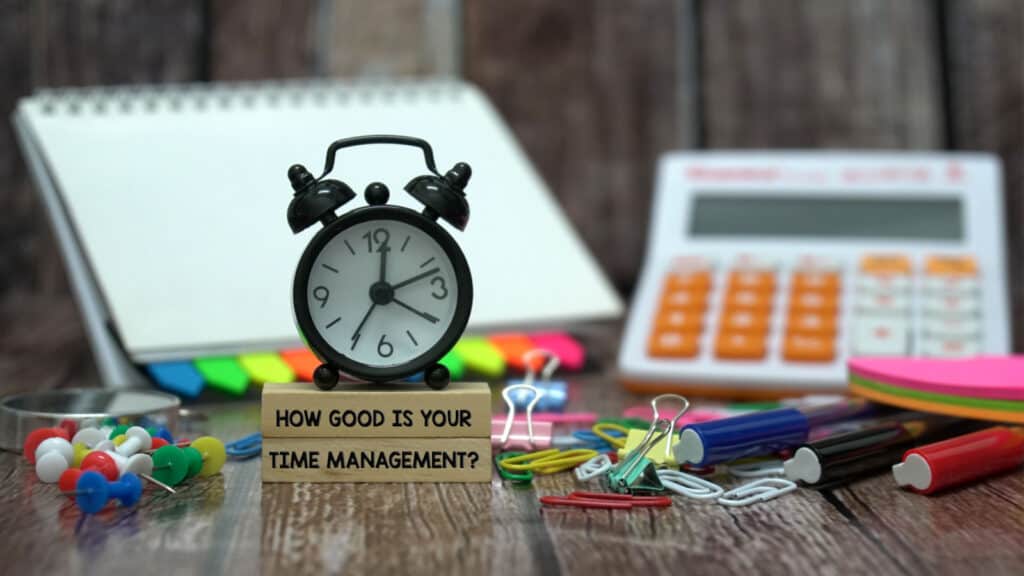
Digital calendars and alarms are helpful, but experts say kids also need to learn “internal” time management: planning tasks, estimating how long things take, and remembering responsibilities without constant pings.
Cooking, chores, and outdoor play naturally build this capacity, such as timing a recipe, planning homework around activities, or getting home by dark. When kids rely exclusively on adults or apps to track everything, they practice these skills less, which can show up later as trouble with deadlines and self‑management.
Basic First Aid and Safety Awareness

Many parenting and school resources now list simple first‑aid skills, cleaning a minor cut, knowing when to call 911, recognizing basic dangers, as essential knowledge that kids are not reliably picking up. Practical‑life educators point out that past generations often learned these from hands‑on play, scouting, or more relaxed supervision; today’s more controlled environments sometimes skip that informal training.
Pediatric and safety organizations encourage teaching age‑appropriate first aid early, noting that it builds confidence and may prevent emergencies from becoming crises. As fewer kids practice it, this quiet skill gap grows.
Practical Money Skills (Cash, Change, and Basic Budgeting)

With contactless payments and in‑app purchases, many kids have limited experience handling cash, making change, or tracking a simple budget. Life‑skills educators increasingly recommend teaching children to count money, compare prices, and plan spending as early as elementary school.
Financial literacy advocates argue that everyday practices, such as paying for a small purchase, saving allowance money, and budgeting for a toy, lay the groundwork for later decisions about credit, loans, and savings. Without those early experiences, kids risk entering adulthood with digital convenience but little real understanding of money.
Together, these 13 skills form the backbone of everyday independence: writing clearly, moving confidently through the world, solving practical problems, and managing time, money, and relationships. Experts say the solution isn’t to reject technology, but to intentionally re‑introduce these analog, hands‑on experiences, at home, in schools, and in communities, so American kids don’t quietly lose capacities they’ll need for the rest of their lives.
Disclosure line: This article was developed with the assistance of AI and was subsequently reviewed, revised, and approved by our editorial team.
20 Odd American Traditions That Confuse the Rest of the World

20 Odd American Traditions That Confuse the Rest of the World
It’s no surprise that cultures worldwide have their own unique customs and traditions, but some of America’s most beloved habits can seem downright strange to outsiders.
Many American traditions may seem odd or even bizarre to people from other countries. Here are twenty of the strangest American traditions that confuse the rest of the world.
20 of the Worst American Tourist Attractions, Ranked in Order

20 of the Worst American Tourist Attractions, Ranked in Order
If you’ve found yourself here, it’s likely because you’re on a noble quest for the worst of the worst—the crème de la crème of the most underwhelming and downright disappointing tourist traps America offers. Maybe you’re looking to avoid common pitfalls, or perhaps just a connoisseur of the hilariously bad.
Whatever the reason, here is a list that’s sure to entertain, if not educate. Hold onto the hats and explore the ranking, in sequential order, of the 20 worst American tourist attractions.