11 cultural assumptions Americans take personally
What looks like friendliness, comfort, or convenience in America often hides assumptions so ingrained that questioning them feels almost unpatriotic.
Visiting the United States often feels like stepping into a new world where the extras are surprisingly chatty, and the soda cups are the size of buckets. To an outsider observing from across the pond or south of the border, the American way of life is a fascinating mix of boundless enthusiasm and peculiar habits that locals defend with surprising vigor.
While every nation has its quirks, the specific behaviors embedded in the American psyche are distinct enough to cause culture shock for the uninitiated traveler. These assumptions are not just habits but deeply held values that define the rhythm of daily life.
The Sacred Bubble Of Personal Space

Americans guard their physical radius with an intensity that baffles people from crowded cities in Europe or Asia. Stepping too close in a checkout line is often viewed as a minor act of aggression. You can almost see the force field they project around themselves in public areas.
If you brush against a stranger in the subway, you might witness a stiffening of shoulders or a quick retreat to a safer distance. This invisible barrier is real, and breaching it without an immediate apology is considered rude. They value their elbow room almost as much as their liberty.
The Obligation Of Tipping Everywhere
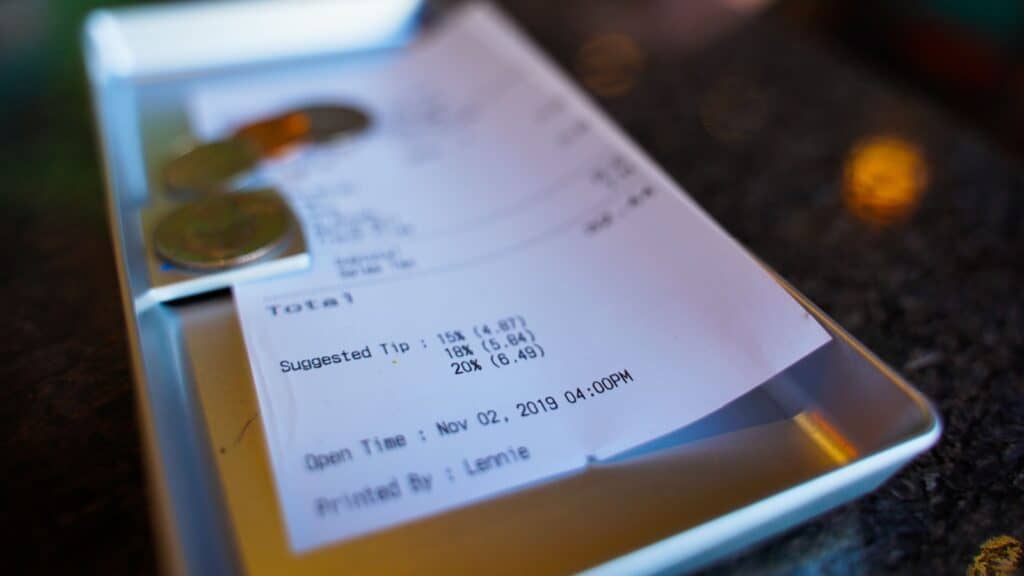
Most visitors freeze in panic when the digital tablet spins around at a coffee shop, asking for a gratuity on a simple black brew. In many other countries, service charges are included, but here, the math problem at the end of a meal is mandatory. Even buying a bottle of water can come with a prompt to add twenty percent.
This custom has expanded well beyond sit-down dinners, reaching drive-thrus and self-checkout kiosks. A Pew Research Center survey found that 72% of Americans say tipping is expected in more places today than it was five years ago. Americans see this as supporting workers, while visitors see it as a confusing, hidden tax.
Air Conditioning Is Non-Negotiable

Walking into an American department store in July often requires a sweater because the thermostat is set to arctic winter levels. According to the U.S. Energy Information Administration, nearly 90% of American households use air conditioning. The shock of cold air hitting your face is a staple of the American retail experience.
The hum of the AC unit is the soundtrack of the American summer, regardless of the energy cost or the shivering tourists. Comfort here means controlling the indoor climate, even if it means wearing a fleece jacket when it is ninety degrees outside. Suggesting that a window be opened is often met with a look of pure horror.
Small Talk With Total Strangers

Silence in an elevator or a grocery line feels heavy to the average American, who will often break it with a comment about the weather. For a foreigner used to anonymity, this friendliness can feel suspicious or intrusive. They are not trying to scam you; they are just being polite.
This chatty nature is merely a social lubricant intended to acknowledge shared humanity in public spaces. Ignoring a cheerful “How are you doing?” is a social sin that cuts deep in the heart of the heartland. It is best to smile and nod rather than wonder why they care.
Ice Cubes In Every Beverage
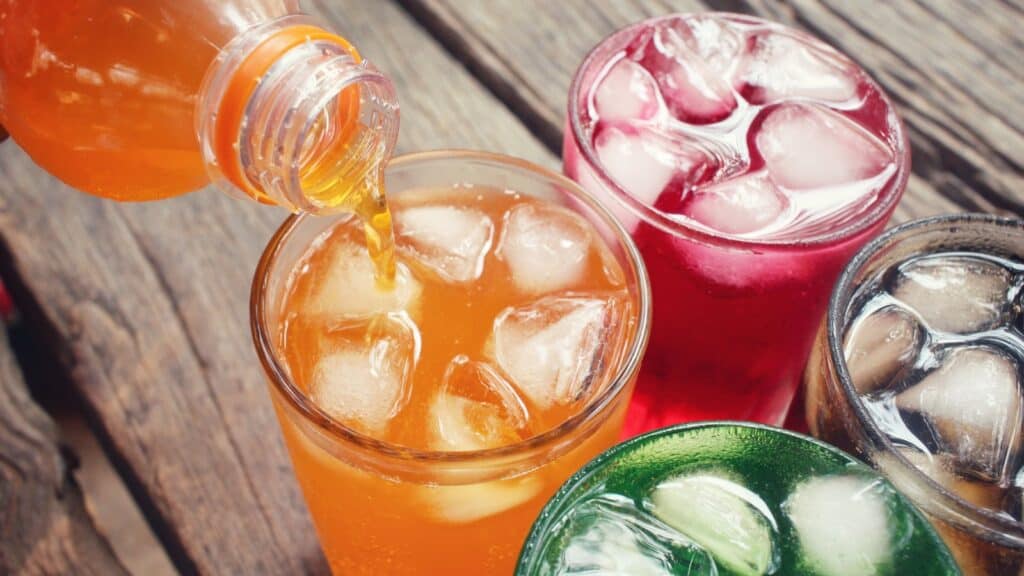
Order a soda in many parts of the world, and you get liquid; order one here, and you get a cup of frozen glaciers with a splash of cola. The American obsession with ice-cold drinks is a temperature preference that few other cultures share. Room-temperature water is viewed with deep skepticism.
Asking for “no ice” often elicits a confused look from the server, as if you had asked for the drink to be served warm. They believe a beverage is not truly refreshing unless it can freeze your tonsils. It is a chilly luxury that they refuse to give up.
The Super-Sized Food Portions

The sheer scale of a standard dinner plate in the States can look like a challenge meant for a competitive eater rather than a regular diner. It is no news that the average restaurant meal today is way larger than it was in the 1950s. One meal could easily feed a small family in another country.
Taking leftovers home in a “doggy bag” is a common practice because finishing a meal in one sitting is physically impossible for many. Visitors often learn to order one appetizer to share instead of risking the mountain of fries that comes with a main course. Quantity is often equated with value in the local dining scene.
A Smile As The Default Setting

Walking down the street involves a lot of facial gymnastics as Americans tend to grin at anyone they make eye contact with. Psychologists suggest this behavior stems from a history of immigration, where a smile bridged language barriers. It is the standard greeting for passing neighbors on the sidewalk.
In cultures where a smile is reserved for close friends or funny jokes, this constant beaming can seem insincere. However, here it is simply a signal of non-aggression and openness that keeps the social gears turning. If you don’t smile back, they might ask if you are having a bad day.
Work Is A Primary Identity

The first question at a party is rarely “Where are you from?” but almost always “What do you do for a living?” A Pew Research Center study found that 46% of U.S. workers who receive paid time off take less time than they are offered. Your job title is often treated as your most important character trait.
Relaxation is often viewed with a twinge of guilt because productivity is closely tied to self-worth. To an outside observer, the American dedication to the grind looks less like ambition and more like exhaustion. Taking a month-long holiday is a concept that does not compute.
Convenience Is The Ultimate Luxury

If a service can be delivered to the curb or the front door, it will succeed wildly in this market. The drive-thru culture extends to banks, pharmacies, and even wedding chapels in places like Las Vegas. No one wants to get out of the car if they don’t have to.
Walking to get goods is often seen as a failure of system design rather than a healthy habit. Efficiency is the lens through which daily chores are viewed, valuing time saved above almost anything else. Instant gratification is the engine that keeps the economy humming.
Patriotism Is Visually Loud
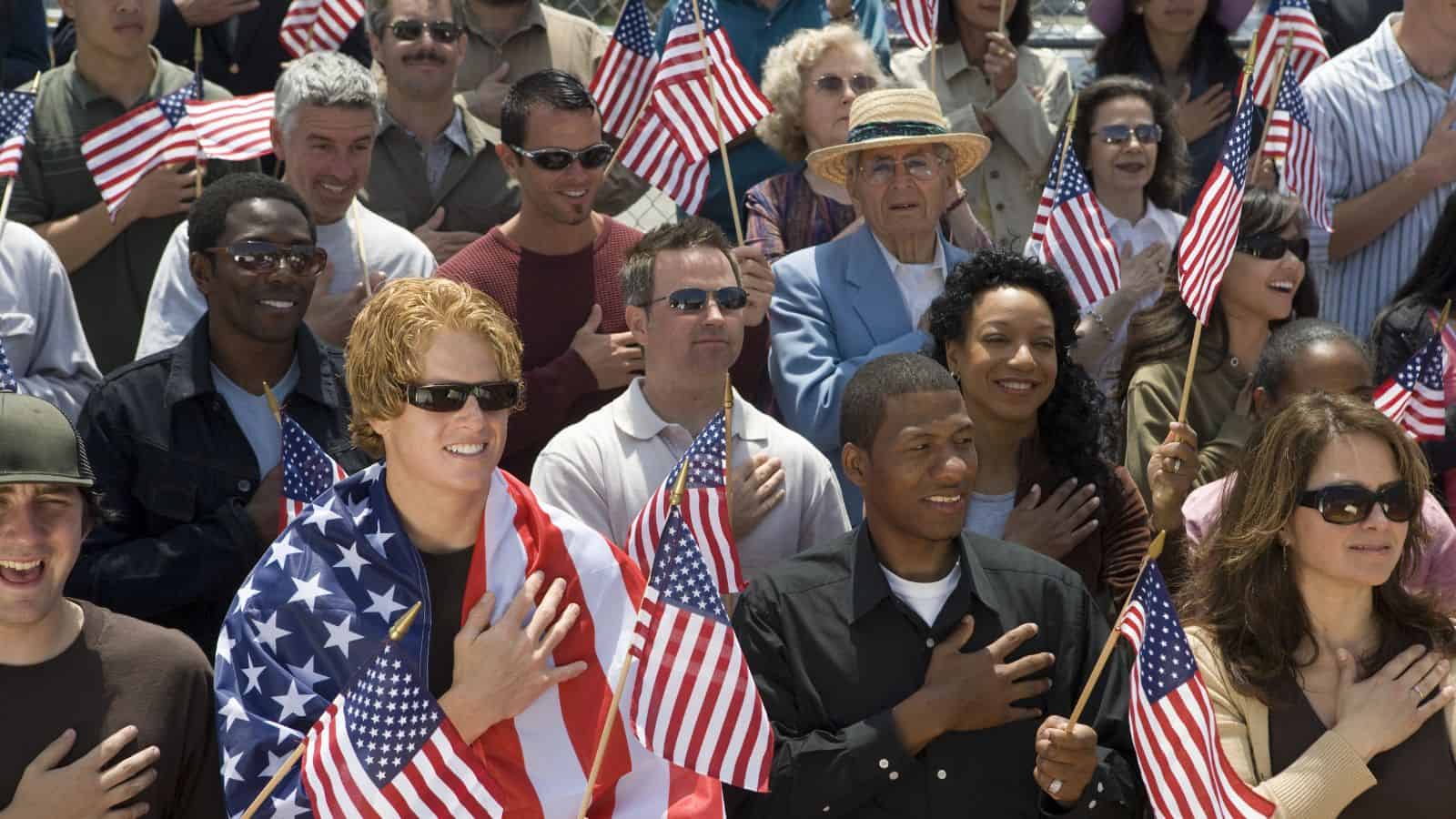
The flag is not just for government buildings; it is on bumper stickers, front porches, and bikini tops. A YouGov survey found that many Americans believe their country is the best in the world, a sentiment they proudly display. You will never forget which country you are in while walking down a suburban street.
This outward display of national pride can be jarring to visitors from nations where flag-waving is reserved for soccer matches. Here, the stars and stripes are a ubiquitous pattern woven into the visual fabric of the suburbs. It is a colorful reminder of their collective identity.
The Car Is King Of The Road
Public transport exists, but the personal automobile is treated as an extension of the living room. According to Forbes, 91.7% of U.S. households had at least one vehicle available in 2022. Life without a set of wheels is unimaginable for most.
Pedestrians are often an afterthought in city planning outside of major metros like New York or Chicago. Trying to cross a suburban intersection on foot can feel like a game of Frogger, with cars always having the right of way. The car is freedom, and everything else is just an obstacle.
15 Things Women Only Do With the Men They Love

The 15 Things Women Only Do With the Men They Love
Love is a complex, beautiful emotion that inspires profound behaviors. We express our love in various ways, some universal and others unique to each individual. Among these expressions, there are specific actions women often reserve for the men they deeply love.
This piece explores 15 unique gestures women make when they’re in love. From tiny, almost invisible actions to grand declarations, each tells a story of deep affection and unwavering commitment.