14 U.S. states most likely to withstand a global climate crisis
A 2025 analysis by Climate Central found that some parts of the United States face up to four times more climate disasters than others, a gap that is quietly shaping where people may survive future environmental shocks.
Across the country, the weather already feels different. Summers stretch longer, storms grow louder, and wildfires push smoke across state lines. Yet while headlines focus on the damage, a quieter pattern is emerging. Some places experience far fewer disasters, have stronger infrastructure, or have natural features that soften extreme weather.
You notice it when you compare landscapes and policies side by side. Forest cover can cool entire regions. Freshwater reserves can outlast drought cycles. Smart planning can protect hospitals and power grids when storms strike. These quiet advantages may decide which places endure a global climate crisis with the least disruption.
Below are U.S. states that combine geography, water access, policy preparation, and historical disaster patterns in ways that make them unusually stable during long climate stress.
Vermont
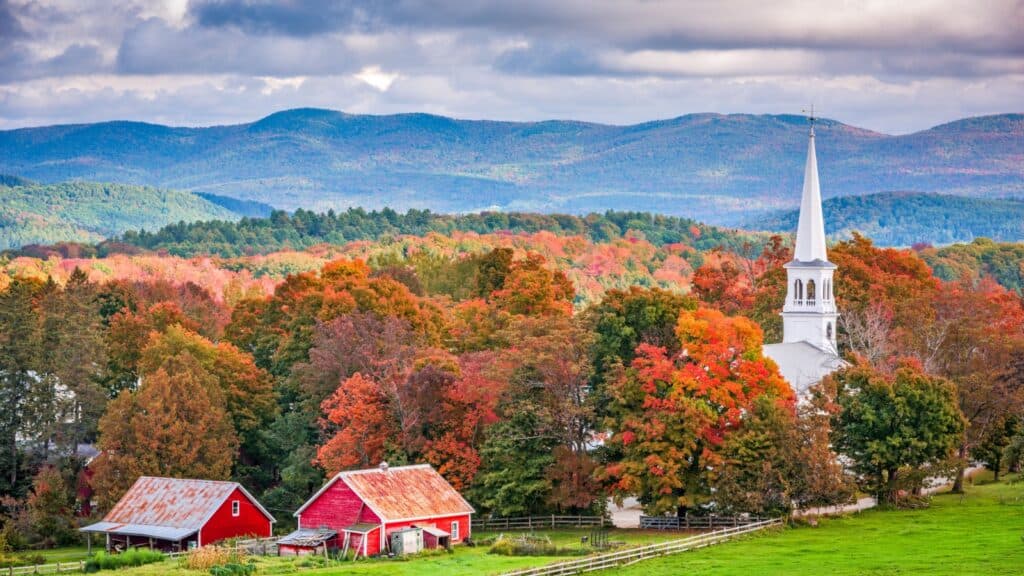
Morning mist hangs over maple trees as you drive through rural hills in Vermont. The air feels cool even in late summer, and the forests seem endless. That calm setting hides a powerful advantage when climate pressure builds.
According to the Hippo 2025 Climate Resilience Report, Vermont ranks number one in the country for the lowest vulnerability score. The report notes the state has recorded only 45 federally declared disasters since 1953. That number is remarkably small compared with many regions that face repeated hurricanes, floods, or wildfires.
The stability goes beyond geography. The 2025 Commonwealth Fund climate health scorecard ranks Vermont first in the nation for climate health readiness, according to a report cited by U.S. News & World Report. Strong clean energy policies and health protections help shield residents during heat waves and extreme weather. Over time, that mix of natural protection and policy planning gives Vermont one of the safest long-term environments in the country.
New Hampshire
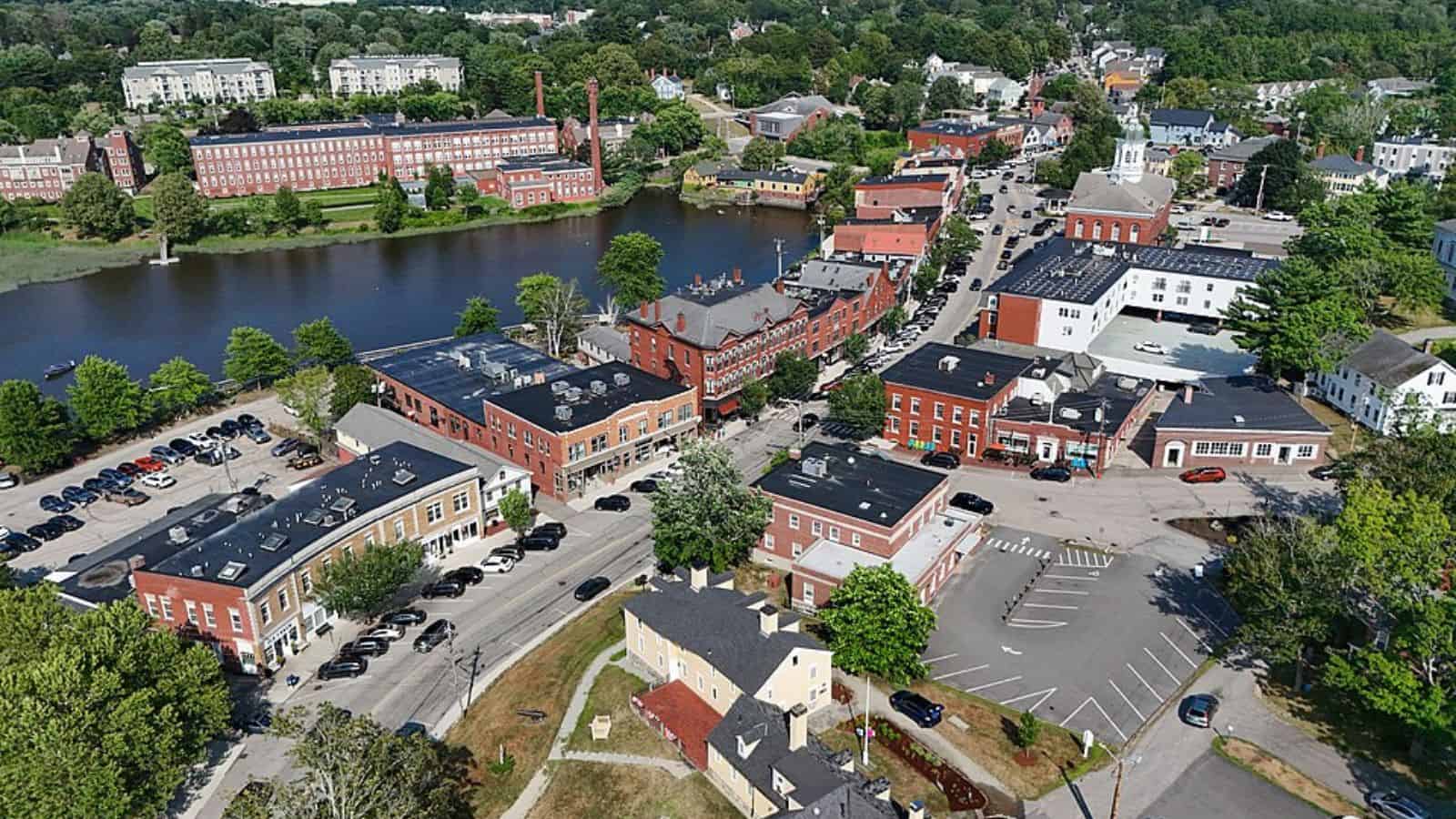
Wind rustles through thick pine forests as you step onto a hiking trail in New Hampshire. Shade stretches for miles, and even mid-afternoon heat feels softer under the trees. Those forests are not just scenic.
Hippo’s climate analysis reports that about 82 percent of New Hampshire is covered in forest. That dense greenery acts as a natural barrier against heat buildup, soil erosion, and severe flooding. Researchers say that the type of environmental buffer matters more each year.
Matthew Eckelman, an associate professor at Northeastern University, told Medical Xpress that states with strong clean energy and resilience policies protect both health systems and communities during climate events. New Hampshire shows how landscape and policy can work together, creating conditions where rising temperatures cause less disruption than in more exposed regions.
Wisconsin
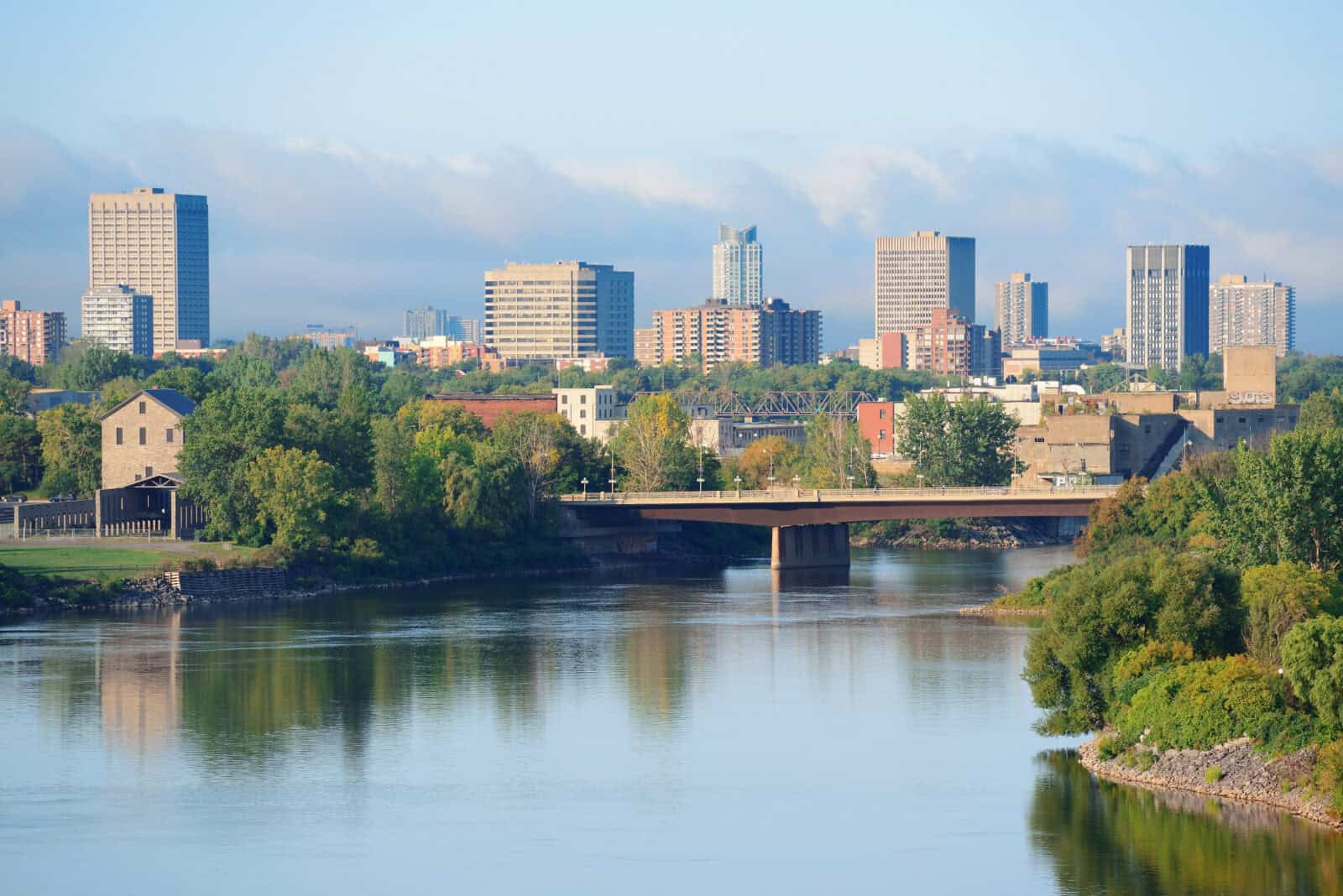
You stand near the edge of a quiet lake in Wisconsin while clouds roll slowly across the sky. The air smells fresh, with no hint of wildfire smoke or ocean storm surge.
That inland position turns into a serious advantage. Hippo’s 2025 climate ranking places Wisconsin fourth among U.S. states most capable of handling climate stress. Being far from hurricane zones and major wildfire regions dramatically reduces the scale of disasters.
The state also benefits from well-managed flood systems and infrastructure designed to handle seasonal storms. When extreme weather does occur, the systems already in place limit damage and recovery time. Over the decades, fewer catastrophic events have allowed communities to maintain stable housing, energy systems, and food supply networks.
Minnesota

Morning fog drifts across a quiet shoreline along Lake Superior in Minnesota. Waves tap gently against rocks while gulls circle overhead.
Freshwater is becoming one of the most valuable climate resources in the country. Hippo’s 2025 resilience report ranks Minnesota fifth nationally, partly because of its enormous water reserves. The state sits beside the Great Lakes and thousands of inland lakes.
That water supply matters as drought conditions spread in many western regions. Reliable freshwater supports agriculture, cooling systems, and public health during prolonged heat periods. As climate pressure grows, access to stable water may separate regions that can sustain large populations from those struggling with shortages.
New York

City noise echoes between tall buildings as commuters hurry through a subway entrance in New York. It may seem like an unlikely place to discuss climate survival.
Yet preparation often matters more than geography alone. The 2025 Commonwealth Fund climate health scorecard ranks New York second in the nation for protecting public health from climate threats, according to U.S. News & World Report.
Hospitals, emergency systems, and public planning play a major role. Policies focused on the energy transition and climate readiness help healthcare infrastructure remain functional during heat waves or storms. In a crisis, that preparation means millions of people still have access to power, transportation, and medical care.
Washington
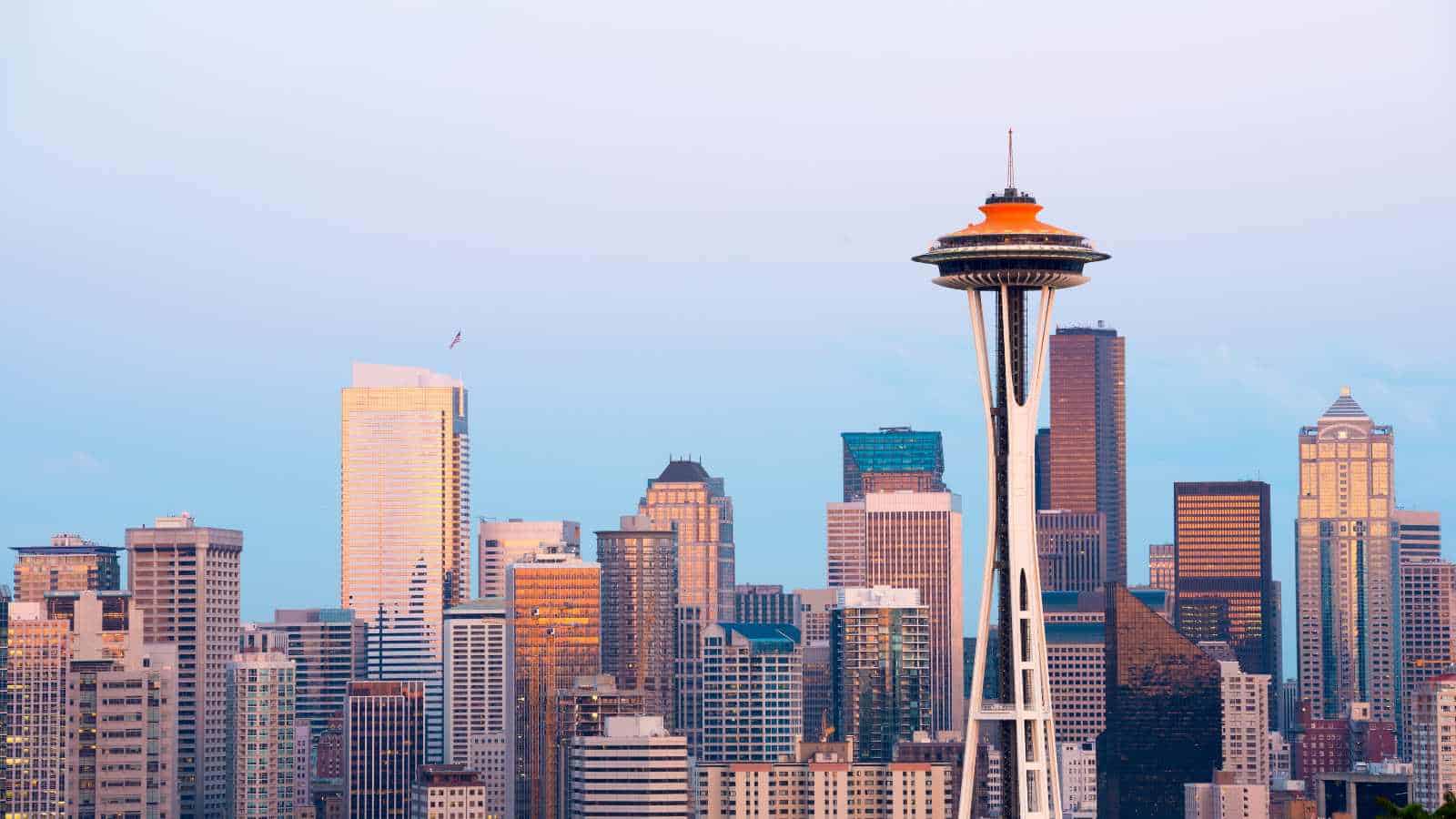
Soft rain taps against evergreen branches outside a small town in Washington. The sky is gray, but the temperature feels steady and mild.
Regional climate patterns help keep Washington more stable than many southern states. The Commonwealth Fund scorecard ranks Washington third nationwide for climate health readiness, according to reporting summarized by Powers Health.
The Pacific Northwest avoids many hazards common in other regions. Large hurricanes rarely reach this far north, and extreme heat patterns remain less intense than those across the Southwest. With strong policy planning layered on top of this climate pattern, Washington stands out as a state where daily life may remain more predictable during global climate shifts.
New Jersey

Traffic hums along the turnpike while ocean air drifts inland across New Jersey. At first glance, the busy landscape seems far removed from climate stability.
Yet the state ranks fourth in the 2025 Commonwealth Fund climate health scorecard, according to U.S. News & World Report. That ranking reflects aggressive clean energy policies and efforts to cut pollution that worsens climate health risks.
These measures lower the number of people exposed to heat stress and poor air quality during extreme events. In densely populated states, policy can make the difference between a manageable crisis and a public health emergency.
Maine

Cold Atlantic wind sweeps across rocky shores as waves crash along the coast of Maine. Fishing boats rock gently in the harbor. The salty air carries the steady rhythm of the ocean, and you can hear gulls calling above the water while the tide moves slowly against the docks.
Greenly’s 2025 climate analysis highlights Maine as one of the safest coastal states because it rarely experiences major hurricanes. That calmer storm pattern protects homes, ports, and power systems that might otherwise face repeated rebuilding. Coastal towns can focus more on maintaining fisheries and tourism rather than constantly repairing storm damage.
While sea levels still pose long-term risks, the relatively low number of severe storm landfalls gives Maine more time to adapt. Infrastructure upgrades can happen gradually instead of under emergency conditions. For residents and planners alike, that slower pace of change offers valuable breathing room as communities prepare for future climate pressures.
Michigan

Early sunlight reflects off the wide waters of Lake Michigan in Michigan. The lake stretches so far that it looks like the ocean. A cool breeze moves across the surface while small waves roll toward the shore, and you can hear the quiet splash against the sand as boats move slowly through the harbor.
Michigan benefits from the same freshwater shield that protects nearby states. Access to the Great Lakes provides a stable supply of drinking water, agriculture, and industry during droughts that affect other parts of the country. That water reserve becomes even more valuable as climate shifts place pressure on rivers and reservoirs across the Southwest and Plains.
The region also avoids the intense wildfire seasons seen in the West. Combined with moderate summer temperatures and inland geography, these factors make Michigan an appealing long-term refuge during climate stress. For many families and planners, the steady water supply and calmer weather create a rare sense of long-term stability.
Massachusetts
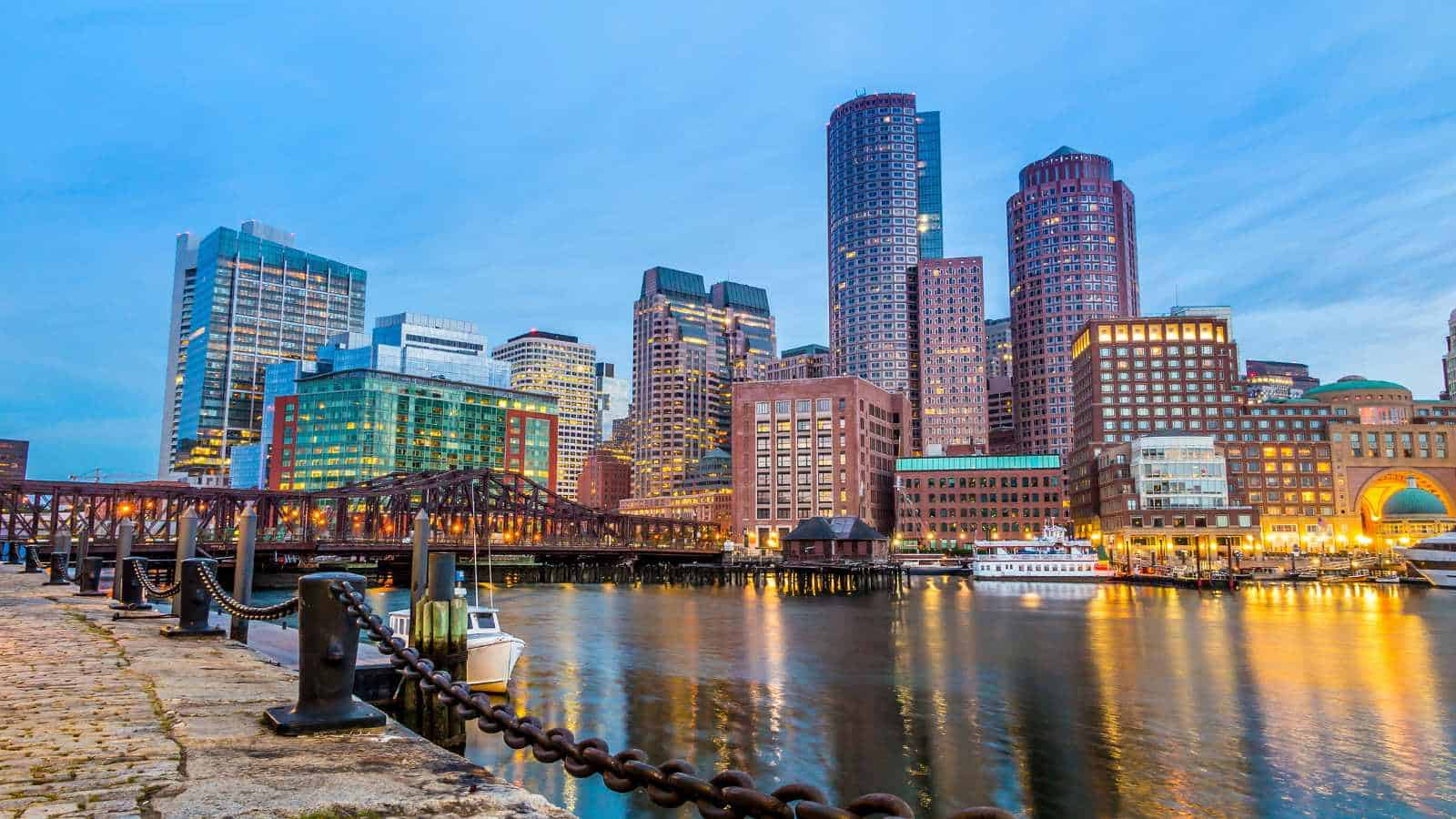
Church bells echo through a small town square in Massachusetts while sea air drifts down narrow streets. You can almost hear footsteps on old brick sidewalks as shops open for the morning and a light coastal breeze moves through the harbor nearby.
The state has spent years strengthening its energy grid and expanding renewable power sources. Offshore wind projects and strict emissions policies reduce reliance on systems that can fail during extreme heat. These investments also help stabilize electricity demand during hotter summers, when air conditioning can push power systems close to their limits.
This planning keeps electricity and healthcare systems running when temperatures spike. For large urban populations, a stable power supply may become one of the most important climate survival tools. In cities like Boston, reliable power keeps hospitals, transit systems, and emergency services functioning even when weather conditions place heavy pressure on infrastructure.
Colorado
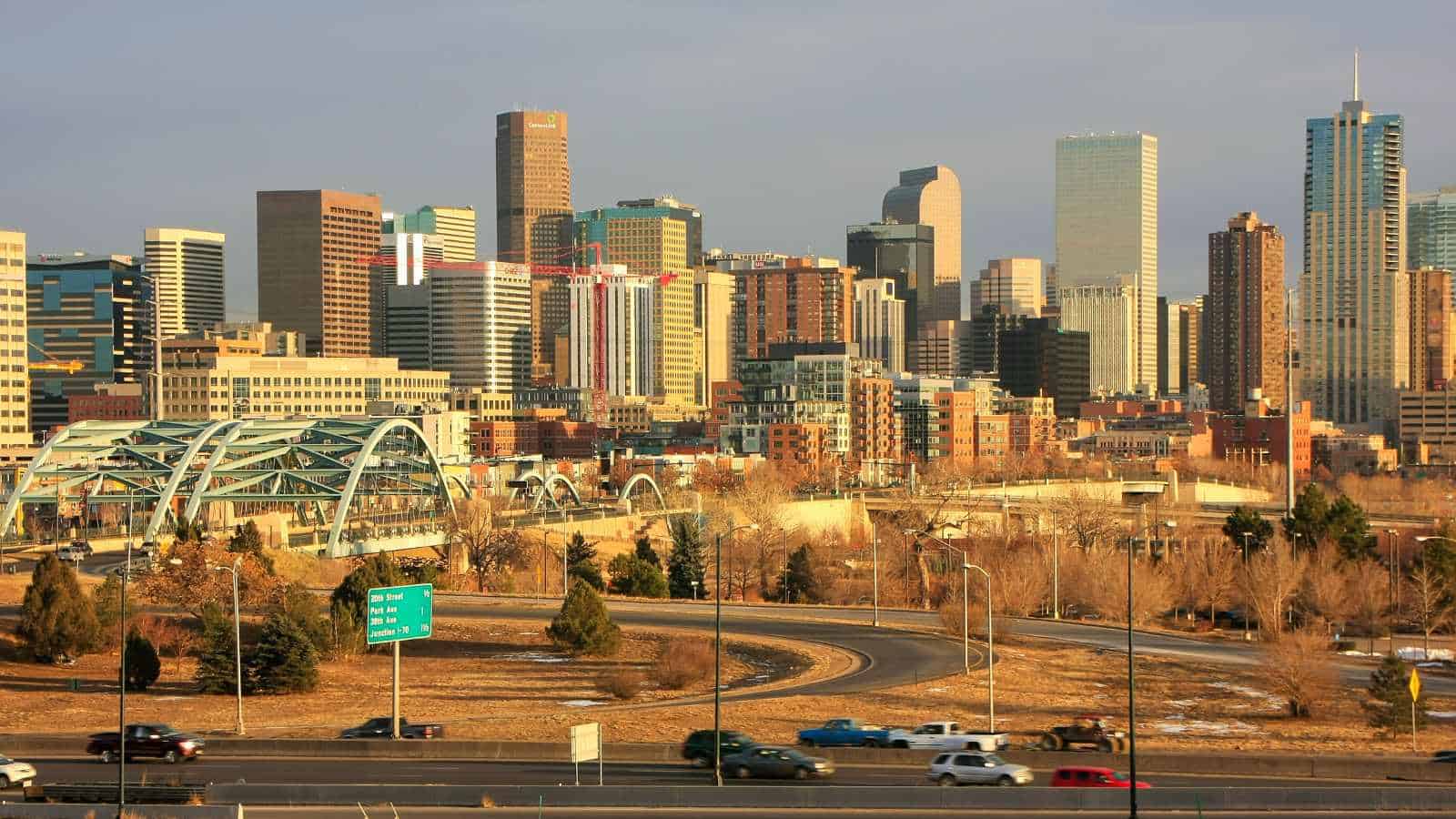
Cool alpine wind moves through pine forests high in the Rockies in Colorado. Even on warm days, the temperature drops quickly once the sun sets. The air feels thinner and cleaner at higher elevations, and you can hear the quiet rustle of trees as cool mountain shadows stretch across the valleys below.
Elevation plays a powerful role in climate survival. Higher terrain often stays cooler during extreme heat events that affect lower regions. That natural cooling effect can reduce stress on power grids and water supplies. Cooler nighttime temperatures also allow ecosystems and communities to recover more quickly after hot days.
Colorado also invests heavily in wildfire management and water conservation programs. These efforts help protect both mountain communities and large cities like Denver during dry seasons. Strong forest monitoring systems and water planning give the state added flexibility as climate pressures slowly reshape weather patterns across the American West.
Pennsylvania
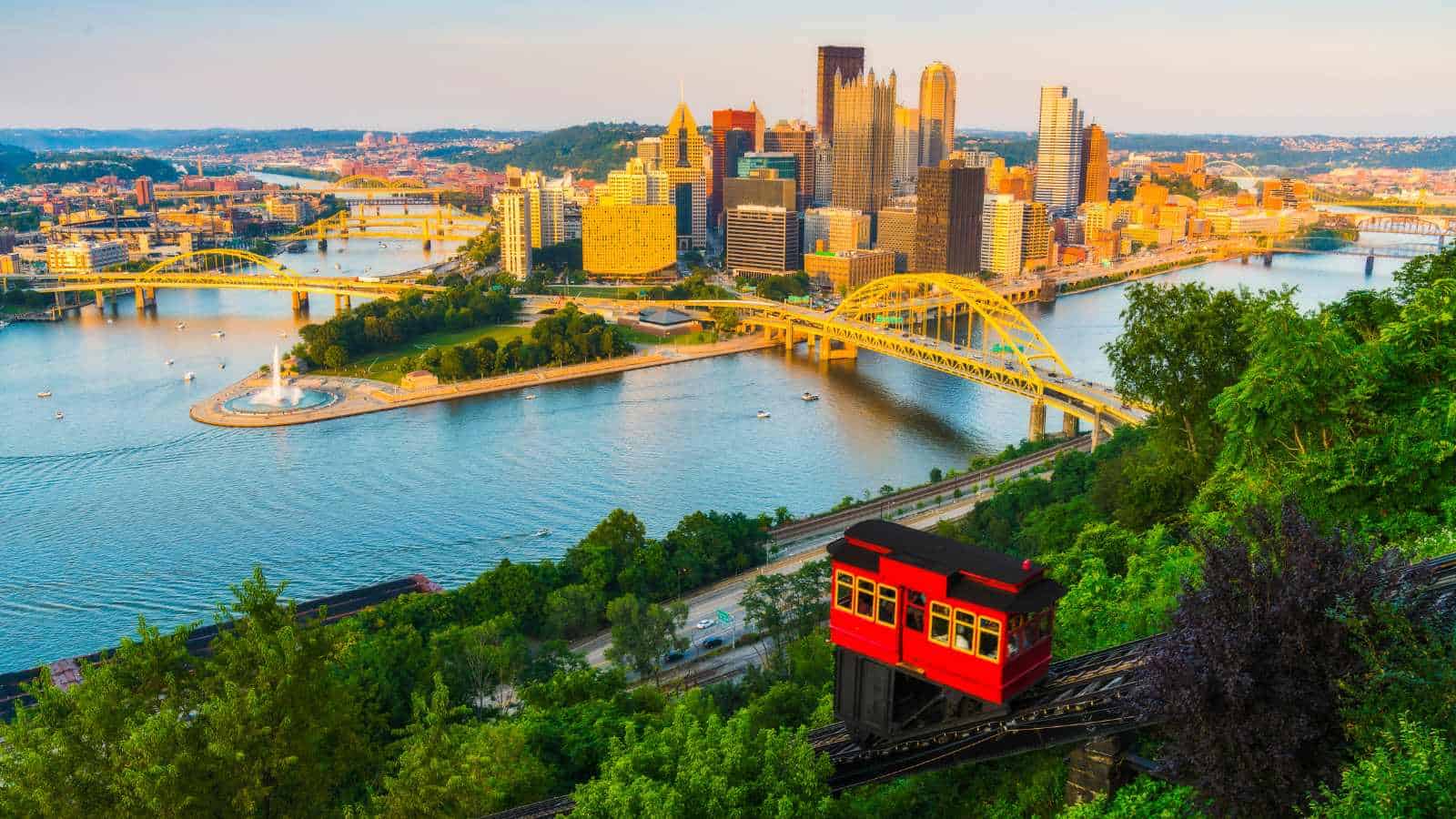
You hear the slow rush of water along the Susquehanna River while farms stretch across rolling hills in Pennsylvania. The sound of the current blends with distant tractor engines, and the smell of fresh soil drifts through the air as fields spread across the valley.
Large freshwater rivers and moderate weather patterns help limit the most extreme climate events here. While storms still occur, they rarely reach the destructive scale seen in coastal hurricane zones or wildfire regions. The state’s inland location helps soften weather swings that often hit regions closer to oceans or dry western forests.
The state’s mix of farmland, forests, and rivers also supports food production and water stability during climate stress. These natural resources may prove critical as global supply chains face disruption. For many communities across Pennsylvania, this balance of land, water, and agriculture creates a steady foundation during uncertain environmental shifts.
Oregon
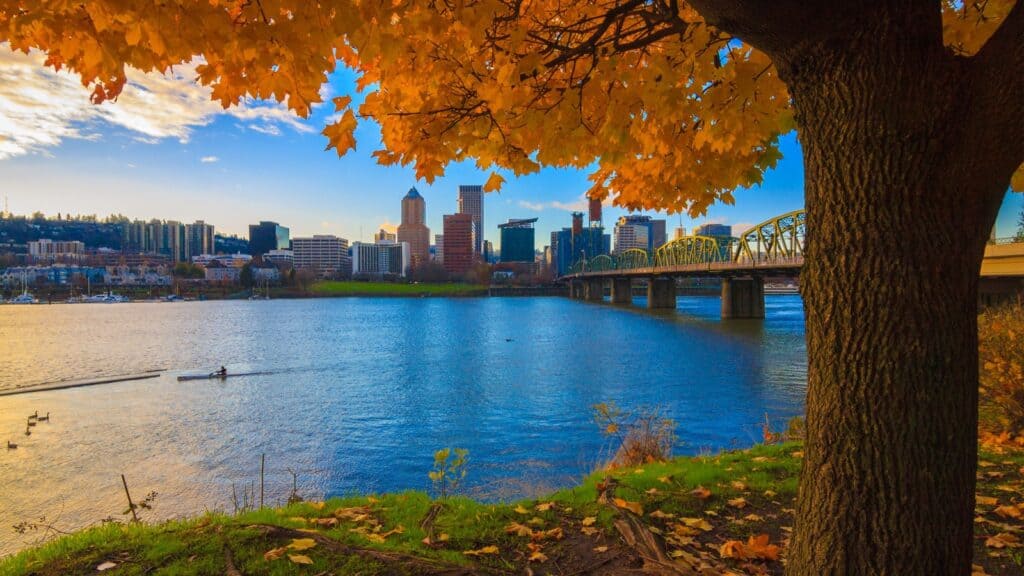
Towering redwoods rise like ancient pillars above a misty coastal highway in Oregon. Morning fog rolls quietly between the trees as cool ocean air drifts inland, softening the landscape and muting the sounds of the road below.
Scenes like this highlight the quiet advantage of the Pacific Northwest’s climate. Compared with the hotter, drier interior states of the West, Oregon benefits from cooler summers and dense forest cover that naturally stabilizes temperature swings and preserves moisture in the soil.
The state has also taken deliberate steps to protect these natural advantages. Through major investments in renewable energy and long-term land conservation, Oregon has reduced pollution while safeguarding forests and ecosystems that help regulate local climate conditions.
North Dakota
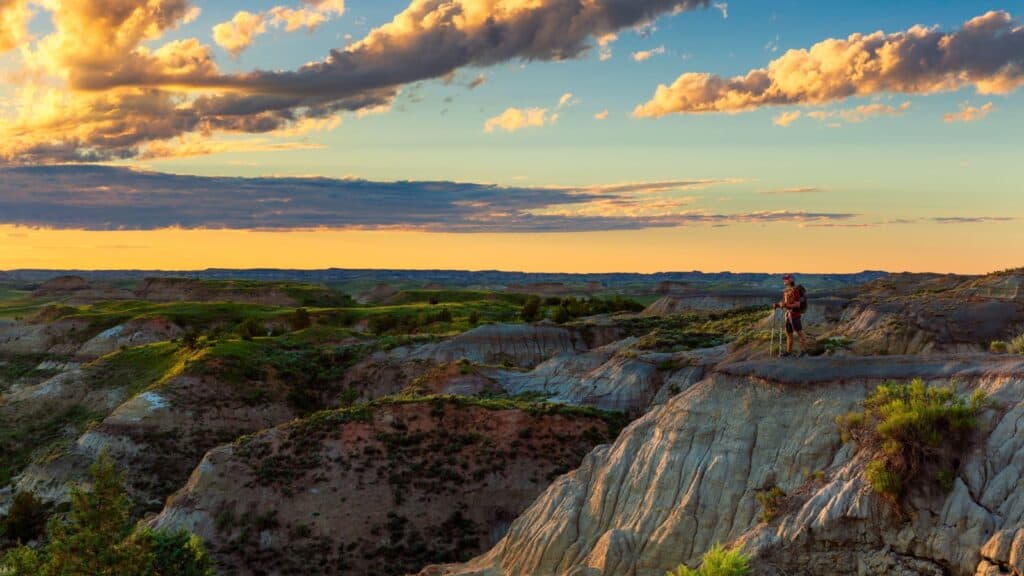
Golden wheat fields ripple in the wind across the open plains of North Dakota. The sky stretches wide and clear for miles, and you can feel the warmth of the sun on the earth while the gentle breeze carries the faint scent of grass and soil across the horizon.
While winters can be harsh, the state avoids many of the major climate disasters that strike coastal or wildfire-prone regions. Hurricanes never reach this far inland, and extreme heat events occur less often than in southern states. Seasonal storms do arrive, but they are typically manageable, allowing communities to recover quickly without widespread disruption.
Low population density and strong agricultural land also create space for adaptation. During long term climate shifts, that combination of land, food production, and distance from major hazards may prove surprisingly valuable. The ample open space also provides room for renewable energy projects and flexible infrastructure planning, further strengthening North Dakota’s resilience against future climate challenges.
Like our content? Be sure to follow us