8 everyday backyard tools that could soon be illegal to own
Your backyard has always been your personal kingdom, a place where you call the shots, but the rules of engagement are changing faster than you can say “HOA violation.” For decades, we’ve waged war on nature with earsplitting engines and military-grade chemicals, treating our property lines like borders where federal laws don’t apply. But the regulatory winds are shifting, and a massive storm of bans is brewing that targets the very gear sitting in your shed right now.
From California to Maine, legislators are cracking down on tools deemed too loud, too dirty, or too cruel for modern society. We aren’t just talking about a few fines; we are talking about retail bans and laws that make replacing your favorite gear impossible. Why? The data is undeniable: according to Frontiers, localized pollution, collapsing bee populations, and animal welfare concerns are driving a legislative overhaul. Here is the lowdown on the eight backyard staples facing extinction.
Gas-powered leaf blowers

If you own a gas leaf blower, you are holding the sonic equivalent of a cigarette in a crowded restaurant. Communities across the U.S. are declaring war on these two-stroke engines, citing deafening noise and staggering emissions levels. Washington, D.C., has already banned their use entirely, slapping violators with fines up to $500, while Montgomery County, Maryland, and parts of California have phased out their sale.
The engineering inside these tools is primitive, mixing oil and gas to create a “dirty” exhaust that lacks the filters found in modern cars. Using a gas leaf blower for just one hour produces the same amount of smog-forming pollution as driving a Toyota Camry for 1,100 miles. That is a road trip from Los Angeles to Denver just to clear your driveway. With electric alternatives from brands like EGO and Milwaukee matching gas power, regulators see no reason to keep these pollution machines legal.
Gas-powered lawn mowers

You might love the rumble of your mower, but the Environmental Protection Agency (EPA) and state regulators see it as a massive, unregulated smog factory. California has taken the lead with a law that effectively banned the sale of most new gas-powered lawn mowers starting in 2024. The logic is purely mathematical: one hour of mowing emits as much pollution as driving a passenger car 300 miles.
Other states are watching closely. Colorado has already implemented restrictions on state agencies using gas mowers during the summer ozone season to reduce ground-level pollution. As manufacturers pivot their assembly lines to meet California’s massive demand for electric gear, finding parts for your old gas guzzler will get harder. The days of the “gas-and-go” weekend warrior are numbered.
Rodent glue traps

Glue traps are cheap, but they are also incredibly cruel. These boards coat a surface in industrial adhesive, ensnaring mice and rats that then suffer a slow, agonizing death from starvation, dehydration, or suffocation. Legislators are finally agreeing that this level of suffering is unacceptable. West Hollywood and Ojai, California, have already banned the sale and use of these traps, and a federal ban (H.R. 7018) was introduced in Congress in 2024.
Beyond the cruelty, these traps are a public health nightmare. The CDC actually advises against using them because trapped, terrified animals urinate and defecate, creating a hotspot for diseases like hantavirus. Plus, they are indiscriminate killers; wildlife rehabilitators frequently treat songbirds, owls, and even kittens caught in the glue.
Neonicotinoid pesticides
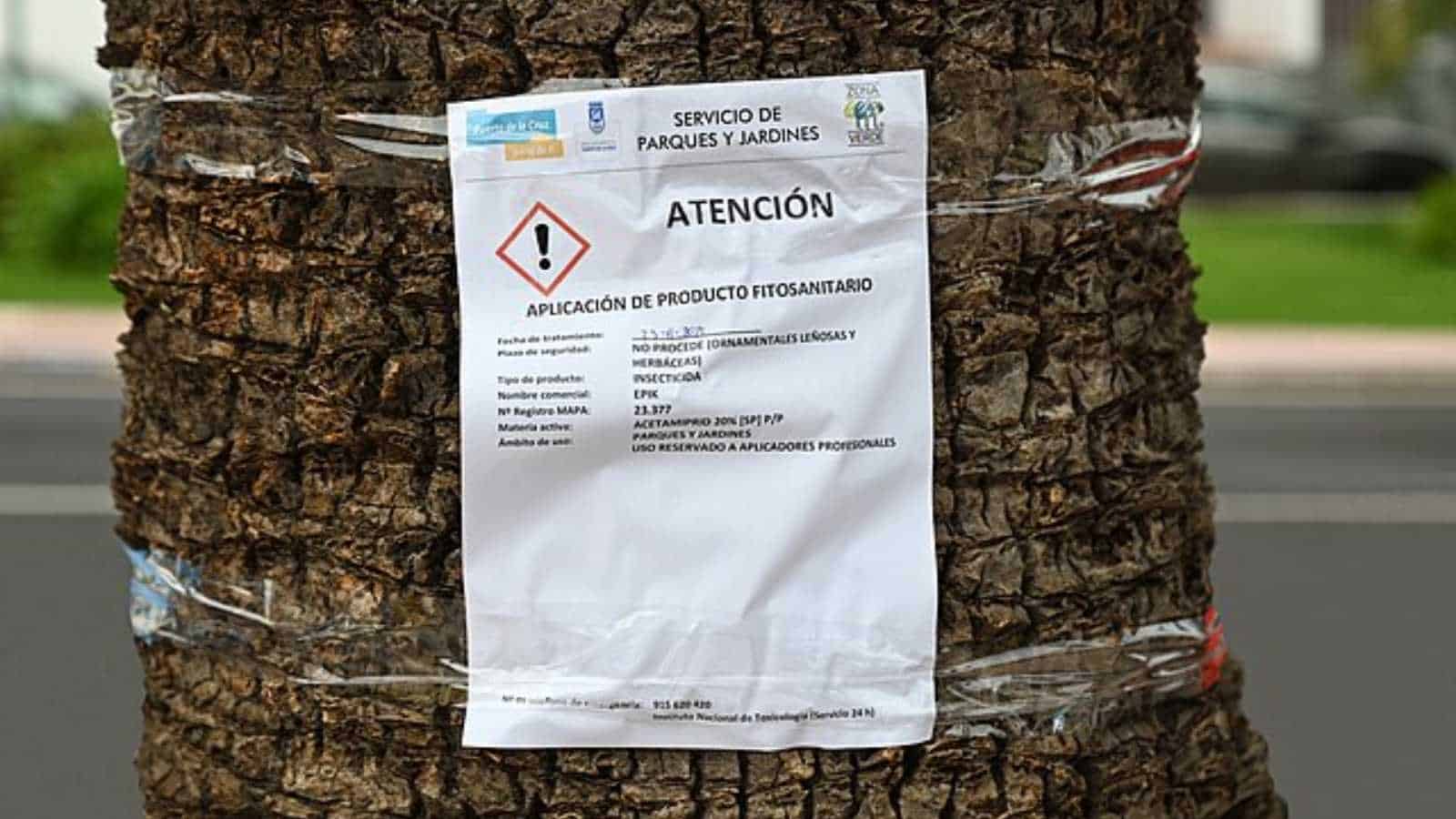
Remember when you could buy that “kill-everything” bug spray at the garden center? Those days are ending. Neonicotinoids, or “neonics,” are systemic pesticides that plants absorb, turning their leaves and nectar into neurotoxins for any insect that takes a bite. While effective, they are a primary driver of the global bee population collapse.
States are moving quickly to remove these chemicals from the hands of amateurs. Starting January 1, 2025, California will restrict the sale of neonicotinoid products to certified professionals only, effectively banning their use by the average homeowner. Jennifer Sass, a senior scientist at the Natural Resources Defense Council, notes that these chemicals are “terribly toxic to the mammalian brain,” posing a risk to human health. Expect to see empty shelves where your favorite rose sprays used to be.
Second-generation anticoagulant rodenticides (SGARs)

If glue traps are the “cruel” option, SGARs are the “nuclear” option. These potent poisons kill rodents with a single dose, but they linger in the animal’s liver. When a poisoned rat stumbles outside and gets eaten by an owl or bobcat, the predator gets a lethal dose, too. This “secondary exposure” is wiping out wildlife across the country.
California has already designated these products as “Restricted Materials,” meaning you cannot buy them at a hardware store anymore. As of January 1, 2025, even first-generation anticoagulants like warfarin face strict new prohibitions in the state. With the EPA pushing for stricter federal safety measures, the era of tossing a handful of green pellets under the porch is over.
Portable gas generators

Portable generators are lifesavers during storms, but they are also silent killers. Every year, roughly 100 people in the U.S. die from carbon monoxide (CO) poisoning caused by these machines. The problem is that standard units emit massive amounts of CO—one generator can produce as much of the deadly gas as hundreds of idling cars.
The Consumer Product Safety Commission (CPSC) is pushing a mandatory safety standard that would force manufacturers to slash CO emissions by nearly 95% and install automatic shut-off sensors. Industry groups argue this will skyrocket prices, but the CPSC estimates the rule could save thousands of lives over the next few decades. If the rule passes, the cheap, “dumb” generator sitting in your garage effectively becomes contraband technology you can’t sell.
Phosphorus-heavy lawn fertilizers

We all want a lush green lawn, but the secret ingredient, phosphorus, is destroying our waterways. When it rains, phosphorus washes off your yard and into local lakes, feeding massive algae blooms that suck oxygen out of the water and kill fish. To stop these “dead zones,” states like Minnesota, New York, Washington, and Michigan have banned phosphorus in standard lawn fertilizers.
Florida counties have taken it a step further with “blackout dates.” In places like Pinellas and Seminole counties, it is illegal to apply any fertilizer with nitrogen or phosphorus during the rainy summer months. Major brands like Scotts have already reformulated their products nationwide to remove phosphorus and comply with this patchwork of laws. It’s a small price to pay for keeping our lakes swimmable.
Outdoor wood boilers

The rustic charm of heating your home with an outdoor wood boiler is fading under a cloud of regulatory smoke. Early models of these furnaces were notorious for smoldering at low temperatures, blanketing neighborhoods in thick, carcinogenic smoke. The EPA has stepped in with “Step 2” emissions limits, making it illegal to sell new units that don’t meet strict cleanliness standards.
Local governments are getting even tougher. Towns in the Northeast and West have implemented strict setback rules, requiring boilers to be hundreds of feet from property lines, effectively zoning them out of most residential backyards. In places like Marin County, California, you can’t even install a wood-burning device in a new home remodel.
Key Takeaway
The “Wild West” era of backyard maintenance is officially over. Regulators are prioritizing public health, animal welfare, and environmental stability over homeowner convenience.
Here is how to adapt:
- Go Electric: Swap your gas blower and mower for lithium-ion versions before the gas models become unserviceable relics.
- Check Your Shed: You might be holding illegal chemicals. Dispose of old neonics and SGARs at a hazardous waste facility.
- Think Prevention: Switch to “exclusion” methods for pests (sealing holes) instead of relying on poison or cruel traps.
Your backyard is still your sanctuary, but to keep it that way, you need to modernize your arsenal. Don’t be the neighbor clinging to the noisy, smoky past; embrace the quieter, cleaner future.
Disclosure: This article was developed with the assistance of AI and was subsequently reviewed, revised, and approved by our editorial team.
20 Odd American Traditions That Confuse the Rest of the World

20 Odd American Traditions That Confuse the Rest of the World
It’s no surprise that cultures worldwide have their own unique customs and traditions, but some of America’s most beloved habits can seem downright strange to outsiders.
Many American traditions may seem odd or even bizarre to people from other countries. Here are twenty of the strangest American traditions that confuse the rest of the world.
20 of the Worst American Tourist Attractions, Ranked in Order

20 of the Worst American Tourist Attractions, Ranked in Order
If you’ve found yourself here, it’s likely because you’re on a noble quest for the worst of the worst—the crème de la crème of the most underwhelming and downright disappointing tourist traps America offers. Maybe you’re looking to avoid common pitfalls, or perhaps just a connoisseur of the hilariously bad.
Whatever the reason, here is a list that’s sure to entertain, if not educate. Hold onto the hats and explore the ranking, in sequential order, of the 20 worst American tourist attractions.