Saving Nature for the Next Generation: The Battle for a Livable Planet
When most of the world’s wildlife disappears within a single lifetime, it forces a reckoning with what we’ve normalized.
Forget the “apocalypse later” vibes, the battle for a livable planet is happening right now in our own backyards. The WWF Living Planet Report 2024 reveals a catastrophic 73% average decline in monitored vertebrate wildlife populations between 1970 and 2020.
We are sprinting toward ecological tipping points that will hit today’s kids the hardest. Human activity has already baked in 1.1 degrees Celsius of warming. Without “immediate, rapid and large‑scale” cuts, we will blow past the 1.5-degree safety limit this century.
Young voices leading a global climate uprising
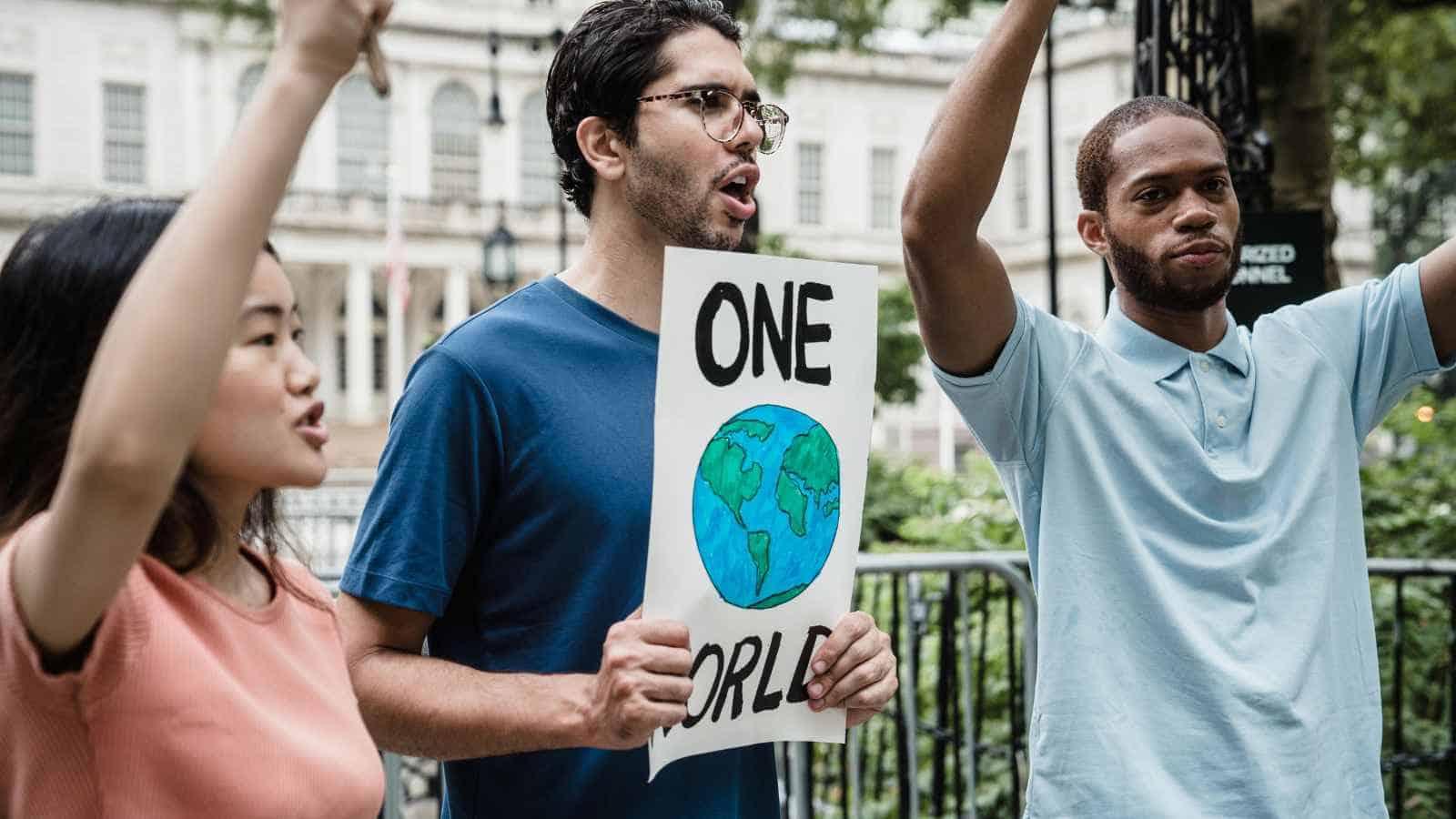
Youth climate movements are popping up on every continent except Antarctica, with 292 active groups shaking the status quo. These kids aren’t just skipping school; they are pushing governments toward serious net‑zero targets. Greta Thunberg’s Fridays for Future movement has mobilized millions since 2018. school networks keep these activists showing up both online and in the streets.
Slowing the mass loss of wildlife
According to the World Wildlife Fund, Latin America and the Caribbean experienced a 95% drop in monitored wildlife species populations between 1970 and 2020. Habitat loss and pollution from food production remain the primary villains in this story. The WWF warns that a “system in peril” will eventually sink our economies if we don’t pivot.
Fighting the plastic flood choking our waters
The world churns out 400 million tonnes of plastic annually, yet we only recycle about 10% of it. If we don’t change our habits, the plastic in our oceans could triple by 2040. Humans are already eating and drinking at least 50,000 plastic particles a year.
Protecting land and oceans before it’s too late
The Protected Planet Report 2024 confirms that 17.6% of land and inland waters, and 8.4% of ocean and coastal areas, are under protection, marking significant progress but falling short of the 30% by 2030 goal. However, roughly the most important biodiversity sites still have zero formal protection. Experts warn that “paper parks” won’t save us if they don’t actually stop logging and poaching.
Saving forests and restoring nature’s carbon shields

Cutting down forests is a double whammy that kills wildlife and accelerates climate change. Protecting nature is a top-tier strategy for hitting our 2030 emissions goals. Many nations have pledged to stop forest loss by 2030, but we are still falling short. Trees and wetlands act as “carbon shields” that keep the planet cool and stable. Reforestation isn’t just a feel-good hobby; it is a fundamental requirement for survival.
Also on MSN: What awaits your kids & grandkids as climate extremes intensify
Turning the energy tide from fossil fuels to renewables
According to the IEA Renewables , the world added nearly 510 gigawatts of renewable capacity in 2023, a 50% increase from 2022 and the fastest growth rate in two decades. Renewables should supply 35% of global electricity by 2025, with wind and solar doing most of the heavy lifting. Solar power is now the cheapest way to add electricity in most countries.
From anxiety to action: building a livable legacy
Most young activists believe that putting profit over the planet is the root of the problem. Thankfully, the boom in renewables and the expansion of protected seas show that we can change the narrative. Systemic policy changes, like killing fossil fuel subsidies, are the big levers we need to pull. Combining smart voting with everyday choices in food and transport makes a real difference. Today’s children deserve a planet that is healthy, thriving, and truly livable.
Reducing emissions fast enough to keep the planet livable
To keep the 1.5-degree dream alive, global emissions must peak by 2025. The IPCC states global greenhouse gas emissions must drop by 43% by 2030 compared to 2019 levels to limit warming to 1.5°C. This “emissions gap” could put the world on a path toward a dangerous 3 degrees of warming. Every fraction of a degree prevents more deadly heatwaves and the collapse of coral reefs.
Key takeaway

The Earth is facing a “code red” marked by declines in wildlife and rising temperatures. Still, a massive surge in renewable energy and global youth activism offers a roadmap for recovery. Success depends on tripling green energy by 2030, protecting the planet, and making deep, immediate cuts to carbon emissions.
Disclosure line:
This article was developed with the assistance of AI and was subsequently reviewed, revised, and approved by our editorial team.
Like our content? Be sure to follow us