11 nostalgic pastimes baby boomers loved that are no longer around
Hey, remember when hanging out meant actually going out? Baby Boomers had a way of making memories that were all about being there together.
Think roller skating with friends or catching a flick at the drive-in; these were the activities that built the social fabric of their generation. Fast forward to today, and many of those cherished pastimes are about as hard to find as a VHS tape. It’s no surprise, really, with technology taking over almost every aspect of our lives.
Did you know that Baby Boomers represent approximately 20% to 21% of the U.S. population, according to AOL.com, yet many of their favorite pastimes are fading into niche territory? Let’s take a look at 11 classic hobbies that have disappeared or transformed thanks to the digital age.
All-ages roller rinks and roller discos
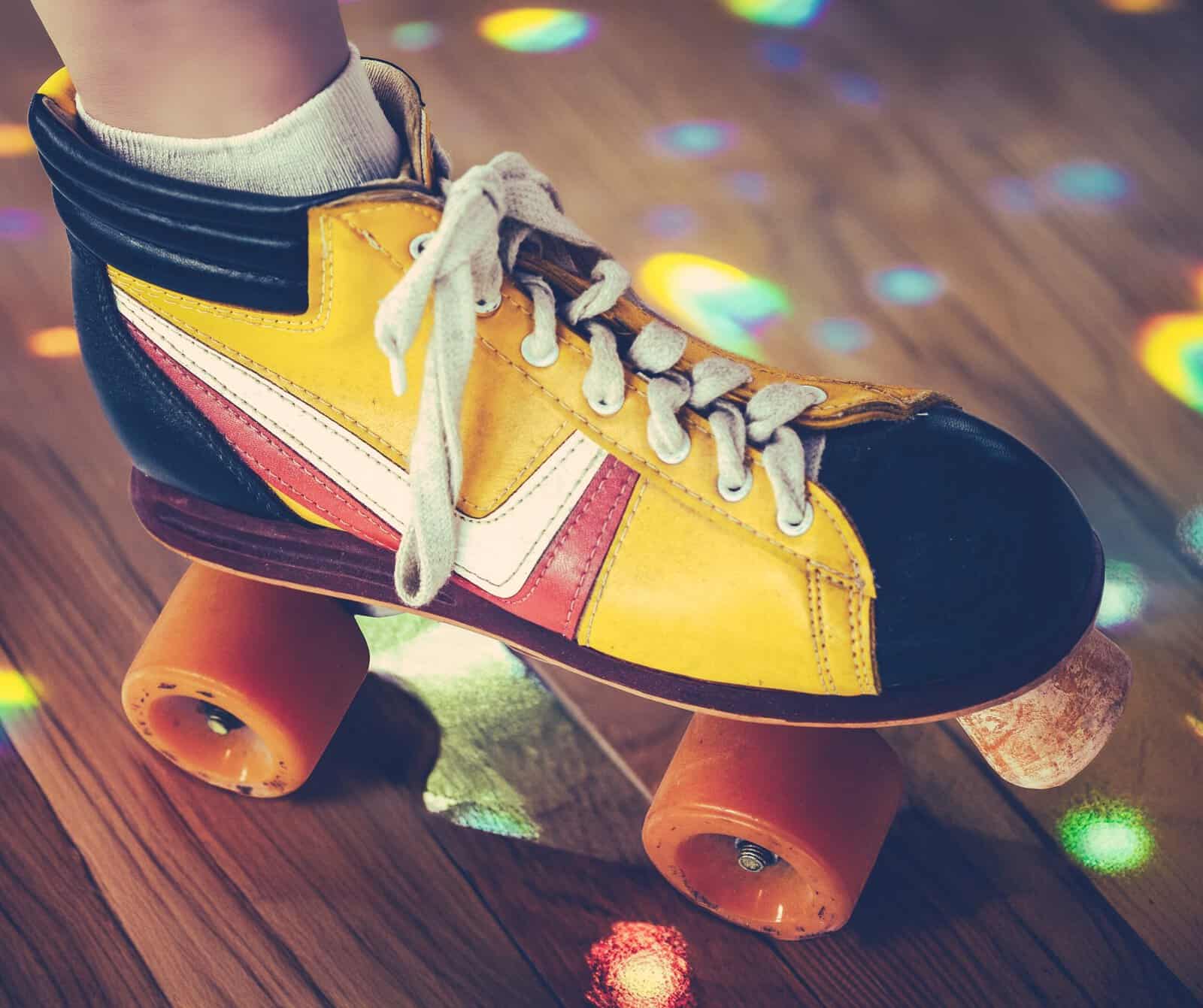
The 1970s and 80s were defined by the local roller rink, a social sanctuary where Baby Boomers glided under shimmering disco balls. These hubs were a sensory explosion of neon lights and bell-bottoms. However, the cultural landscape has shifted.
The rise of digital entertainment and high operating costs has forced many iconic venues to close. While retro pop-ups occasionally surface, the authentic weekly roller disco is now a rarity.
The era of “Stayin’ Alive” on wheels has transitioned from reality to Americana, proving that while rinks may vanish, the timeless groove endures.
Drive-in movie theaters

Once the shimmering epitome of romantic date nights and joyful family outings, drive-in theaters felt as authentically American as homemade apple pie. Records from the New York Film Academy indicate that drive-in theaters reached their peak popularity in the 1950s and 1960s.
However, when modern multiplexes emerged on every suburban corner alongside endless streaming options at home, traditional cinemas lost their nostalgic charm.
Even though they witnessed a brief resurgence during the global pandemic, with people craving fresh air, this digital age has quickly secured its ultimate victory today.
Saturday morning network cartoons

For Baby Boomers, Saturday mornings represented a sacred ritual. Animated classics like Scooby-Doo and The Flintstones dominated every airwave.
However, as the new millennium dawned, networks transitioned away from these cherished blocks toward educational content. With the subsequent explosion of 24/7 children’s networks and digital streaming platforms, this specific tradition faded into history.
Today, younger generations enjoy the luxury of viewing Tom and Jerry on demand, whereas their grandparents lived for that precise 7:30 AM television slot. Gone are the days of siblings fighting over a heavy remote.
Bowling leagues as weekly social anchors

During the vibrant late 1970s, bowling leagues anchored weekly social life, serving as essential hubs for community bonding. Today, human engagement has pivoted sharply toward virtual realms, leaving physical lanes behind in favor of digital screens.
USBC membership has declined from a peak of nearly 10 million in the 1970s or 80s to approximately 1.4 to 1.5 million in recent years, according to reports analyzed by Bowlingball.com.
What used to be a primary venue for families to gather is now largely relegated to a rainy-day backup plan. This decline mirrors the way our evolving cultural landscape changes daily.
Collecting and mailing physical stamps and letters

Long before the instant gratification of emojis and social media notifications, the Baby Boomer generation relied on the intentional art of handwritten letters and physical cards.
These tangible messages were often adorned with intricate postage stamps, turning a simple envelope into a small piece of personal history. While the meteoric rise of email and digital messaging has pushed snail mail toward the brink of obsolescence, the tactile world isn’t dead yet. Much like the massive resurgence of vinyl records, there is a growing nostalgia for authenticity and permanence.
Perhaps we are on the verge of a postcard revival, or maybe the digital tide is simply too strong to turn back now.
Browsing record stores for new music

Before the era of Spotify and Apple Music, the local record store was the cultural hub.
Baby Boomers would spend entire afternoons flipping through stacks of vinyl, discovering new melodies in a deeply tactile way. Per recent data from the Recording Industry Association of America’s 2024 year-end report, vinyl record sales in the U.S. have achieved 18 consecutive years of growth, reaching $1.4 billion in revenue.
The paradox is striking: while the popularity of the vinyl format is surging, the independent brick-and-mortar stores that originally gave rise to this culture are being squeezed out by digital giants.
Using big encyclopedias for everyday research

Remember the family bookshelf once weighed down by multi-volume encyclopedias? Baby Boomers used those heavy tomes to look up everything from animal facts to famous historical dates.
But now, traditional encyclopedias are relics. The internet has largely rendered them obsolete, with information updating every second. These books became outdated the moment they were printed, whereas, per modern digital standards, we have up-to-the-minute data at our fingertips.
So much for dusting off those encyclopedia sets to find out who won the 1960 World Series when a quick search does the job. This shift marks a total transformation in how we consume knowledge, moving from static, physical pages to an infinite stream of live facts.
Local hobby clubs and civic groups

In the 1960s and 1970s, Boomers joined local clubs for everything from bridge nights to model train enthusiasts. These were vibrant places where deep friendships formed and neighbors interacted daily.
But as time pressures, suburban sprawl, and digital entertainment took over, local civic groups began to disappear. More Americans are now opting out of group activities, leading to a breakdown of communal life that Boomers once enjoyed.
These clubs weren’t just for fun; they were vital to maintaining social capital, which we all know is clearly harder to build on social media sites like Twitter.
Reading print for pleasure every day

Before smartphones, Baby Boomers would read newspapers, magazines, and novels to unwind. Now, Americans’ reading for pleasure has plummeted on a given day.
Co-author Dr. Jill Sonke of the EpiArts Lab calls this 3% annual decline deeply concerning. Regular reading, especially print, is tied to better health outcomes, but as we swap pages for screens, the joys of getting lost in a paperback are becoming less common.
It is all about convenience; who has time to read a book when you can scroll through Instagram? We are trading mental depth for digital speed, losing a vital habit that keeps us well.
Jukeboxes and soda fountains as hangouts
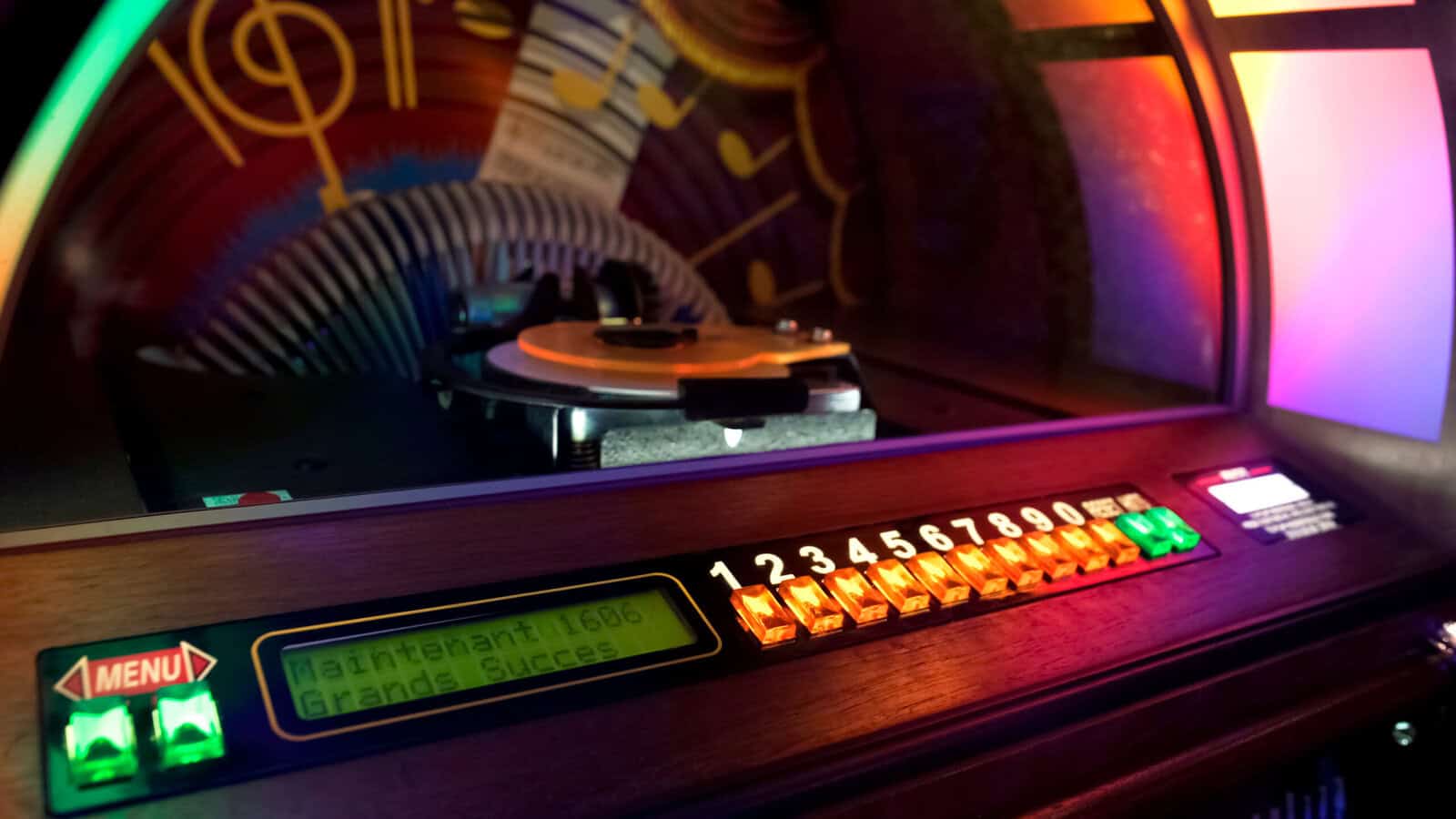
In the era before fast-food chains took over the scene, Baby Boomers would hang out at local diners with a jukebox, a soda fountain, and their friends.
These were the perfect spots for casual dates, gossip, and afternoons spent with good music. But with the advent of chain restaurants and a shift in consumer habits, soda fountains and jukeboxes are now fading into the realm of nostalgia.
These machines may have been replaced by digital tunes, but the charm of flipping through a jukebox to select the perfect song is something we can’t replicate online.
Handwritten holiday cards and photo albums

Baby Boomers used to spend days addressing holiday cards and filling photo albums with memories. But today, Quilling Card reports that, while rapid technological advancements, specifically social media and instant digital messaging, have largely replaced the traditional handwritten greeting for daily, convenient communication.
There is a decline in personal correspondence, and with people sharing photos on Facebook instead of creating albums, the tradition of sending a card or gifting a handmade photo book has become less popular.
But hey, at least those perfectly posed family photos are still living on in the cloud.
Key takeaway

Vanishing Era: Baby Boomer pastimes are a fun trip down memory lane, but as the years roll by, many of these activities are becoming increasingly rare.
Digital Shift: Digital alternatives have transformed social interactions, but there’s no denying that these nostalgic activities once provided vital social connections and a sense of community.
Lasting Legacy: While some of these traditions may be gone for good, the fond memories they created will linger for generations to come.
Disclaimer: This list is solely the author’s opinion based on research and publicly available information. It is not intended to be professional advice.
Like our content? Be sure to follow us