12 signs hoarding behavior in a parent may reflect deeper priority issues
Hoarding in a parent is rarely as simple as too much stuff. In many cases, it is tied to anxiety, memory, identity, and deeply ingrained beliefs about waste, safety, and control. From the inside, holding onto items can feel protective; even necessary. From the outside, especially for children, the same behavior can feel like something else entirely: a quiet but persistent shift in what gets protected, prioritized, and preserved.
Clinical assessments, such as those from the Psychopharmacology Institute, indicate that hoarding becomes a disorder when the accumulation of possessions congests and compromises living spaces, preventing them from being used for their intended purpose and marking a shift from a personal habit to significant functional impairment. A parent may not consciously choose objects over their family, yet over time, the patterns that govern what stays, what goes, and what gets defended can begin to function that way.
The signs below are not about assigning blame so much as about observing patterns. Each one highlights a moment where the balance between possessions and people starts to tilt; sometimes subtly, sometimes in ways that reshape daily life. Together, they offer a clearer picture of how hoarding behavior can reflect deeper struggles that, regardless of intent, begin to operate like priority shifts within the home.
When Letting Go Feels More Distressing Than Letting Conflict Linger

The neurobiological signature of hoarding reveals that discarding a mundane object, like a junk mail flyer, can activate the anterior cingulate cortex and insula: the same brain regions responsible for processing physical pain.
Dr. David Tolin, author of Buried in Treasures, utilized fMRI scans to demonstrate that for individuals with hoarding disorder, the act of letting go is not a cognitive preference but a physiological trauma. Consequently, a parent may choose to endure a decade of screaming matches with their adult children rather than face the excruciating metabolic spike associated with clearing a kitchen table.
Research indicates that roughly 75% of those with hoarding tendencies also struggle with major depressive disorder or generalized anxiety, suggesting that the clutter serves as a maladaptive emotional regulator. While family members view the refusal to clean as a sign of stubbornness or lack of love, the parent perceives the suggestion of disposal as a direct assault on their safety.
When “I Might Need This” Overrides Present-Day Family Needs

The cognitive distortion of instrumental value leads parents to hoard items based on a hypothetical future utility that never arrives, often at the expense of current family functionality. The International OCD Foundation estimates that hoarding prevalence is 2% to 6% of the population, yet its impact on family burden is disproportionately high.
When a parent saves hundreds of plastic containers while a grandchild has no clear floor space to play, they are prioritizing a just-in-case ghost over a here-and-now human. This behavior is frequently rooted in a processing deficit related to poverty, in which the executive function required to assess an item’s true worth is impaired. Sometimes this isn’t always a mental health failure but a manifestation of hyper-responsibility.
The parent feels a moral obligation to prevent waste, viewing themselves as a steward of resources. However, this stewardship becomes a pathology when the item’s potential use case is weighted more heavily than the child’s actual need for a sanitary or navigable home.
When Living Spaces Gradually Shift From Shared to Object-Controlled
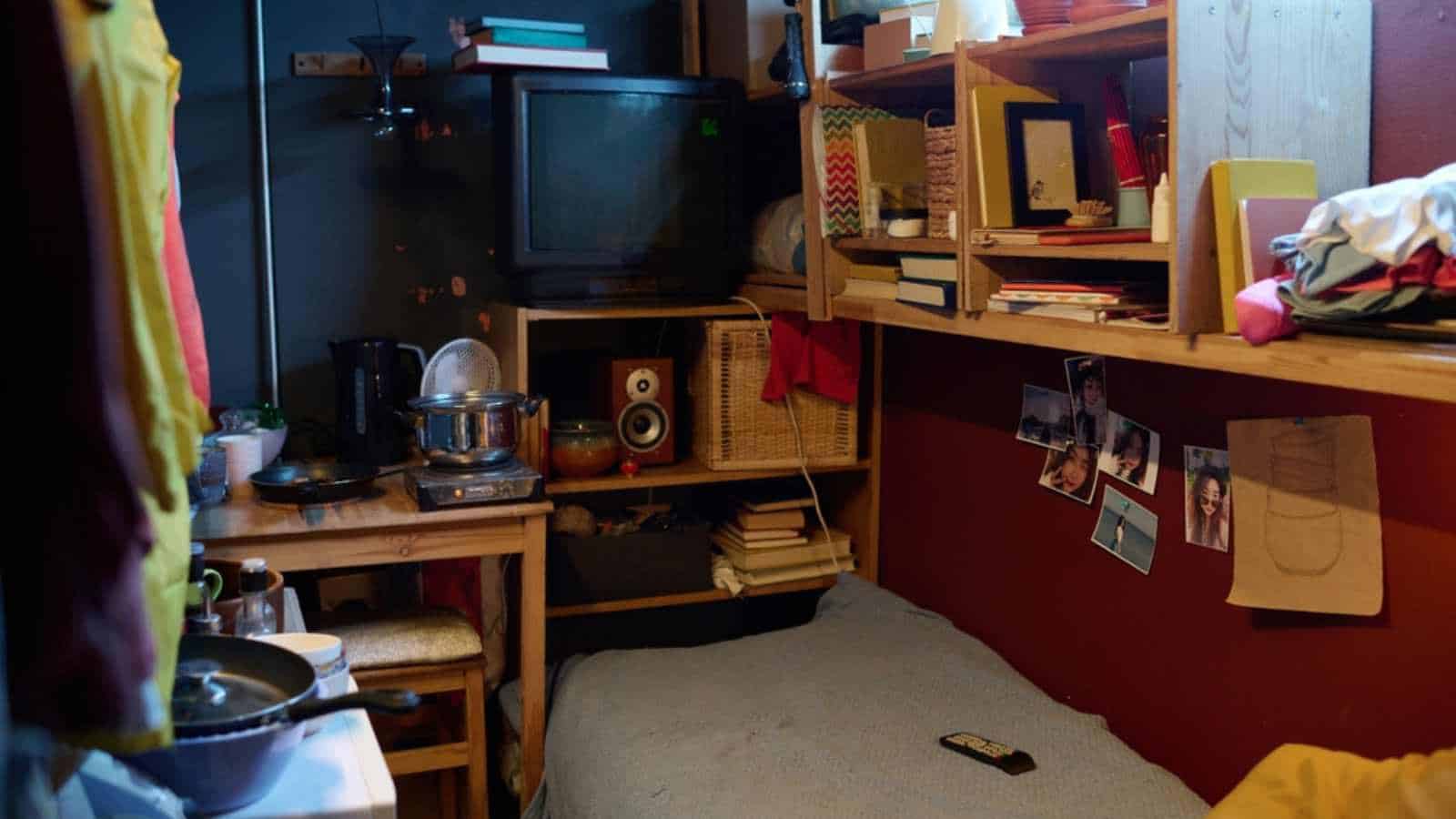
As hoarding progresses, the clutter scale developed by the Institute for Challenging Disorganization tracks the transition from a messy home to an object-governed environment. Level 3 of this scale marks the point at which key living areas, such as the dining room or guest bathroom, become inaccessible for their intended purposes.
At this stage, they are no longer residents; they are tenants living at the whim of their possessions. Statistically, 80% to 90% of people with hoarding disorder engage in excessive acquisition, meaning the volume of items grows while the square footage remains static. This shift effectively evicts family members from shared rituals, such as holiday dinners or casual visits.
While some critics of the DSM-5 classification of Hoarding Disorder argue that it medicalizes eccentricity, the physical reality of a 300-pound stack of newspapers blocking a fire exit suggests a shift from personal choice to a public health hazard. The objects don’t just take up space; they dictate the movement, social life, and safety of every inhabitant, subordinating human mobility to material stasis.
When Protecting Items Triggers Stronger Reactions Than Protecting Boundaries

Conflict in a hoarding household often reveals a displacement of protection. A parent might react with mild indifference to a child’s emotional distress but erupt in a fight or flight response if a stack of old magazines is moved three inches. This volatility is linked to the concept of self-extension, where the individual views their possessions as literal parts of their physical body.
In Russell Belk’s seminal work, Possessions and the Extended Self, he explores how losing an item can feel like the amputation of a limb. In the context of parenting, this constitutes a boundary violation in which the parent’s object-self takes precedence over the child’s relational-self.
Data suggest that children of hoarders often report higher rates of parentification, in which they must care for their parents’ emotional instability stemming from the clutter. When the parent prioritizes the sanctity of a broken appliance over the child’s need for a stress-free environment, it signals a profound breakdown in the hierarchical structure of healthy caregiving.
When Decision Fatigue Around Possessions Delays Everyday Parenting Tasks

Hoarding is fundamentally a disorder of decision-making. Every object requires a choice: Keep, Trash, Donate, or Recycle? For a hoarder, the mental energy required to make these micro-decisions is so great that it leads to decisional procrastination.
Individuals with hoarding symptoms take significantly longer to categorize even neutral objects than those in a control group. This fatigue spills over into parenting responsibilities.
If deciding what to do with a pile of junk mail takes four hours, the parent may lack the cognitive bandwidth to help with homework, plan a nutritious meal, or address a teenager’s social crisis. The stuff creates a secondary layer of neglect not through malice, but through a total depletion of executive resources.
Are hoarders simply creative or sentimental? The data on cognitive load suggest they are actually paralyzed by the sheer volume of choices, leaving the parent perpetually stuck in a state of mental buffering, while the family’s needs go unmet.
When Sentimental Value Expands to Include Almost Everything

In a typical household, sentimental value is reserved for heirlooms; in a hoarding household, it is democratized to include every gum wrapper and grocery receipt. This emotional over-attachment is a core pillar of the Hoarding Rating Scale.
A hoarder classifies a 1994 calendar as a memory of a specific year, effectively turning the home into a museum of the mundane. Research by Dr. Randy Frost, a leading expert on the topic, indicates that hoarders often experience hyper-association, where one item triggers a cascade of memories so intense that losing the item feels like losing the memory itself.
A competitive environment emerges in which the parents’ past, stored in cardboard boxes, is more present and alive than their children’s current needs. It is a reversal of the traditional parental role of looking forward to the child’s future; instead, the parent is looking backward, tethered to the floor by the weight of a thousand insignificant histories.
When Avoidance of Clutter Conversations Replaces Problem-Solving

Hostility-saturated avoidance becomes the primary mode of communication when a parent prioritizes their own hoard over transparency. Instead of discussing household repairs or financial planning, the parent may shut down or redirect conversations the moment the topic of the environment is mentioned.
Family members of hoarders report severe levels of relationship strain. The parent often employs gaslighting or denial to protect the hoard, claiming the mess isn’t that bad or that they have a “plan” to organize it.
Children are often forbidden from inviting friends over, leading to social isolation. By prioritizing the silence around the hoard, the parent inadvertently teaches the child that preserving the parent’s comfort is more important than the child’s social development or the family’s ability to solve real-world problems.
When Safety Concerns Are Acknowledged but Not Acted On
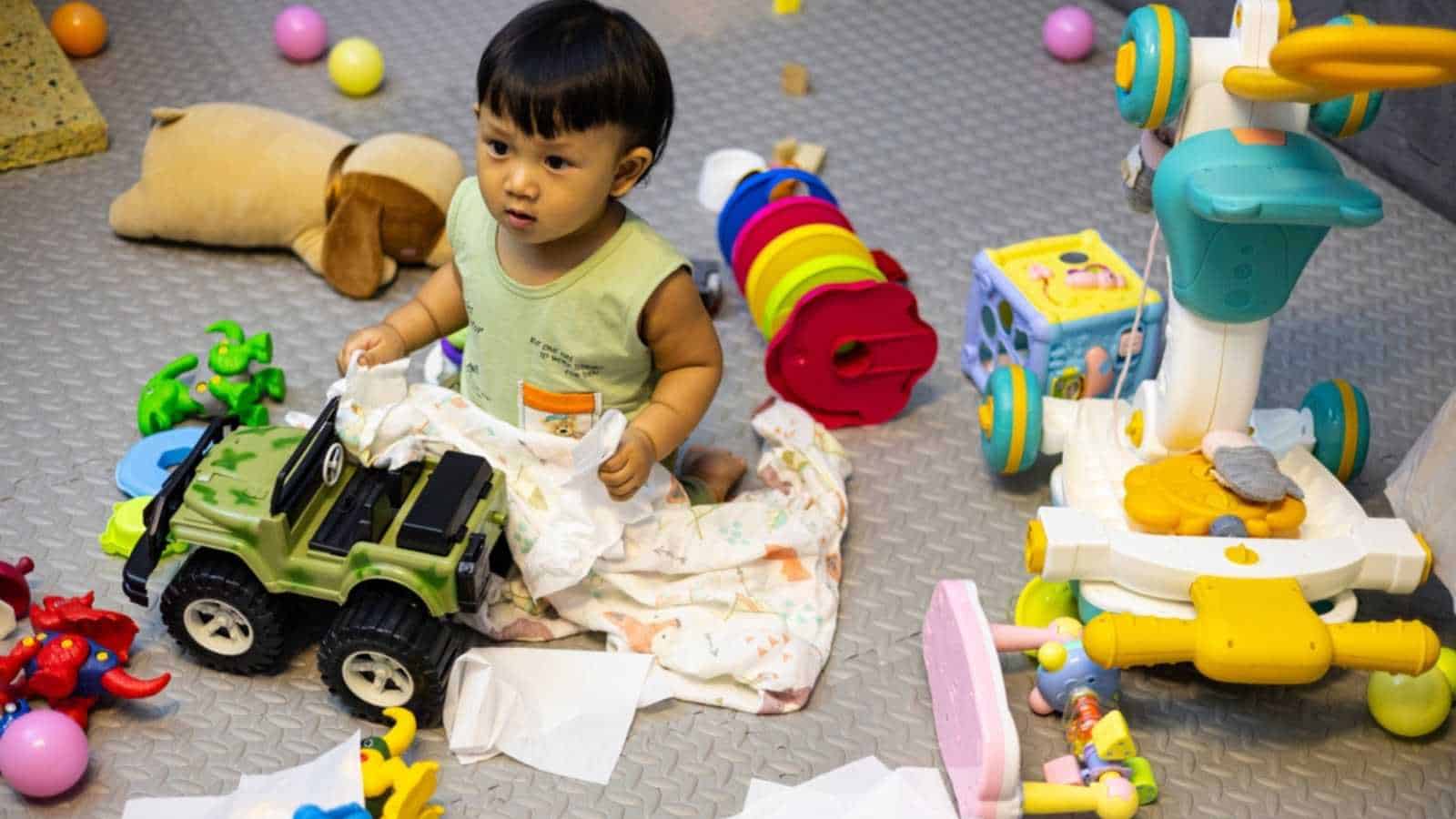
There is a disturbing gap between insight and action in many hoarding cases. A parent may admit that the blocked heater is a fire hazard or that the mold in the corner is a health risk, yet they remain unable to clear the area. They recognize the danger, but the emotional cost of fixing it feels higher than the risk of the house burning down.
National Fire Protection Association statistics show that hoarding is a factor in roughly 24% of preventable fire fatalities in certain jurisdictions. When a parent allows their child to live in a Level 4 ICD environment characterized by odors, pests, and blocked exits, they are engaging in passive endangerment.
Forced cleanouts are ineffective in most cases and cause more trauma, but doing nothing is a choice to prioritize the parent’s psychological comfort over the child’s basic right to physical safety.
When Children Adapt by Shrinking Their Needs or Space
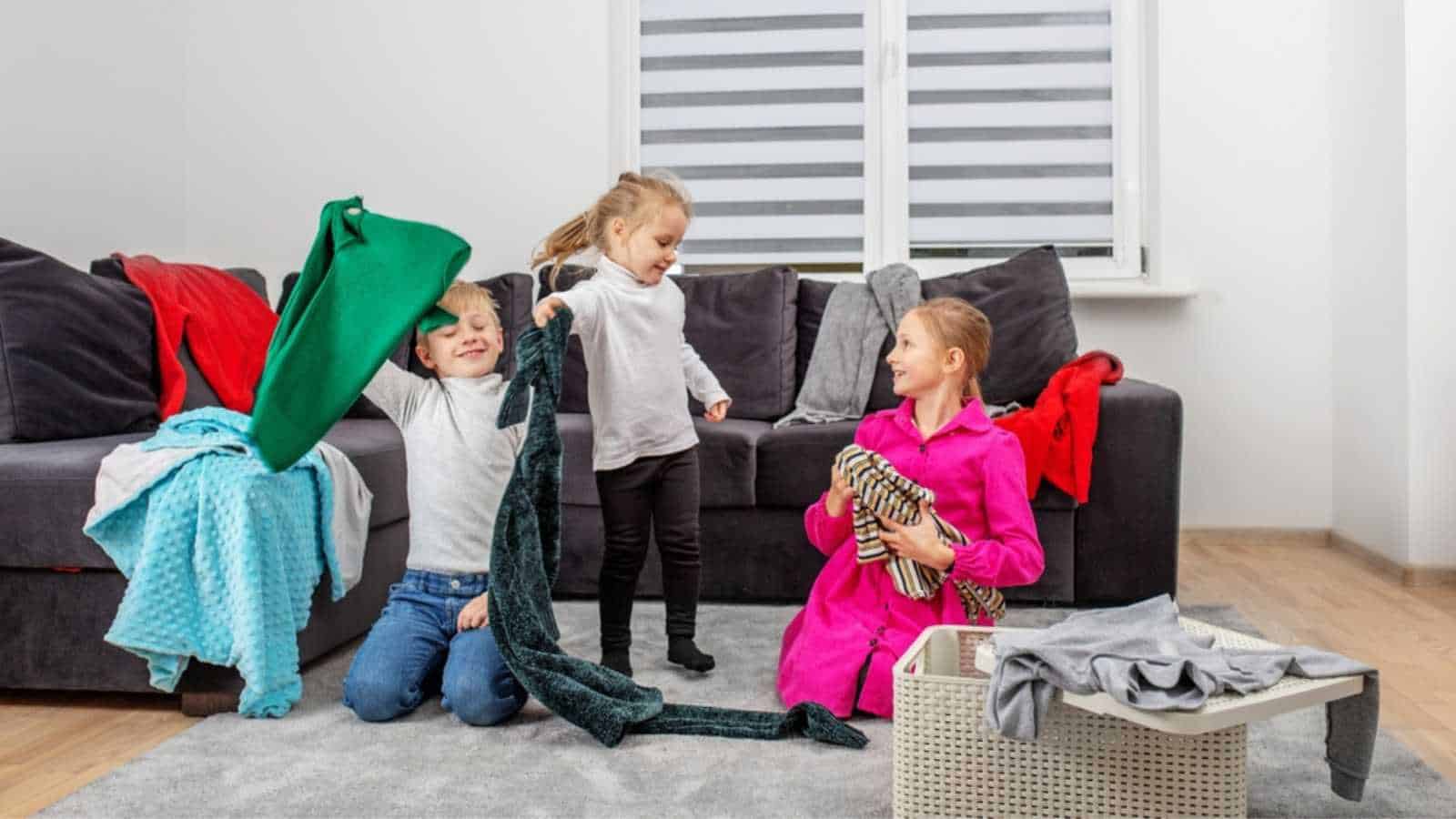
In hoarding environments, children often engage in space-shrinking, a psychological and physical retreat. As the parents’ possessions expand into every room, the child may confine their entire life to a single bed or a small corner of a room that they aggressively keep clean. This is a manifestation of learned helplessness, a psychological phenomenon identified by Martin Seligman.
The child realizes they cannot control the parent’s behavior or the home’s condition, so they minimize their own presence to avoid conflict. Long-term studies on COHs (Children of Hoarders) reveal that these individuals often struggle with clutter-related PTSD or go to the opposite extreme of hyper-minimalism in adulthood. The parents’ inability to maintain boundaries for their belongings forces the child to abandon their own boundaries just to survive, effectively disappearing within their own home.
When Acquiring New Items Continues Despite Existing Overload

Excessive acquisition, often referred to as retail therapy or compulsive shopping, is present in about 75% of hoarding cases. Even when the kitchen sink is unusable and the hallway is a goat path, the parent may still bring home deals from thrift stores or garage sales. This reflects a priority of “dopamine seeking” over household management.
Each new item provides a brief neurochemical high that masks the underlying shame of the living conditions. Many hoarders have difficulties with response inhibition, meaning they cannot stop the impulse to acquire even when they know they have no room.
This behavior simultaneously drains the family’s financial resources and physical space. The parent is effectively choosing the temporary thrill of a new treasure over the long-term stability of the family budget or the physical breathing room required for a healthy home life.
When Efforts to Organize Replace Efforts to Reduce

Many hoarding parents fall into the trap of churning: moving piles of items from one spot to another without actually throwing anything away. They may spend hundreds of dollars on plastic bins and shelving units, convinced that organization is the solution.
However, professional organizers and psychologists argue that you cannot organize your way out of a hoarding problem; you can only discard your way out. Churning is a sophisticated form of procrastination that allows the parent to feel productive while maintaining the status quo of the hoard.
This priority shift suggests that the parent values the appearance of trying over the reality of change. For the child watching this cycle, it is a source of immense frustration, as they see energy being wasted on rearranging the deck chairs on the Titanic rather than addressing the sinking ship.
When the Home Reflects Internal Overwhelm More Than External Circumstances

Ultimately, a hoarded home is a physical manifestation of a cluttered mind. For many parents, the inability to sort through possessions mirrors an inability to sort through grief, trauma, or identity. Older adults with hoarding disorder often use possessions as security blankets to cope with role losses, such as retirement or the empty nest syndrome.
The hoard becomes a barrier between the parent and a world that feels too fast or too cold. While this is a sympathetic struggle, it becomes a priority issue when the parent uses the hoard as a literal wall to keep people out, including their own children.
The house no longer functions as a shelter for humans, but as a fortress for the parents’ unaddressed internal chaos. In this scenario, the priority has shifted entirely inward; the external environment is sacrificed to appease an internal storm that no amount of stuff can truly calm.
Key takeaways
- Hoarding isn’t just about clutter; it’s a breakdown in decision-making and emotional regulation. Difficulty discarding, overvaluing objects, and avoidance loops create a system where items accumulate regardless of intention.
- Intent and impact often diverge in hoarding households. What feels like protection, safety, or responsibility to the parent can, in practice, function as prioritizing possessions over relationships and daily family needs.
- The real issue isn’t mess; it’s functional displacement. As objects take over space, time, and attention, they begin to limit mobility, strain relationships, and reduce a home’s ability to serve its core purpose.
- Children adapt to the environment in ways that carry long-term consequences. From shrinking their physical space to internalizing stress or developing extreme habits later in life, the impact extends beyond childhood.
- Lasting change requires addressing underlying drivers, not just removing items. Without addressing the emotional, cognitive, and behavioral mechanisms underlying hoarding, including those seen in Hoarding Disorder, efforts such as organizing or forced cleanouts tend to fail or backfire.
Disclaimer – This list is solely the author’s opinion based on research and publicly available information. It is not intended to be professional advice.
Like our content? Be sure to follow us