15 phrases it’s best not to say around Christians
Christians are not a monolith, but many share a sense that people talk about their faith in ways that are dismissive, mocking, or based on tired stereotypes. In a survey cited by Anglican Watch, nonreligious Americans admit they often see Christians as close-minded or hypocritical.
That gap shows up in everyday language, where certain phrases land like casual insults even when they are meant as jokes or “just being honest.” Here are 15 phrases it is usually best to avoid or rethink when talking to Christians, and what those words can sound like from their perspective.
“You Are Too Smart To Believe In That.”

This line is often delivered as a compliment, but it frames faith as something only uneducated or gullible people could hold. Christians who work in science, medicine, or academia point out that this assumes a conflict between belief and intelligence that many do not see in their own lives. It can shut down real dialogue by implying that if they were really bright, they would already agree with you.
“Religion Is Just A Crutch For Weak People.”
Calling faith a “crutch” suggests that believers are emotionally fragile and unable to face reality, which most Christians understandably find condescending. BC Open Textbooks notes that people are religious for many reasons: identity, history, community, experiences, not simply out of fear or weakness. Framing their entire worldview as an emotional defect makes it much harder to have respectful conversations about doubt, suffering, or mental health.
“All Christians Are Hypocrites.”

Many Christians will readily admit that hypocrisy exists in the church and that it bothers them, too. But blanket statements about “all Christians” being hypocrites treat the worst examples as representative of everyone and ignore believers who are quietly trying to live out what they preach. Given that atheists and Christians are both among the least liked religious groups in US opinion polls, broad stereotyping from either side tends to harden distrust on both.
“You Must Hate Science If You Believe The Bible.”
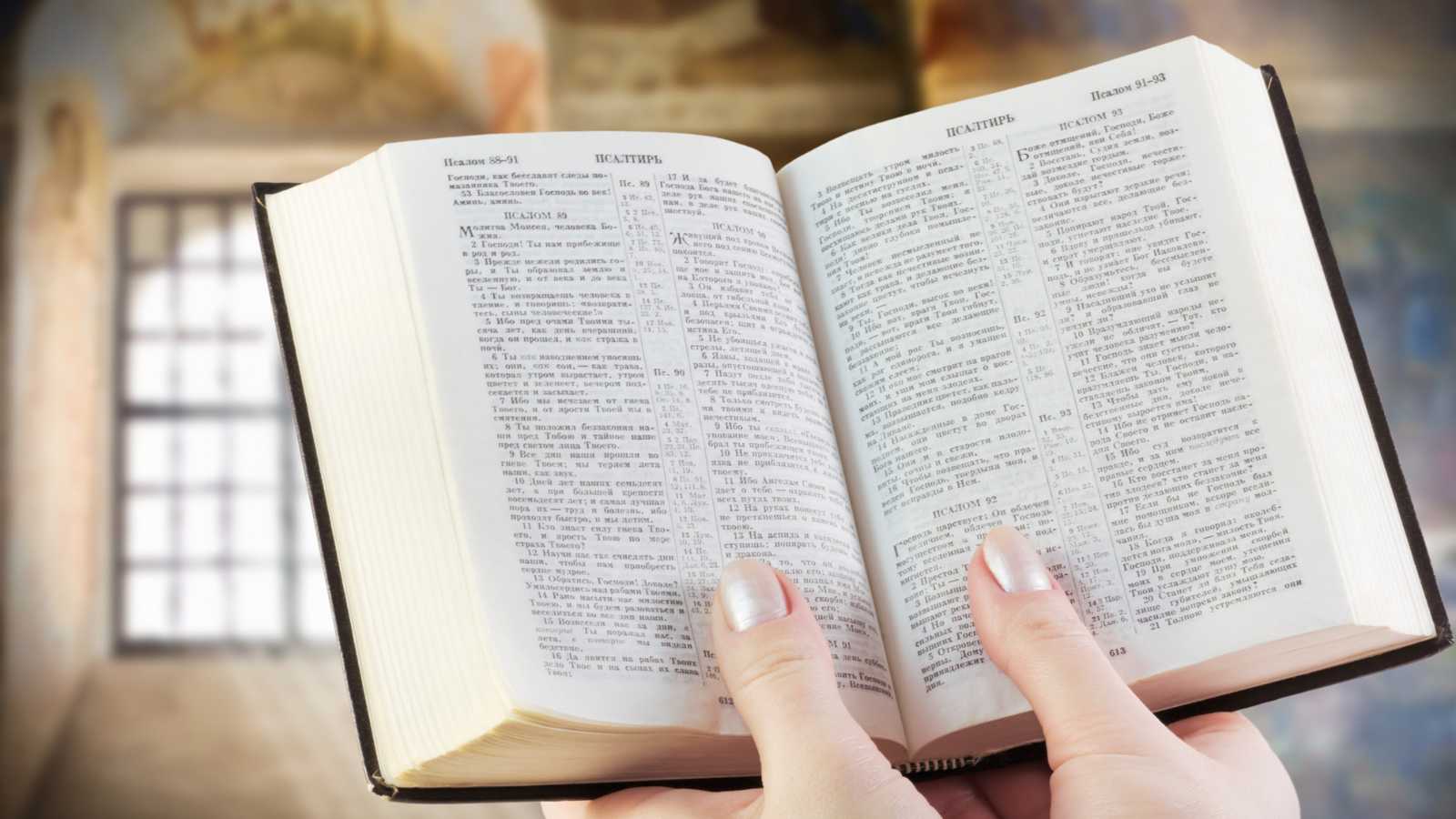
This phrase assumes that accepting the Bible automatically means rejecting evidence-based science, which is not how many Christians see themselves. Colorado Christian University reports that while some Christians do hold creationist or anti-evolution views, others work in scientific fields and interpret Scripture in ways they believe are compatible with mainstream science. Suggesting that faith and science cannot coexist can feel like a personal attack on their competence as professionals and thinkers.
“The Bible Has Been Rewritten So Many Times You Can’t Trust Any Of It.”
Skepticism about ancient texts is fair, but this claim is historically sloppy. Bible.org notes that the Bible, especially the New Testament, actually has more early manuscripts than any other ancient work and that modern translations are based on comparisons of those earliest available texts, not random “rewrites.”
Christians who have studied that evidence hear this phrase as an uninformed dismissal rather than a sincere question about reliability.
“I Don’t Need A Sky Daddy Telling Me What To Do.”

Mocking language about “sky daddy,” “imaginary friend,” or “fairy tale book” is designed to provoke, not to understand. Atheist and nonreligious writers themselves acknowledge that such rhetoric can dehumanize believers and make productive dialogue almost impossible. For Christians, it often communicates that you are not interested in their actual reasons for belief, only in scoring points.
“You Are Just Brainwashed By Your Church/Parents.”

It is true that most people inherit religious identities from family and culture, but that is also true of nonreligious identities and political views. Telling a Christian they are “brainwashed” dismisses any thoughtful wrestling they may have done with their beliefs and can feel especially insulting to converts or those who have questioned their faith deeply. It also ignores that information control and manipulation exist in secular and online spaces, too.
“Real Christians Would Never Support X, So You Must Not Be One.”

People often tell Christians they are not “real” believers if they vote a certain way, attend a certain church, or hold a specific position on sexuality or politics. Given the wide theological and cultural diversity within Christianity, most believers hear this as gatekeeping and moral grandstanding. It can be especially hurtful when said by outsiders who do not share their faith at all but still presume to define it for them.
“Your Faith Is Harmful, You Should Keep It To Yourself.”

Criticizing harmful applications of religion is valid. But telling someone that any public expression of Christian conviction is inherently harmful ignores the many ways religious communities contribute to charitable work, social services, and support networks. For practicing Christians, this phrase can sound like a demand to erase a central part of their identity from public life while other worldviews remain free to speak.
“God Never Shows Up For Anyone Anyway.”

Many Christians have stories they interpret as answered prayers or providential help. You may disagree with those interpretations, but saying God “never” shows up essentially tells them their most meaningful experiences are either lies or delusions. Pastors and counselors note that such comments can land especially harshly when someone is clinging to faith through grief or crisis and needs gentle space for questions rather than categorical denial.
“If Christians Really Believed In Heaven, They Wouldn’t Be Sad At Funerals.”

This line shows up on social media as a gotcha argument, but it misunderstands how grief works. An Erin Pavlina article writes that belief in an afterlife can bring comfort, yet does not erase the pain of separation or the reality of death. Christians often experience these comments as both emotionally cold and theologically shallow, as if sadness and hope cannot coexist in the same person.
“You Are On The Wrong Side Of History.”

Telling Christians they are “on the wrong side of history” about a moral or political issue implies that history is a simple, inevitable march toward one set of values and that disagreement is merely ignorance.
Many Christians, including those who support social change, hear this as moral bullying that appeals to future approval instead of engaging with their actual ethical or theological arguments. It can close off serious conversation by framing them as already outdated and beyond debate.
“I’m Spiritual But Not Religious, Unlike Those Church People.”

“Spiritual but not religious” is a common self-description in a culture where the share of religious “nones” has risen to roughly 28% of US adults, according to Pew Research.
Christians often have no problem with someone describing their own path this way, but it becomes grating when it is used to position oneself as more authentic, kind, or enlightened than “religious” people, as if all churchgoers are shallow rule followers while “spiritual” people are the only ones with depth.
“Christians Are All About Controlling Other People’s Lives.”
Many Christians recognize that some believers and churches have backed intrusive or harmful policies. But blanket statements that reduce their entire faith to control and politics erase the diversity of Christian engagement, which ranges from quiet service work to outspoken activism on very different sides of issues.
For everyday churchgoers who are simply trying to live out what they see as a call to love God and neighbor, this phrase feels like being lumped in with the worst headlines.
“You Are Wasting Your Life Serving A God Who Is Not There.”

This is perhaps the bluntest form of dismissal, and it cuts at the core of a believer’s sense of purpose. For Christians, faith is not an add-on but the frame through which they understand meaning, morality, and hope.
Telling them their service is a waste amounts to saying their deepest commitments are pointless, which is about as personal as it gets. Even if you are convinced God does not exist, there are usually kinder ways to explore disagreements about purpose and ethics.
Disclosure: This article was developed with the assistance of AI and was subsequently reviewed, revised, and approved by our editorial team.
20 Odd American Traditions That Confuse the Rest of the World

20 Odd American Traditions That Confuse the Rest of the World
It’s no surprise that cultures worldwide have their own unique customs and traditions, but some of America’s most beloved habits can seem downright strange to outsiders.
Many American traditions may seem odd or even bizarre to people from other countries. Here are twenty of the strangest American traditions that confuse the rest of the world.
20 of the Worst American Tourist Attractions, Ranked in Order

20 of the Worst American Tourist Attractions, Ranked in Order
If you’ve found yourself here, it’s likely because you’re on a noble quest for the worst of the worst—the crème de la crème of the most underwhelming and downright disappointing tourist traps America offers. Maybe you’re looking to avoid common pitfalls, or perhaps just a connoisseur of the hilariously bad.
Whatever the reason, here is a list that’s sure to entertain, if not educate. Hold onto the hats and explore the ranking, in sequential order, of the 20 worst American tourist attractions.