What lion prides can teach CEOs about leadership, power, and unity.
Lions aren’t just symbols of strength; they’re social strategists. A lion pride is a sophisticated system of cooperation, hierarchy, and adaptability that rivals many human organizations. From leadership transitions to teamwork and conflict resolution, the dynamics of the savanna mirror boardrooms, businesses, and even family units. Here’s how the “king of beasts” can teach us about power, responsibility, and success.
1. Leadership Is Shared, Not Solo

A dominant male often gets the spotlight, but leadership in a pride is shared. Males guard the territory, while females coordinate hunting and cub care.
Human Parallel: Effective CEOs rely on strong department heads. Just like lionesses handling day-to-day operations, team leads keep the business running. True leadership empowers others instead of micromanaging.
2. The Real Power Players Are Female
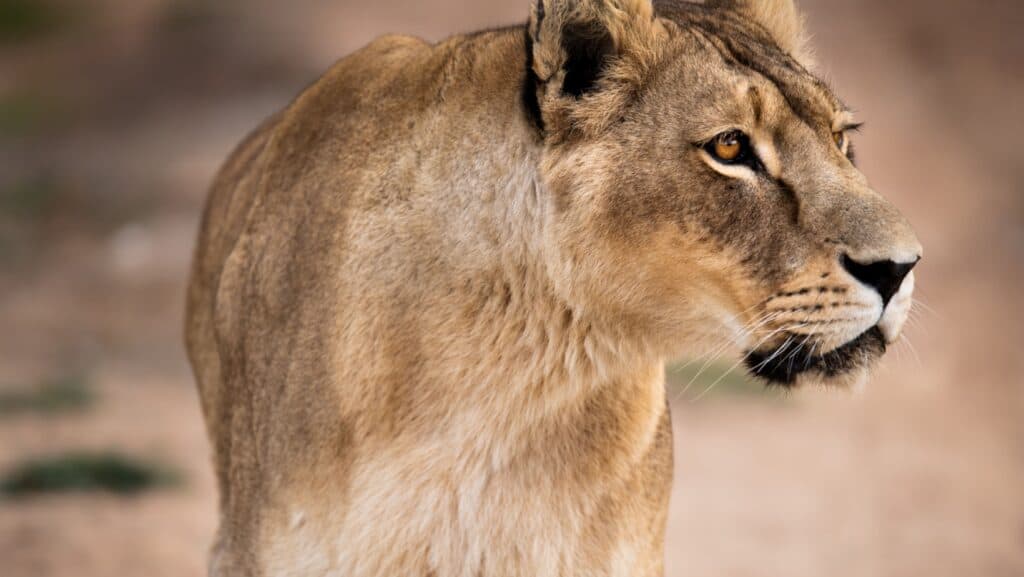
Lionesses handle food, training, and social structure. They decide where to hunt and when to move.
Lesson: Strong leaders recognize that influence doesn’t always come with a title. In companies, middle managers or specialists often hold the knowledge and connections that make organizations thrive.
3. Strategic Alliances Are Everything
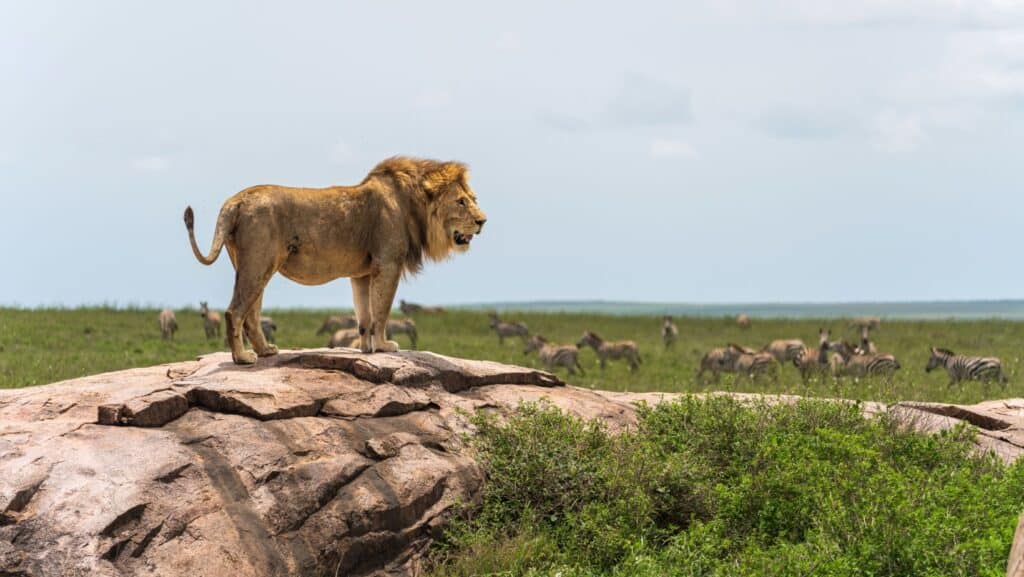
Male lions often form coalitions to win and maintain control. Solo males rarely succeed long-term.
Lesson: Networking matters. In business, partnerships and alliances can help companies scale, enter new markets, or weather financial storms.
4. Succession Planning Is Brutal—but Essential
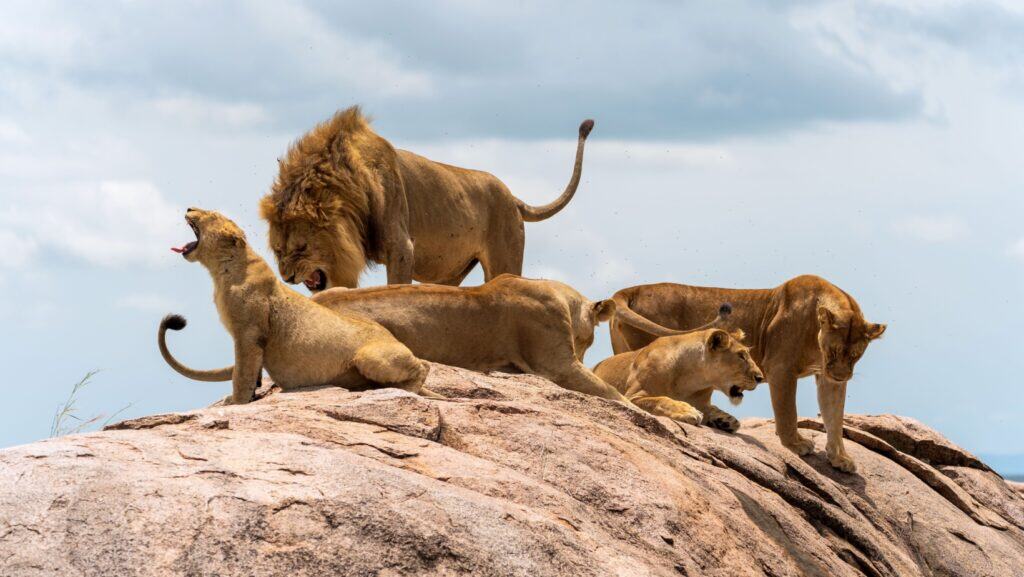
When new males take over, they eliminate cubs from the previous coalition. This ensures their genes dominate future generations.
Workplace Version: No one suggests layoffs should be savage, but leadership changes often bring new strategies, and sometimes restructuring. Smart companies plan these transitions thoughtfully to minimize disruption.
5. Everyone Plays a Role
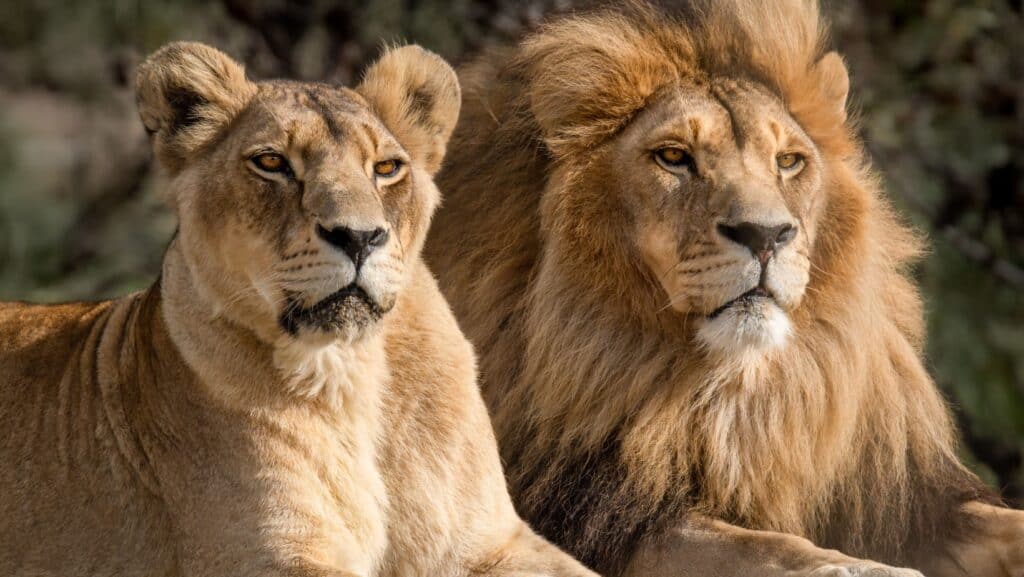
Cubs learn survival skills from older lions, hunters bring food, and defenders guard the pride.
Lesson: A strong team thrives on clear roles. Confusion about responsibilities can lead to inefficiency and conflict, whether on the savanna or in a startup.
6. Strength Alone Won’t Keep You in Power
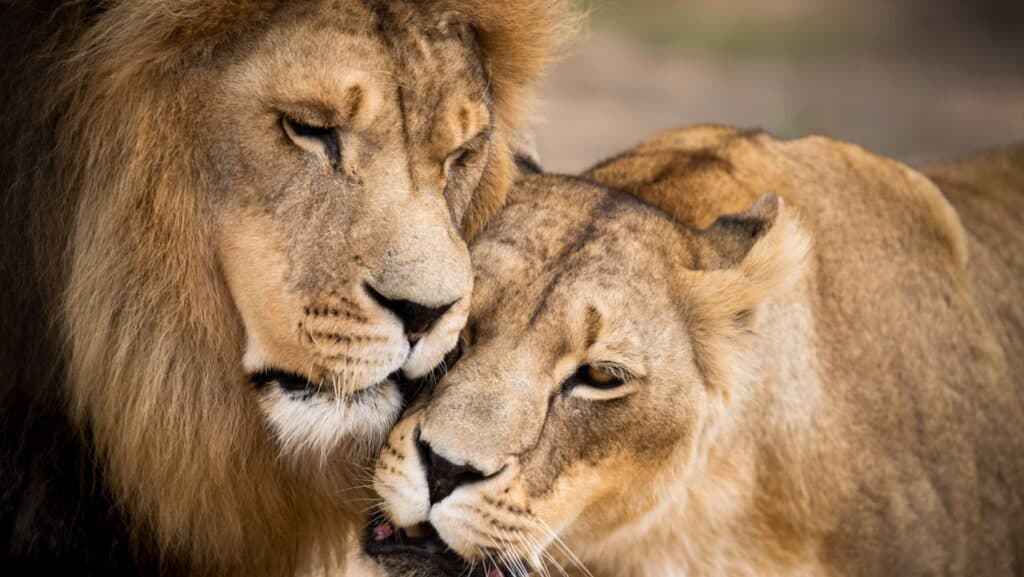
An aggressive lion without social skills won’t last. The best leaders gain loyalty by protecting and supporting the pride.
Workplace Example: A domineering boss who rules by fear might get short-term results but rarely builds long-term trust or stability.
7. Communication Holds It All Together
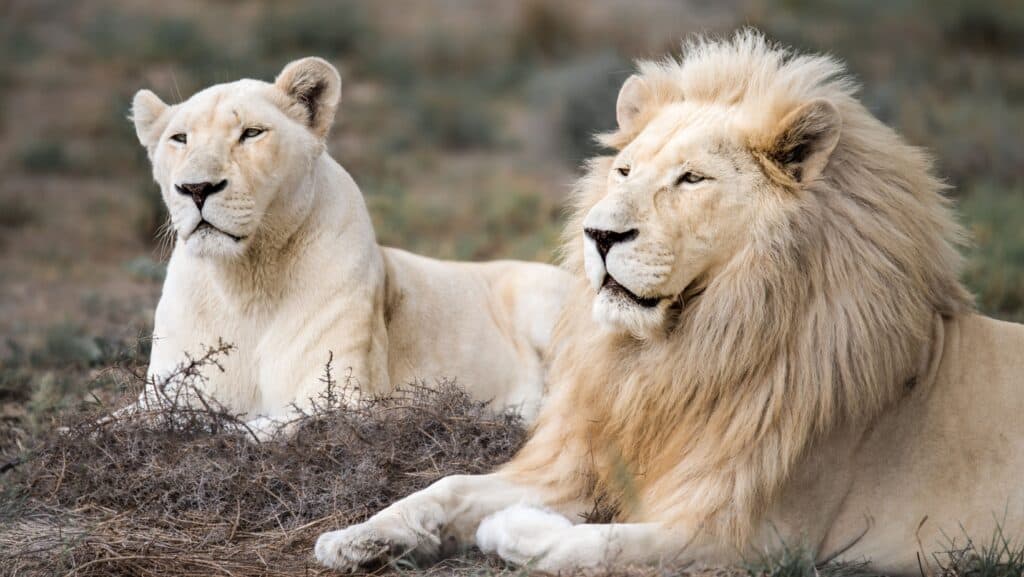
A lion’s roar is more than a show of dominance. It signals territory boundaries, reassures cubs, and warns rivals.
Human Lesson: Clear communication reduces chaos. Leaders who articulate vision and values help teams align and perform better.
8. Adaptability Is the Ultimate Survival Skill
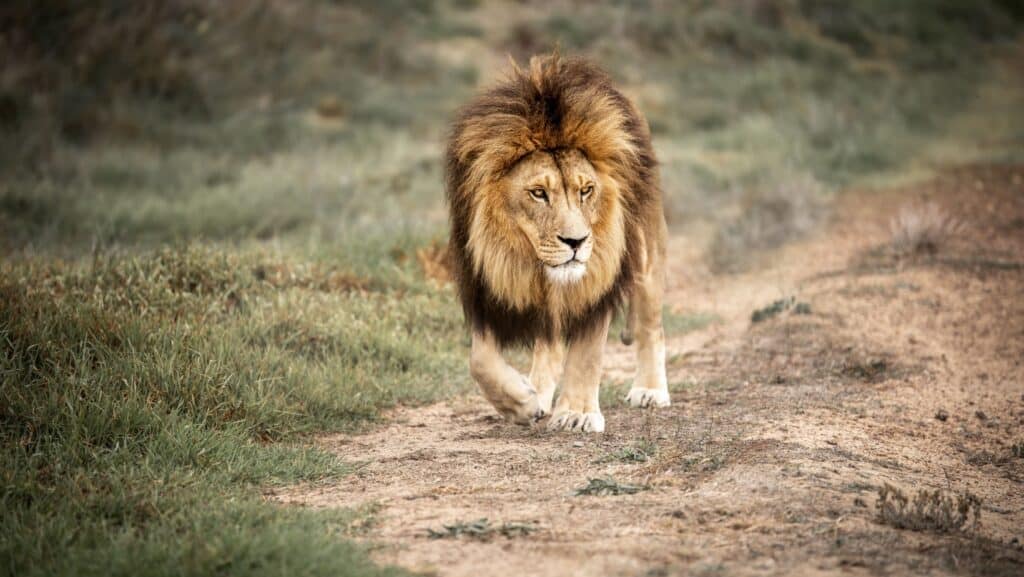
Drought or prey shortages force prides to split or move. Those that adapt survive; rigid ones collapse.
In Business: Companies that pivot, like retailers embracing e-commerce, thrive during disruption. Adaptability beats tradition in a crisis.
9. Leaders Are Temporary, but Culture Endures

Male lions rarely dominate for more than a few years, yet the pride persists. Culture, cooperation, and shared norms outlast any leader.
Lesson: A strong organizational culture keeps businesses healthy through leadership changes. Values are your pride’s backbone.
10. Relationships Trump Everything

Lions spend time grooming each other and playing, behaviors that strengthen bonds and reduce tension.
Leadership Tip: Never underestimate the power of connection. Teams bonded by trust outperform those that rely solely on rules and processes.
Why the Lion’s Lesson Matters

A lion’s roar might echo across the savanna, but their real power lies in cooperation, strategy, and adaptability. For humans, leadership is no different. Whether you’re managing a Fortune 500 company, a nonprofit, or a family, success isn’t about ruling: it’s about building relationships and resilience. Take a page from the pride, and you might find your own leadership instincts sharpened.