B.B. King at 100: How the King of Blues Shaped Every Genre You Love Today
On September 16, 2025, the world celebrates what would have been the 100th birthday of B.B. King, the man widely hailed as the “King of the Blues.”
But to think of King only in terms of the blues is to underestimate his reach. His guitar phrasing, his voice, and his tireless touring schedule didn’t just build a career; they laid the groundwork for rock, soul, country, and even modern hip-hop. Whether you realize it or not, your favorite playlist almost certainly carries echoes of B.B. King’s sound. Let’s take a look at how his influence has rippled through music for the last century.
The Birth of a Guitar Voice
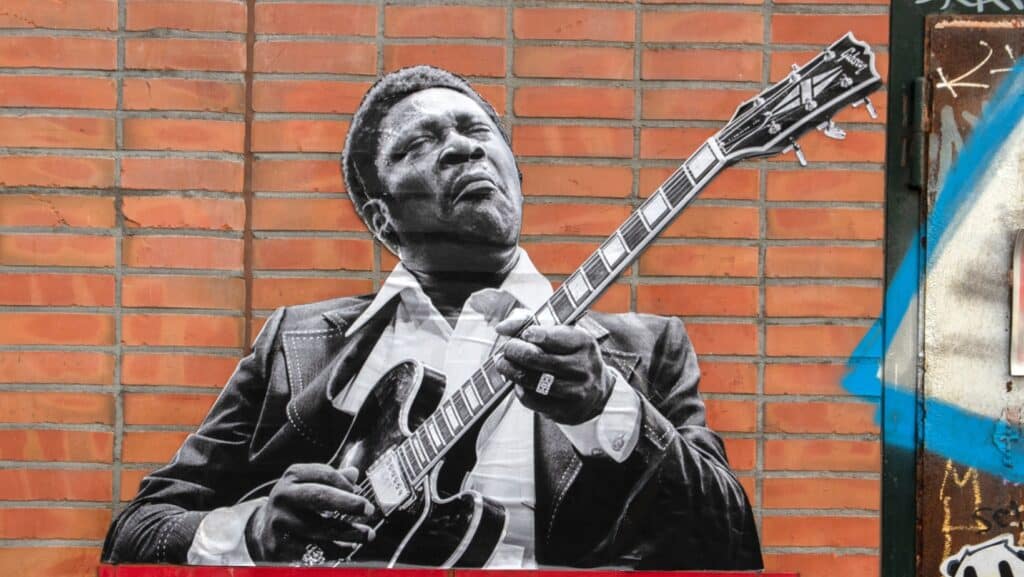
B.B. King’s earliest recordings in the late 1940s and 1950s already showcased the vibrato that became his signature. Unlike guitarists who played endless runs of notes, King made his guitar sing, stretching a single note until it felt like it carried the weight of an entire lyric. That approach turned the guitar into a second voice and changed how generations of musicians thought about phrasing.
The Legend of Lucille
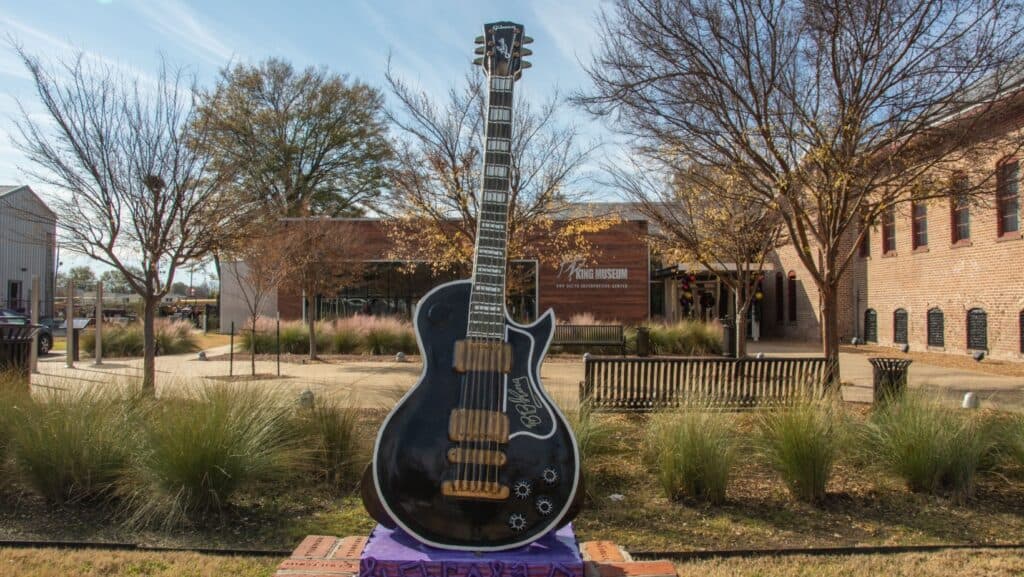
Every fan knows the story: after a nightclub fire broke out during one of his performances, King rescued his guitar and later named it “Lucille” after the woman who sparked the fight that caused the blaze. That one name turned his Gibson guitars into icons. From Slash to Gary Clark Jr., guitarists still talk about Lucille as more than an instrument, she became a symbol of the intimate relationship between musician and music.
Rock ’n’ Roll Wouldn’t Sound the Same Without Him
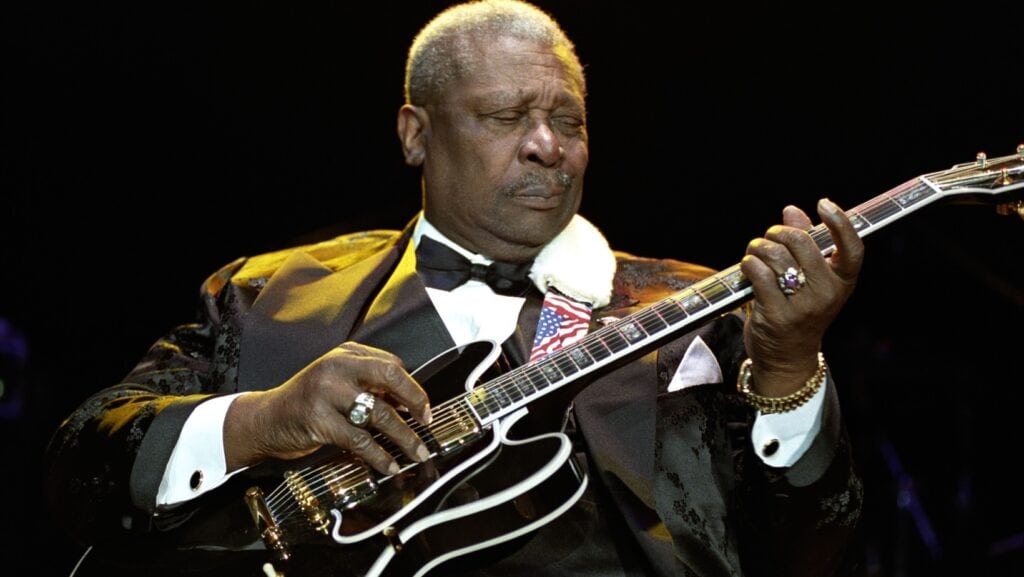
Listen to Eric Clapton’s soaring solos, Jimmy Page’s bends, or even Keith Richards’ riffs, and you’ll hear the DNA of B.B. King. Clapton once called him “the most important artist the blues has ever produced.” When British rock exploded in the 1960s, it was B.B. King’s records that young guitarists studied. His influence gave rock its emotional intensity, bridging raw blues with mainstream appeal.
Prince, Hendrix, and the Art of Expression
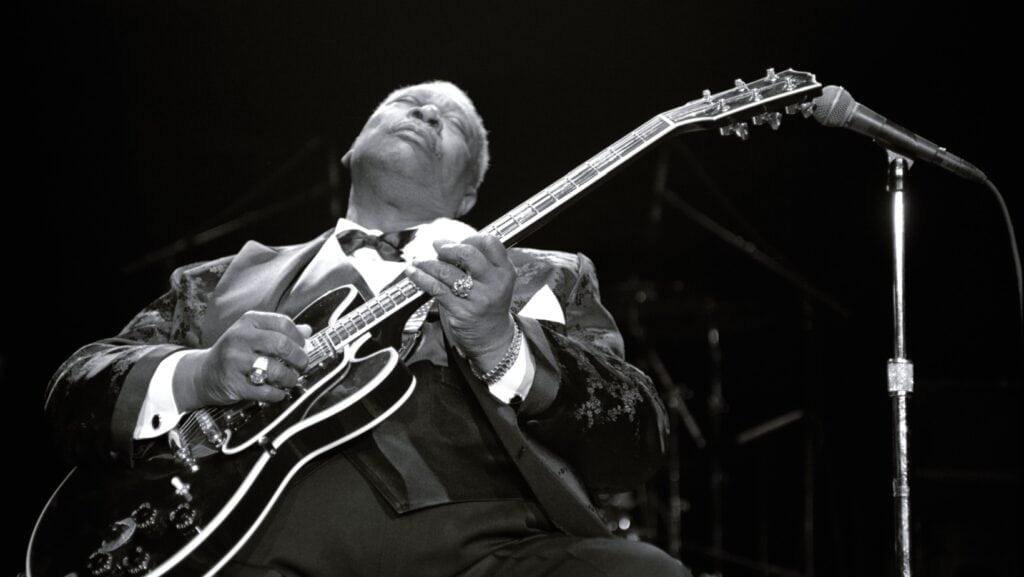
While Jimi Hendrix is often seen as a revolutionary, even he acknowledged the groundwork B.B. King had laid in bending strings to mimic the human voice. Prince later took that expressive approach to new heights, weaving King’s emotive phrasing into funk, soul, and pop. Without B.B. King, the electric guitar might never have become such a powerful storytelling tool across genres.
Crossing Over Into Soul and R&B
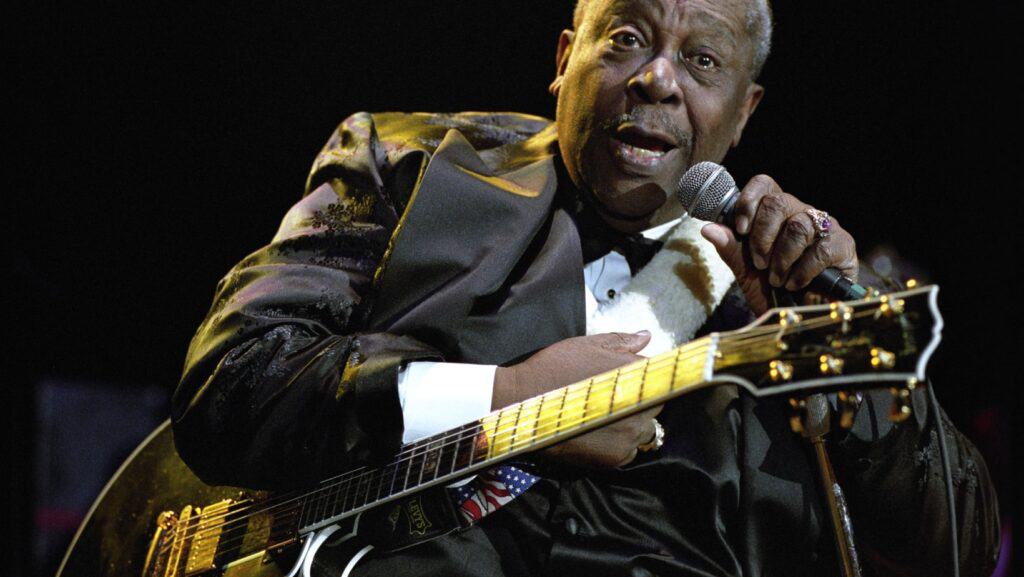
B.B. King wasn’t confined to the blues clubs. His collaborations with Aretha Franklin, Stevie Wonder, and Gladys Knight helped blur the line between blues and soul. Songs like “The Thrill Is Gone” didn’t just climb the blues charts, they became crossover hits, bringing his sound into mainstream R&B and setting the stage for artists like Alicia Keys and John Legend to blend genres seamlessly.
Country Artists Found a Kindred Spirit
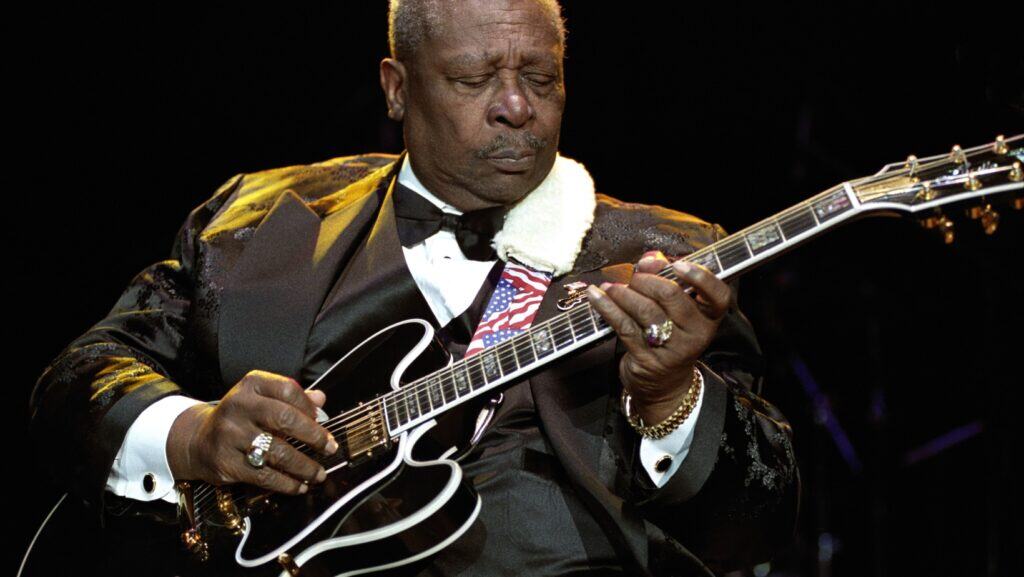
Though worlds apart geographically, blues and country often mirrored one another in storytelling and heartache. B.B. King’s influence stretched into Nashville, where artists like Willie Nelson and Vince Gill embraced his phrasing and emotional delivery. Even today, modern country stars echo the idea that a single sustained note can tell a bigger story than a hundred fast ones: a lesson straight from B.B. King.
Hip-Hop’s Unexpected Connection
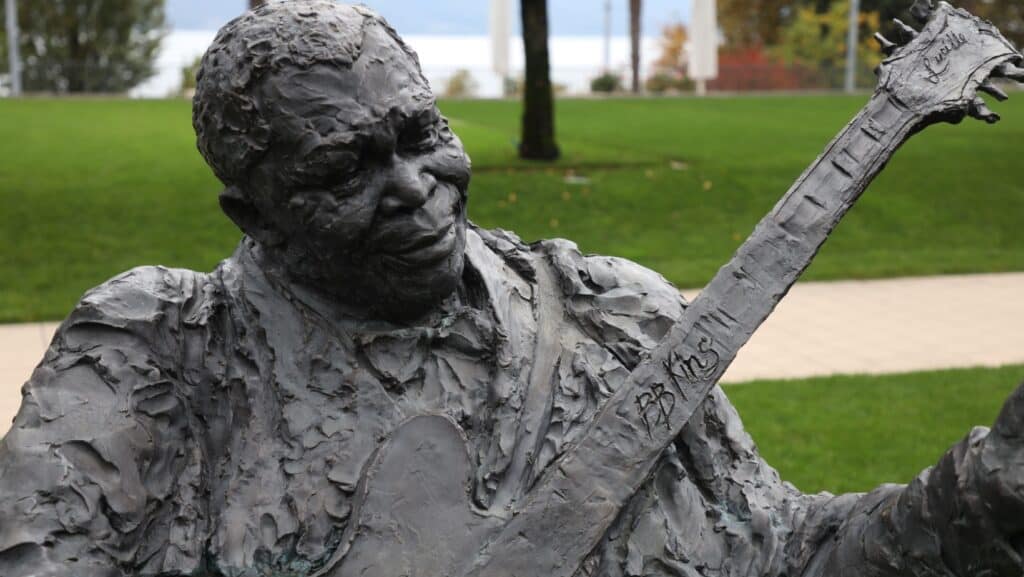
At first glance, blues and hip-hop seem distant. But dig deeper, and you’ll find B.B. King’s fingerprints everywhere. His recordings have been sampled by artists like A Tribe Called Quest, and his lyrical storytelling style mirrors the narrative drive of rap. Both genres grew from hardship and resilience, making B.B. King’s music a natural ancestor of modern hip-hop’s poetic flow.
A Tireless Road Warrior Who Spread the Blues Globally
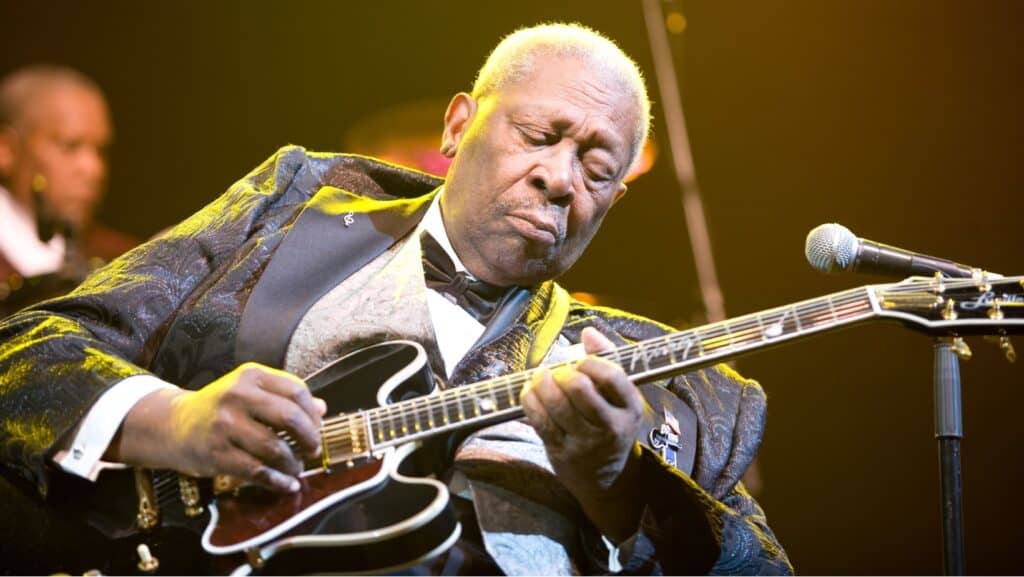
At his peak, B.B. King performed more than 300 shows a year. By carrying his music across the globe, he wasn’t just touring, he was teaching. Audiences from Japan to Africa discovered the blues firsthand, and countless local artists drew from his style. His road schedule alone made him one of the most influential cultural ambassadors of the 20th century.
Mentorship and Collaboration That Changed Careers
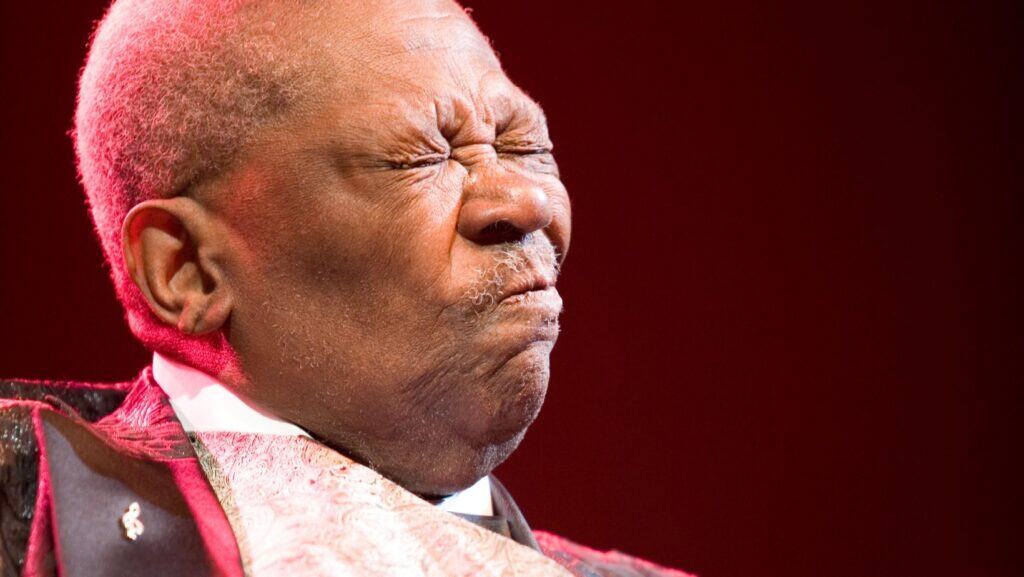
B.B. King didn’t just inspire from afar; he shared the stage with up-and-coming artists, giving them a stamp of approval that could launch a career. From U2’s “When Love Comes to Town” to duets with Bonnie Raitt, collaborations kept him relevant across decades. Each time he partnered with a younger artist, he passed the blues torch to a new generation.
The Enduring Echo of the Blues
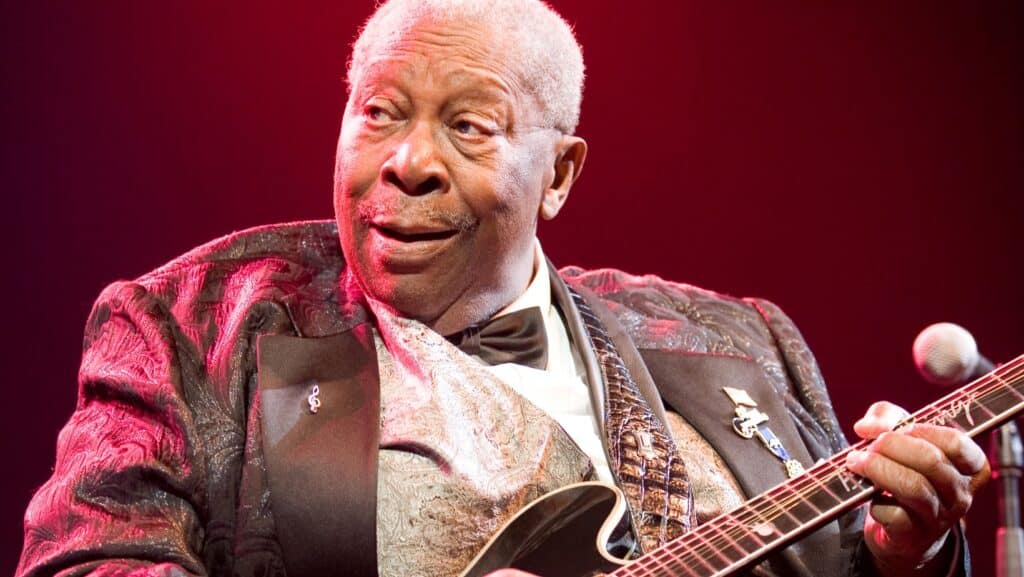
Even 100 years after his birth, B.B. King’s music doesn’t sound dated. That’s because his focus wasn’t on chasing trends but on distilling emotion into pure sound. His legacy proves that authenticity resonates across time. Whether it’s a festival headliner or a TikTok guitar cover, the heart of the performance can often be traced back to the King of the Blues.
The Takeaway
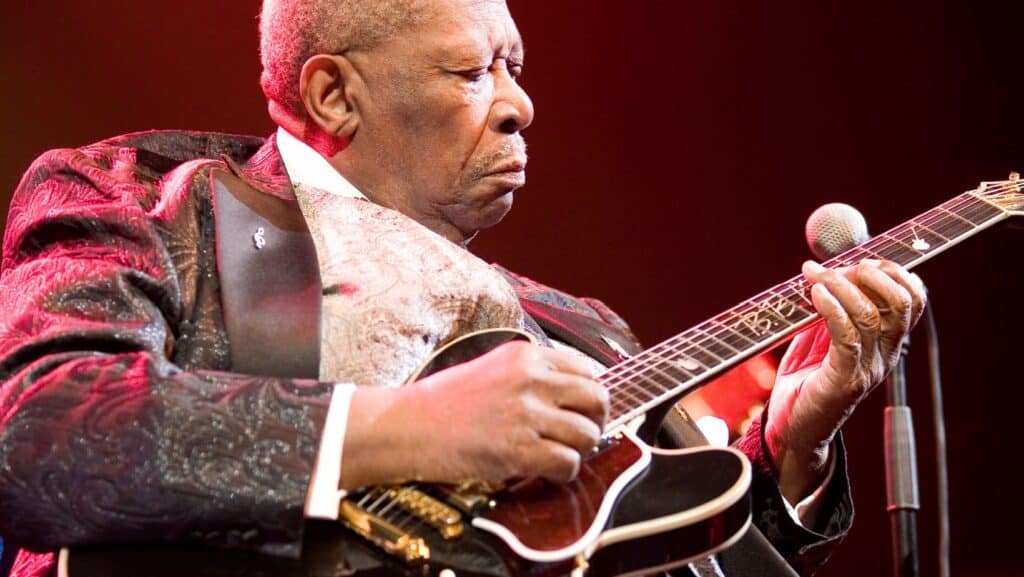
B.B. King’s 100th birthday isn’t just an occasion to celebrate one man’s career — it’s a reminder of how music itself evolves. His playing taught rock musicians to dig deeper, inspired soul singers to sing harder, and gave hip-hop storytellers a blueprint for truth-telling. Every note he bent on Lucille still vibrates through today’s music. That’s the kind of immortality only a true king earns.
Freddie Mercury’s brilliance shines in these 10 deep cuts
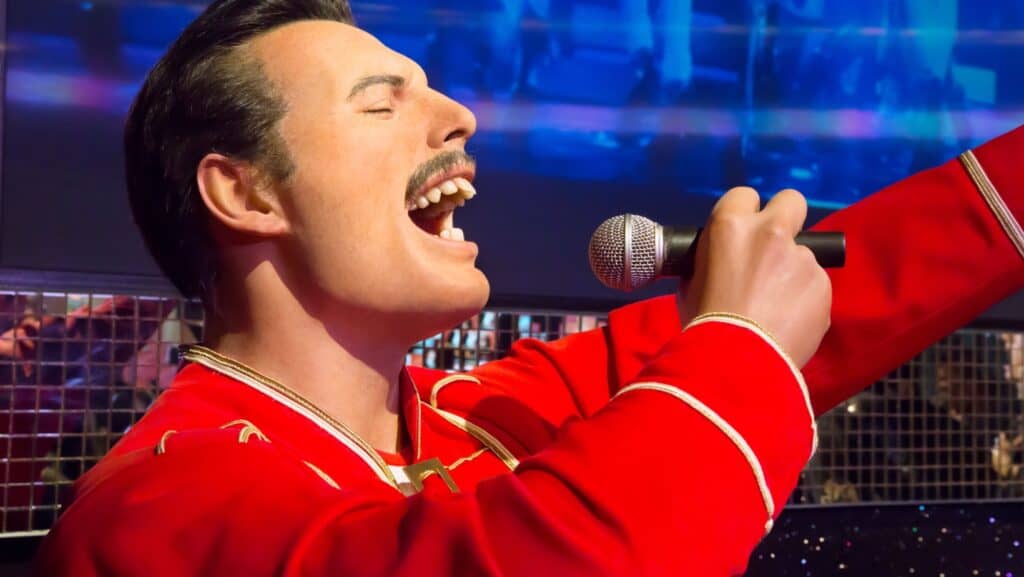
Beyond Queen’s biggest hits, Freddie Mercury’s deep cuts reveal his wit, vulnerability, and genius—songs that deserve a second listen.
READ: Freddie Mercury’s brilliance shines in these 10 deep cuts