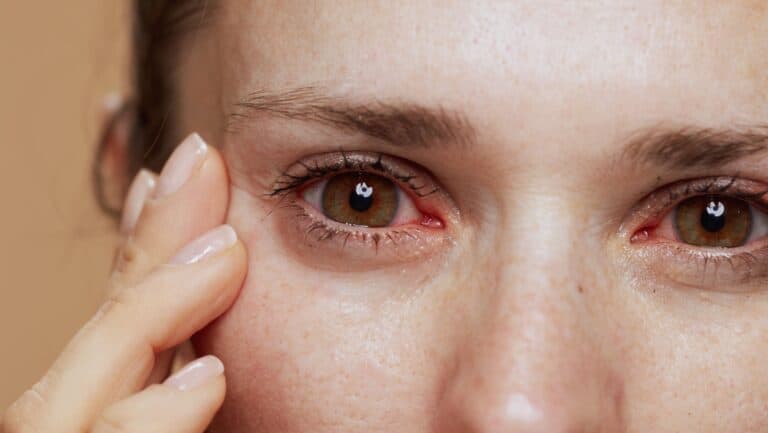
11 signs your body is asking for rest (and not just more coffee)
Tired All the Time? Your Body Might Be Trying to Tell You Something
For many women, exhaustion has become so normalized that it feels like just another part of daily life. Between work, family responsibilities, and endless notifications, being tired is often shrugged off as something to “push through.” Coffee becomes the quick fix, and while it may mask symptoms for a few hours, it doesn’t address the deeper problem. When your body is asking for rest, ignoring the signs can lead to bigger health issues that no amount of caffeine can solve.
The truth is that rest isn’t just about getting a certain number of hours of sleep. Your body also needs mental recovery, emotional balance, and time away from constant stress. Studies show that chronic fatigue takes a serious toll on women’s health. The American Psychological Association reports that nearly 40% of women say they feel burned out often or always. When your body signals it’s running on empty, it’s an invitation to pause before small problems spiral into something harder to reverse.
Constant fatigue even after sleeping
If you’re waking up tired despite getting seven to eight hours of sleep, it’s a clear sign that something is off. Poor sleep quality, high stress, or overexertion can leave you feeling drained, regardless of how long you spend in bed. This isn’t normal tiredness; it’s your body signaling it needs more than hours on a pillow. Without better recovery routines, fatigue lingers and worsens over time, and coffee only masks the issue instead of addressing the underlying problem.

Frequent headaches that won’t quit
Headaches can result from dehydration or tension, but if they occur regularly, exhaustion may be the underlying cause. Johns Hopkins Medicine notes that poor-quality sleep and stress are major contributors to chronic headaches in women. The cycle becomes exhausting: you wake up tired, push through the day, and end up with a pounding head by evening. Instead of reaching for painkillers every time, addressing rest and sleep patterns can help reduce both the frequency and intensity of pain.
Getting sick more often than usual
If you’re constantly catching colds or infections, your immune system may be waving a red flag. A University of California study found that individuals who slept fewer than six hours per night were four times more likely to contract an illness after exposure to a virus. When your body is short on rest, it produces fewer infection-fighting cells and antibodies. Frequent illness isn’t just bad luck; it’s often a direct reflection of how much recovery your body is missing.
Struggling to concentrate
That foggy feeling where even simple tasks seem overwhelming is a classic sign of fatigue. The National Sleep Foundation found that poor sleep reduces focus, slows reaction times, and affects memory retention. If you’re rereading the same email three times or zoning out during conversations, it’s not just a distraction. It’s your brain signaling it needs rest to reset. When mental sharpness fades, it impacts not only productivity but also decision-making and safety in daily life.
Mood swings and irritability
Being unusually emotional, quick to snap, or constantly on edge can be linked to exhaustion. Sleep loss affects the brain’s regulation of stress hormones, making mood shifts more intense. Research found that people with chronic fatigue were more prone to depression and anxiety symptoms. If every little thing feels like a big deal, your body may not be demanding more coffee but rather a proper reset to restore balance.

Lingering muscle soreness
Muscle soreness is normal after exercise, but if it lingers long after activity, it could mean your body isn’t repairing itself. Muscles recover and rebuild during periods of deep rest, not while running on fumes. Sports medicine experts recommend at least one to two full rest days per week for recovery. Without them, microtears in muscles take longer to heal, which not only leads to constant soreness but also raises the risk of long-term injuries.
Unusual cravings for sugar and carbs
If you find yourself constantly reaching for sweets or junk food, fatigue may be driving those cravings. A report from the Lab Manager showed that sleep-deprived individuals consumed an average of 385 extra calories per day, mostly from high-carb and high-sugar foods. Your body craves quick energy when it’s running low, but it’s not really hungry—it’s just asking for rest. Using sugar to stay awake is a short-term fix with long-term downsides.
Getting sick right after stressful periods
Many women notice they fall ill right after finishing a big project or stressful season. That’s known as the “let-down effect,” where the body holds up during stress but collapses after the pressure passes. Immune suppression during stress, followed by sudden depletion, leaves you vulnerable. If you’re always run down after busy times, it’s a clear signal your body needs recovery built into the process—not just afterward when it’s already too late.
Slower reflexes or clumsiness
Dropping things, tripping more often, or reacting more slowly than usual can be more than carelessness; it can be fatigue. Sleep deprivation impairs motor skills, sometimes at a level comparable to being under the influence of alcohol. If you feel clumsy or unfocused with your movements, it’s your nervous system flagging that it’s overwhelmed and under-rested. Ignoring those signals can increase the likelihood of accidents, whether at work, while driving, or while handling daily tasks.
Noticeable changes in your skin
Pale skin, breakouts, and dark under-eye circles often indicate exhaustion. Research shows that poor sleep accelerates visible aging, reduces collagen production, and weakens the skin’s barrier function. That’s why tiredness often shows up on your face before anywhere else. If your skincare routine isn’t working and your skin still looks dull, your body may be asking for deeper rest, not more products.
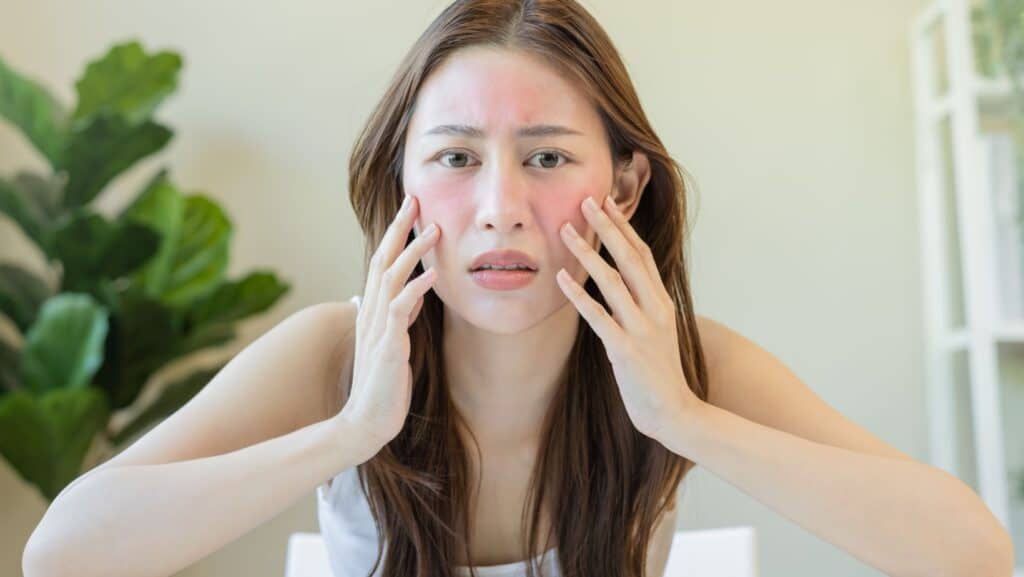
Feeling exhausted
Sometimes fatigue shows up as restlessness rather than sluggishness. You feel too tired to focus but too wired to relax. This paradox occurs when cortisol, the stress hormone, remains elevated due to overwork and inadequate recovery. The result is a constant state of being “on edge” without real energy. It’s one of the clearest signs your body isn’t looking for another coffee boost; it’s pleading for intentional rest and balance.
15 Things Women Only Do With the Men They Love

The 15 Things Women Only Do With the Men They Love
Love is a complex, beautiful emotion that inspires profound behaviors. We express our love in various ways, some universal, while others are unique to each individual. Among these expressions, there are specific actions women often reserve for the men they deeply love.
This piece explores 15 unique gestures women make when they’re in love. From tiny, almost invisible actions to grand declarations, each tells a story of deep affection and unwavering commitment.