The surprising second act of America’s veterans
With over two million veteran-owned businesses and thousands more leading in public service, America’s former soldiers remain one of its most powerful engines of community strength.
Every year on November 11, communities across the United States line their streets with flags and gather to honor those who served in the armed forces. Veterans Day is more than a date on the calendar. It is a moment to recognize courage, sacrifice, and the enduring commitment to country that extends far beyond the battlefield. What often goes unseen, however, is how many veterans continue their legacy of service after they hang up the uniform.
These men and women may no longer wear insignia or salute daily, but their sense of duty remains woven into who they are. From mentoring youth to building small businesses, from fighting wildfires to leading in medicine and education, veterans continue to make an impact that strengthens the nation in quiet, powerful ways.
A Spirit That Does Not Retire
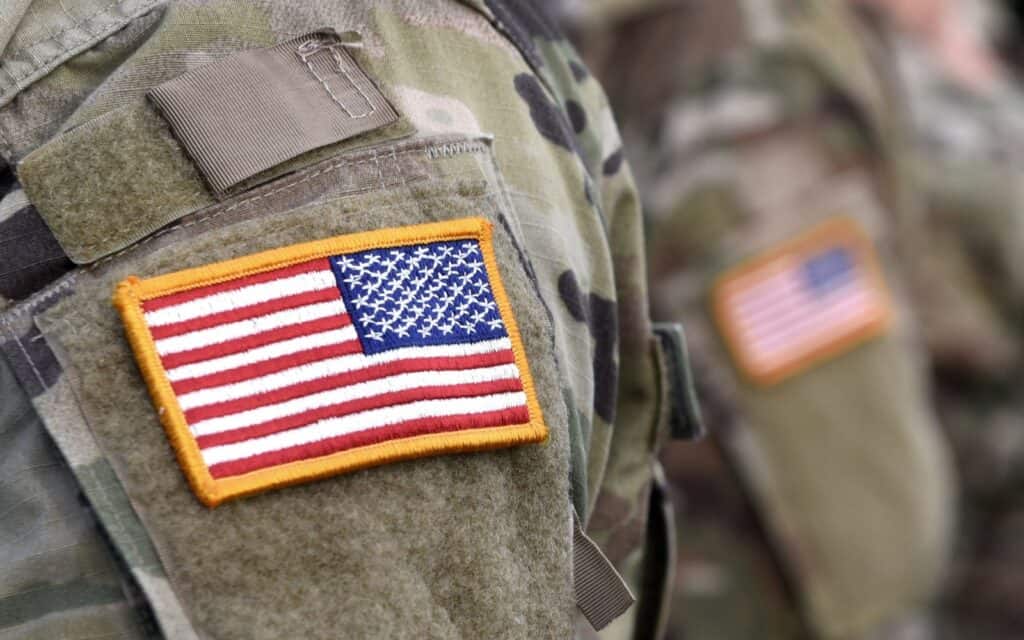
Military service instills values that seldom fade. Discipline, teamwork, resilience, and leadership become lifelong traits. When veterans transition to civilian life, many carry that mission-oriented mindset with them. Some find new ways to serve through community projects or public service. Others channel their experience into helping fellow veterans navigate the same adjustment.
A Marine who once commanded a squad overseas may now coordinate relief efforts for communities struck by natural disasters. An Army medic might dedicate a second career to emergency medicine, saving lives in local hospitals. A Navy veteran could lead a youth sailing program, teaching teamwork and confidence to children who have never been on the water before.
These are modern acts of patriotism, born not from obligation but from purpose.
Building Community Through Leadership
Across the country, veterans are shaping communities through leadership and innovation. Many start small businesses that create jobs and provide local stability. According to the U.S. Small Business Administration, millions of American companies are veteran-owned, spanning industries from construction and logistics to technology and agriculture.
Their success often reflects the leadership and strategic thinking learned during military service. Veterans understand risk management, chain of command, and the importance of mission clarity. They also tend to value camaraderie, extending that sense of trust and accountability to their teams.
Community leadership is not limited to boardrooms or offices. Veterans also serve on school boards, volunteer at local shelters, and take part in neighborhood initiatives. Their presence often lends both credibility and a calm strength during challenging times.
Healing Others by Sharing Experience
For many veterans, helping others becomes a form of personal healing. Transitioning from military life to civilian routines can be difficult. Some cope with visible injuries, others with invisible ones like post-traumatic stress. Turning outward—toward mentorship, volunteerism, and public service—can offer renewed meaning.
Programs that pair veterans with students, foster children, or those in recovery create mutual benefit. The guidance veterans provide helps others find stability and hope, while the veterans themselves regain a sense of purpose and connection. Whether through peer counseling or simply being a reliable presence in someone’s life, they continue to serve their nation one person at a time.
Service in New Arenas
Veterans’ impact extends into fields that echo their past roles in defense and protection. Many join fire departments, law enforcement agencies, or emergency response teams. Others find new missions in environmental conservation, helping rehabilitate forests or protect wildlife habitats.
Still others contribute to science, technology, and education. Some teach at universities or trade schools, offering unique perspectives grounded in real-world experience. Others work in aerospace, cybersecurity, and engineering—fields where precision and responsibility mirror military values.
Their continued contributions form a bridge between national security and national development.
The Strength of Community Connection
Veterans often bring people together across generational and political divides. At community gatherings, their stories and presence remind citizens of shared values: sacrifice, duty, and cooperation.
Local Veterans of Foreign Wars posts, American Legion halls, and veterans’ community centers have become more than meeting spaces. They function as hubs for civic engagement. They host food drives, scholarship programs, and outreach for those struggling with housing or employment.
These grassroots efforts may never make national headlines, yet they strengthen the social fabric of towns and cities across America.
Service Reimagined

Service looks different for every veteran, but the essence is the same. It is the quiet decision to keep contributing when no one is watching. It is the continued willingness to put others first, whether through mentorship, advocacy, or invention.
For younger generations, these examples matter. They show that patriotism is not defined only by military service but also by the actions that follow it. Every community strengthened, every person guided, every innovation born from discipline and integrity continues the spirit of the oath once taken.
The Takeaway
Veterans Day will always be a day to honor those who served. But it is equally a reminder that the story of service does not end when deployment does. The same courage and compassion that carried veterans through their time in uniform now power their contributions in daily life.
When we look beyond the parade, we find an even deeper meaning—one that reflects not only what veterans gave but what they continue to give. Their quiet service in classrooms, businesses, hospitals, and neighborhoods ensures that the values they defended live on in the very communities they helped protect.
The U.S. Military’s Oath To The Constitution: What Happens If A President Acts Unconstitutionally?

The Trump administration has repeatedly undermined, dismantled, or threatened key democratic institutions that have upheld the U.S. government for nearly 250 years. From attacks on the judiciary, Congress, and the free press to challenges against election integrity, the Justice Department, and the rule of law itself, these actions have raised urgent concerns about the stability of American democracy. Read more.