Saturnalia: When Ancient Rome Chose Joy Over Order
The streets of Rome once erupted into a festival so wild it turned the empire’s rigid world upside down.
There are winter holidays that sparkle quietly, and then there was Saturnalia. For the Romans, it was the moment the entire world seemed to loosen its collar and take a deep breath. Saturnalia was a festival of generosity, humor, rebellion, and joy, breaking sharply from the rigid routines of daily Roman life. It honored the god Saturn, guardian of agriculture and renewal, but it also honored something universal and deeply human: the need for light in the darkest days of the year. During Saturnalia, work paused, social rules softened, laughter filled the streets, and gift giving flowed freely. Candles flickered against winter gloom, tables overflowed with food, and both rich and poor were invited into the spirit of celebration. The festival was warm. It was messy. It was loud. It was everything winter usually is not. It was not only a party, but a reminder that joy itself can be a form of survival, and that enduring spirit still captures our imagination today.
A Pause in the Rhythm of the Empire
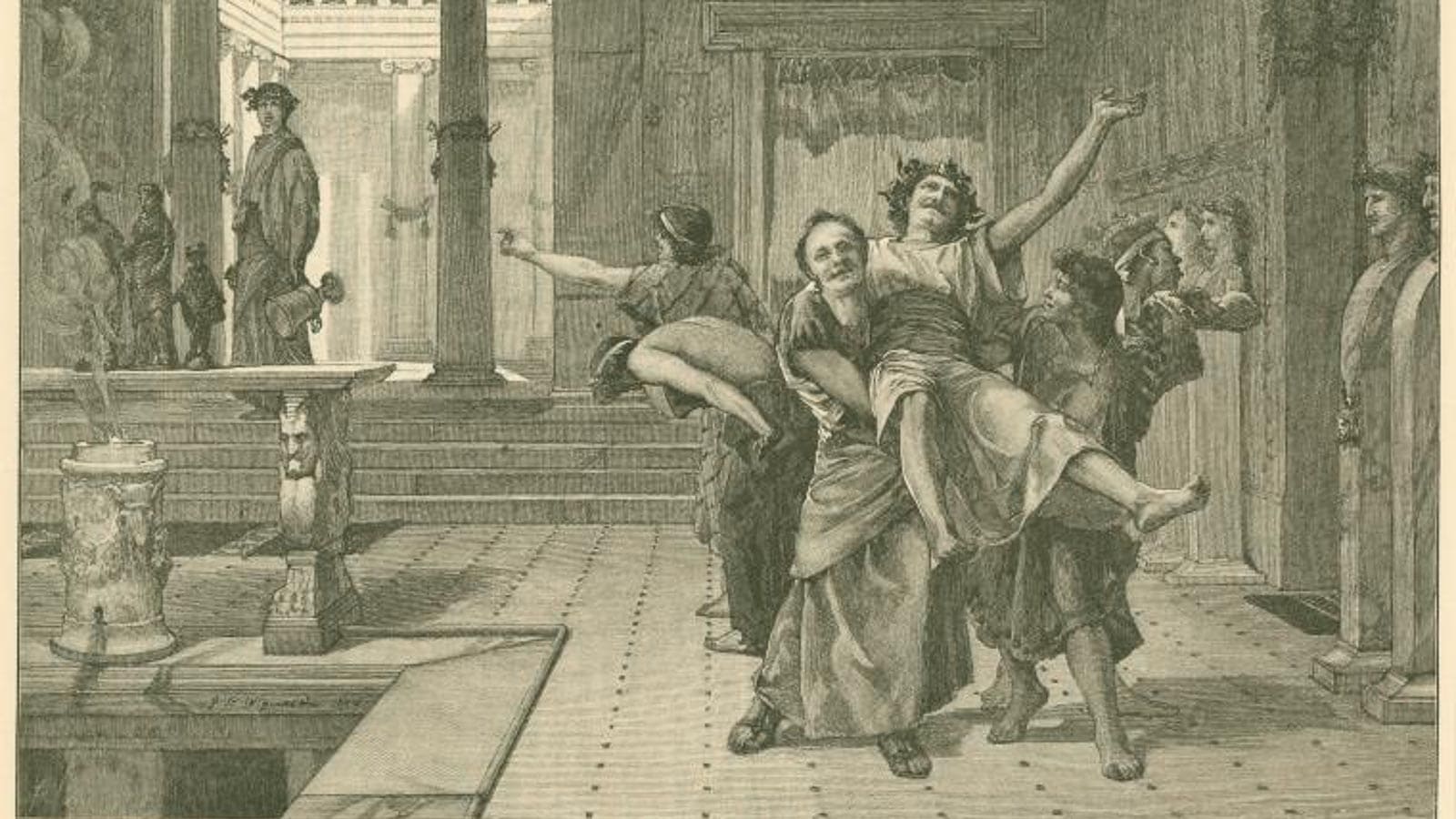
Rome was a society built on discipline. Soldiers marched with precision. Politicians argued with meticulous structure. Families obeyed rigid customs. During Saturnalia, all of that cracked open. Markets closed. Students got a break. Government stepped aside. The city, so full of rules, suddenly allowed room for unfiltered delight.
For regular Romans, this pause was more than a holiday. It was a reset.
The Ancient Year’s Most Joyful Week
Saturnalia began as a one day event, but by the height of the Roman Empire it had expanded into a full week. It arrived at a moment when daylight felt painfully short. The harvest had ended. People were relying on stored grain and preserved foods. The uncertainty of winter weighed heavily on every household. In that atmosphere, Saturnalia became a way to push back against fear with celebration.
Homes filled with evergreen branches. Tables filled with bread, cheeses, olives, roasted meats, honey cakes, and fruit. People from all walks of life filled the streets dressed in relaxed clothing intended for celebration.
The Social World Turned Inside Out
Nothing about Saturnalia was more striking than its inversion of social roles. Romans who normally lived within strict hierarchies stepped into a topsy turvy world where the usual rules disappeared.
Enslaved people could speak openly without punishment. They could critique their enslavers. They could dine at the same table. They could enjoy the comfort of leisure and conversation. For a brief moment, they were permitted to exist outside the crushing structure that defined their lives.
The Romans believed this reversal restored balance. They considered it essential. Whether that belief was naïve or calculated, the effect was unforgettable. Saturnalia created a shared experience that reached into every household.
Laughter as a Ritual
A temporary ruler known as the King of Misrule presided over the week. This figure often gave absurd, whimsical, or ridiculous commands. Guests might be told to sing a bawdy song, perform an exaggerated dance, praise their neighbor with overly dramatic compliments, or crown the least likely person as the hero of the party.
Obedience was mandatory. The results were hilarious. Saturnalia encouraged fun the way other festivals encouraged solemnity. Laughter was not just allowed. It was expected.
Feasting, Relaxation, and the Luxury of Time
During most of the year, Romans rushed. Saturnalia was the opposite. It stretched time rather than squeezed it. People took long meals, long naps, and long conversations. The pressure to be productive evaporated. Visitors flowed freely from one home to another. Tables became communal, emotional spaces where people reconnected and recharged.
Gift giving was a cherished part of the festival. The gifts were simple but symbolic. Candles represented returning light. Figurines represented humor, hope, or affection. Even a small handful of nuts carried meaning. The size of the gift never mattered. The sincerity did.
Children, Dice, and the Freedom to Play
Children cherished Saturnalia because it carried a rare sense of permission. Adults cherished it for the same reason. Games appeared everywhere. Dice rattled across tavern tables. Boards scraped across the floor. Even those who normally disapproved of gambling set aside their frowns. Saturnalia invited people to embrace play as an essential part of life.
Some Romans even decorated their homes with homemade charms intended to invite good fortune into the coming year. These tokens were not elaborate. They were declarations of hope.
The Emotional Heart of the Festival
It is easy to focus on the bright colors, the feasts, and the jokes. Yet the emotional core of Saturnalia was something quieter. It was the acknowledgement that winter is hard. It was the recognition that communities survive dark times by gathering, sharing, speaking, and celebrating together.
Saturnalia said: You are not alone in this season. You are part of something larger. You deserve joy.
What Saturnalia Reveals About the Romans
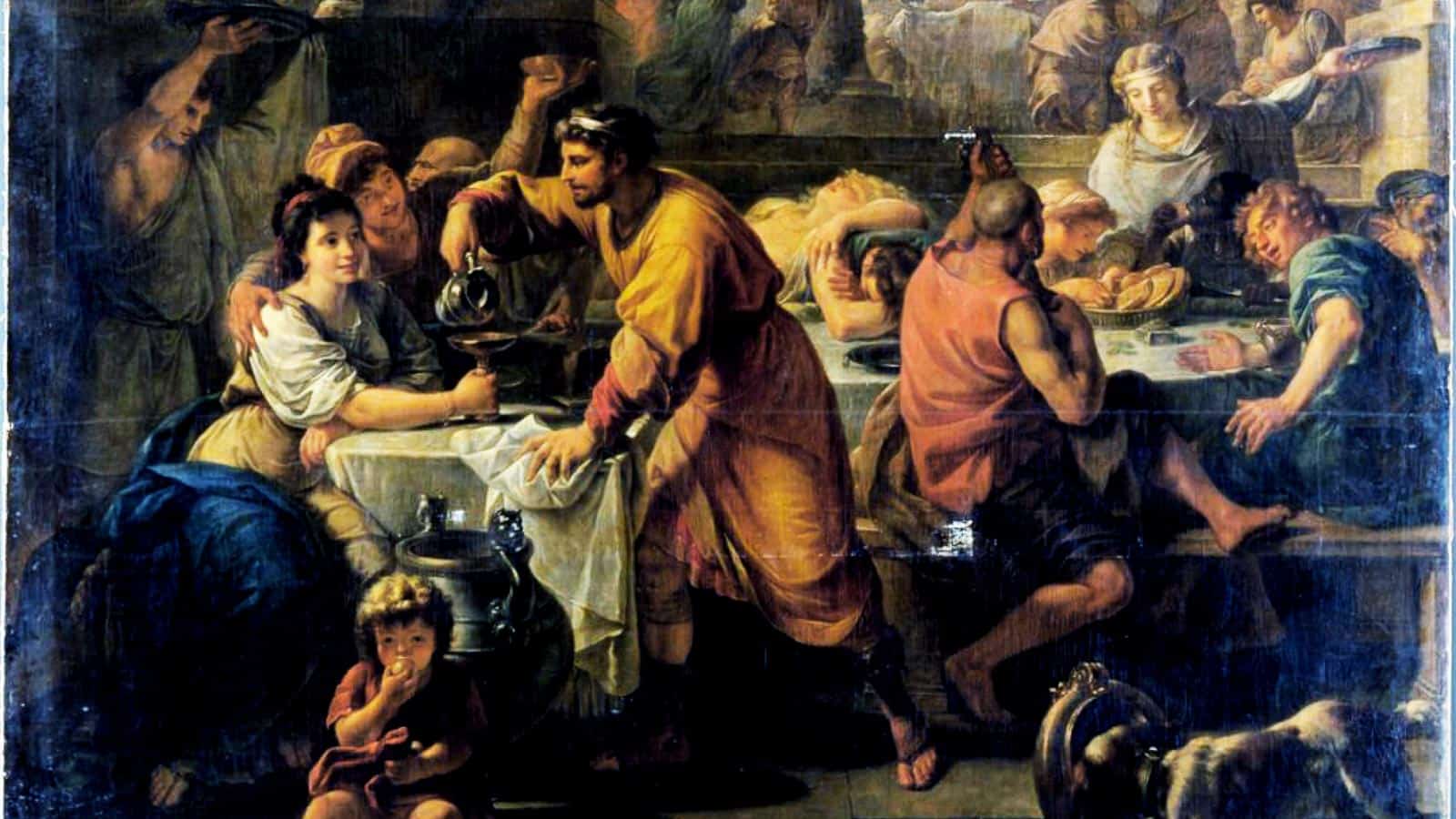
Saturnalia adds a new dimension to our understanding of ancient Rome. We often imagine Roman life as serious, polished, and hard edged. Saturnalia breaks that image wide open. The festival shows Romans as people who longed for rest, silliness, generosity, and warmth.
They were imperfect in their beliefs and structures, yet they understood an essential truth. People need relief from the weight of survival.
The Festival’s Echo in Modern Life
Even after Saturnalia faded with the spread of new beliefs and political changes, its echoes remained. The use of greenery in winter persisted. The lighting of candles persisted. The emphasis on generosity, community, and celebration persisted.
We continue to gather in winter. We continue to share food, laughter, and gifts. We continue to fight darkness with light. These instincts may not come directly from Saturnalia, but they move in the same direction. They reflect the same human need.
Saturnalia as a Reminder
Saturnalia teaches something valuable. When the year turns cold and the days grow short, joy is not frivolous. It is strength. It is survival. It is part of what keeps communities whole.
The Romans created a festival that invited people to pause, breathe, and celebrate together. They invited play into a serious world. They invited light into darkness. They invited humility into power. They invited joy into weary hearts.
That is why the story of Saturnalia still resonates. It reminds us that even during the hardest seasons, humans have always found ways to gather, laugh, feast, and hope. And sometimes that is enough to carry us through winter.
10 Famous Last Words In History—Including Amelia Earhart’s Eerie Final Transmission

Some words echo through history, not because of what they said, but when they were said. Whether whispered on a deathbed, shouted over a radio, or etched into legend, famous last words captivate us because they offer a final glimpse into the mind of a person on the edge of the unknown. From presidents to poets, and even an aviator lost to the sky, here are 10 haunting, powerful, and sometimes puzzling last words, including Amelia Earhart’s mysterious final radio message. Learn more.