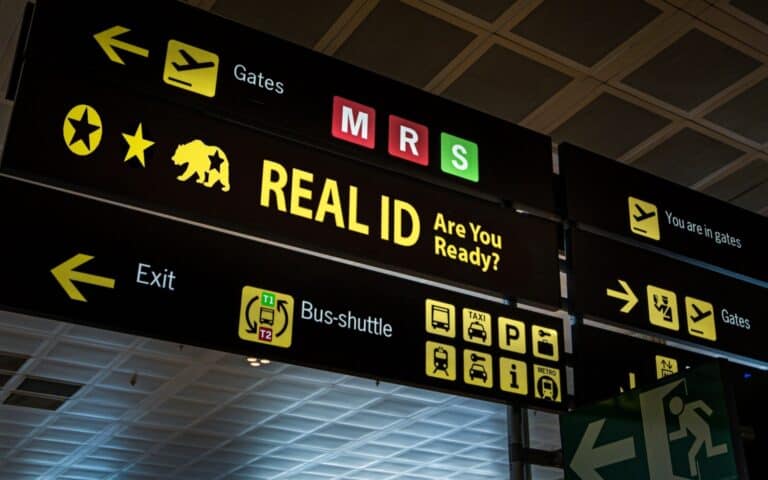
11 things the world detests about americans
Traveling abroad has a way of revealing that what feels normal at home can feel unbearable to everyone else.
You likely love the rush of excitement when you touch down in a new country, ready to soak up the culture and maybe eat way too much local food. But sometimes, despite our best intentions to be good guests, we catch a side-eye from a local that screams we just broke an unwritten rule. Traveling forces us to look in the mirror and realize that habits we think are normal can actually drive other people crazy.
It is rarely malicious, but distinct habits can stick out like a sore thumb when we step off American soil and into someone else’s backyard. Let’s look at the specific quirks that make our global neighbors roll their eyes so we can be a little more self-aware next time we pack our bags. Understanding these friction points might help us make friends rather than enemies on our next international adventure.
The Volume Control Is Broken

We tend to project our voices to the back of the room even when we are sitting right next to our dinner date at a quiet cafe. It is just how we are wired to communicate, but in quieter cultures, it can feel like we are shouting through a megaphone. You might not notice you are doing it until you see people flinching.
You will often see an entire train car go silent when an American group starts laughing or telling a story about back home. While we see it as being friendly and open, others often view it as taking up too much sonic space and disturbing the peace. Keeping the decibels down is a quick way to show respect.
Confusing Tipping Habits

We are so used to adding that twenty percent gratuity that we often try to force it on servers who actually find it confusing or even insulting. In places like Japan, leaving extra cash on the table is a quick way to get chased down the street to return your forgotten change. It creates an awkward social transaction that locals hate.
It is a hard habit to break because we are trained to believe that tipping is the only way to show appreciation for good service. According to a Bankrate survey, 63% of Americans have a negative view of tipping, yet we still export this stress abroad. We need to learn to say thank you instead.
The America Is Best Attitude

There is a fine line between healthy patriotism and acting like everything outside the fifty states is just a downgrade from home. Locals get frustrated when we constantly compare their ancient history or public transit to how we do things in the U.S. It often implies that their way of life is inferior.
It helps to remember that different does not mean worse, and constantly bringing up the stars and stripes can rub people the wrong way. A Pew Research Center study found that 57% of people in 17 advanced economies said the U.S. used to be a good example for others but is no longer. Humility goes a long way when you are a guest.
Overconfidence And Arrogance

We walk with a swagger that says we own the place, which can come off as sheer arrogance to a more reserved European or Asian observer. Confidence is great in a boardroom, but it reads differently when you are demanding ice in your water at a tiny family-run bistro. It signals that we think the world revolves around our comfort.
This perceived superiority often stems from a lack of awareness rather than actual malice, but the result is the same for the people we deal with. Locals appreciate it when we approach their culture with curiosity rather than assuming we already know the best way to do everything. A little modesty never hurts.
The Athleisure Uniform

We love our yoga pants and baseball caps, wearing them to dinner, museums, and pretty much everywhere else we go, regardless of the setting. To a fashion-conscious Italian or French person, seeing gym clothes outside a gym looks sloppy and disrespectful. It signals that we did not care enough to dress up.
Comfort is king for us, but in many parts of the world, presenting yourself well is a sign of respect for those around you and the establishment. Leaving the flip-flops at the hotel might help you blend in better and actually get you better service in shops and restaurants. Dress a little sharper than you think you need to.
Eating Too Fast And Too Much

We are used to rushing through meals and expecting portions the size of a small vehicle, which baffles cultures that savor lunch for two hours. Asking for a doggy bag in a high-end European restaurant can sometimes result in a confused look from the waiter. We treat food as fuel rather than an experience.
Speed eating denies us the chance to connect over food, which is the main event in countries like Spain or Greece, where dining is sacred. The USDA notes that the average American has over 3,900 calories available each day, a figure that shocks many global observers who eat far less. Slowing down helps us appreciate the local flavor.
Geographic Cluelessness

Nothing makes eyes roll harder than an American asking if you can take a train from London to Sydney or mixing up Switzerland and Sweden. Our reputation for being geographically challenged is a running joke that, unfortunately, has a lot of truth to it. It can seem like we don’t care about the rest of the world.
It shows a lack of interest in the wider world when we cannot place major countries on a map or know the capitals of basic countries. A survey by the Council on Foreign Relations revealed that just over half of the American respondents could identify Iraq on a map, even after years of military presence there. A quick map check before you travel works wonders.
Aggressive Monolingualism

Expecting everyone to speak English is perhaps the most common complaint locals have about American tourists visiting their towns. We often don’t even try to learn “hello” or “thank you” before launching into a rapid-fire English request. It puts the burden of communication entirely on the host.
While English is a global language, the refusal to attempt the local tongue screams of entitlement and laziness to the people who live there. According to the American University, only about 20% of Americans can converse in two or more languages. Trying a few broken words is better than nothing.
Small Talk With Strangers

We think we are being friendly by chatting up the person next to us on the bus or in the elevator. In places like Scandinavia or London, this invasion of privacy is seen as bizarre and deeply uncomfortable. Personal space is a major concept that we often violate.
Silence is golden in many cultures, and filling it with questions about a stranger’s day is not always welcome or polite. Reading the room is essential before asking the cashier for their life story or joking with a commuter. Sometimes a simple nod is all the interaction needed.
Obsession With Work

We tend to answer emails while on vacation and talk about our jobs within five minutes of meeting someone new at a bar. Most of the world works to live, while we often live to work, which can make us seem dull or stressed to others. It creates a vibe that makes us unable to relax.
Locals find it sad that we cannot disconnect and enjoy the moment without worrying about what is happening back at the office. CNN reports that Americans left a record 768 million vacation days unused in 2018. Leaving the laptop at home is good for everyone.
Overly Litigious Nature

We are quick to quote liability or ask about rules in situations where common sense usually prevails. The fear of being sued drives us to act in ways that seem paranoid or uptight to people from other legal systems. We worry about risks that others accept as part of life.
Relaxing and going with the flow is harder when you are worried about safety codes that do not exist elsewhere. Sometimes you have to trust that the centuries-old railing will hold you up and enjoy the view. Life is less stressful when you aren’t looking for a lawsuit.
15 Things Women Only Do With the Men They Love

The 15 Things Women Only Do With the Men They Love
Love is a complex, beautiful emotion that inspires profound behaviors. We express our love in various ways, some universal and others unique to each individual. Among these expressions, there are specific actions women often reserve for the men they deeply love.
This piece explores 15 unique gestures women make when they’re in love. From tiny, almost invisible actions to grand declarations, each tells a story of deep affection and unwavering commitment.