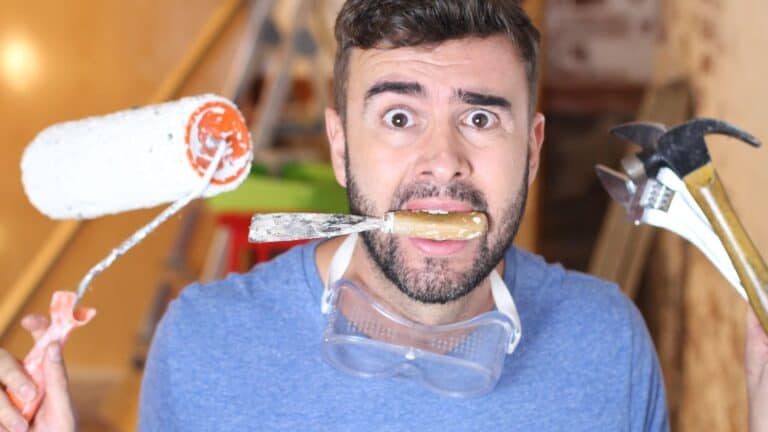
Major dIY mistakes that turn simple projects into disasters
The real danger of DIY isn’t the power tools, but the quiet confidence that convinces us we know more than we do.
You have probably watched those thirty-minute home renovation shows and convinced yourself that you could easily knock down a wall before lunch. That burst of blind confidence is usually followed by a frantic trip to the hardware store and a lot of confusion. It feels fantastic to save some cash, but the reality of home improvement is often much messier than television makes it look.
Most weekend warriors start with high hopes but quickly realize that specialized trades require actual skills and patience. You might think you are saving a bundle, yet fixing mistakes often costs more than hiring a pro in the first place. Before you pick up that sledgehammer or paintbrush, it helps to know where most people go wrong so you can avoid the same traps.
Choosing The Cheapest Materials
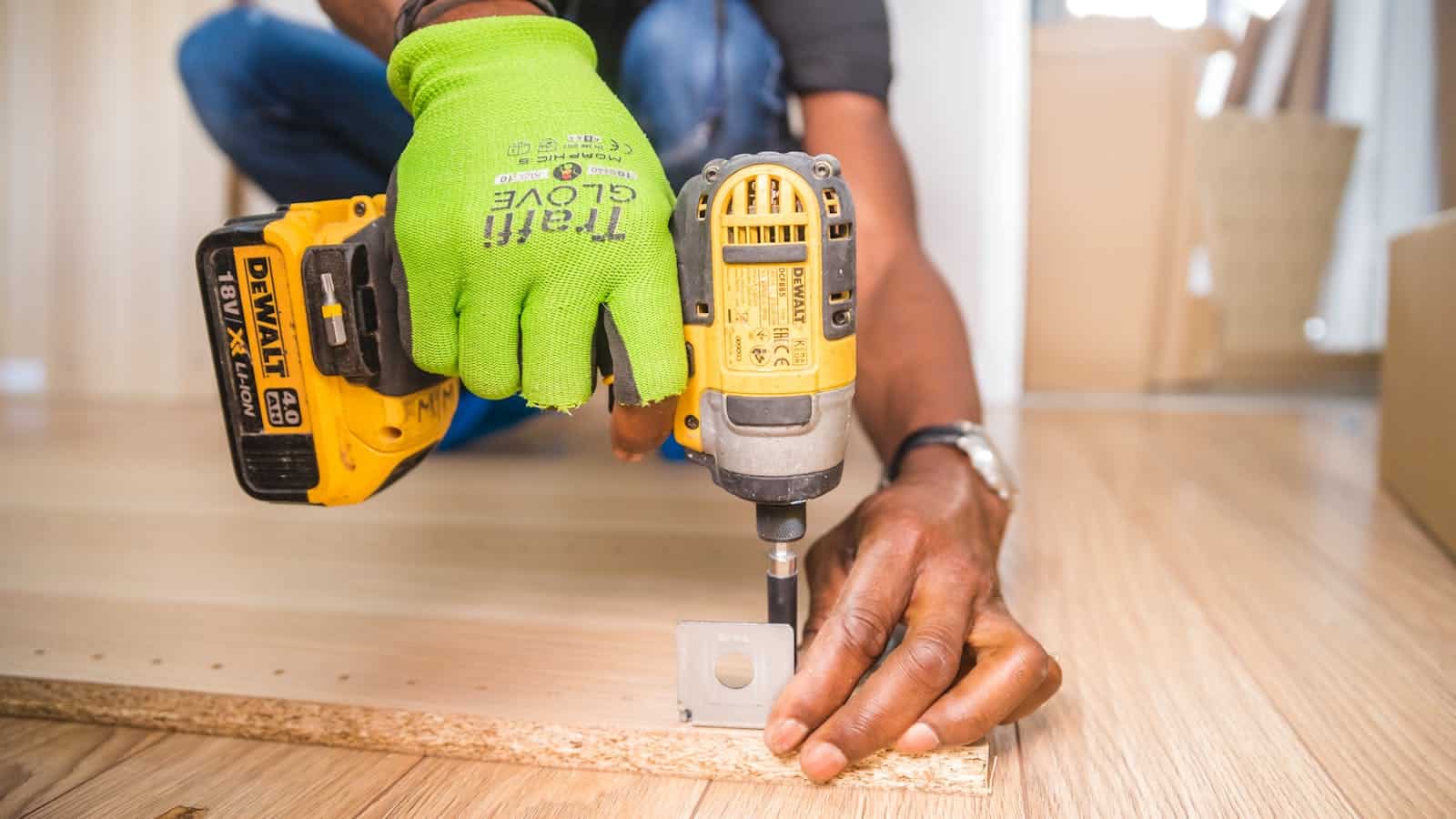
It is tempting to choose bargain-bin paint or the thinnest flooring option to keep the price low. Buying low-quality materials usually means you will have to redo the entire job within a few years when they fail. Cheap paint requires more coats to cover the wall, and flimsy tools break right when you need them the most.
You want your hard work to last, so investing in decent supplies is actually cheaper over the long haul. Quality brushes and durable materials make the application process smoother and the final result more professional. Consider the repair’s longevity rather than the immediate cost at checkout.
Underestimating The Total Project Cost

Most homeowners look at the price of wood or tile and assume that covers the bill, but they forget the little things like sandpaper and disposal fees. 58% of homeowners blow their initial DIY budget. You really need to sit down and factor in every single screw, drop of glue, and roll of tape to get a real number.
Running out of money halfway through a home repair or renovation is a nightmare that leaves you with a torn-up kitchen and zero patience. It is smart to add a 20% cushion to your budget in case you find a surprise behind the drywall. If you fail to plan for these financial bumps, you might end up living in a construction zone for months while you save up.
Skipping The Necessary Permits

Nobody likes dealing with city hall or filling out stacks of paperwork for a project that happens inside their own house. However, skipping this step can result in significant fines or even a forced teardown of your hard work. If you ever decide to sell your property, unpermitted upgrades can deter buyers or significantly reduce your property value.
Inspectors ensure your electrical and structural changes are safe for you and your family to live with every day. Real estate data suggests that homes with unpermitted work can linger on the market much longer than compliant properties. It might feel like a hassle right now, but getting that stamp of approval protects your investment in the long run.
Ignoring Personal Safety Gear

You may think you are tough enough to handle a little sawdust or a loud saw without putting on glasses or earplugs. The CDC reports that ladder-related injuries alone result in about 500,000 medical treatments annually. Working in flip-flops or without eye protection is a recipe for a trip to the emergency room rather than a finished deck.
Your eyes and lungs are irreplaceable, yet people constantly prioritize comfort over safety when working in the garage. A simple pair of safety goggles and a decent dust mask can prevent life-altering injuries that happen in a split second. Take the extra minute to suit up properly because a hospital bill will definitely ruin your weekend plans.
Measuring Once And Cutting Twice
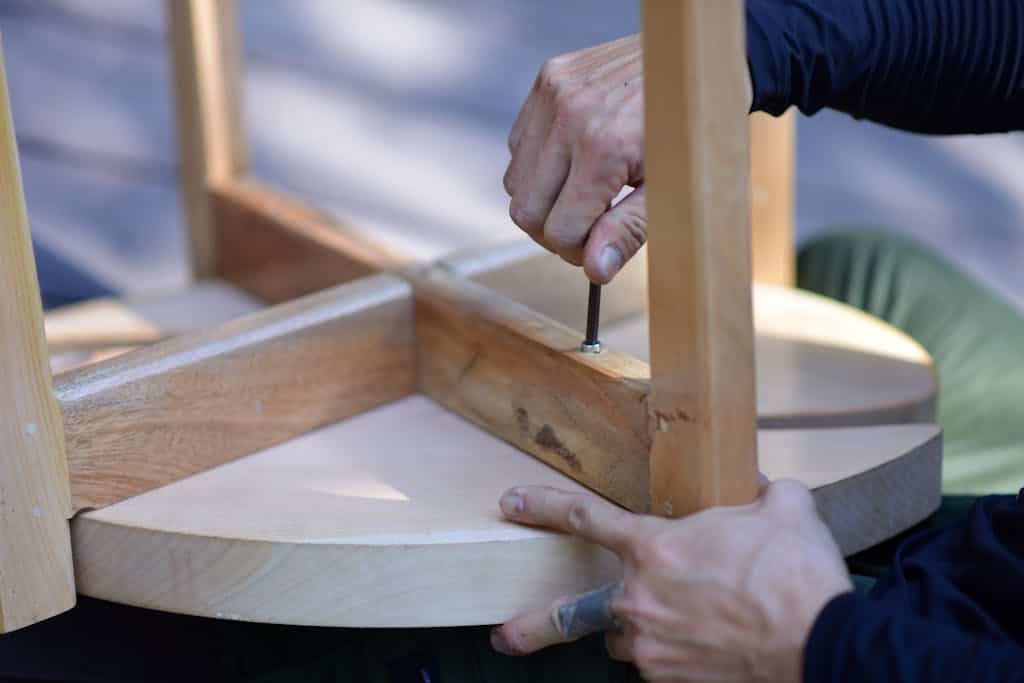
The adage tells us to measure twice and cut once, but enthusiasm often makes us skip that second check. Rushing through the measurement phase is the primary reason people end up with gaps in their flooring or cabinets. You cannot stretch a piece of wood that you cut too short, and buying replacement materials quickly eats up your budget.
Precision matters more than speed, especially when you are working with expensive materials such as granite or hardwood. One survey by ImproveNet found that 63% of homeowners regret at least one DIY project, often due to avoidable errors. Slow down and double-check your numbers before you turn on the saw, and you will save yourself a lot of grief.
Starting Without A Clear Plan

Many eager DIYers head to the store without a drawing or a clear list of steps. Winging it might work for dinner, but it is a terrible strategy for tiling a bathroom or building a fence. You need to visualize the result and map out the process backward to understand every hurdle you might face.
A lack of planning leads to moments when you realize you forgot to install the wiring before closing the wall. When an owner does not plan effectively, home improvement projects often end in disaster. Take a day to watch tutorials and read guides so you have a roadmap before you start swinging hammers.
Overestimating Your Own Abilities
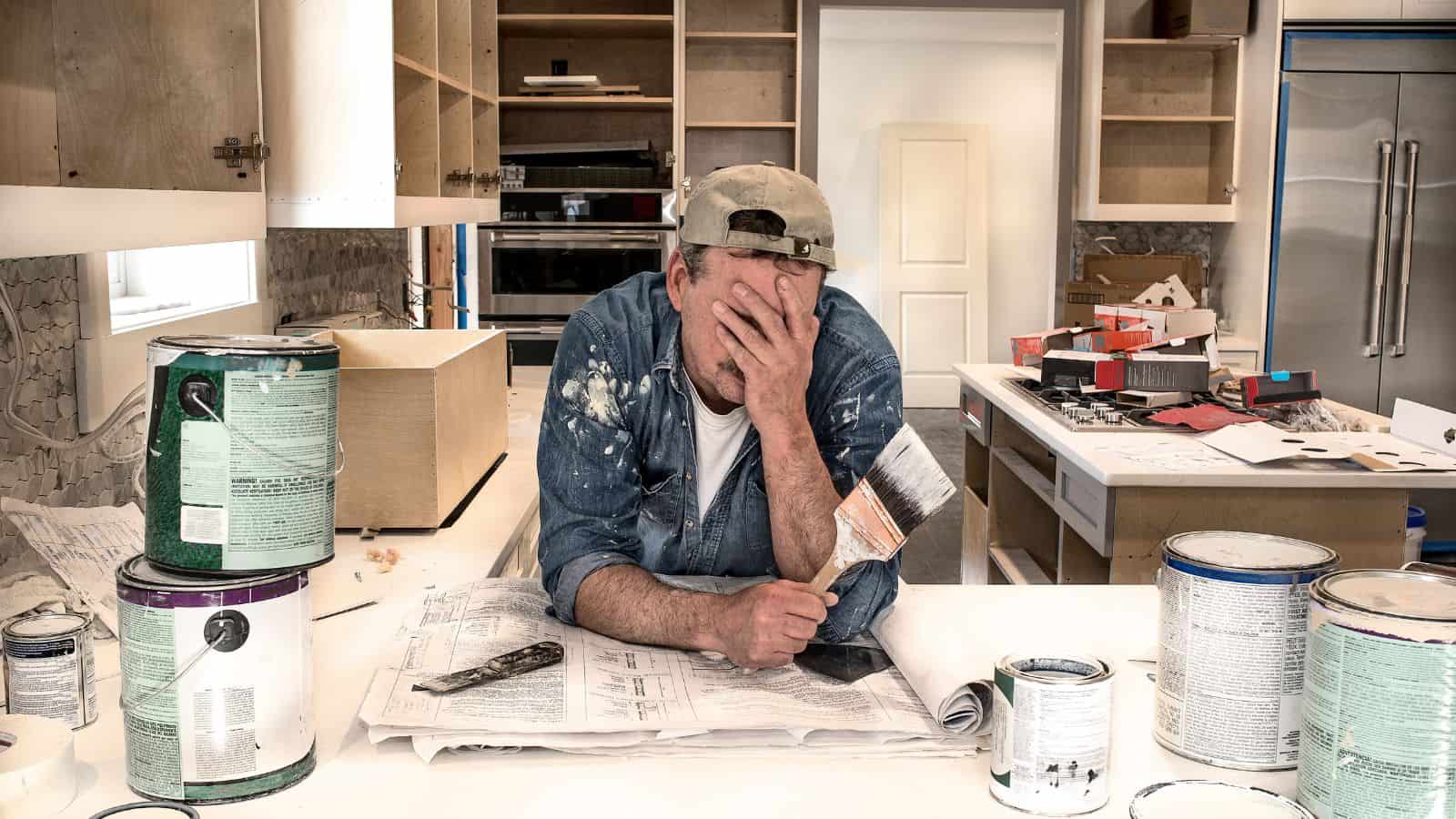
You may believe you can rewire a house or plumb a new sink just because you saw a five-minute video online. There is a massive difference between fixing a leaky faucet and moving the main sewer line for a new toilet. Knowing when to call a professional can save you thousands of dollars in water damage costs.
Electrical and plumbing work carries real risks that go beyond just making the house look ugly if you mess up. The Mirror reports that one in three DIYers end up calling a professional to fix their botched attempt, resulting in higher costs. Be honest about your skill level and leave the dangerous or highly technical tasks to the people who do them every day.
Rushing Through The Prep Work

Sanding, taping, and priming are the most boring parts of any job, so people try to speed through them. Skipping the prep work is the number one reason paint peels and tile floors crack after just a few months. You cannot achieve an excellent finish on a dirty or uneven surface, no matter how expensive your topcoat is.
The difference between a professional job and a sloppy amateur one is almost always in the preparation. A staggering 43% of homeowners admitted to damaging their home during a project, often because they rushed the preliminary steps. Spend more time cleaning and taping than you do painting, and your results will look like you hired a crew.
Using Improper Or Makeshift Tools

Using a butter knife as a screwdriver or a heavy wrench as a hammer is a classic sign of a DIY project going off the rails. Using the wrong tool for the job increases the chance of stripping screws, damaging parts, or hurting your hands. You do not need to buy the whole store, but renting or borrowing the right equipment makes a huge difference.
Tools are designed to do specific tasks efficiently, and fighting them only causes frustration and fatigue. Proper equipment gives you the leverage and precision you need to get the job done without losing your temper. If a task feels impossibly hard, you are probably using the wrong tool to try to solve it.
Neglecting Manufacturer Instructions

It seems like a good idea to discard the manual, but the people who built the product know how it works best. Ignoring the drying times or mixing ratios listed on the package can damage the chemical bonds in adhesives and paints. These instructions are there to help you succeed, not to slow you down or make your life difficult.
Every product has specific quirks that can lead to failure if you do not follow the provided guidelines. Reading the label takes five minutes, but guessing wrong can require you to remove everything and start over. Be humble enough to read the directions so you can get the results the manufacturer promised on the box.
15 Things Women Only Do With the Men They Love

The 15 Things Women Only Do With the Men They Love
Love is a complex, beautiful emotion that inspires profound behaviors. We express our love in various ways, some universal and others unique to each individual. Among these expressions, there are specific actions women often reserve for the men they deeply love.
This piece explores 15 unique gestures women make when they’re in love. From tiny, almost invisible actions to grand declarations, each tells a story of deep affection and unwavering commitment.