15 normalized american behaviors that upset outsiders
You don’t realize how weird some everyday American habits are until someone from another country watches you do them.
Traveling abroad usually reveals how quirky our own habits truly are to the rest of the planet. Americans often move through their days thinking their customs are universal standards, but many international visitors find their ways baffling or even rude. From the way they handle money at dinner to how they greet people on the street, American culture is distinct.
Outsiders frequently mention how loud, friendly, and convenient life in the United States feels compared to their home countries. While Americans see efficiency and comfort, they might see excess and confusion in our daily routines. We rounded up the most common complaints and observations visitors have about life in the USA.
The Price Tag Is A Lie

Walking up to a register and paying more than the sticker price is a jarring experience for most foreign travelers. In most countries, the tax is already baked into the shelf price for clarity. Here, you have to do mental gymnastics to figure out what a ten-dollar item actually costs.
This surprise addition at the checkout counter feels deceptive to those unfamiliar with our local tax laws. Each state and city has different percentages, which adds another layer of confusion for guests. Outsiders prefer to know precisely how much cash to take out of their wallet before reaching the cashier.
Tipping Is Practically Mandatory
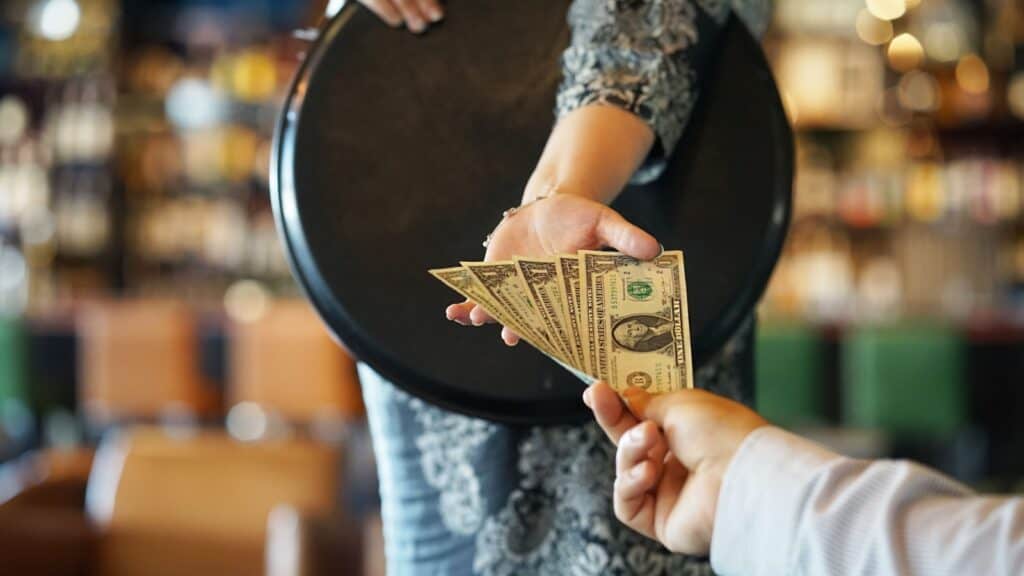
Leaving a gratuity is not just a nice gesture in the States; it is actually the service worker’s livelihood. Visitors from Europe or Asia are often stunned to learn that paying an extra twenty percent is expected regardless of service quality. According to the Pew Research Center, 72% of Americans say tipping is expected in more places today than it was five years ago.
The math required at the end of a meal can stress out tourists used to all-inclusive pricing. If you do not leave a tip, the server might chase you down or ban you from the establishment. This system confuses outsiders who believe employers should pay a living wage directly to their staff.
The Obsession With Ice Cubes

If you order a water or soda in America, you will get a glass filled to the brim with ice cubes. They believe that a drink is not served correctly unless it is cold enough to freeze your teeth instantly. Visitors are often baffled when they receive a cup containing only a few tablespoons of liquid.
Most European restaurants serve water at room temperature because they believe it aids digestion and tastes better. Asking for “no ice” is a common phrase tourists learn quickly after arriving at JFK or LAX. Americans view room-temperature beverages as a strange culinary failure rather than a preference.
Air Conditioning On Full Blast

Walking into an American store in July often feels like stepping directly into a meat locker or a refrigerator. They tend to keep our internal temperatures hovering around sixty degrees, even when it is blazing hot outside. Outsiders frequently complain that they need to carry a sweater in summer to survive a trip to the cinema.
This thermal shock is distinctly American and consumes a massive amount of electricity every single year. The Energy Information Administration reports that 88% of all homes in the United States now use air conditioning. International guests often find the frigid indoor climate uncomfortable and incredibly wasteful of energy resources.
Small Talk With Strangers

Americans have a reputation for being incredibly chatty with people they have never met. They will happily tell their life story to a cashier or ask a taxi driver about their family history. In many other cultures, this level of openness is seen as intrusive, superficial, or even suspicious behavior.
A silent elevator ride is awkward for them, so they fill the void with comments about the weather or sports. Visitors from Nordic or Eastern European countries often wonder why they cannot simply enjoy the silence. Americans see this chatter as friendly, while they might see it as an invasion of privacy.
Pharmaceutical Commercials On TV
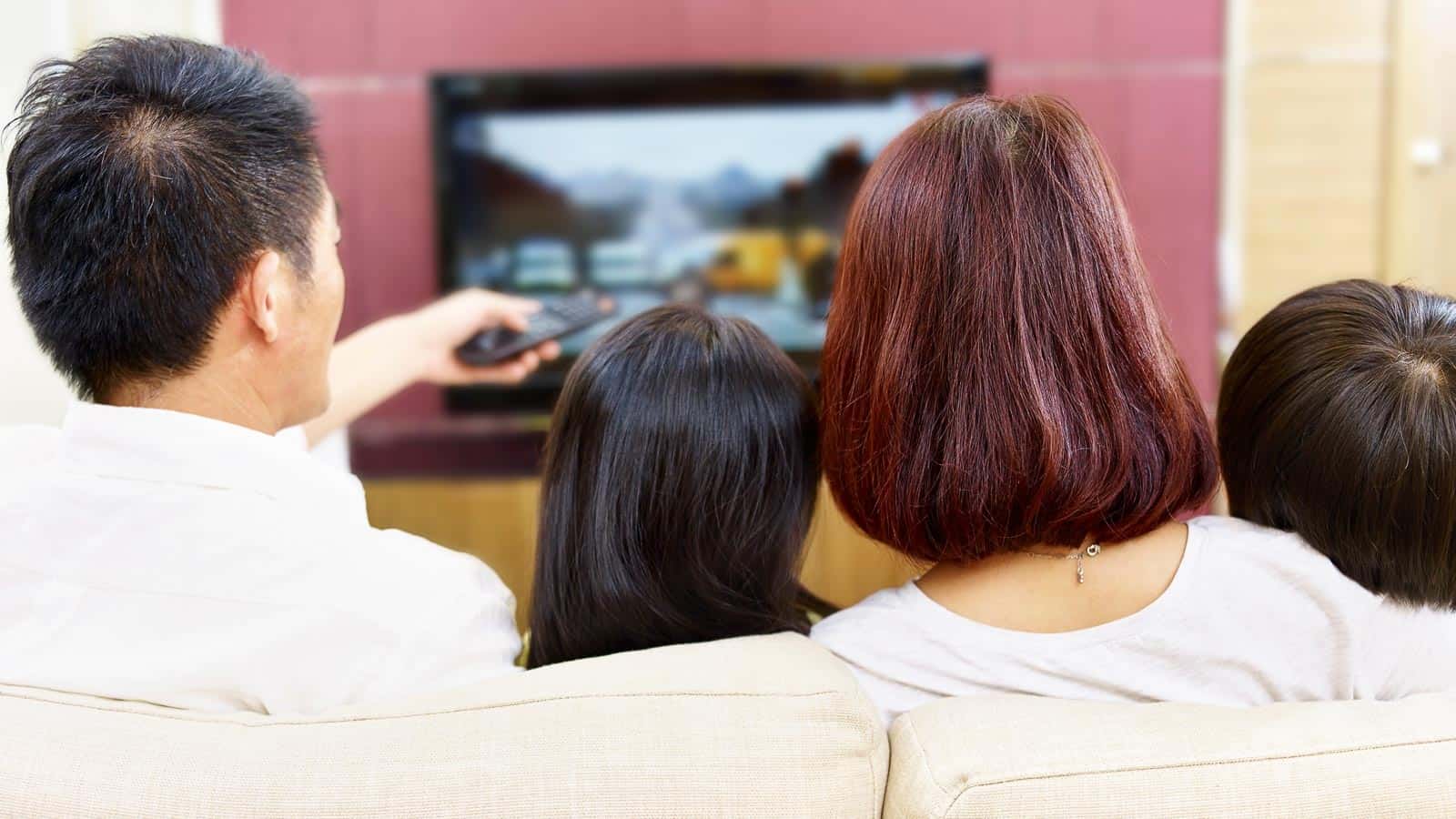
Turning on the television in a hotel room exposes visitors to a barrage of ads for prescription drugs. The United States and New Zealand are the only two countries where direct-to-consumer pharma advertising is legal. Seeing a happy couple on a beach while a narrator lists terrifying side effects is surreal to outsiders.
These commercials often encourage patients to tell their doctors which medication they need, flipping the usual medical dynamic. Kantar Media data shows that the pharmaceutical industry spends over $18 billion annually on advertising in the US alone. It is a massive industry that leaves foreign viewers feeling uneasy about their healthcare system.
Massive Food Portion Sizes
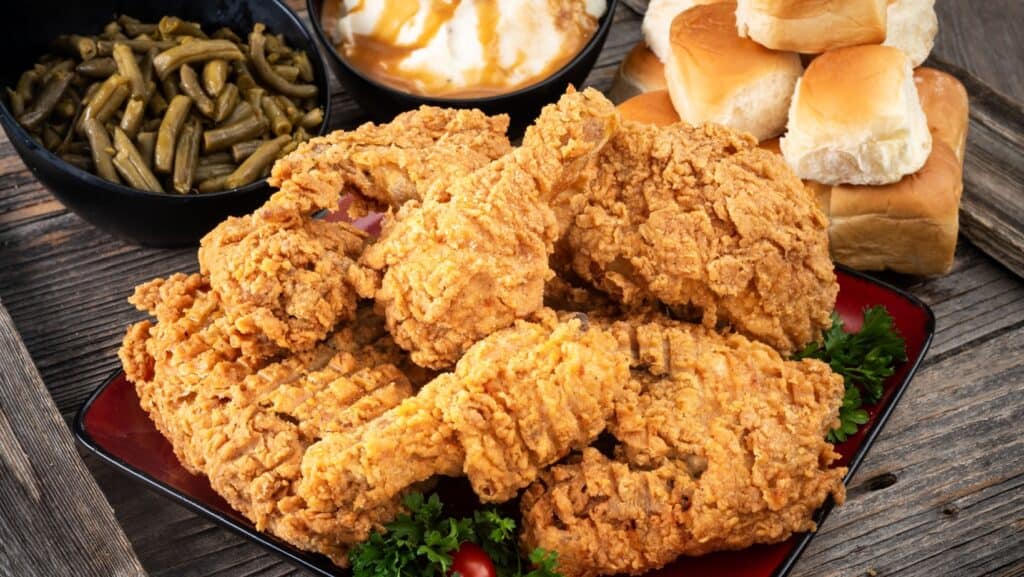
Ordering a standard meal at a restaurant usually results in a plate of food that could feed a family of four. The sheer volume of fries and meat served in one sitting is shocking to almost everyone visiting the States. This abundance is seen as a sign of value here, but to others it appears to be gluttony.
Most visitors end up asking for a box to take their leftovers back to the hotel, which is another uniquely American habit. In many places, finishing your plate is polite, but here it is a physical challenge.
Bathroom Stall Gaps

Privacy in a public restroom is something Americans apparently do not value as much as the rest of the world does. The wide gaps between the door and the frame in their stalls allow anyone walking by to make eye contact. European restrooms usually have floor-to-ceiling doors that provide complete privacy.
This design choice is usually about cutting costs and making cleaning easier, but it makes guests feel incredibly exposed. Sitting there while watching people wash their hands is an unnerving experience for tourists. Americans are so used to the lack of privacy that they barely notice it until a foreigner points it out.
Driving Short Distances

The car is king in America, and they will hop in the driver’s seat to go just a few blocks down the road. Their cities are built for automobiles rather than pedestrians, which makes walking impractical in many suburbs. Visitors are often stunned that they refuse to walk ten minutes to the nearest convenience store.
This reliance on vehicles contributes to traffic congestion and a lack of physical activity for many citizens. According to the Department of Energy, 52% of trips under three miles are taken by car. It is a hard habit to break when sidewalks are scarce, and parking lots are huge.
Asking How Are You

Americans use the phrase “How are you?” as a simple greeting rather than a genuine inquiry into someone’s well-being. If someone actually stopped to answer truthfully about their problems, they would be entirely caught off guard. For outsiders, this mimics friendship without the actual commitment of caring.
In cultures where words carry more weight, this casual toss-away phrase seems insincere or fake. They might start describing their day, only to realize the American has already kept walking. They value the rhythm of the greeting more than the content of the answer.
Free Refills Are Standard

The concept of bottomless beverages is a glorious perk for Americans but a confusing anomaly for international diners. You can sit at a booth and drink five liters of soda for the price of a single cup. Waiters will top off your glass without you even asking, which can seem aggressive.
In France or Germany, you pay for every single bottle or glass that arrives at your table. The sugar intake associated with this custom is another point of concern for health-conscious visitors. Visitors often think it is a trick until they see the bill really charges for just one drink.
Flags Are Everywhere

Patriotism is visually loud in America, with the Stars and Stripes flying over car dealerships, porches, and schools. You cannot walk a single block in most towns without seeing the national colors displayed somewhere. To outsiders, this constant reminder of where they are feels a bit intense and unnecessary.
In many other nations, flags are reserved for government buildings or international sporting events. Seeing them on bumper stickers and clothing is a level of nationalism that surprises tourists. Americans view the flag as a decoration, while others view it as a strict political statement.
University Sports Are Huge

The idea that college athletes are treated like celebrities is bizarre to people from countries with club-based sports systems. Americans fill massive stadiums with thousands of screaming fans to watch nineteen-year-olds play football. The passion and money involved in university athletics rival professional leagues elsewhere.
Foreigners do not understand why an academic institution is focusing so heavily on entertainment and merchandise. The NCAA generates billions in annual revenue, underscoring how massive this industry is.
Return Policies Are Loose

You can buy a shirt, wear it once, and return it to the store a month later with almost no questions asked. This consumer-friendly approach is a luxury that Americans take for granted every single day. In many parts of the world, a sale is final unless the item is actually defective.
Retailers here prioritize customer satisfaction over the strict logic of the transaction. Visitors are amazed that they can return opened electronics or makeup that they did not like. According to the National Retail Federation, huge return volumes cost retailers $816 billion in lost sales in 2022.
Limited Vacation Time

Our European counterparts often view the American work ethic as a form of self-inflicted punishment. They have no federally mandated paid leave, which is a shock to people used to six weeks off. Taking a two-week holiday is seen as a major luxury rather than a fundamental human right.
Even when Americans do get time off, they often stay connected via email and answer office calls. A Pew Research survey found that 46% of Americans did not use all their paid time off. Outsiders pity their inability to disconnect and enjoy life without work guilt.
More articles you might like:
- 10 Unspoken Rules In The U.S. That Control Behavior
- 10 Common Behaviors Of A Female Narcissist
- 13 Common Behaviors That Annoy People