The beautiful Ursid meteor shower most people miss every year
While headlines chase dazzling summer meteors, a quieter shower slips through late December skies, rewarding only those who bother to look up.
Most people never hear about the Ursid meteor shower, and even fewer ever step outside to look for it. It arrives quietly in late December, near the end of the year, when attention is already scattered by travel plans, unfinished work, and the pull of staying indoors.
The Ursids do not arrive with hype or spectacle, and they do not dominate headlines or social feeds. They do not promise nonstop streaks of light or dramatic displays. Instead, they offer something quieter and more fleeting, rewarding patience, stillness, and the simple act of paying attention to a cold, dark winter sky when most people are not looking up.
A Meteor Shower Hidden in Plain Sight
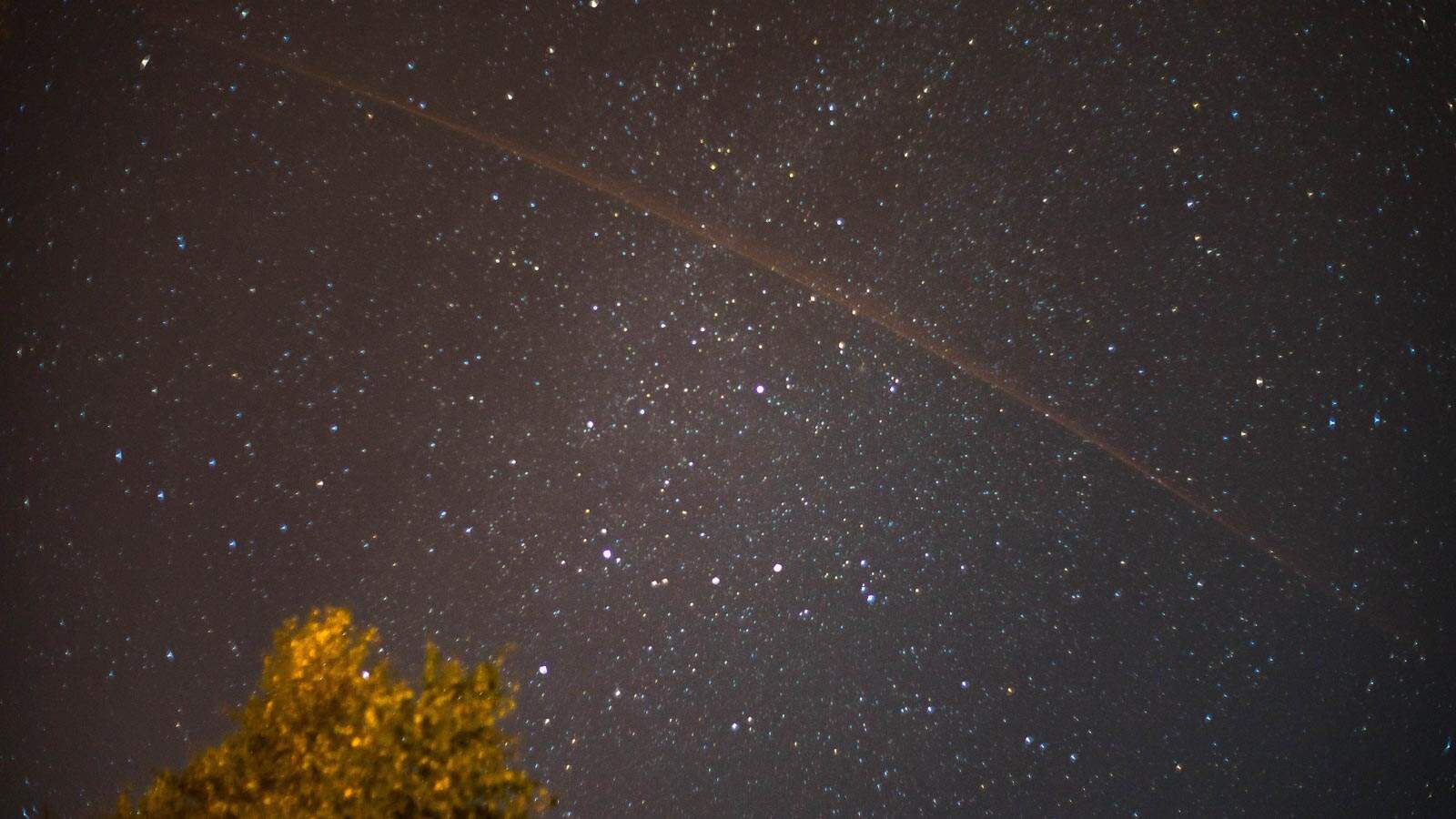
The Ursids are easy to overlook. They peak around December 21 or 22, a time when many people are focused on travel, gatherings, and end of year deadlines. Winter weather also discourages casual stargazing. Cold temperatures, cloud cover, and shorter daylight hours can make stepping outside at night feel like more effort than reward.
Unlike famous meteor showers that dominate summer headlines, the Ursids rarely make the news. Their average rate is modest, often around five to ten meteors per hour under ideal conditions. That number alone causes many people to dismiss them as unremarkable. But numbers only tell part of the story.
Where the Ursids Come From
The Ursid meteor shower originates from Comet 8P Tuttle, a periodic comet that orbits the Sun roughly every thirteen and a half years. This matters because most meteor showers come from comets with longer, more predictable debris streams. Tuttle’s debris is clumpier and less evenly distributed, which explains why the Ursids can be inconsistent.
Some years are quiet. Other years surprise observers with short bursts of higher activity. These occasional outbursts have produced rates far above the average, catching astronomers off guard and reminding them that the Ursids still have secrets to reveal.
Why Winter Meteors Feel Different
Watching meteors in winter is a different experience than watching them in summer. In warm months, stargazing often feels social and leisurely. People lie on blankets, stay out late, and make an evening of it. Winter viewing is quieter and more deliberate.
Standing outside on a cold night sharpens attention. Each meteor feels earned. You are not casually glancing at the sky. You are waiting. That waiting changes how the experience registers emotionally. The silence, the cold air, and the darkness combine to make even a single streak feel significant.
The Solstice Connection
The Ursids peak close to the winter solstice, the longest night of the year in the Northern Hemisphere. That timing is more than a coincidence. Longer nights offer more viewing hours, but they also create a psychological backdrop.
Humans have always responded to extremes of light and darkness. The solstice has marked turning points for thousands of years. Watching meteors during this period can feel like witnessing a quiet punctuation mark in the annual cycle. Darkness reaches its maximum, then begins its slow retreat. The Ursids arrive right at that threshold.
Low Numbers Do Not Mean Low Value
There is a tendency to equate value with volume. If a meteor shower does not produce dozens of meteors an hour, it is often labeled as disappointing. The Ursids challenge that mindset.
Because they are less frequent, Ursid meteors often feel more personal. You notice them individually rather than as a constant stream. Each one interrupts the darkness briefly, then disappears. That fleeting quality is part of their appeal.
Why Astronomers Still Pay Attention
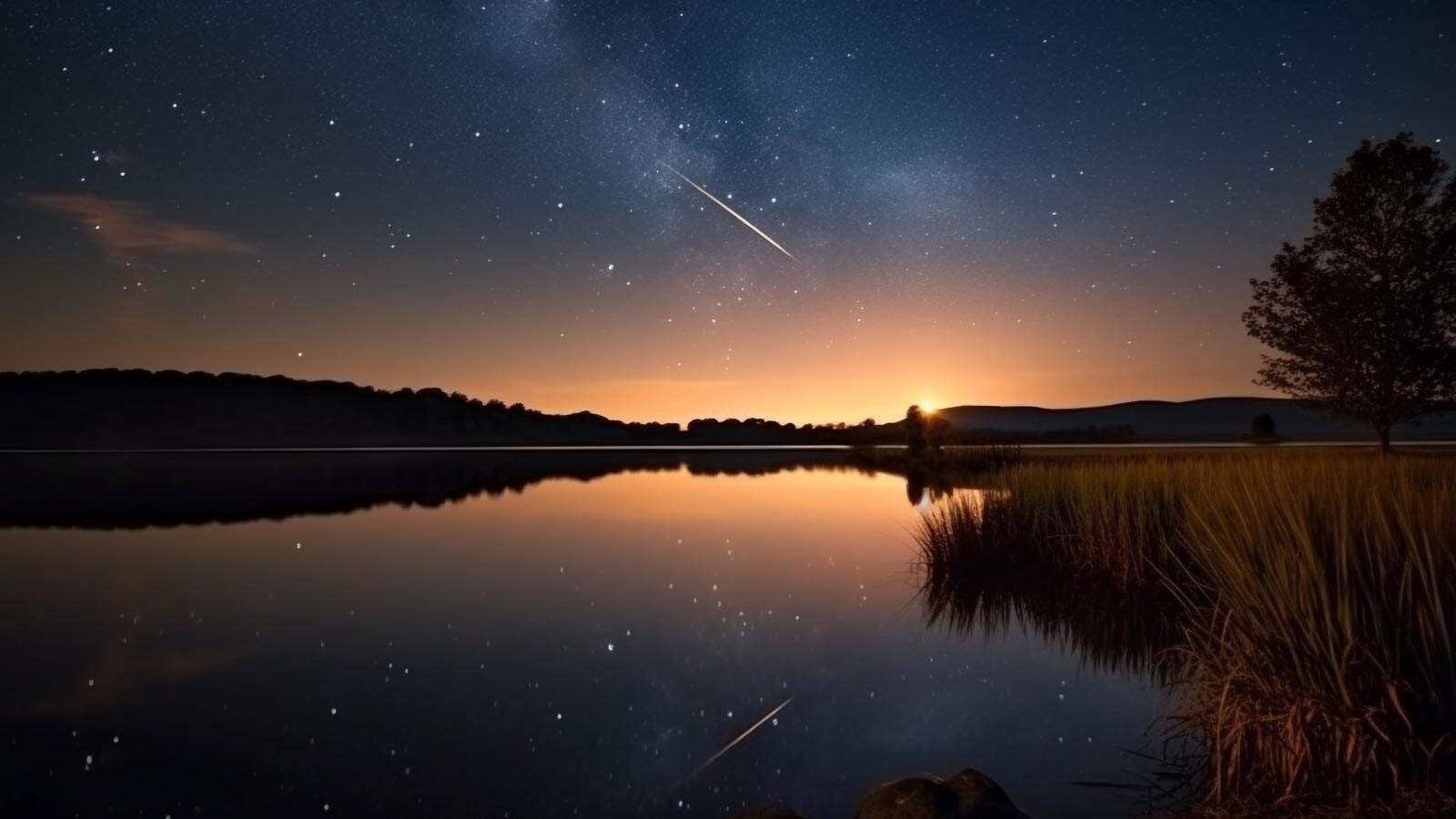
From a scientific standpoint, the Ursids are intriguing precisely because they are unpredictable.Their parent comet’s debris stream shifts over time, influenced by gravitational interactions with Jupiter. This makes modeling their behavior more complex than showers with steadier rates.
Studying these variations helps astronomers understand how comet debris evolves and how meteor streams change over decades. Even a small shower can contribute valuable data when its behavior defies expectations.
How to Watch Without Overthinking It
Watching the Ursids does not require special equipment or elaborate planning. The radiant appears in the constellation Ursa Minor, near the North Star, but meteors can appear anywhere in the sky. The best approach is simply to find a dark location, dress warmly, and give your eyes time to adjust.
Because activity rates are modest, patience matters more than precision. Allow yourself at least an hour if possible. Let your attention soften. The experience is as much about being outside under the winter sky as it is about counting meteors.
A Reminder Hidden in the Cold
The Ursids offer something rare in modern life. They ask very little and promise nothing dramatic. They reward presence rather than urgency. In a season often filled with noise and obligation, they slip by quietly, reminding us that not everything meaningful demands attention.
Missing them is easy. Noticing them is a choice. That choice is what makes the experience linger long after the cold has faded from your hands.
The Night The Sky Fell: When 100,000 Meteors Lit Up The World
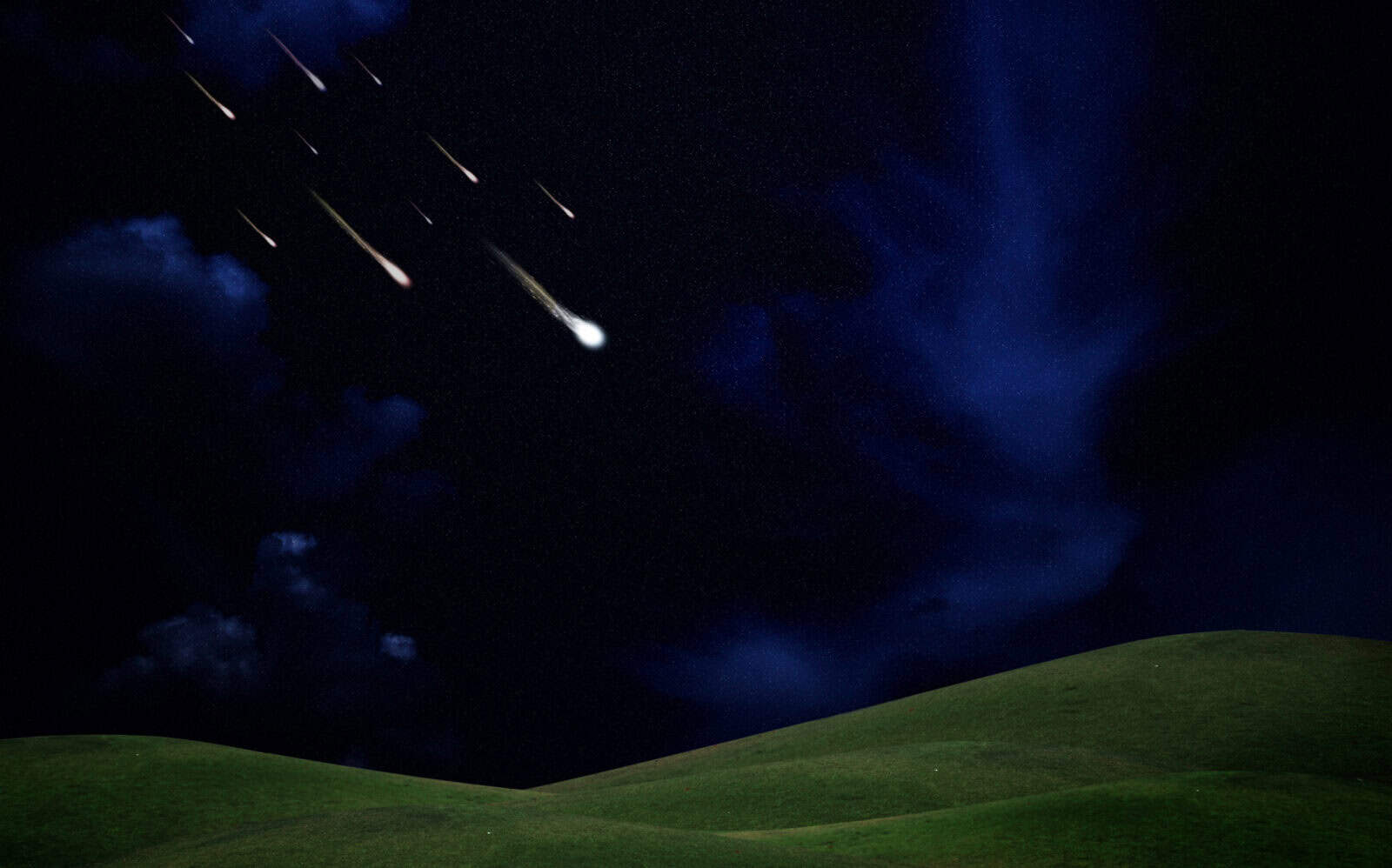
Since 1833, when the Leonids unleashed over 100,000 meteors an hour, scientists have traced these celestial tempests to a single comet whose debris still shapes our skies today.
Every autumn, as the nights grow long and cold, a celestial visitor sweeps across our skies. The Leonid meteor shower returns each November, bringing with it a mix of quiet beauty and explosive history. Some years, it offers a modest sprinkling of shooting stars. Other times, it has unleashed storms of light so intense that observers feared the world was ending. To understand why the Leonids inspire such fascination, you have to look back nearly two centuries to the night the sky seemed to fall. Learn more.