Wild Animals You Should Never Look in the Eyes, According to Experts
Wild animals use eye contact very differently from humans do—and in the wrong context, a direct stare can get you hurt. A study published in the National Institutes of Health shows that, in most primates, eye contact is “an implicit signal of threat” that often precedes physical aggression. Wildlife agencies and field biologists warn that with certain predators and large herbivores, locking eyes can be interpreted as a challenge, a threat to their young, or even the behavior of prey that has noticed them.
Experts emphasize that “it depends on the species.” Still, in many iconic animals—from gorillas to bears—“a directed stare is a threatening signal” that may provoke defensive or aggressive behavior. When you’re hiking, on safari, or even visiting a wildlife park, knowing which animals you should never look directly in the eyes can dramatically lower your risk of a dangerous encounter.
Gorillas
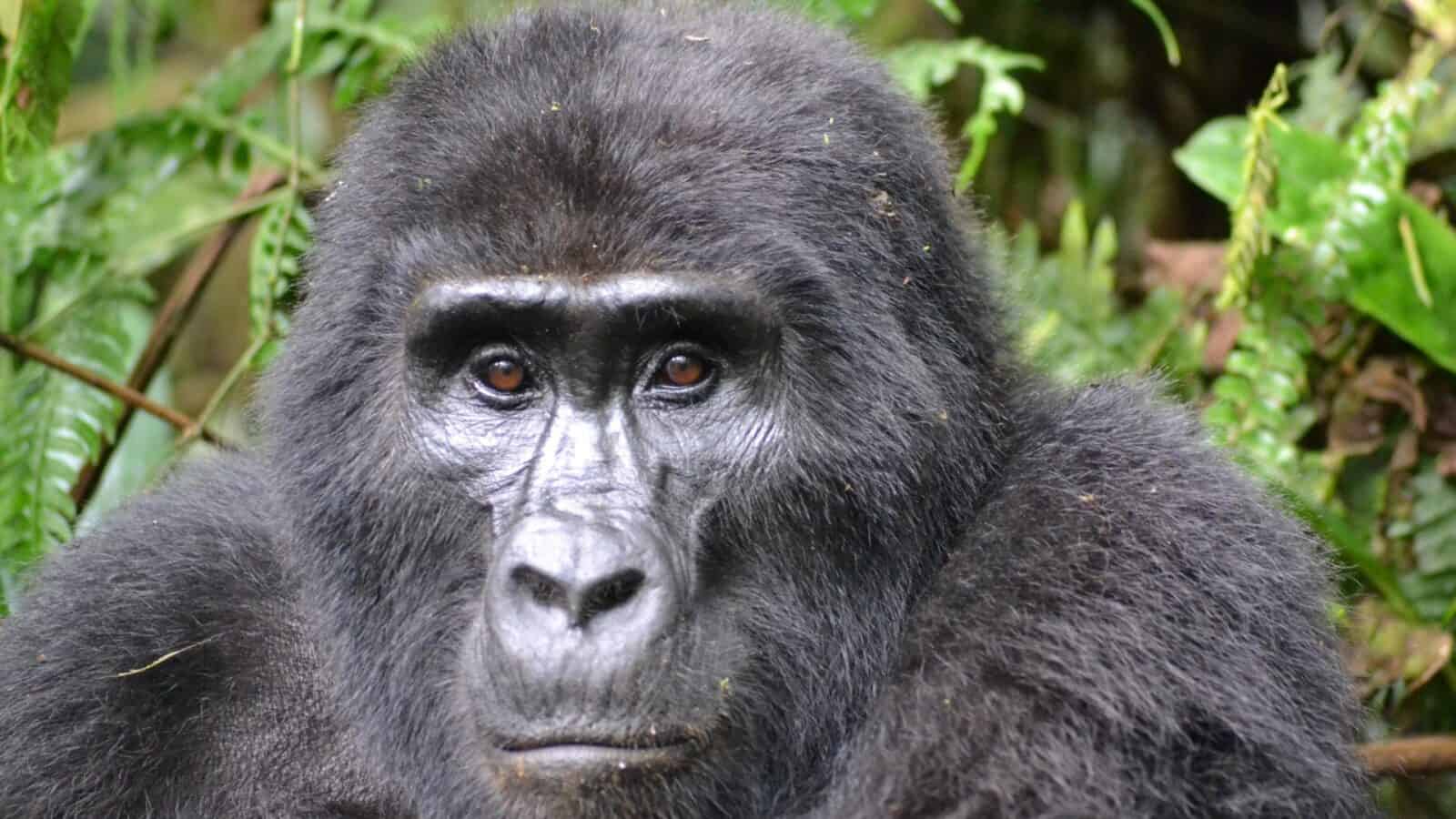
Gorillas live in tight social groups with clear dominance hierarchies, and gaze plays a big role in how they negotiate status. Primatology research shows that in most non‑human primates, direct eye contact is treated as a threat display that can signal “imminent physical aggression.” In gorillas, a hard stare means “Back off,” and if you return it, the silverback may read it as a direct challenge.
Field and zoo guidelines repeatedly advise visitors not to make eye contact with gorillas. Directed human gaze can increase stress and trigger defensive displays like chest‑beating or mock charges. Experienced guides in Rwanda and Uganda tell tourists to keep their bodies low, speak softly, and avoid direct eye contact when a gorilla is close.
Chimpanzees and Other Monkeys
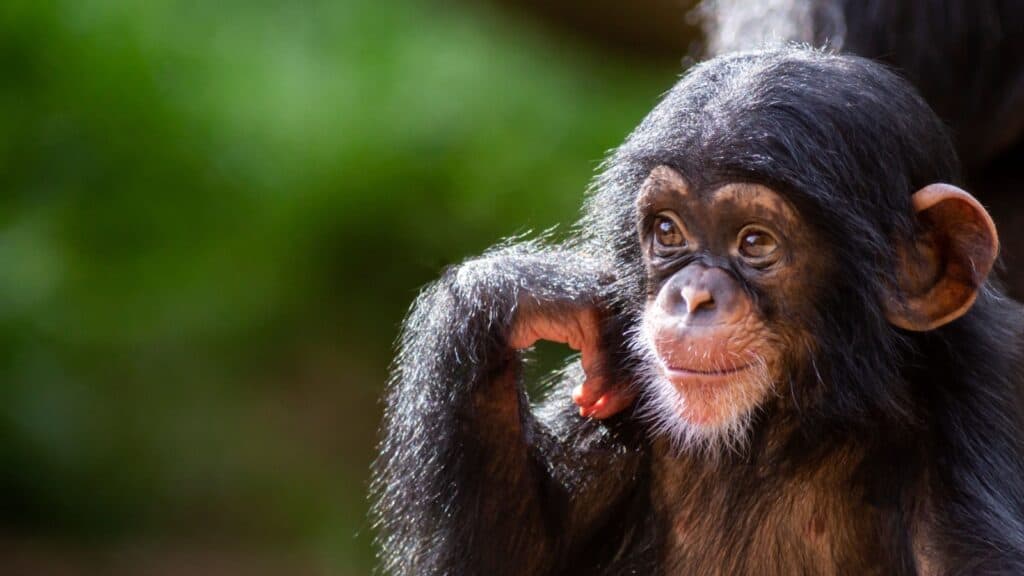
Chimpanzees and many monkeys are highly sensitive to faces and eyes. Research by ScienceDirect on macaques and other primates shows that direct gaze frequently triggers agonistic responses, such as threat displays, lunges, or biting attempts. In Barbary macaques, for example, researchers found more aggression when animals were presented with faces showing neutral or mildly threatening expressions, compared with non‑face images.
Sanctuaries and ape centers routinely warn visitors that making eye contact is a “gesture of threat for most primates,” even if chimpanzees and humans sometimes tolerate more gaze in friendly contexts. Watch chimps and monkeys by looking slightly away or using brief glances rather than a fixed stare—especially in captive settings, where animals are already under stress.
Wolves and Coyotes
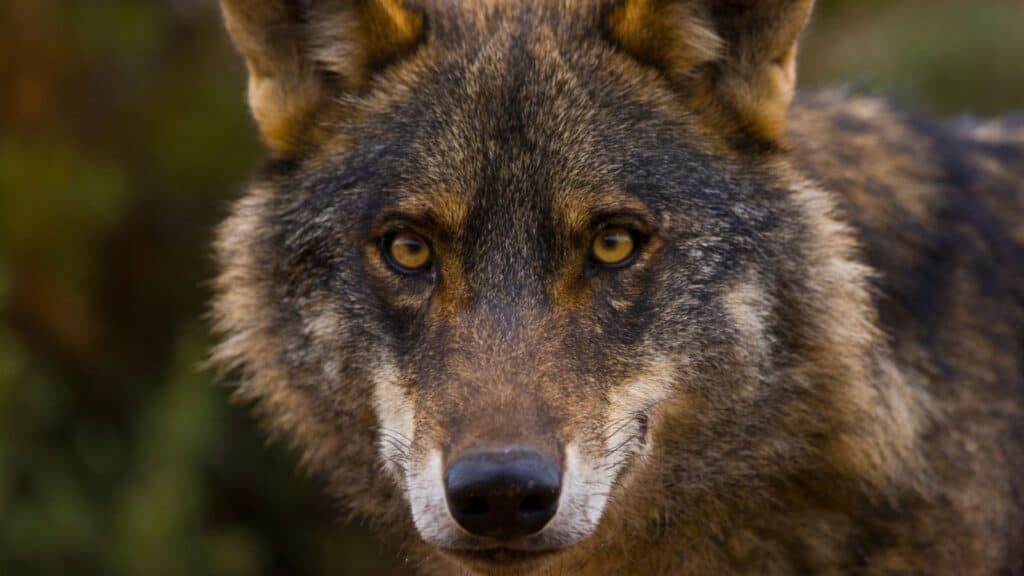
Wild canids rely heavily on body language and eye contact to establish dominance, submission, and territorial boundaries. Animals Around the Globe warns that when you stare at a wolf or coyote, you’re “essentially issuing a challenge,” especially if you also stand tall and move toward the animal.
Guidance for hikers and wildlife photographers is consistent: if you encounter wolves, avoid direct eye contact, maintain a calm posture, and back away slowly rather than trying to “stare them down.” Experts explain that a fixed gaze can be read as either aggressive or predatory—both of which increase the odds of a defensive or confrontational response.
Big Cats: Lions, Tigers, Leopards, Cougars

Apex predators like lions, tigers, leopards, and cougars use eye contact in both hunting and territorial behavior. A Kyari article notes that a steady stare at a big cat can be interpreted either as “a challenge from a rival” or as the behavior of prey that has detected a stalk. Either way, you’ve escalated the encounter.
Safari safety advice stresses that sudden movements and direct eye contact can trigger a charge or predatory attack in big cats. For tigers specifically, multiple field guides recommend “remain calm and avoid direct eye contact,” then back away slowly without turning your back, because running can activate the chase instinct. Keep these cats in your peripheral vision instead of trying to lock eyes.
Bears
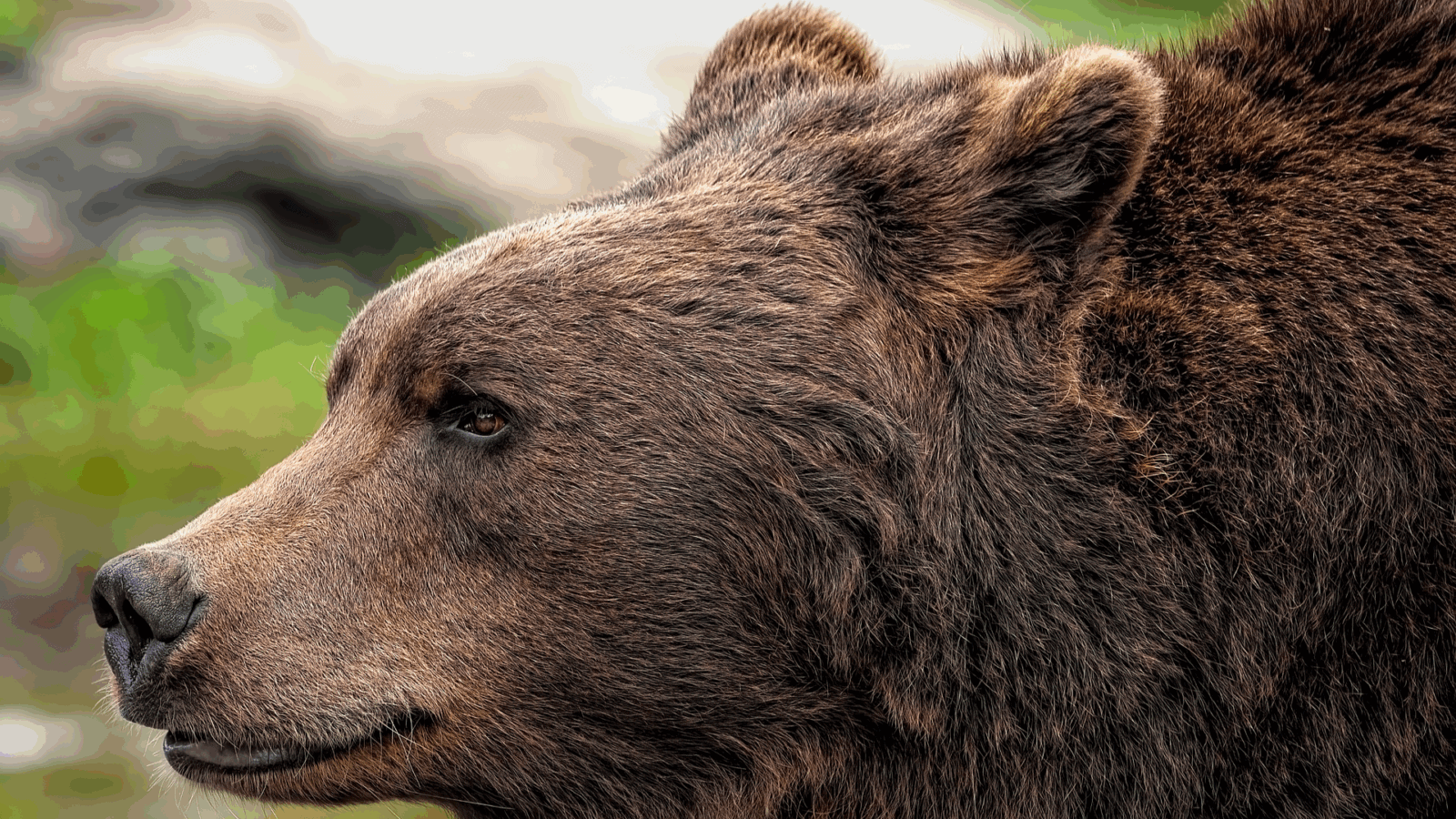
Bears can appear calm or even curious, but they are large, powerful animals that react strongly to perceived threats. Wildlife officials in bear country consistently warn people not to make prolonged eye contact, because bears may interpret it as intimidation or a challenge.
Safety guidelines emphasize three steps: avoid direct staring, speak calmly, and back away slowly while keeping the bear in view. Staring at a wild animal, including bears, “could be perceived as a challenge”—instead, you should give it space and let it move off.
Hippos
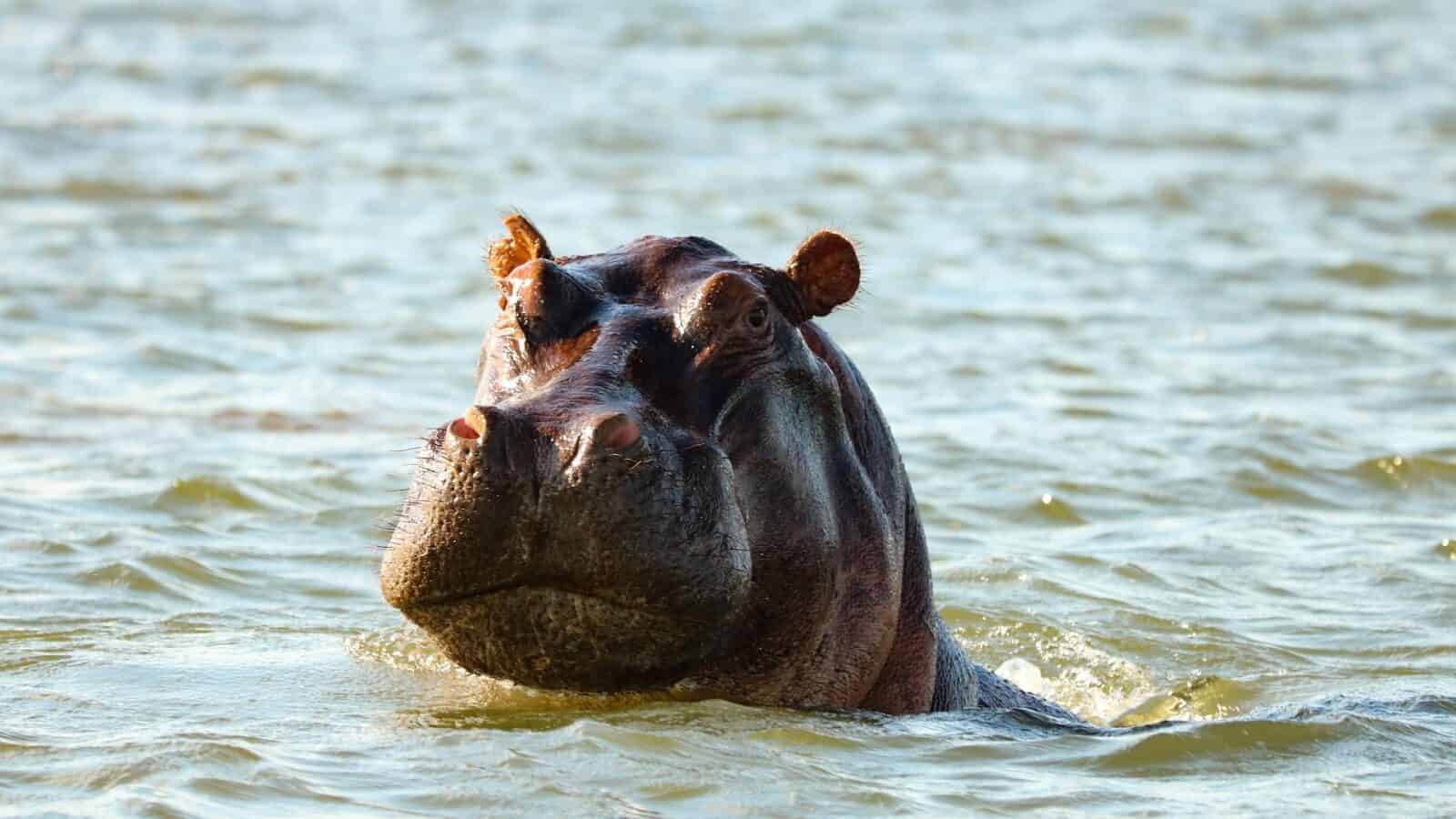
Hippos might look slow and harmless in the water, but they are among the most dangerous large animals in Africa. Hippos are responsible for hundreds of serious attacks on people each year, often when someone gets too close to their territory. Staring at a hippo, especially at close range or from its perspective, can be taken as a direct challenge.
A 2025 Bunko article describes hippos as extremely territorial, with a low tolerance for perceived threats around their river or pod. Guides advise tourists to keep a large distance, avoid eye contact, and never position themselves in the hippo’s path to water—any of which can provoke a sudden charge.
Bison
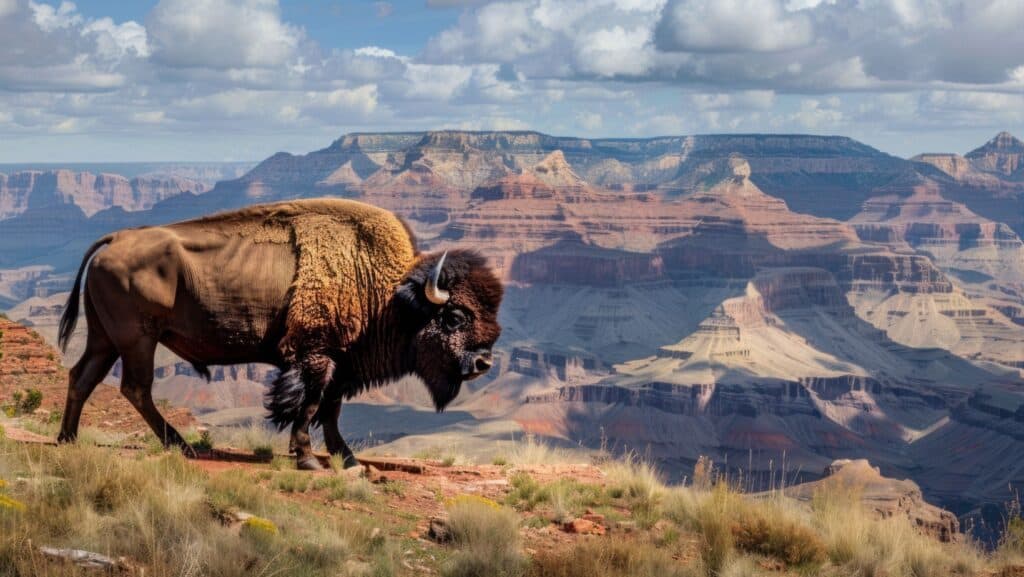
In US national parks, bison injure more visitors each year than bears do, mainly because people underestimate them and get too close for photos. According to Sea Coloring, bison can weigh up to 2,000 pounds and run more than 40 miles per hour, and park authorities stress that even a seemingly relaxed animal can pivot and charge without much warning.
Wildlife guidance recommends staying at least 25 yards (about 23 meters) away, avoiding eye contact, and never walking toward a bison to “get a better look.” Bison have relatively poor eyesight but strong awareness of posture and gaze; if they detect your presence and catch you staring, they may interpret it as aggression or a territorial challenge.
Why Eye Contact Is Such a Powerful Signal

Behind all these individual warnings is a broader pattern: many species read direct gaze as a high‑stakes social or survival cue. A 2024 study in the National Library of Medicine on predator gaze found that primates rapidly detect the eyes of forward‑facing predators and treat a direct stare as a sign of high risk.
Wildlife educators summarize it this way: your eyes send messages even when you don’t mean to. For many wild animals, a locked gaze means “I see you, and I’m not backing down”—which is the last thing you want. When in doubt, give wildlife space, avoid staring, and let local expert guidance—not your instincts for eye contact—dictate how you look, move, and stay safe outdoors.
Disclosure line: This article was developed with the assistance of AI and was subsequently reviewed, revised, and approved by our editorial team.
20 Odd American Traditions That Confuse the Rest of the World

20 Odd American Traditions That Confuse the Rest of the World
It’s no surprise that cultures worldwide have their own unique customs and traditions, but some of America’s most beloved habits can seem downright strange to outsiders.
Many American traditions may seem odd or even bizarre to people from other countries. Here are twenty of the strangest American traditions that confuse the rest of the world.
20 of the Worst American Tourist Attractions, Ranked in Order

20 of the Worst American Tourist Attractions, Ranked in Order
If you’ve found yourself here, it’s likely because you’re on a noble quest for the worst of the worst—the crème de la crème of the most underwhelming and downright disappointing tourist traps America offers. Maybe you’re looking to avoid common pitfalls, or perhaps just a connoisseur of the hilariously bad.
Whatever the reason, here is a list that’s sure to entertain, if not educate. Hold onto the hats and explore the ranking, in sequential order, of the 20 worst American tourist attractions.