15 Plants You Don’t Want To Grow In Your Garden
Many popular ornamentals can take over your yard, trigger nasty rashes, or seriously harm kids and pets if eaten. Here are 15 plants to think twice about before you add them to your garden, plus safer habits to keep your landscape beautiful and family‑friendly.
1. Japanese Barberry (Berberis thunbergii)
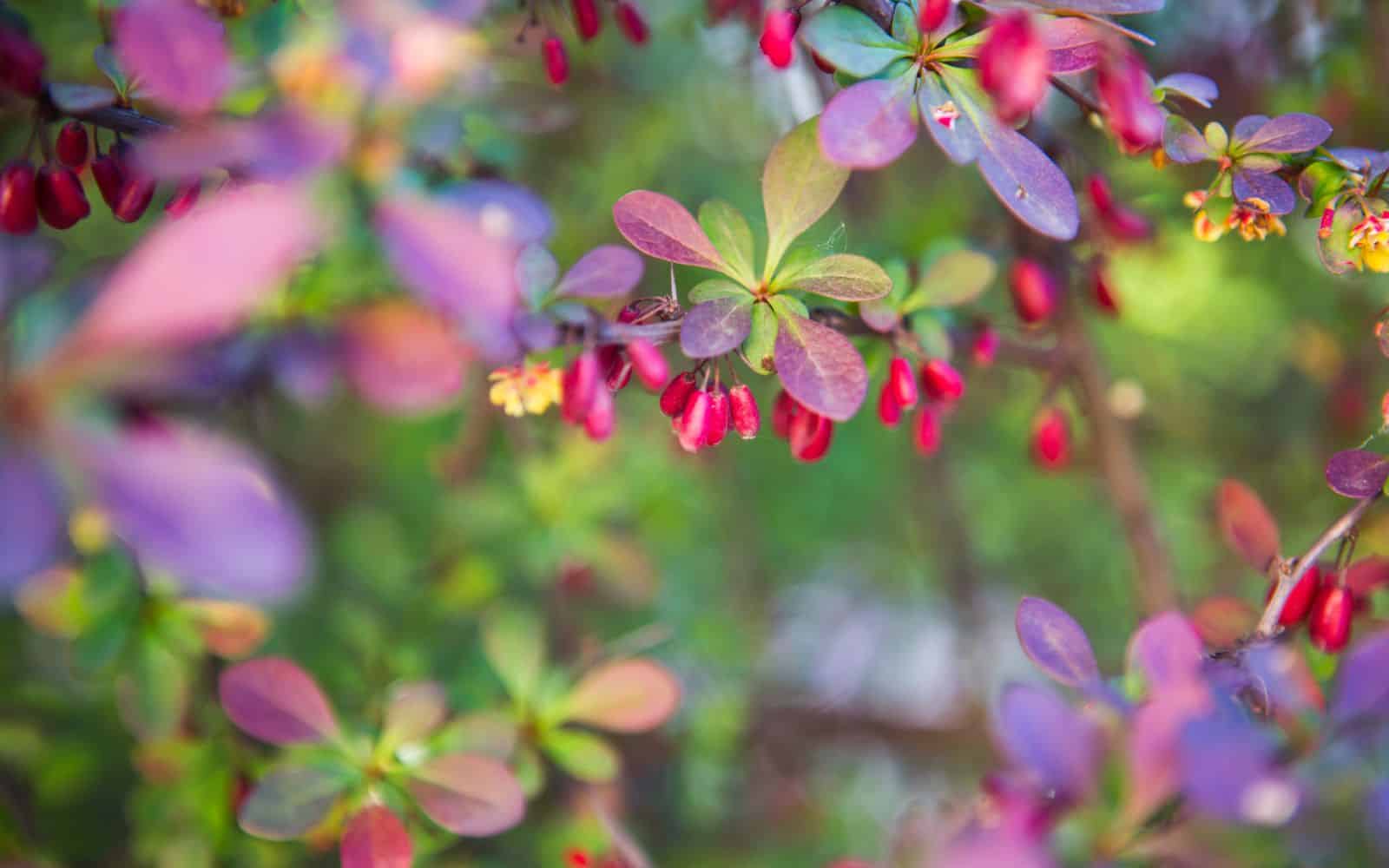
Japanese barberry is a thorny shrub often sold for its colorful foliage, but it spreads aggressively into woods and fields and is listed as invasive in many states, including Massachusetts. Dense barberry thickets can alter soil chemistry and have been linked to higher tick numbers, which may raise Lyme disease risk.
2. Purple Loosestrife (Lythrum salicaria)
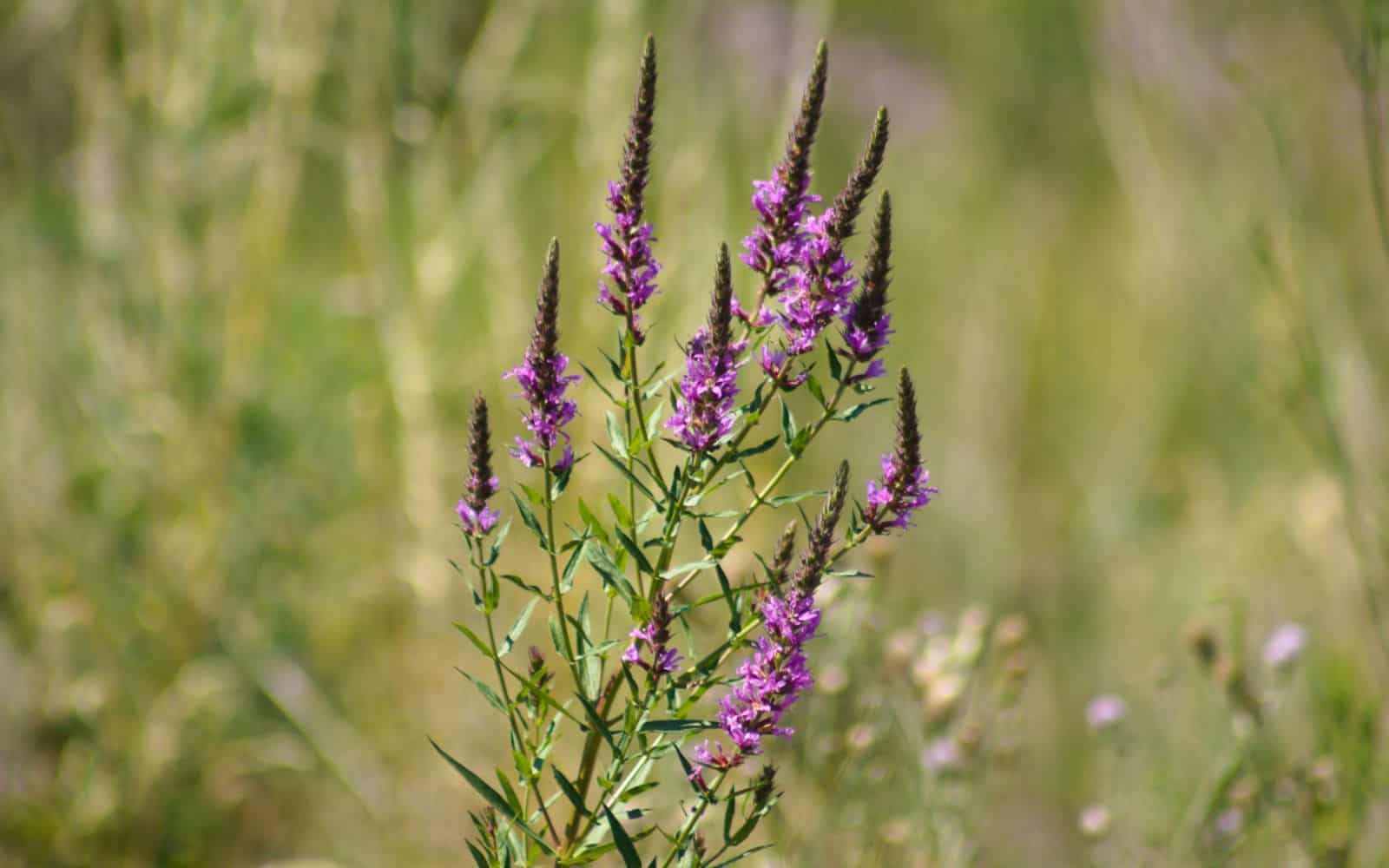
Purple loosestrife looks gorgeous in bloom, yet it is one of the most notorious invasive wetland plants in the United States. It forms dense stands that crowd out native marsh plants, birds, and pollinators that rely on them, and once established, it is extremely difficult to remove.
3. Japanese Honeysuckle (Lonicera japonica)
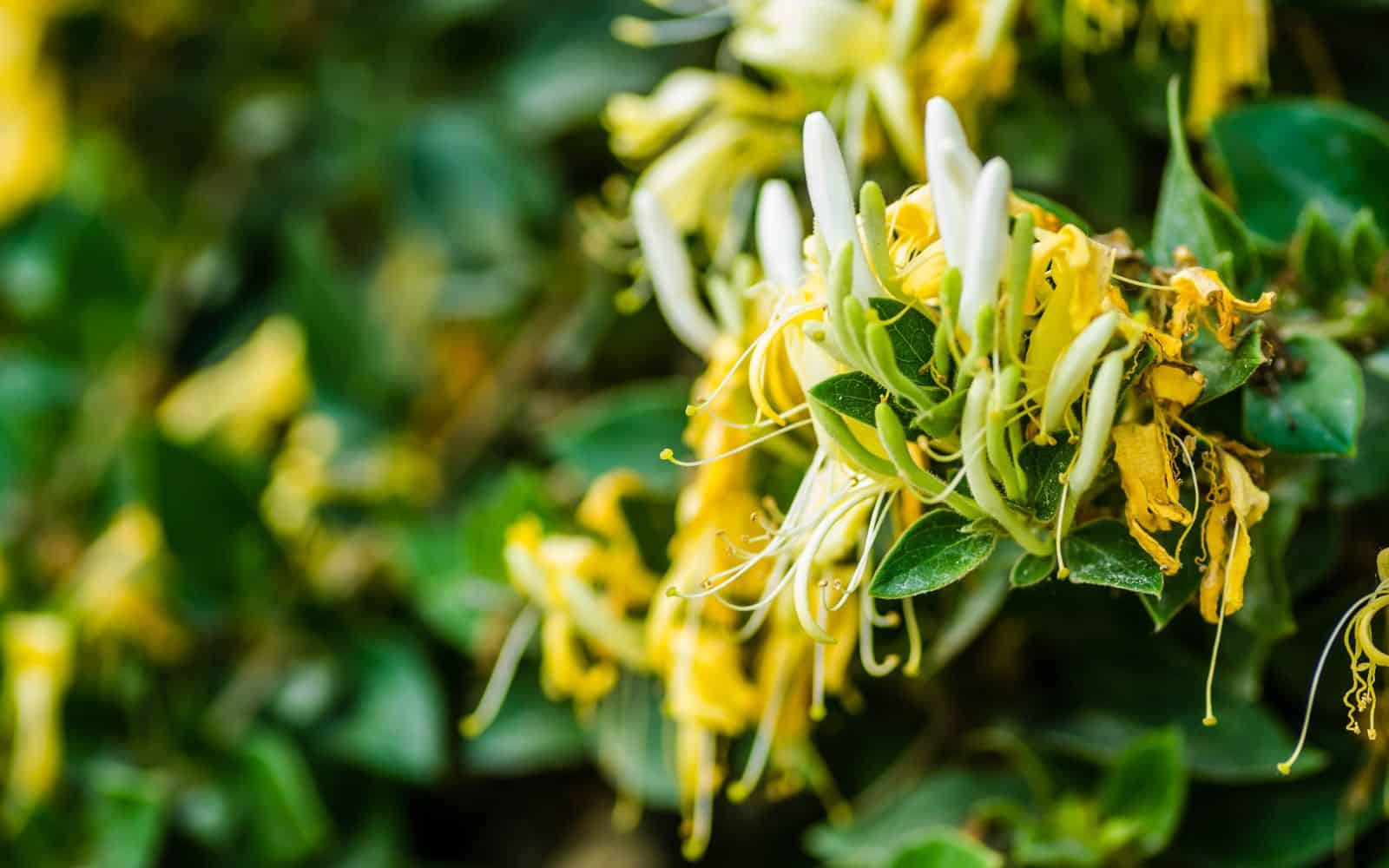
Japanese honeysuckle is a fragrant vine that many gardeners plant on trellises, but it quickly escapes cultivation and can smother trees, shrubs, and groundcovers. Its vines climb and girdle trunks, shading out native plants and reducing habitat quality for wildlife.
4. English Ivy (Hedera helix)
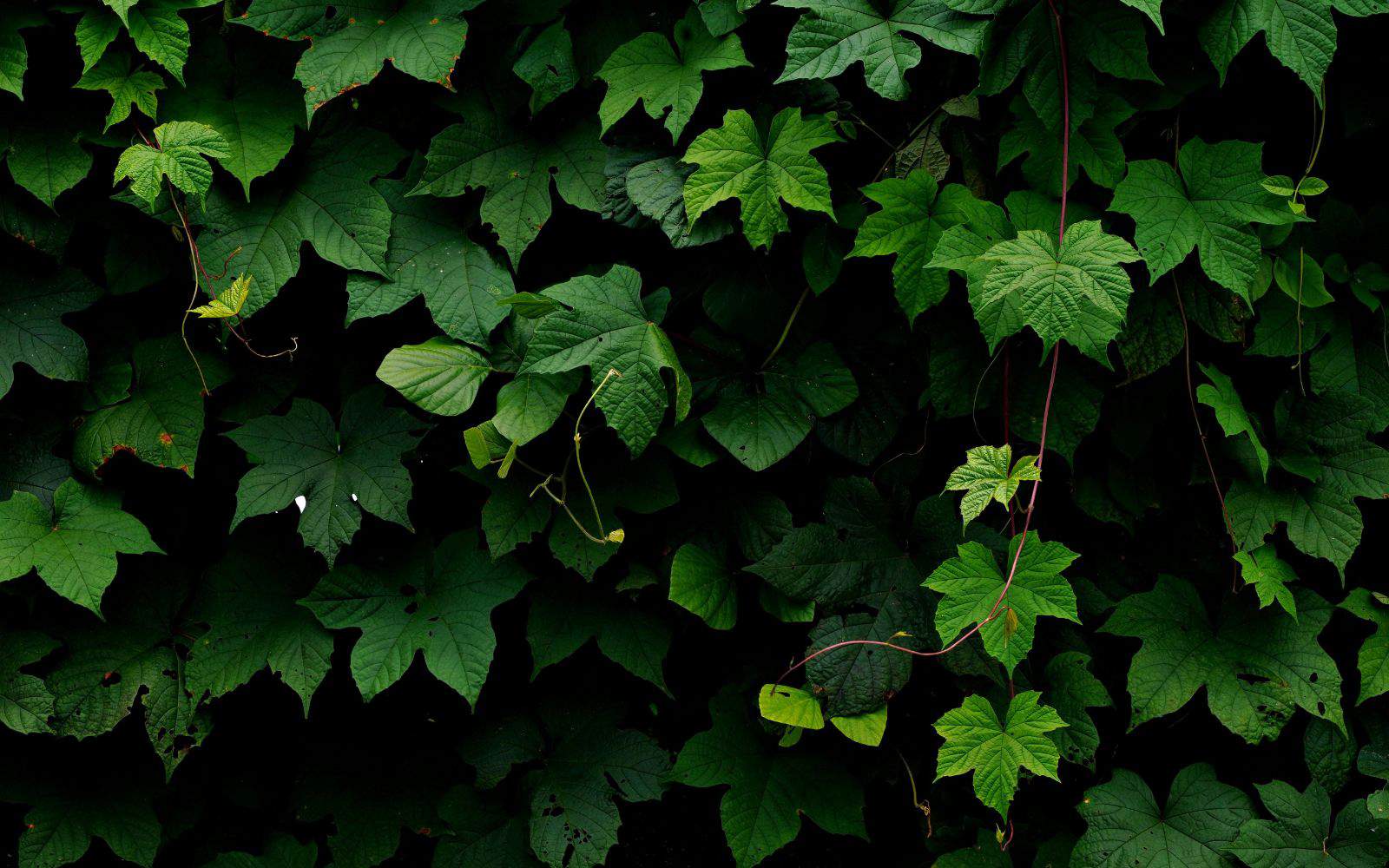
English ivy is marketed as an easy-to-grow evergreen groundcover, yet in many regions it is considered invasive because it invades woodlands and climbs tree trunks. Thick ivy mats can harbor pests, promote rot on tree bark, and are extremely hard to eradicate once they take hold.
5. Common Reed (Phragmites australis)
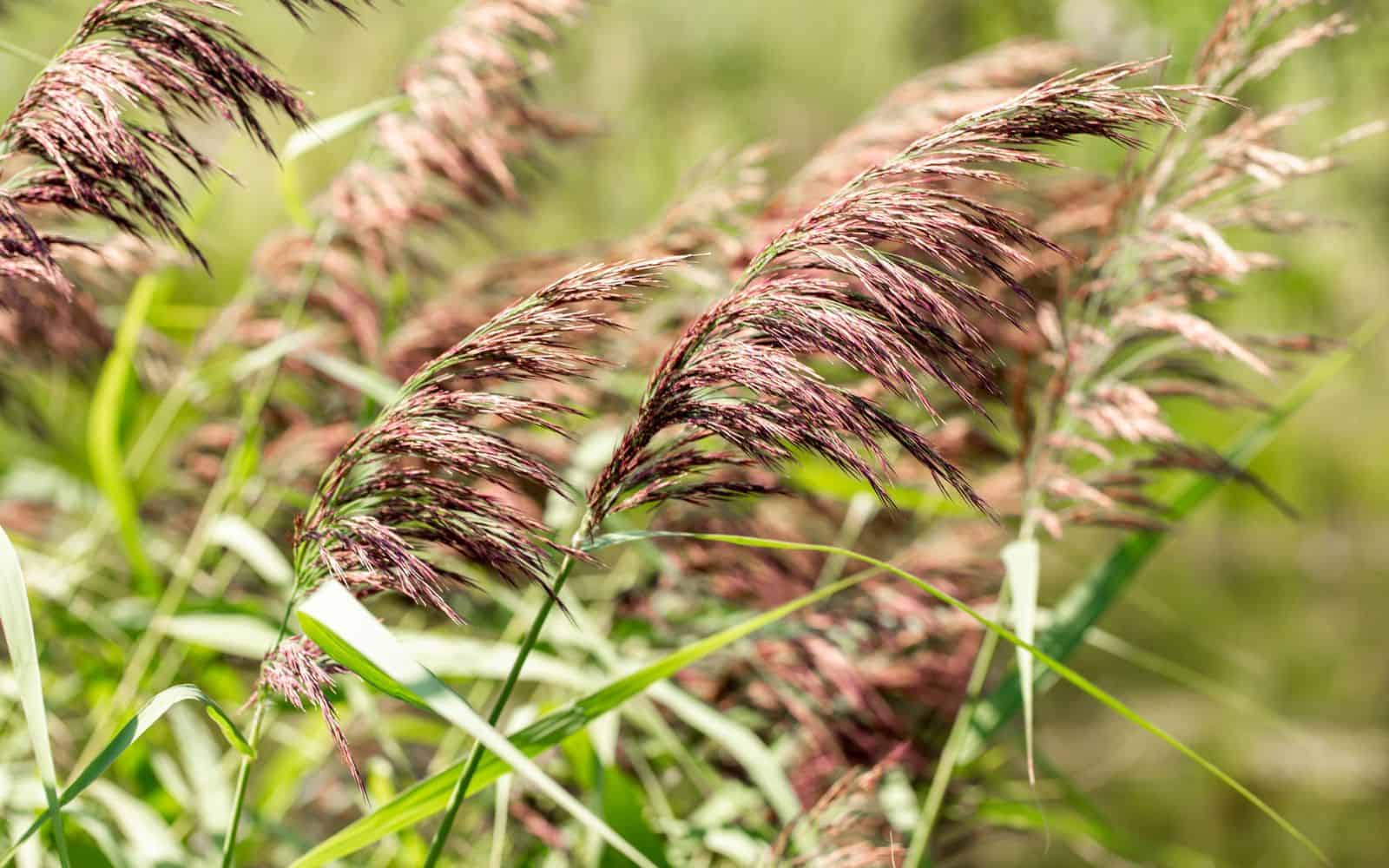
Non‑native common reed is a tall grass often seen in roadside ditches and wetlands, where it forms vast monocultures up to 14 feet tall in Massachusetts. Planting it or letting it spread from ornamental plantings can displace native wetland vegetation and reduce biodiversity.
6. Running Bamboo (various Phyllostachys species)
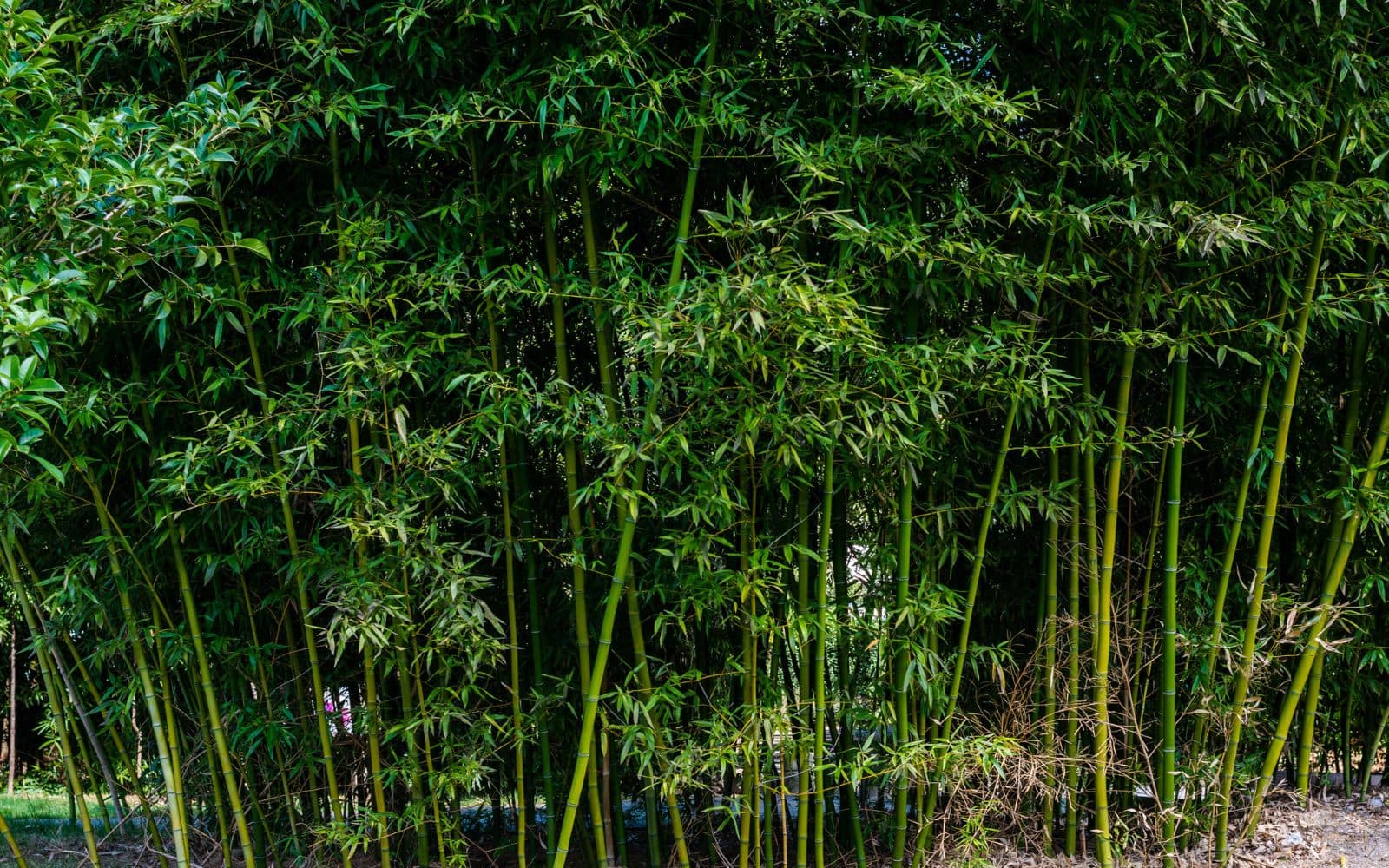
Running bamboos are sold as fast privacy screens, but their underground rhizomes can travel many feet per year and invade neighboring yards and natural areas. Once established, they often require trenching, repeated removal, or professional help to fully control them.
7. Monkshood (Aconitum)
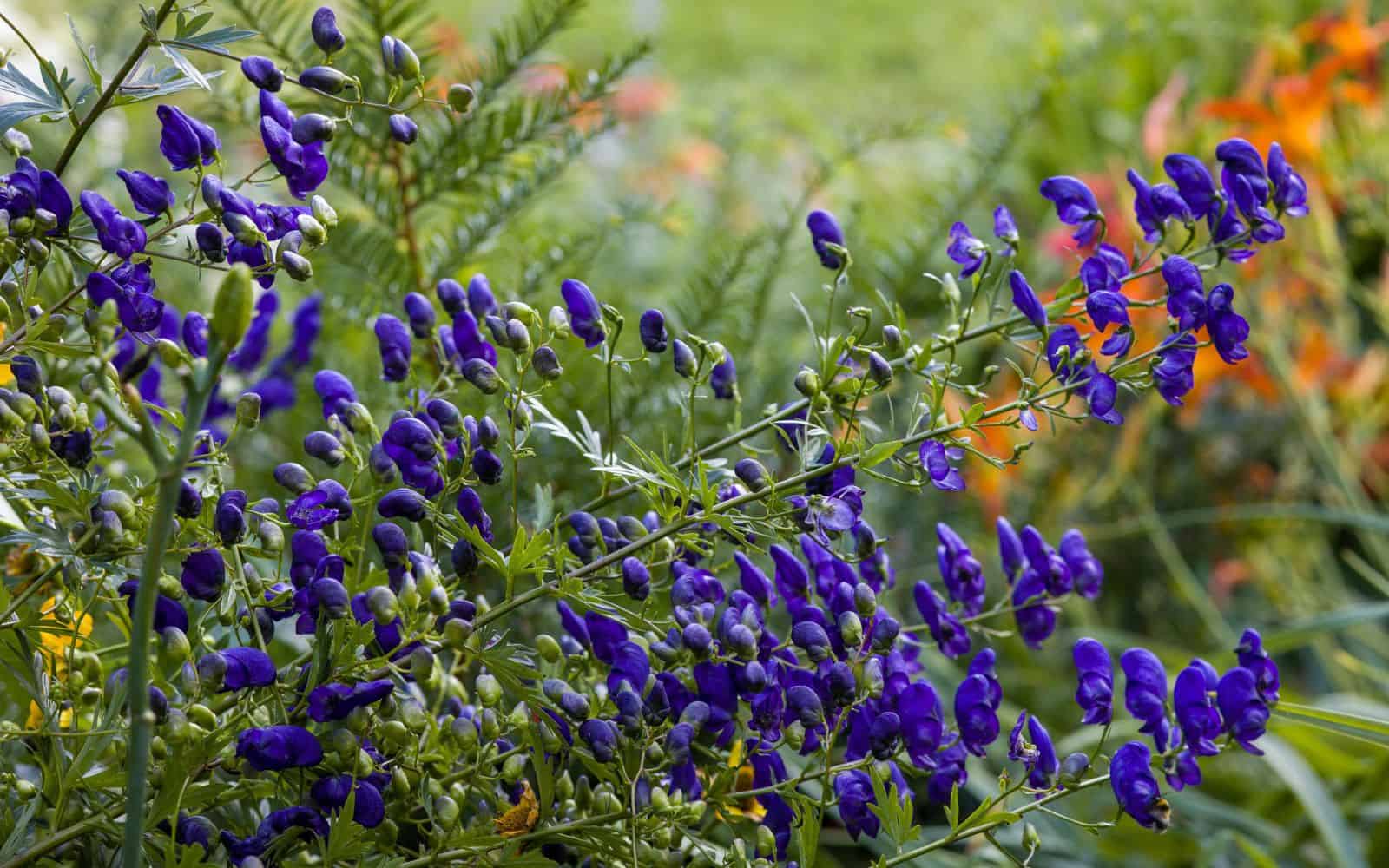
Stunning cottage‑garden spikes that hide a powerful neurotoxin; even small amounts can cause serious illness, and the sap may irritate skin, so it’s a risky choice for family gardens with kids or pets.
8. Giant Hogweed (Heracleum mantegazzianum)
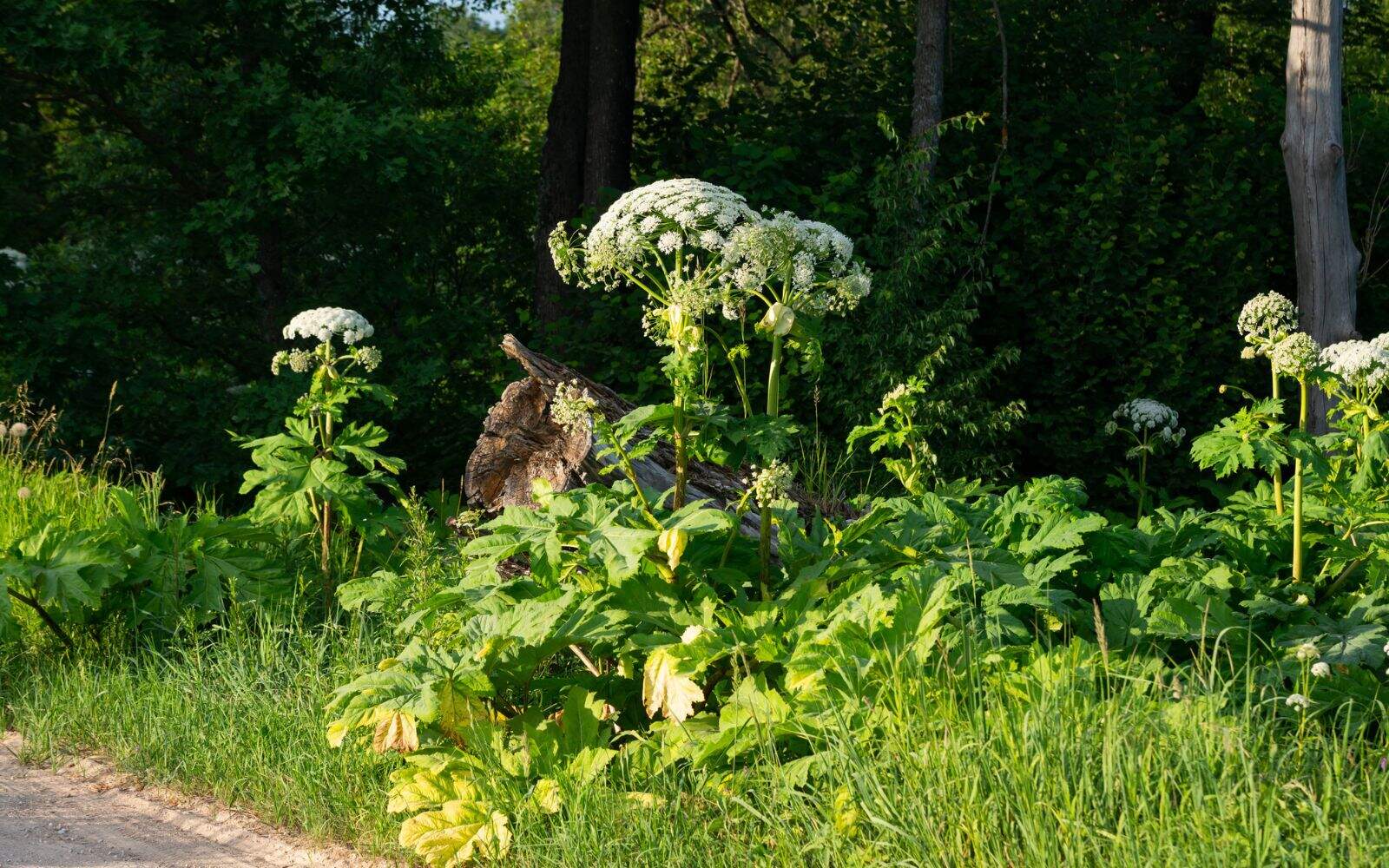
Giant hogweed is a towering member of the carrot family whose sap can cause severe burns and blistering when skin exposed to it is later hit by sunlight. Because it can be mistaken for other large wildflowers, gardeners should avoid planting look‑alikes and report suspected hogweed to local authorities.
9. Wild Parsnip (Pastinaca sativa)
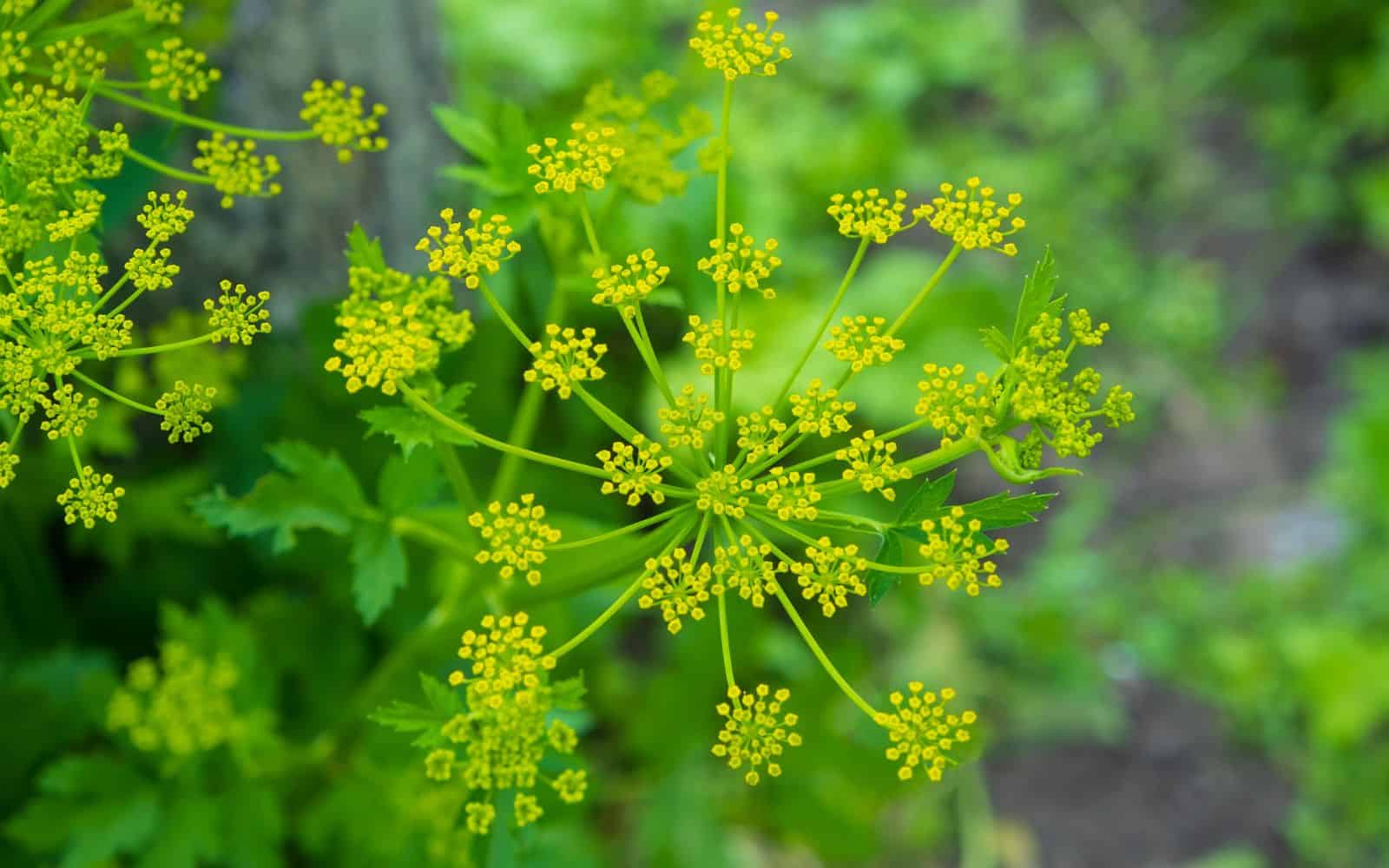
Wild parsnip, a weedy relative of the edible root, also contains chemicals that can cause painful, sun‑activated skin damage called phytophotodermatitis. Brushing against the foliage in shorts or short sleeves is often enough to set up a streaky, blistering rash a day or two later.
10. Euphorbias (spurges, various Euphorbia species)
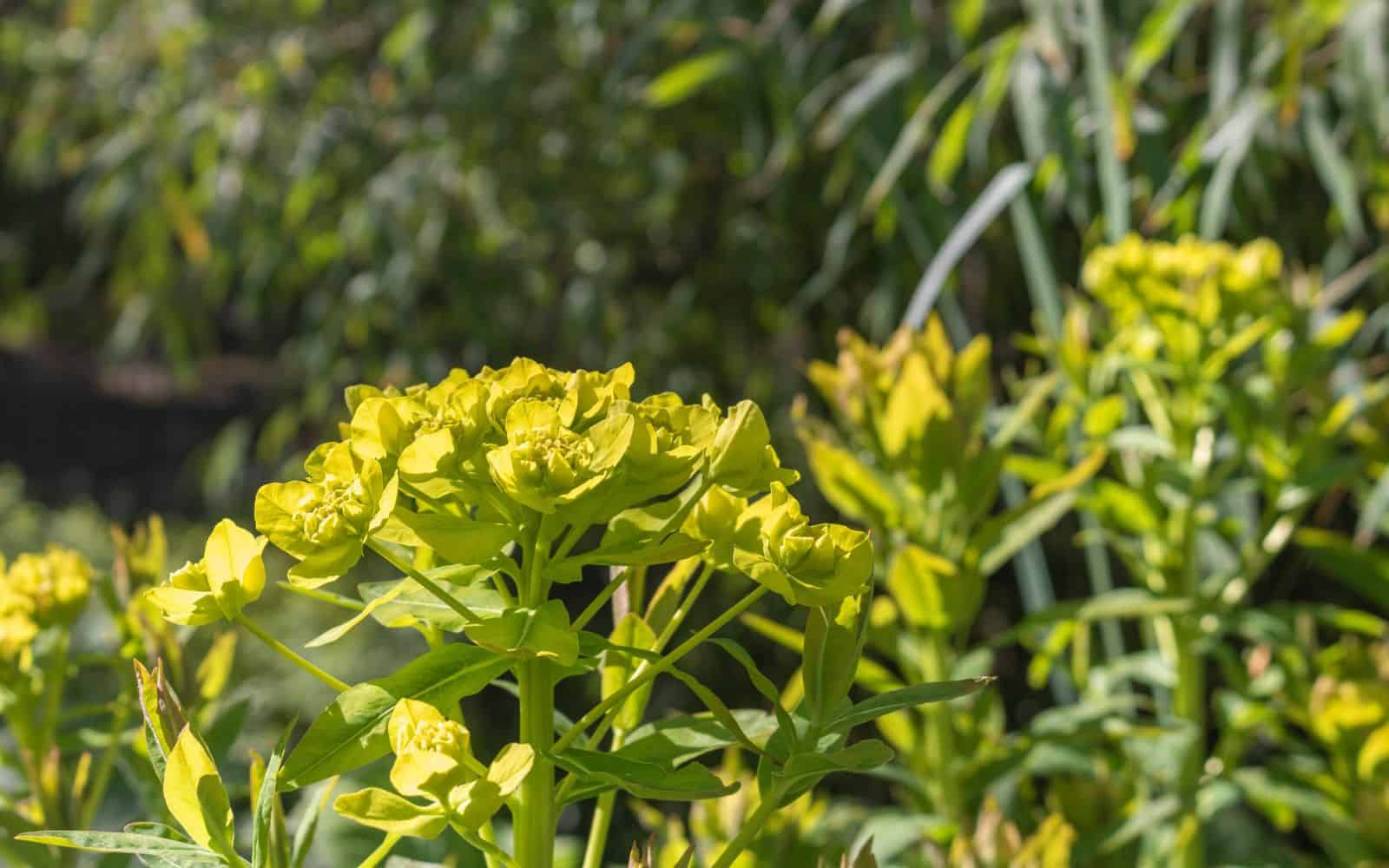
Many ornamental spurges have colorful foliage and tidy mounds, but their milky-white sap is highly irritating and can inflame the skin and eyes. Gardeners who prune or divide these plants without gloves often experience stinging, redness, or even blistering where the sap comes into contact.
11. Chrysanthemum (Chrysanthemum spp.)
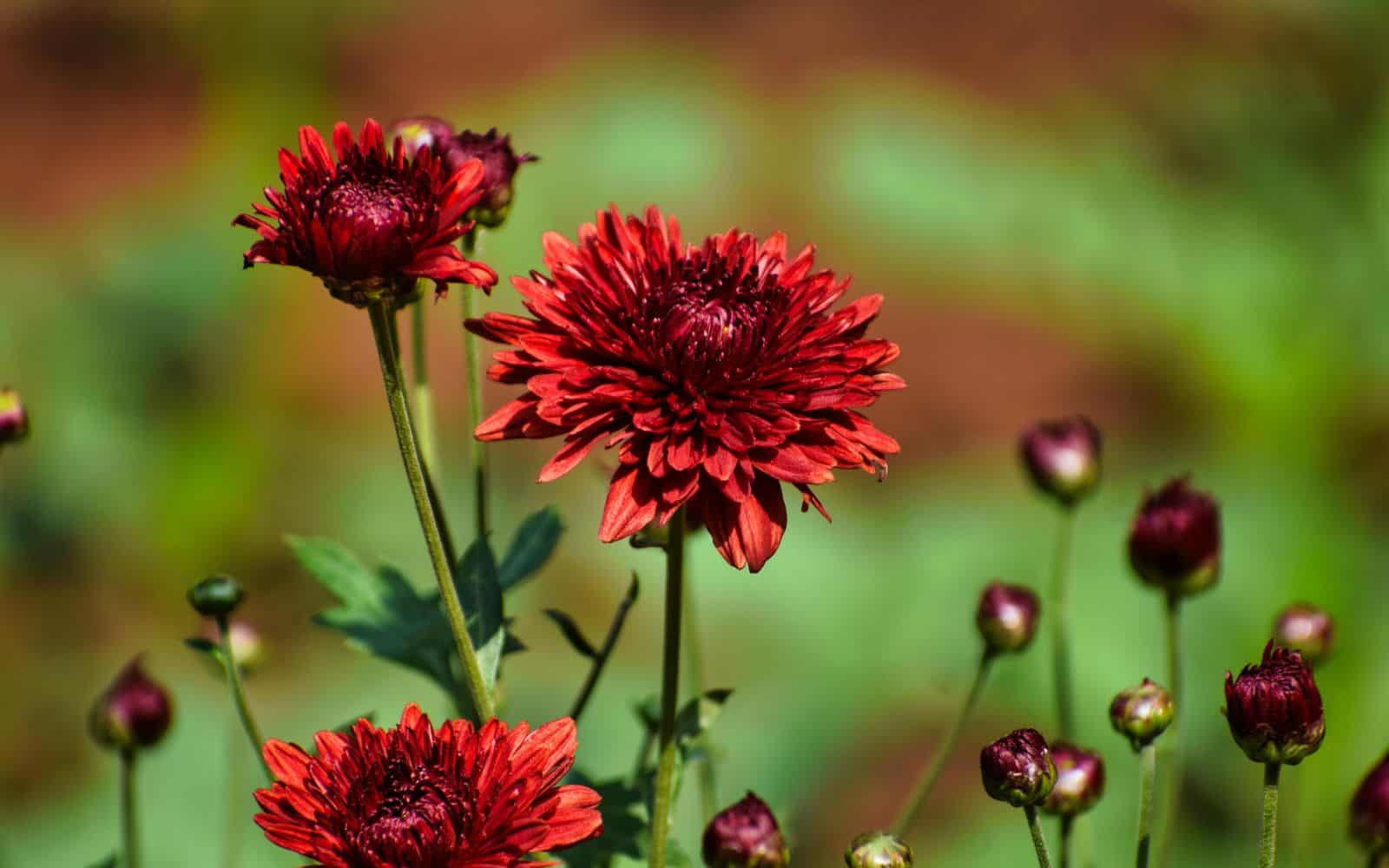
Chrysanthemums are fall staples, yet their sap contains compounds that can trigger allergic contact dermatitis and increased sensitivity to sunlight in some people. Repeated exposure, such as deadheading or cutting bouquets, can make reactions worse over time.
12. Angel’s Trumpet (Brugmansia and Datura species)
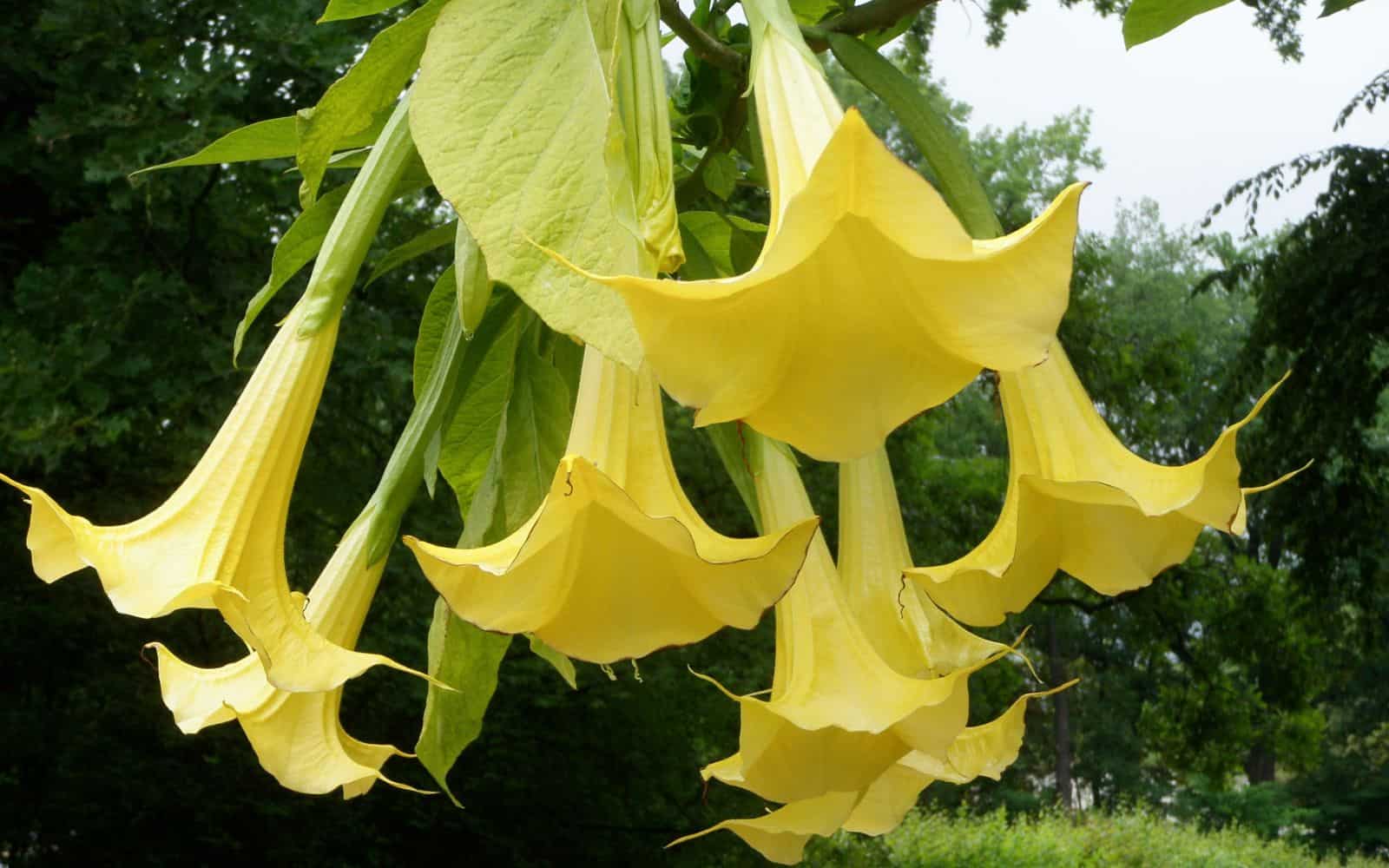
Angel’s trumpets have spectacular, fragrant flowers, but the entire plant and its seeds contain potent alkaloids that can be fatally poisonous if ingested. Even handling and pruning warrant gloves, and clippings should never be burned because the smoke is also toxic to inhale.
13. Oleander (Nerium oleander)
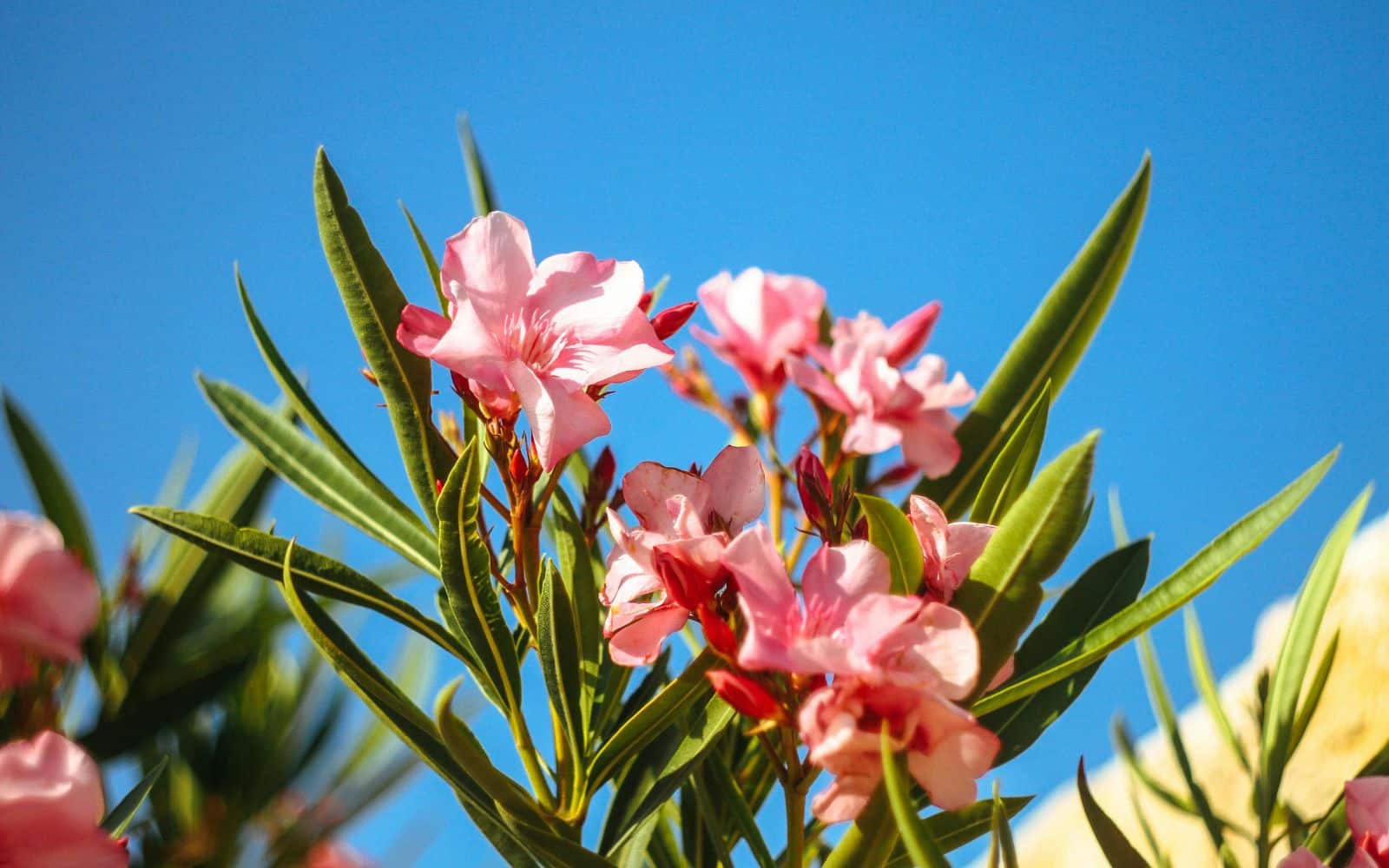
Oleander is a tough, flowering shrub common in warm climates, yet it is among the most poisonous garden plants because it contains cardiac glycosides that affect the heart. Ingesting leaves, flowers, or nectar can cause abnormal heart rhythms and, in some cases, sudden death in humans and pets.
14. Foxglove (Digitalis purpurea)
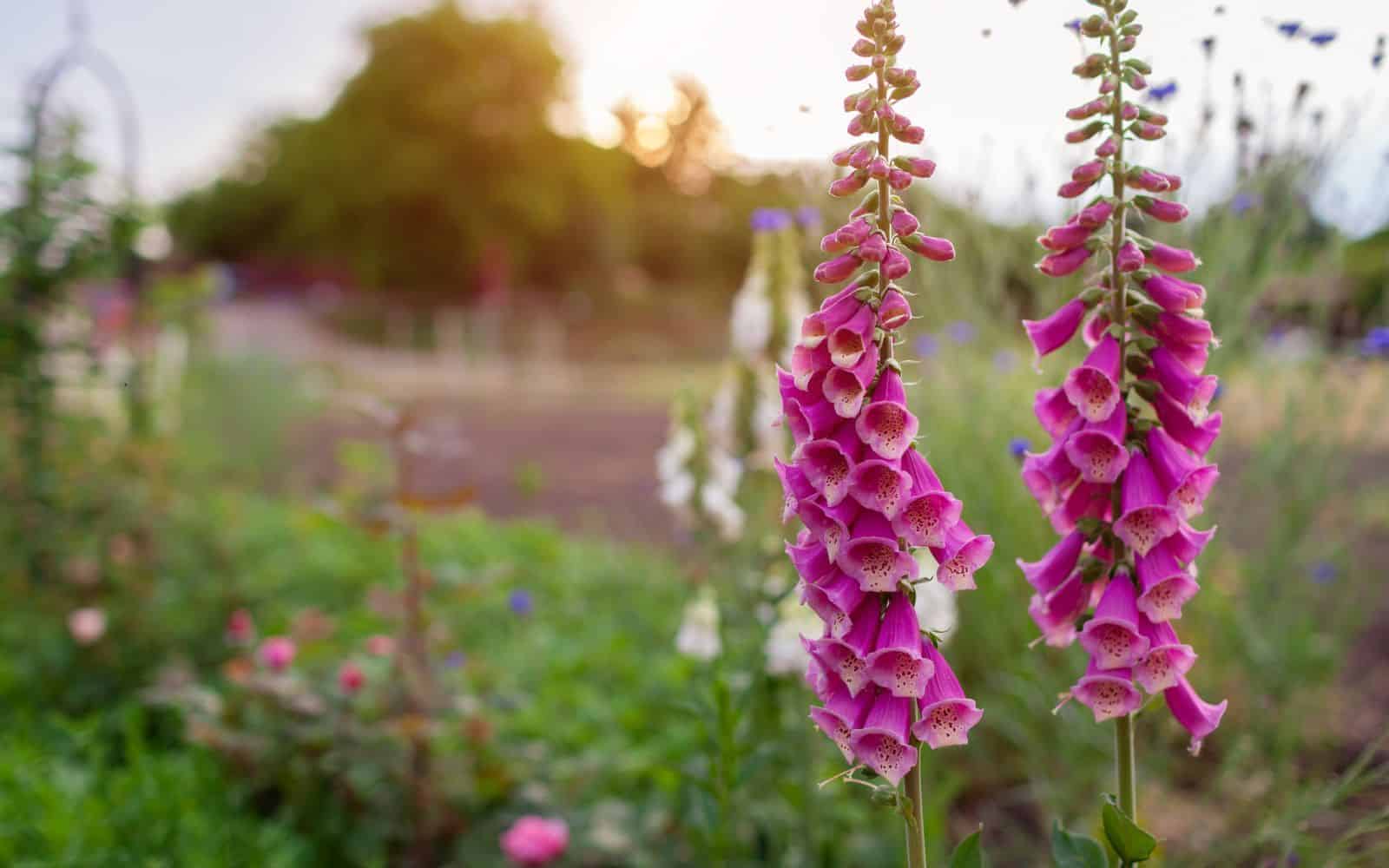
Foxglove’s tall spires and bell‑shaped blooms are cottage‑garden favorites, but they produce digitalis‑type compounds used in heart medications. Eating any part of the plant can lead to nausea, irregular heartbeat, and potentially life‑threatening cardiac issues, especially for children.
15. Castor Bean (Ricinus communis)
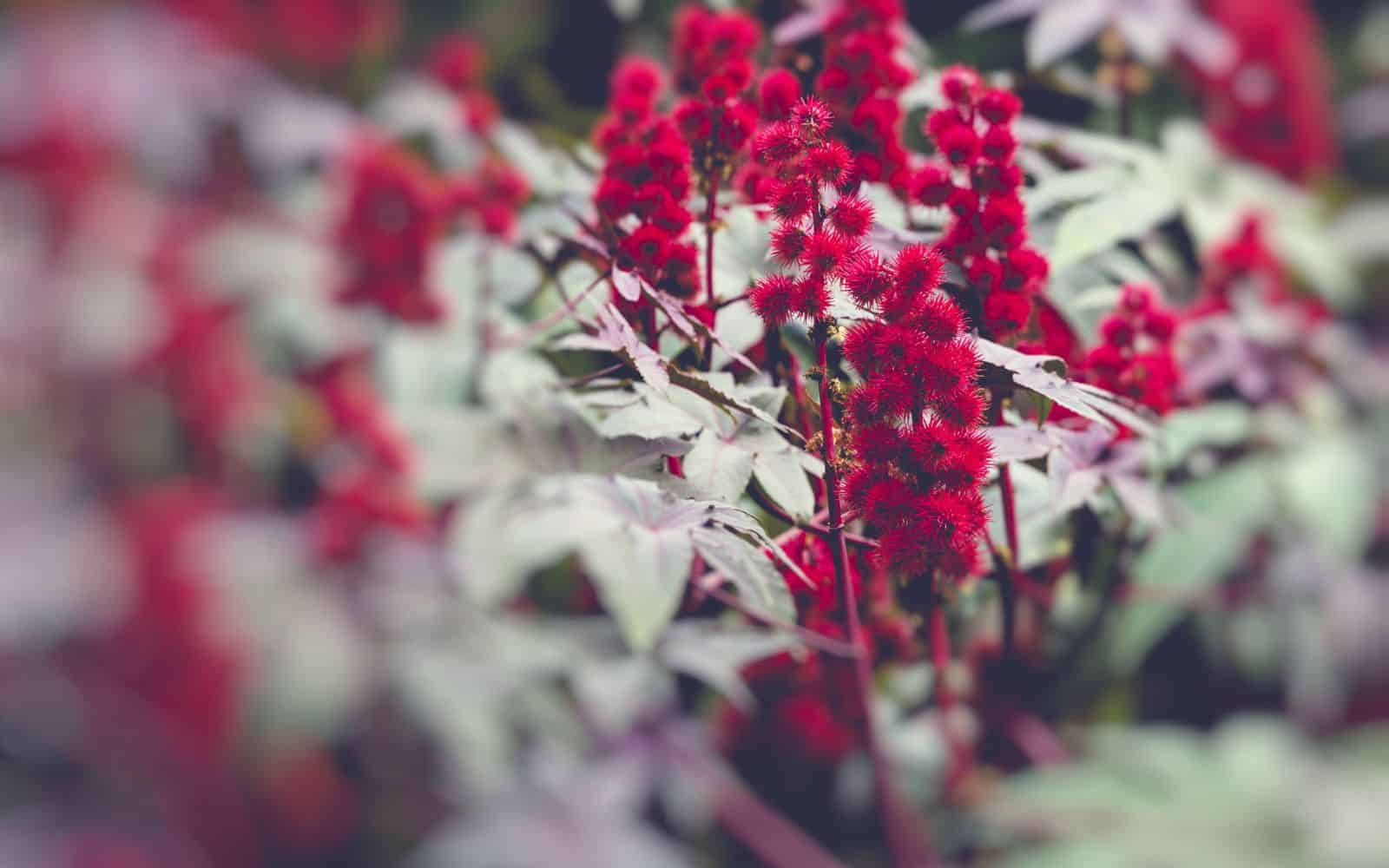
Castor bean plants lend a bold, tropical look, yet their large seeds contain ricin, one of the most notorious natural toxins. Swallowing even a few seeds can cause severe abdominal pain, vomiting, and in extreme cases organ failure and death in people and animals.
Safer Gardening Habits

To keep your garden welcoming, choose native or non‑invasive plants suited to your region and double‑check toxicity before buying unfamiliar ornamentals, especially if you have kids or pets. Wear gloves and long sleeves when handling sap‑rich plants or weeds, and contact your local extension office or poison control center if you suspect a dangerous plant is growing on your property.
Jumping Worms! The Worm That Is Taking Over Gardens Everywhere and How To Control Them In Yours
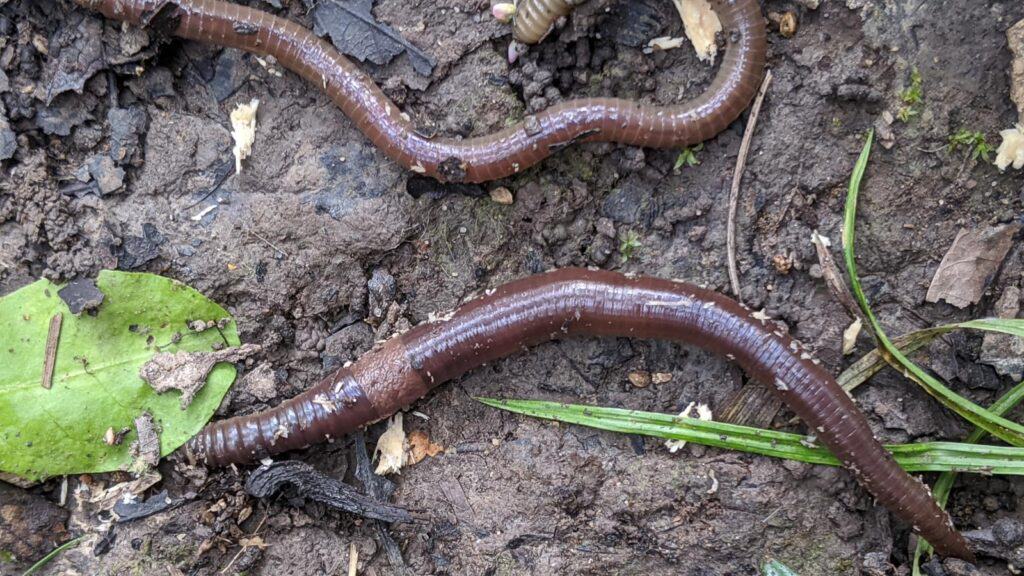
Asian jumping worms, scientifically known as Amynthas agrestis, are a group of invasive earthworms native to East Asia. They are also commonly referred to as crazy worms, snake worms, or Alabama jumpers. Unfortunately, they are now found in various parts of the world, including at least a dozen states in North America. They are highly invasive and damaging to the soil, and ecosystems in general. Here is what you need to know to identify them – and what you can do to minimize their impact.
READ: Jumping Worms! The Worm That Is Taking Over Gardens Everywhere and How To Control Them In Yours