15 Pennsylvania cities to avoid buying properties
As Pennsylvania’s housing market heats up in 2026, some cities are flashing warning signs that investors cannot afford to ignore.
Pennsylvania offers some incredible history and beautiful countryside, but not every location is a smart bet for your property portfolio. While some areas are booming with culture and growth, others are struggling with economic stagnation and safety issues that make them risky investments. If you are looking for a stable home or a rental with good returns, you might want to look elsewhere.
Finding the right spot requires digging into the data rather than just looking at the price tag of a house. Many of these towns have faced industrial decline that has left behind high unemployment and shrinking populations that drive down property values. It is smart to look at the long-term trends before you commit your hard-earned cash to a fixer-upper in these areas.
Chester
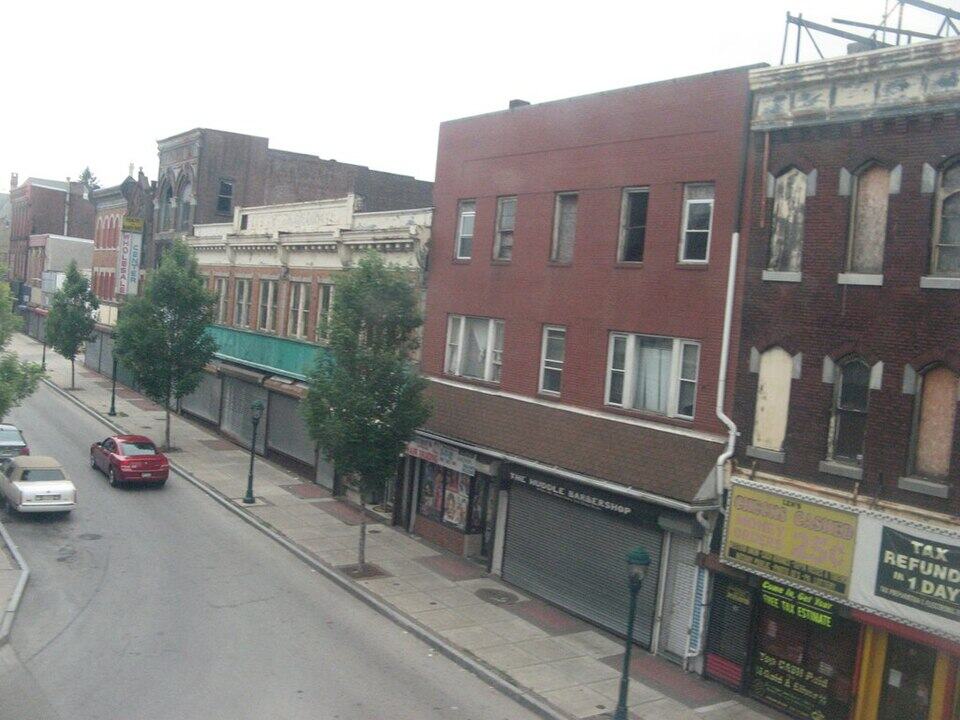
This city constantly struggles with safety issues that make it a very difficult place for new buyers to settle down. The local economy has been depressed for years, leading to a lack of amenities and services that most homeowners expect to find. According to recent 2026 Reolink estimates, Chester leads the state with 16.4 violent crimes per 1,000 residents, which is a major red flag for families.
Property taxes here are notoriously high compared to the value you get, which eats into any potential profit from renting or reselling. The schools and infrastructure have also suffered due to a shrinking tax base, creating a cycle that is hard to break. You would be better off looking at suburbs further out, where safety and community services are more stable.
McKeesport
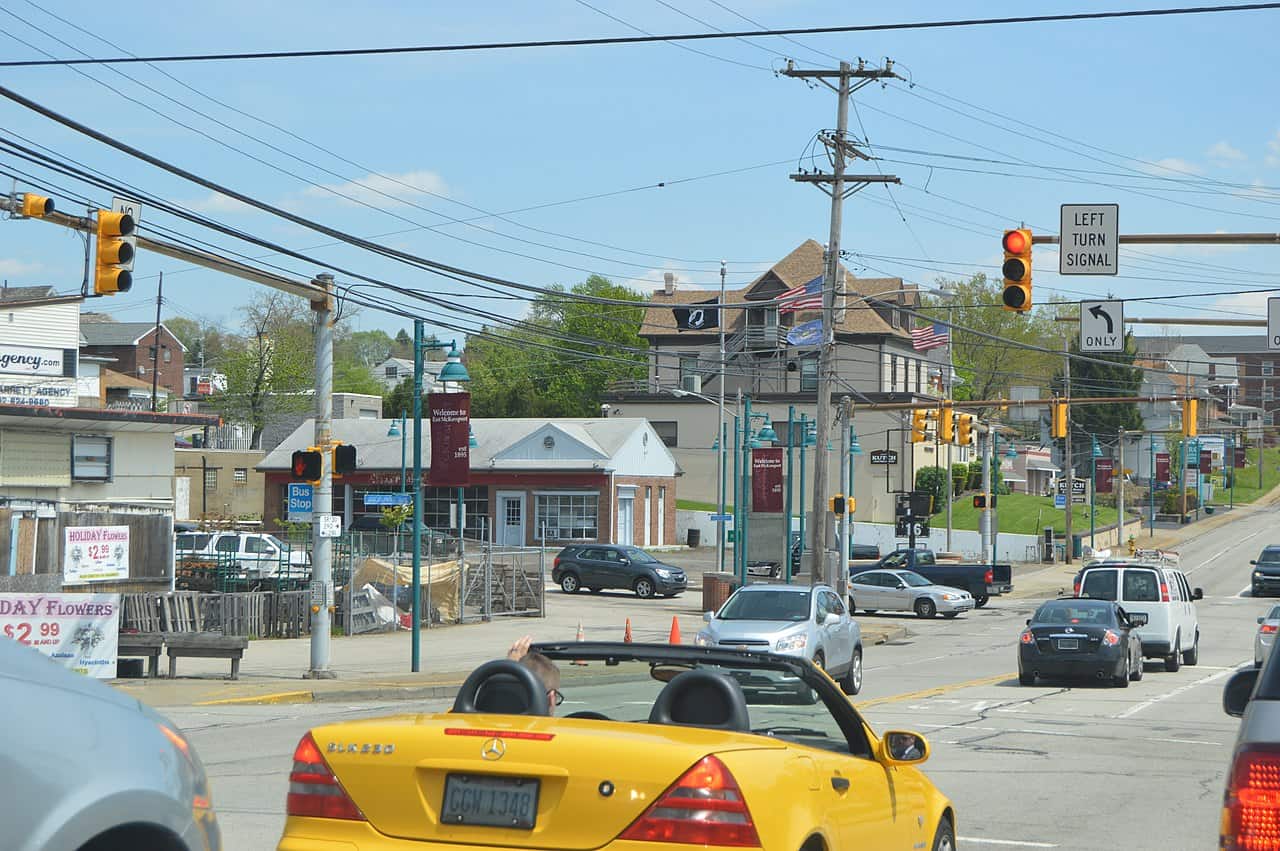
Once a bustling steel town, this area has faced a hard road since the mills closed down decades ago. Many homes here are aging and require significant repairs that often cost more than the structure is actually worth in the current market.
Investing here is often a gamble because the population continues to drift away to areas with better opportunities. You might find a very cheap house, but finding a reliable tenant or a buyer later on can be a massive headache. The abundance of vacant properties drags down the appeal of the entire neighborhood for prospective newcomers.
Johnstown
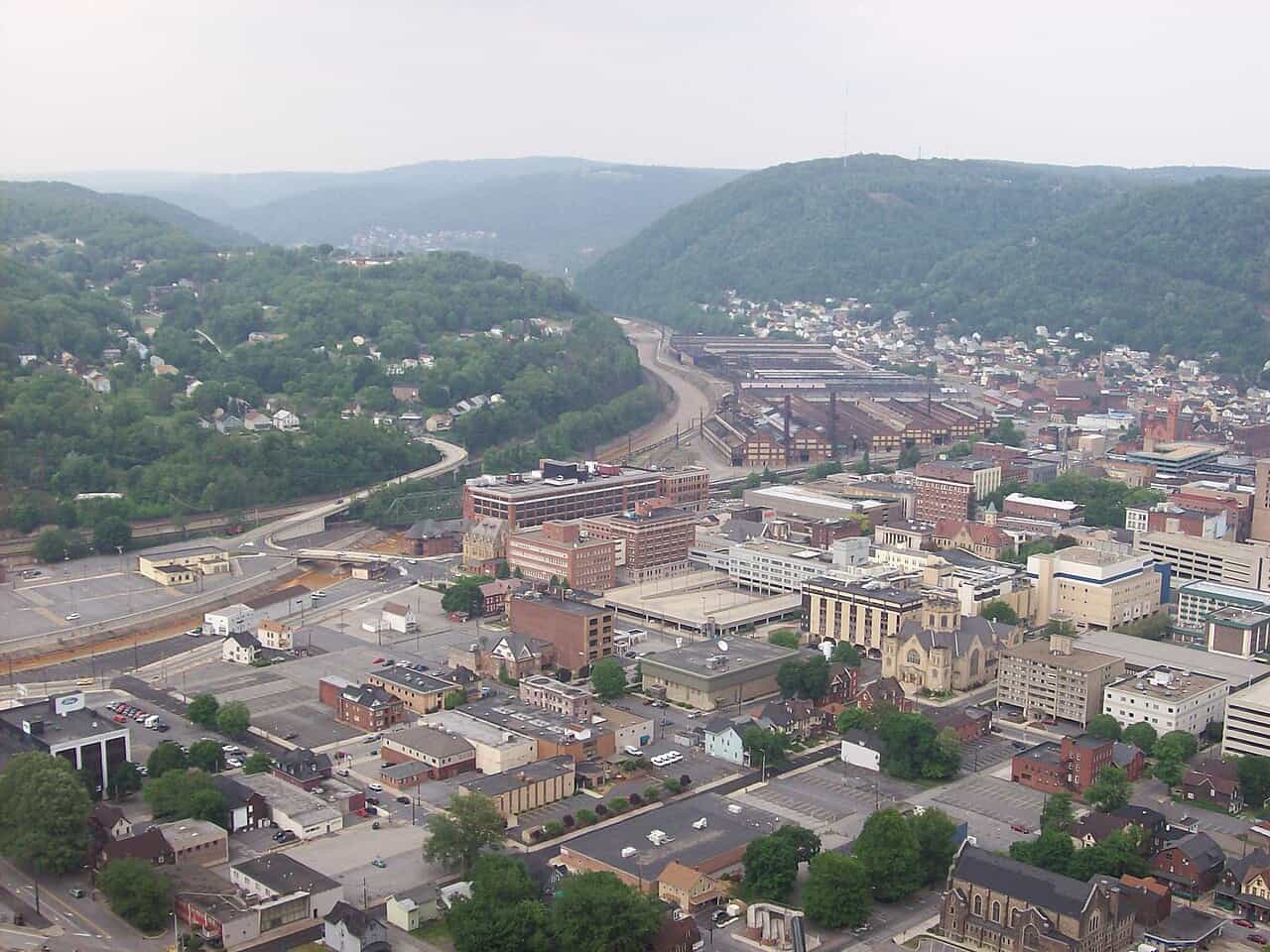
Floods have historically plagued this town, but the economic drought is what worries investors the most today. The population has been steadily dropping as young people leave to find work in larger cities like Pittsburgh or out of state. The poverty rate stands at a staggering 31.9% based on recent Census data, highlighting the severe financial struggles of the community.
Buying a home here means investing in a market where appreciation is almost non-existent, and liquidity is very low. It is heartbreaking to see the beautiful old architecture crumble, but the financial risk is simply too high for most people. Unless you have a specific connection to the area, it is difficult to justify sinking money into real estate here.
New Castle
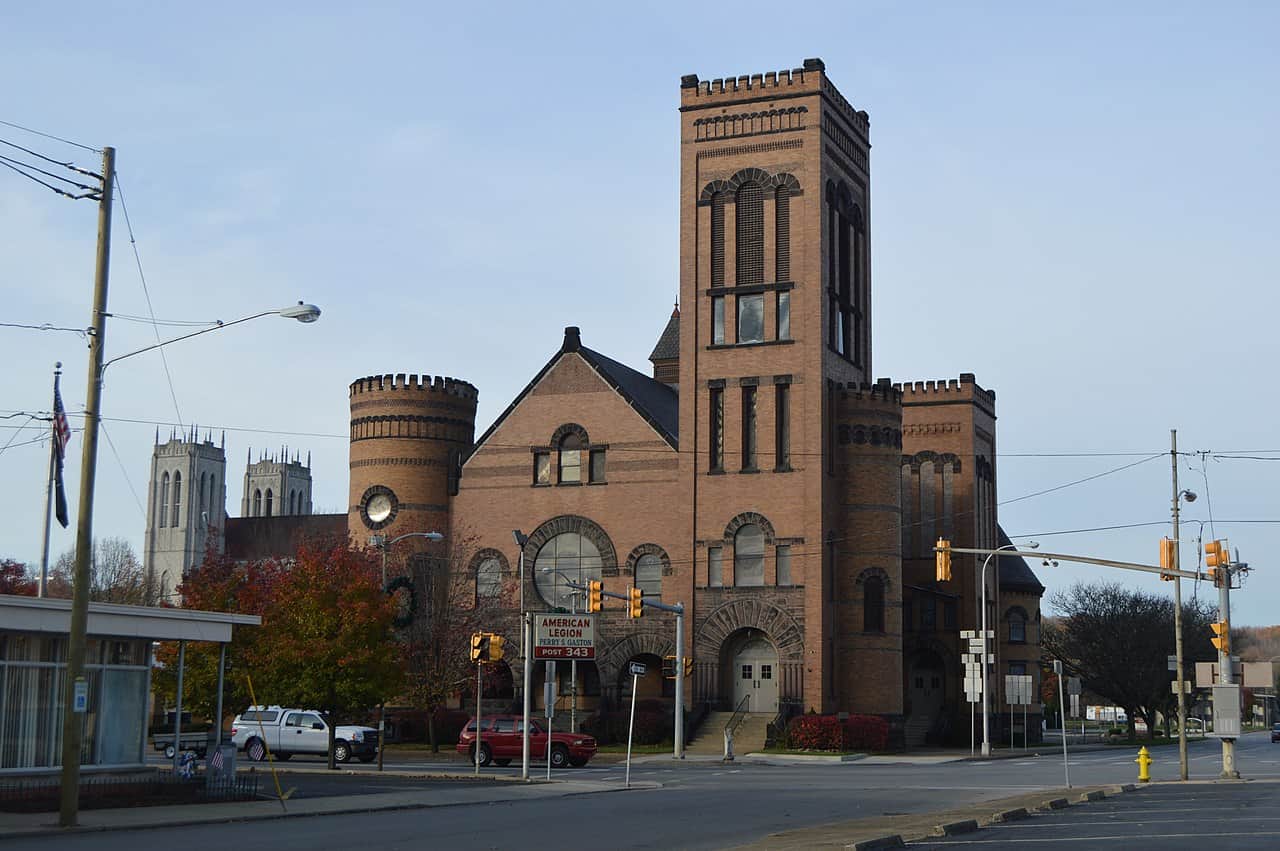
This town is another example of a Rust Belt community that has yet to find its new identity in the modern economy. The cost of living is low, but that is largely because the demand for housing is incredibly weak. The population dropped by 2.7% between 2020 and 2024, continuing a long trend of residents packing up and moving away.
High municipal fees and a lack of new business development make it hard for the city to bounce back. You might be tempted by the extremely low listing prices, but the holding costs can surprise you. Smart investors usually avoid markets with a shrinking customer base and declining infrastructure.
Reading
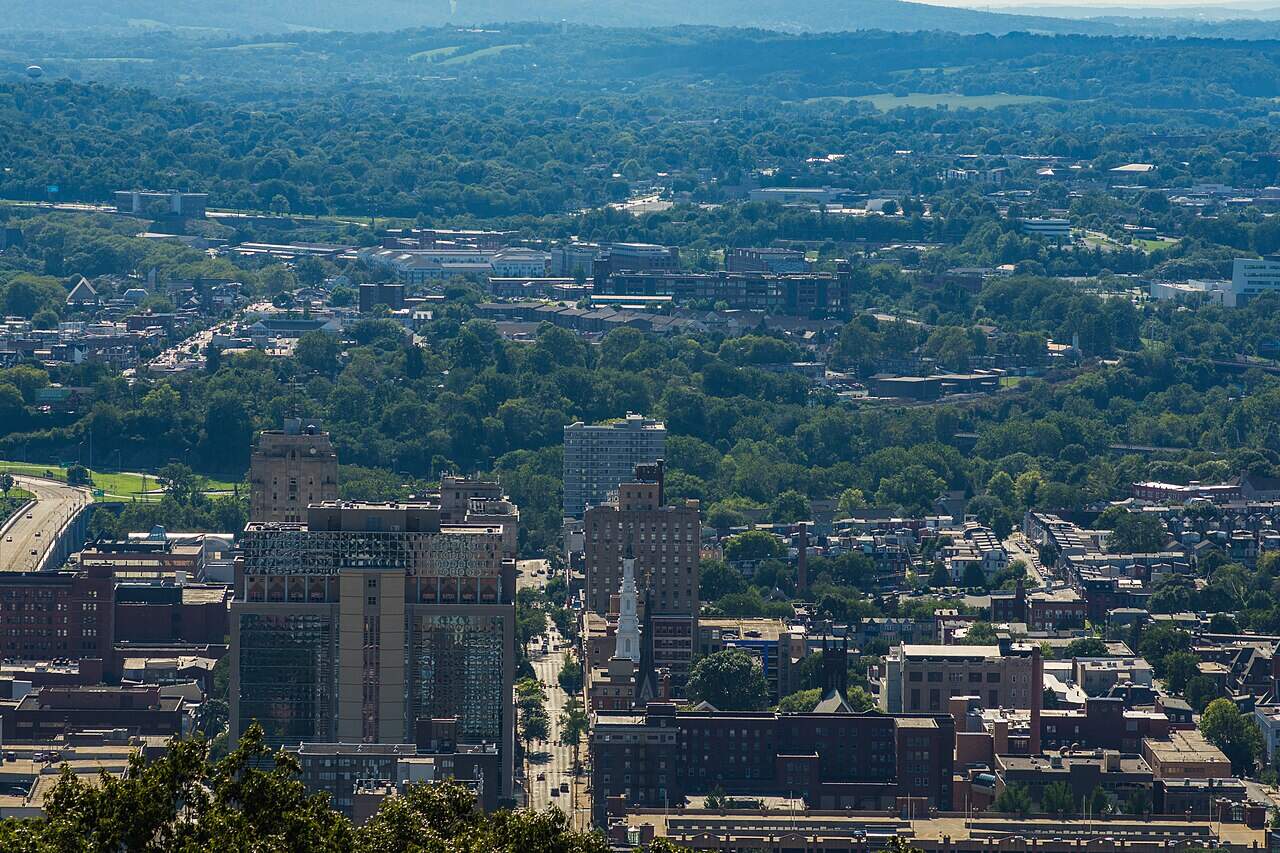
Reading has a vibrant culture, but it also faces significant hurdles regarding crime and economic hardship. The city has struggled to provide adequate resources for its schools and public safety departments for quite some time. Roughly one-third of school-aged children in the district live in poverty, which speaks volumes about the challenges families face here.
The housing stock is often older and densely packed, which can lead to higher maintenance costs and neighbor disputes. While there are efforts to revitalize downtown, the residential areas still carry a lot of risk. You should be very cautious and do heavy research before signing any deed in this particular zip code.
Wilkinsburg
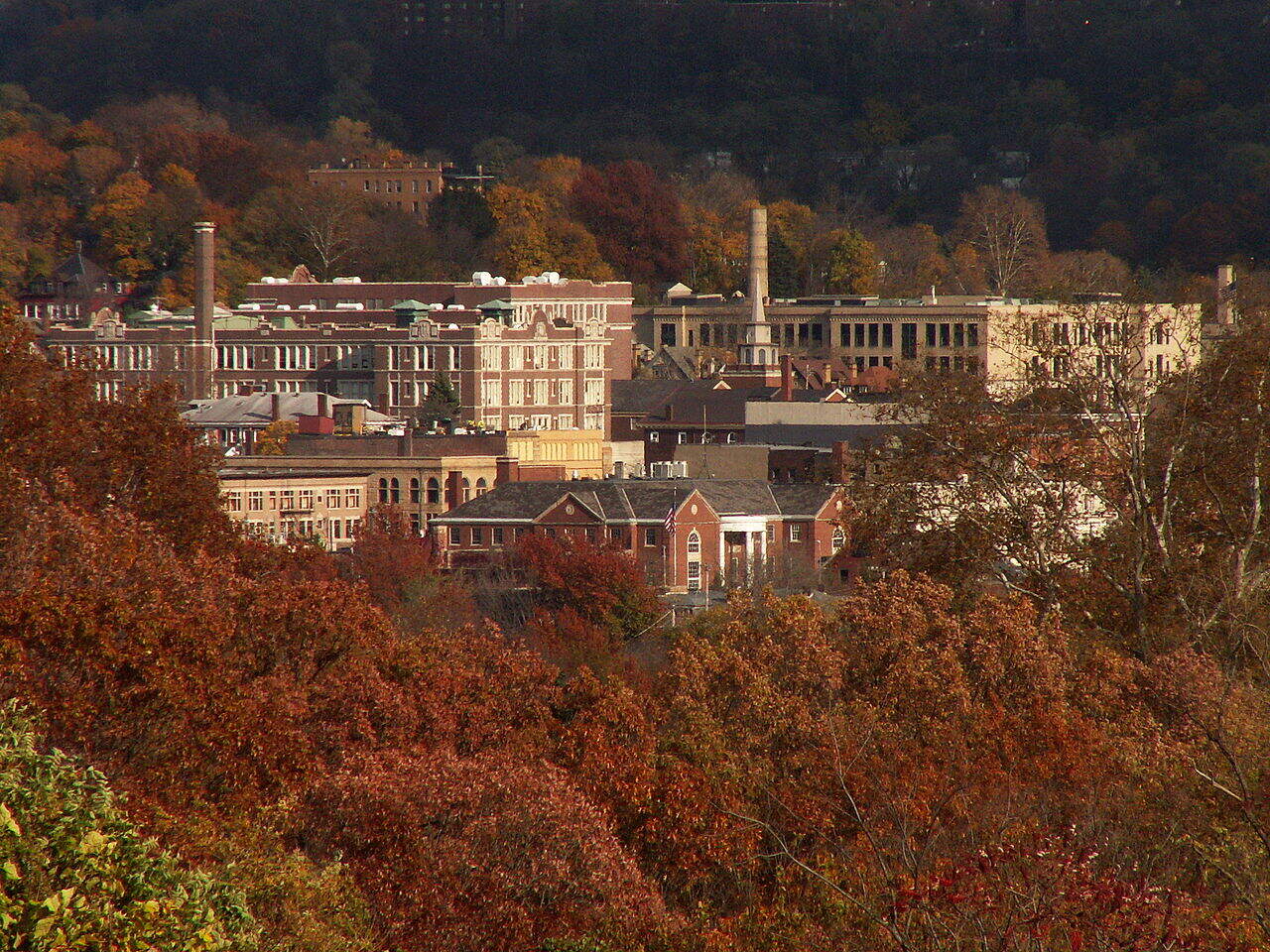
Located just outside Pittsburgh, this borough has one of the highest tax rates in the entire region. The tax burden alone is enough to scare off many potential buyers who realize their monthly payments will be sky-high. Many investors avoid this area because the taxes can sometimes exceed the mortgage payment on a modest property.
Blight is a serious concern here, with many abandoned homes lining the streets and affecting the values of well-kept neighbors. Although there is some spillover interest from the city, it has not been enough to turn the tide fully. You are likely to find better value and lower ongoing costs in the municipalities just a few miles away.
Aliquippa
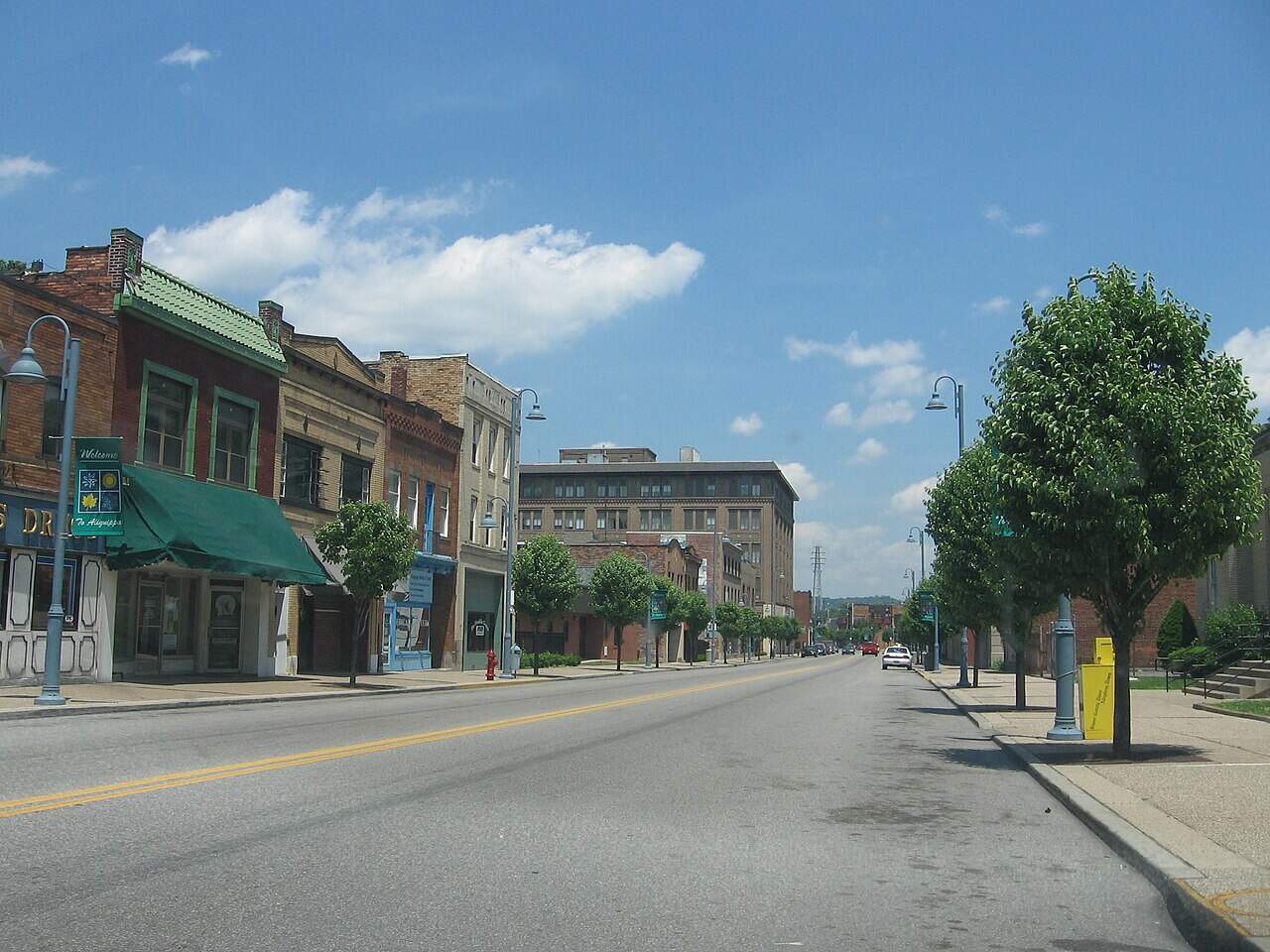
This city has a deep history with the steel industry, but it has struggled mightily to recover after the economic shifts of the late 20th century. The tax structure is currently very unfavorable for property owners, making it expensive to hold onto land. The local government has faced financial distress that often leads to cuts in essential services for residents.
Crime and a lack of local jobs keep property values stagnant, meaning you won’t build equity very fast. It is a tough environment for landlords because the pool of qualified tenants is relatively small. Most financial advisors would tell you to put your money into a market with positive growth indicators instead.
Darby
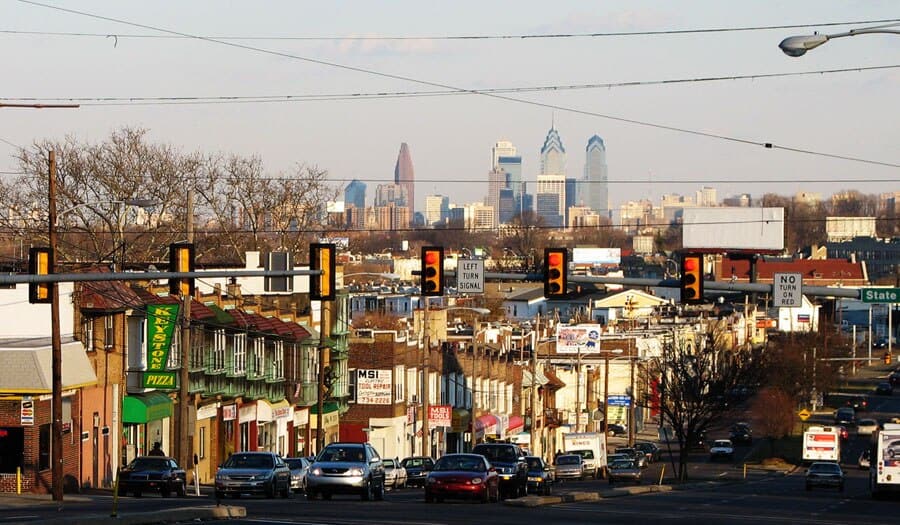
Darby is located very close to Philadelphia, but it faces many of the same urban challenges without the same level of investment. The streets can be congested, and parking is often a nightmare for residents who own cars. The violent crime rate 403 here is significantly higher than the national average, which keeps property insurance premiums expensive.
The housing market is sluggish, and homes often sit on the listing services for a long time before selling. It can be a trap for out-of-town investors who see the proximity to the big city but don’t understand the local dynamics. You might struggle to see a return on your investment due to the high transfer taxes and slow appreciation.
Harrisburg
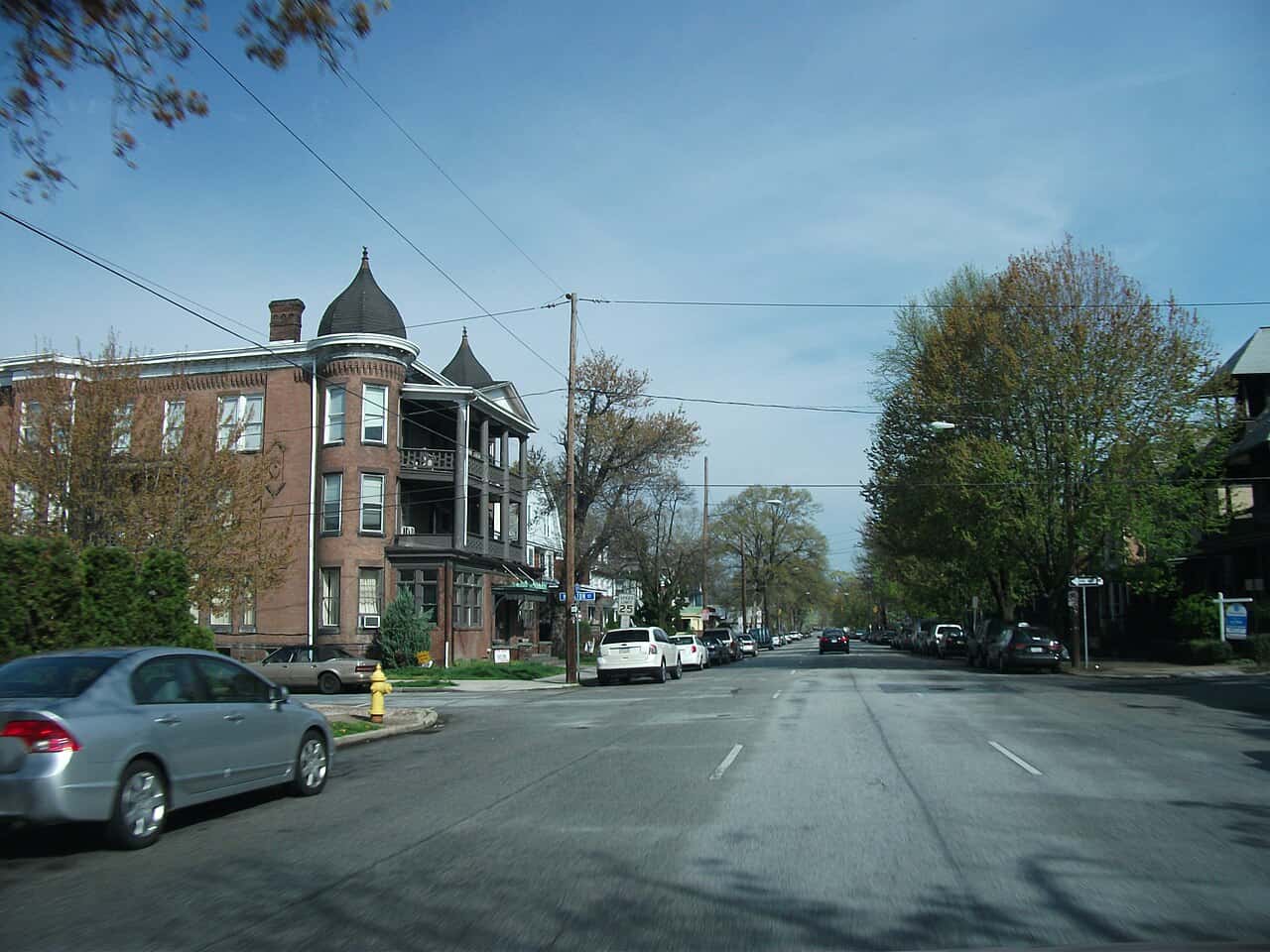
While it is the state capital, certain neighborhoods in Harrisburg face serious issues with safety and blight. The Allison Hill area, in particular, often appears in reports regarding high crime and distressed properties. You need to be extremely selective here because the difference between a safe street and a dangerous one can be just one block.
The city has dealt with municipal bankruptcy issues in the past that still linger in the form of high taxes and fees. Investors often find that the numbers just don’t add up when you factor in the risk of vacancy and vandalism. It is safer to look at the surrounding suburbs where the school ratings and property values are much more consistent.
York
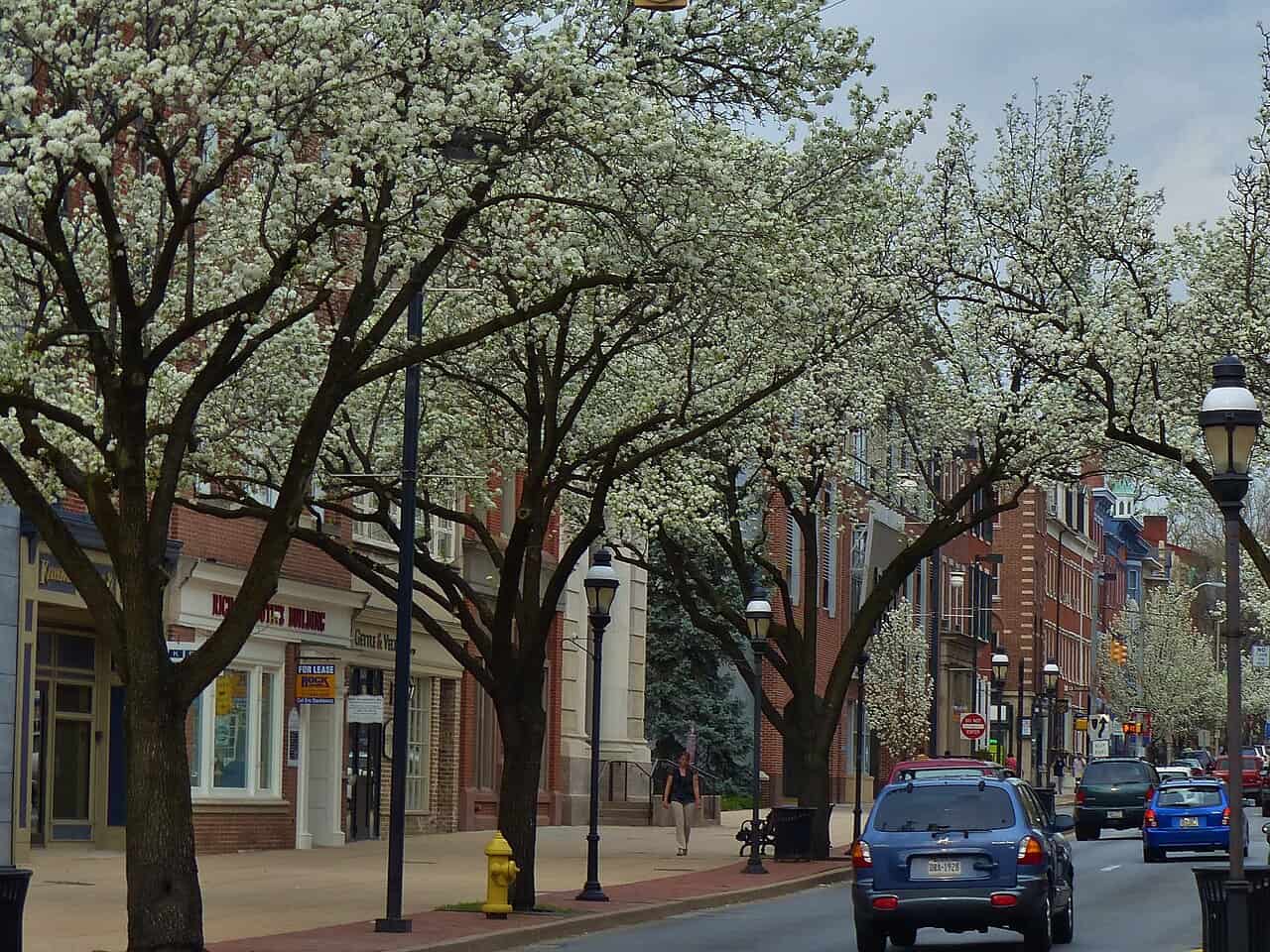
York has a charming historic downtown, but the crime statistics in the surrounding blocks can be alarming for newcomers. Property theft and vandalism are common complaints from landlords who try to maintain rentals in the city. Reolink data indicates the city deals with about 8.9 violent crimes per 1,000 people, which is high for a town of its size.
The tax burden is also quite heavy compared to the services provided, pushing many families to the county’s suburbs. It can be difficult to find tenants who want to stay long-term, given the safety concerns in the evenings. Capital appreciation is very slow here, so do not expect to flip a house for a quick profit.
Wilkes-Barre
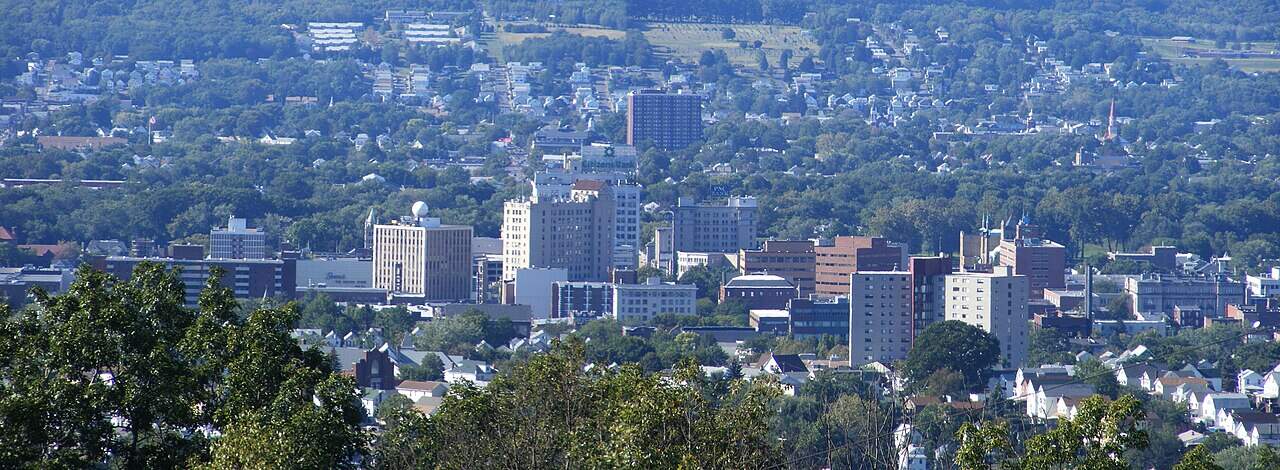
This city in the Wyoming Valley has fought hard against the opioid crisis, which has impacted many neighborhoods. The struggle with substance abuse in the community has led to higher rates of property crime and vagrancy. It creates an unpredictable environment for property owners who worry about the security of their investments.
Economic growth has been flat, and few major employers are moving in to replace the old industries. The housing stock is old, often requiring expensive updates to plumbing and electrical systems. You are better off investing in a region with a more diversified economy and a growing young population.
Scranton

Famous for its pop culture references, the real Scranton faces gritty challenges with infrastructure and an aging demographic. The city taxes are notoriously high, which suppresses the value of homes and scares away business investment. You will find that the high cost of ownership eats away at your cash flow very quickly.
While there is a strong sense of community, the financial metrics often don’t make sense for a pure investment play. The rental market is not as robust as you might think, given the lack of high-paying jobs. Unless you love the nostalgia, your money can work much harder for you in a different Pennsylvania county.
Allentown
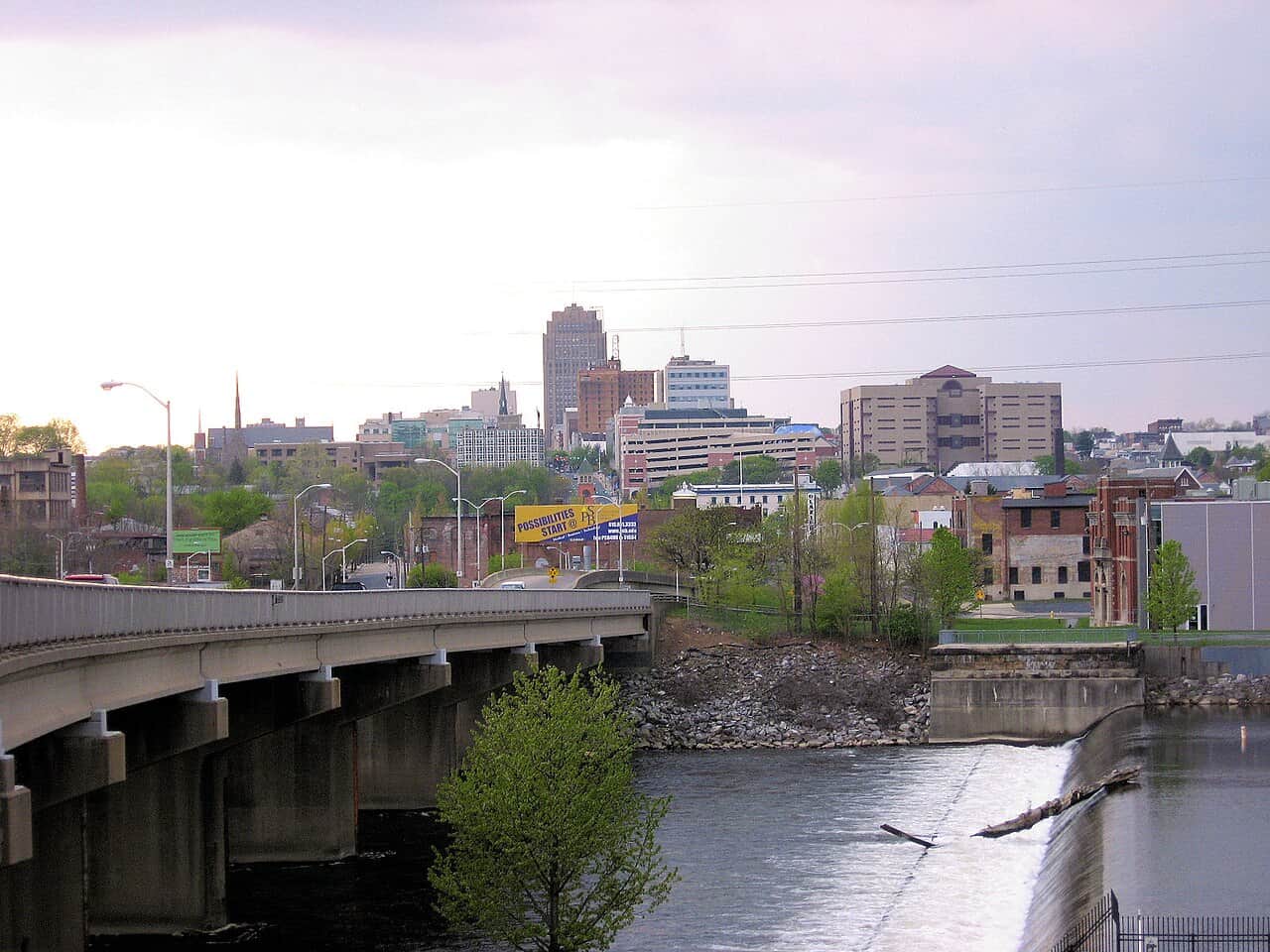
Allentown is trying to reinvent itself, but it still lands on lists of places with higher crime rates relative to the state average. The inner-city neighborhoods struggle with gang activity and drug enforcement issues that impact the quality of life. Safety concerns are the primary reason many families choose to move out to the quieter Lehigh Valley suburbs.
The schools in the city district often underperform compared to neighboring areas, which hurts property resale value. It is a market that requires very close management if you plan to be a landlord. Passive investors should steer clear because this market demands constant attention to protect their assets.
Sharon
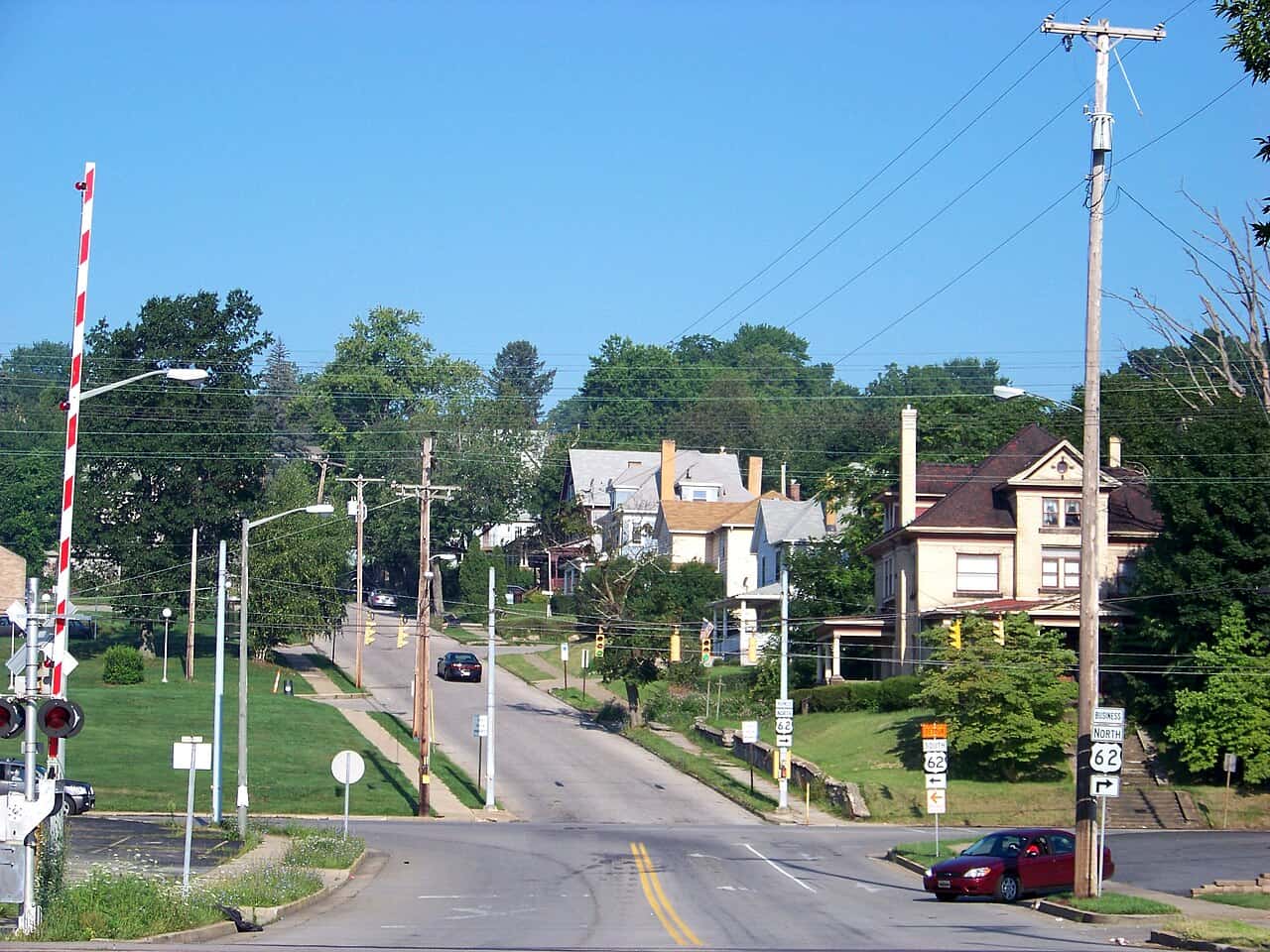
Located on the border with Ohio, Sharon has suffered from the same deindustrialization that hit the rest of the Rust Belt. The downtown area has many vacancies, and the residential streets are dotted with empty homes. Population loss is a major worry here, as there are fewer people looking to buy or rent homes every year.
The property values are incredibly low, but that is a reflection of the low demand and poor economic outlook. It is very easy to buy a house here and then find yourself unable to sell it later. You essentially become stuck with a liability rather than an asset that grows your wealth.
Duquesne
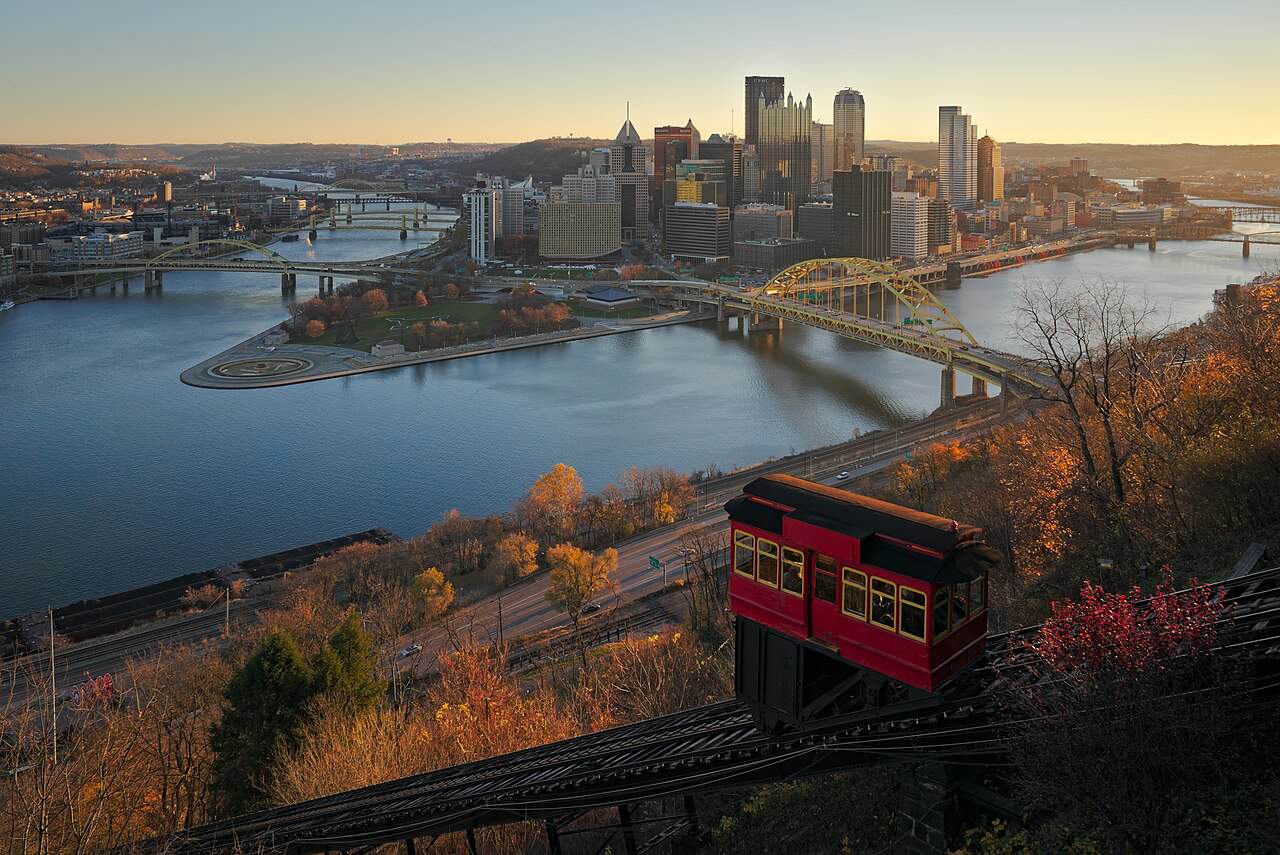
Duquesne has faced some of the steepest population declines in the state, leaving it with a very small tax base. This forces the remaining residents to pay more for fewer services, creating a difficult living situation. The lack of a grocery store and other basic amenities makes it a food desert and inconvenient for daily life.
The housing market is virtually frozen, with very few transactions happening compared to healthy markets. It is a sad situation for the community, but a disastrous one for an investor looking for profit. Putting capital here is incredibly risky with almost no chance of seeing a significant return in the near future.
Like our content? Be sure to follow us.