12 U.S. cities where women say the American Dream is slipping away
Owning a home, securing good employment, and having a better future have been a dream for women in the U.S. However, that dream is crumbling in most cities. Housing prices are rising, salaries are not increasing, and inequalities are widening. Women are crying foul about the injustices that they deal with in urban cities, where such injustices have reached unbearable levels.
Housing expenses in cities such as New York City and San Francisco are projected to be 20 percent above national rates by the end of 2026. At the same time, wages are not increasing, and women’s median earnings are 16-21 percent lower than men’s in cities such as Cleveland and San Francisco, according to Neilsberg’s 2025 report.
As crime is on the rise, poverty levels are rising, and there are no job prospects that the women in these cities can attain; they are finding it difficult to realize the life they have imagined. Here are 12 cities where the American Dream is becoming increasingly unattainable for women.
Baltimore, Maryland
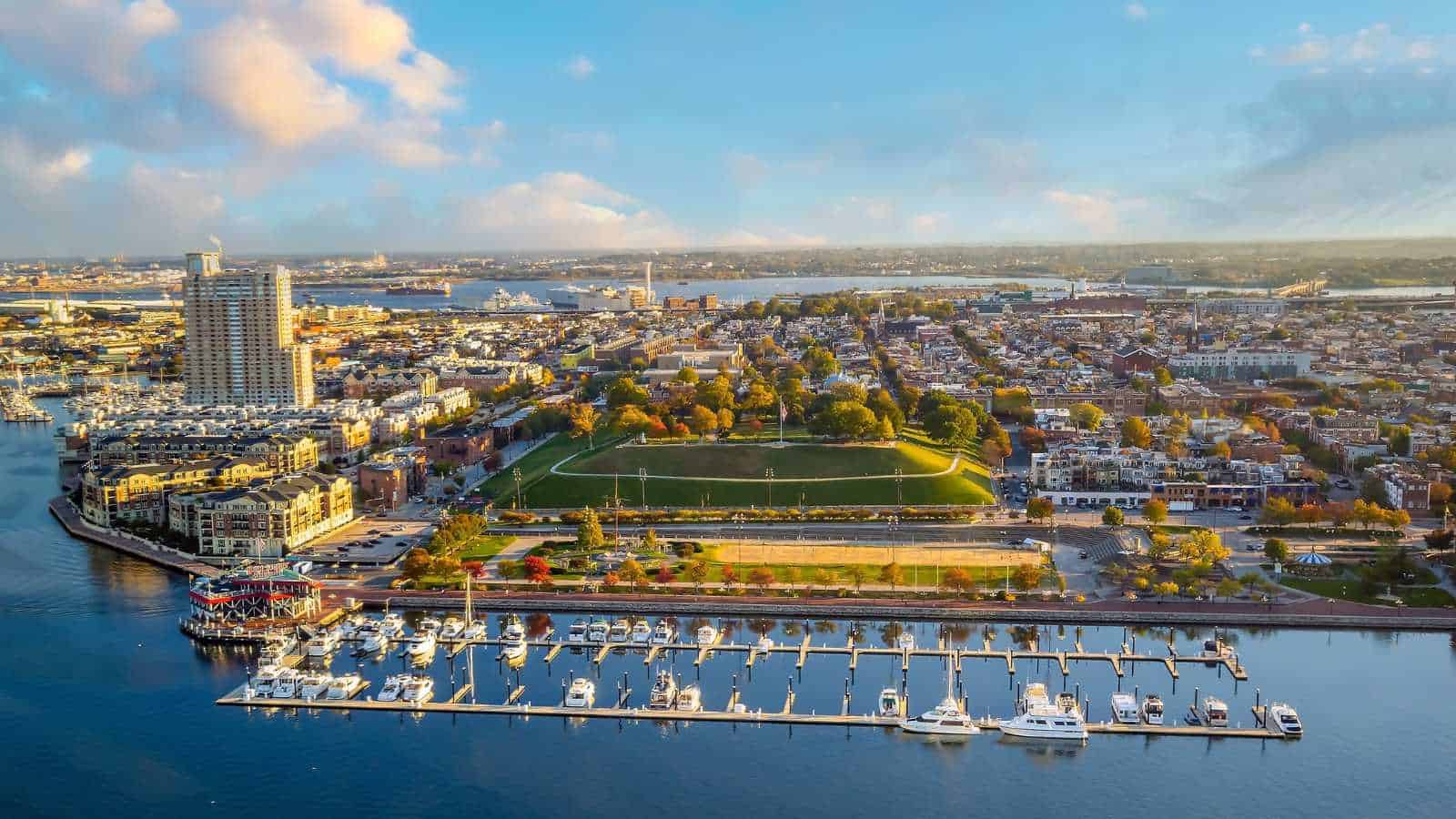
Females in Baltimore are fighting with the high rent expenses, particularly among those with Black and Latinx backgrounds. According to LEDC Metro, a staggering 66 percent of these households are making ends meet with little savings, many of whom are women in the 25-54 age bracket.
Crime is still rising, and the number of vacant houses is already over 15,000, so local renewal initiatives are stagnating. At the end of 2025, unemployment in the Baltimore metro area stood at 3.6 per cent, and women bore the burden of economic instability.
Nevertheless, women have not given up; they struggle to stabilize, hoping for an opportunity in a brighter future. Regrettably, it has been harder to realize that dream because of rising costs and stagnant wages. Baltimore women are compelled to hustle to make a living, and hopefully, it will get better.
Cleveland, Ohio
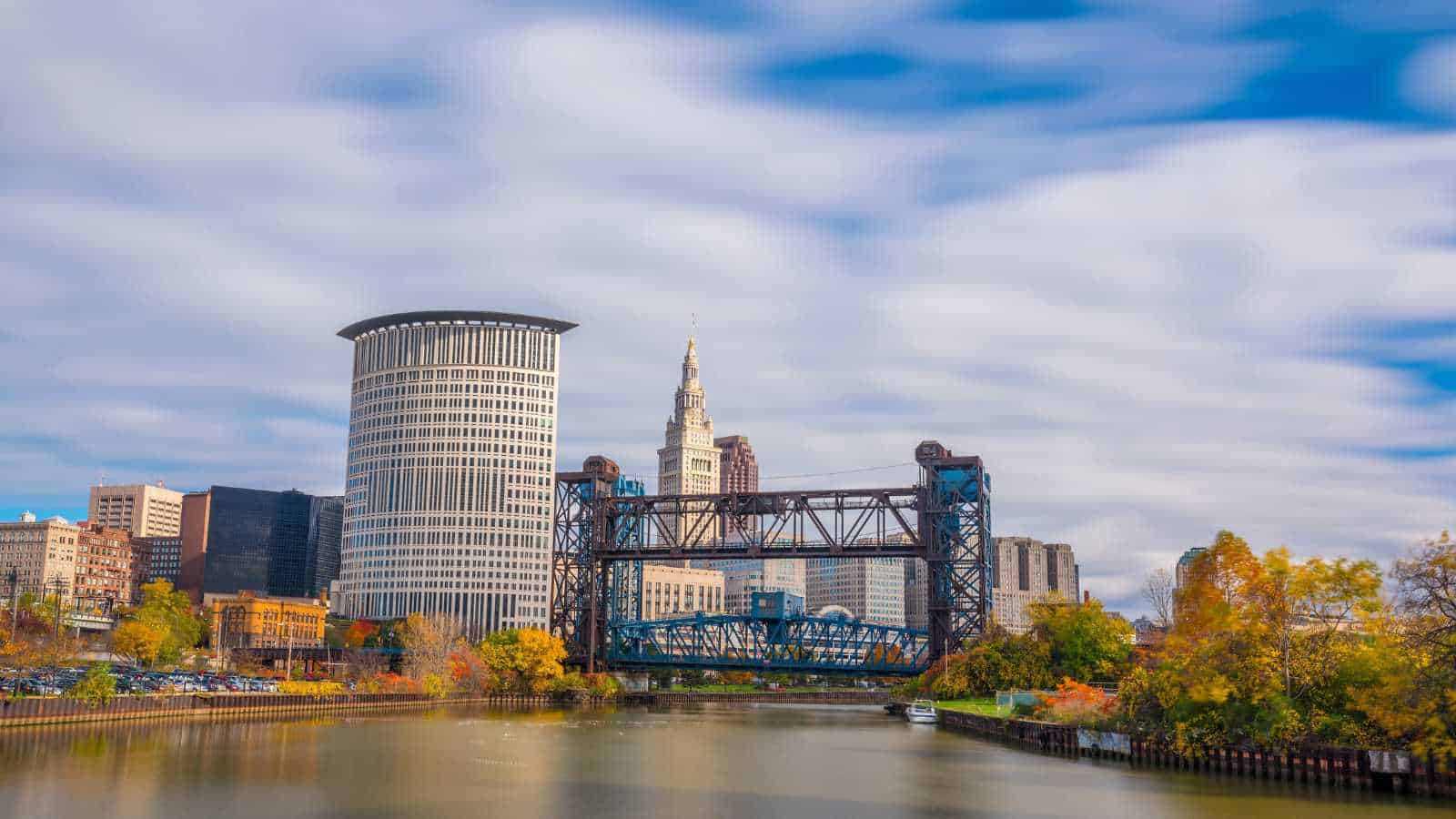
Cleveland women are grappling with income disparities that reflect the plight of most Rust Belt cities. As Neilsberg reports, in 2025, women earned a median annual income of $24,482, and men earned $29,245, indicating a 16 percent gap between the genders. The economic downturn in the city has widened this wage gap, with job opportunities being lost at a rate that exceeds women’s ability to follow.
The poverty level in Cleveland is also on the increase, and the women are experiencing the impact of economic pressures. Living standards are slowly rising, but salaries are not increasing; thus, many women can hardly afford a comfortable life. Such disparity is compelling most women to find another way out, outside the dwindling employment prospects and increasing poverty.
Flint, Michigan
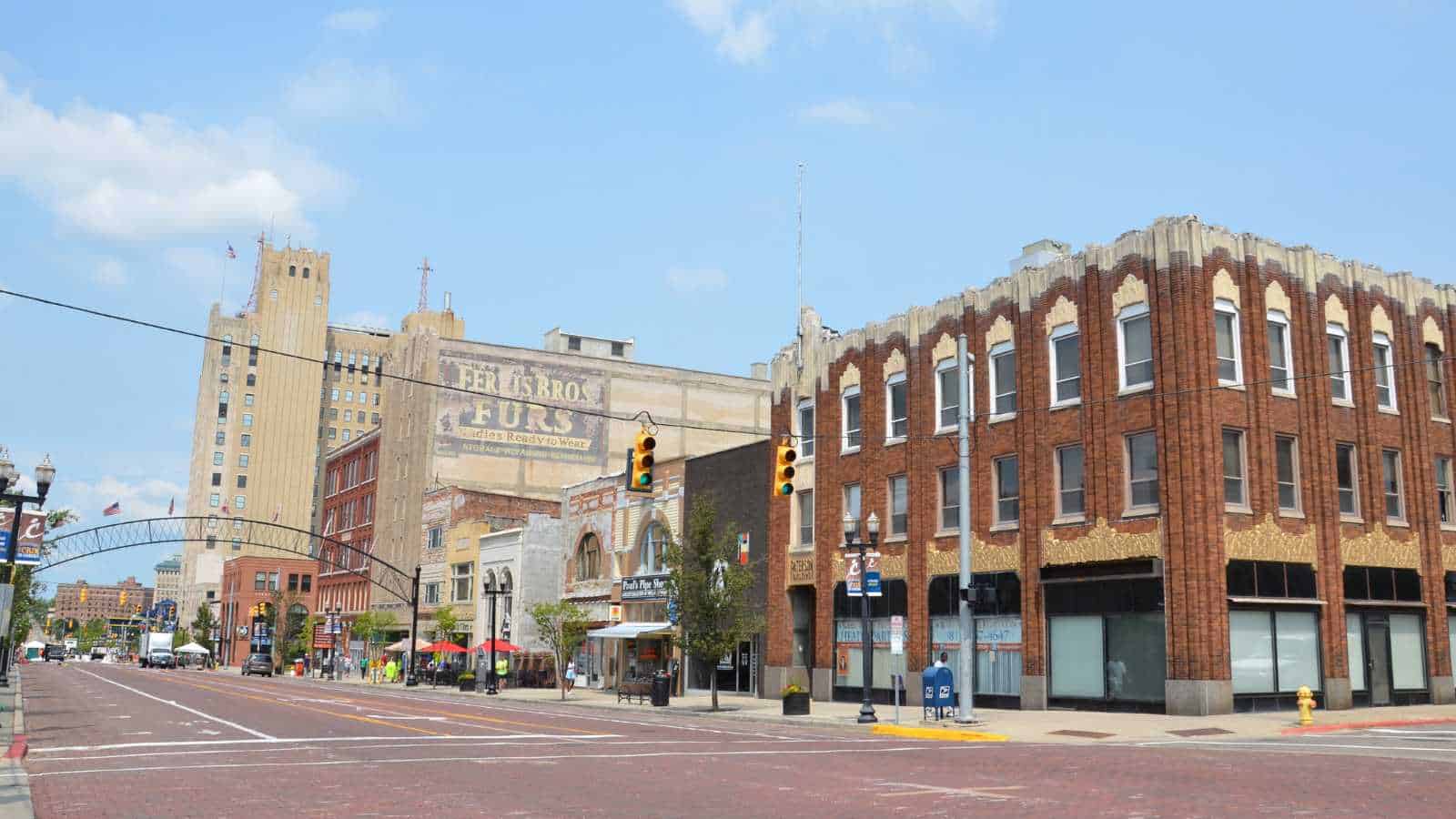
The water crisis in Flint has had an aftermath that women and their families still experience. The city’s infrastructure is still in shambles, which has fostered poverty and low economic development. Women are heading the families during these difficult periods, but they cannot achieve their dreams since they have no access to clean water and employment.
There is still the problem of unemployment in the region, with no avenue for improvement. So many women have to struggle day after day, trying to survive the crisis and preserve the hope about a bright future, even as they bear the huge burden. Women in Flint are strong, yet, due to the city’s ongoing struggles, they are unable to prosper.
Detroit, Michigan
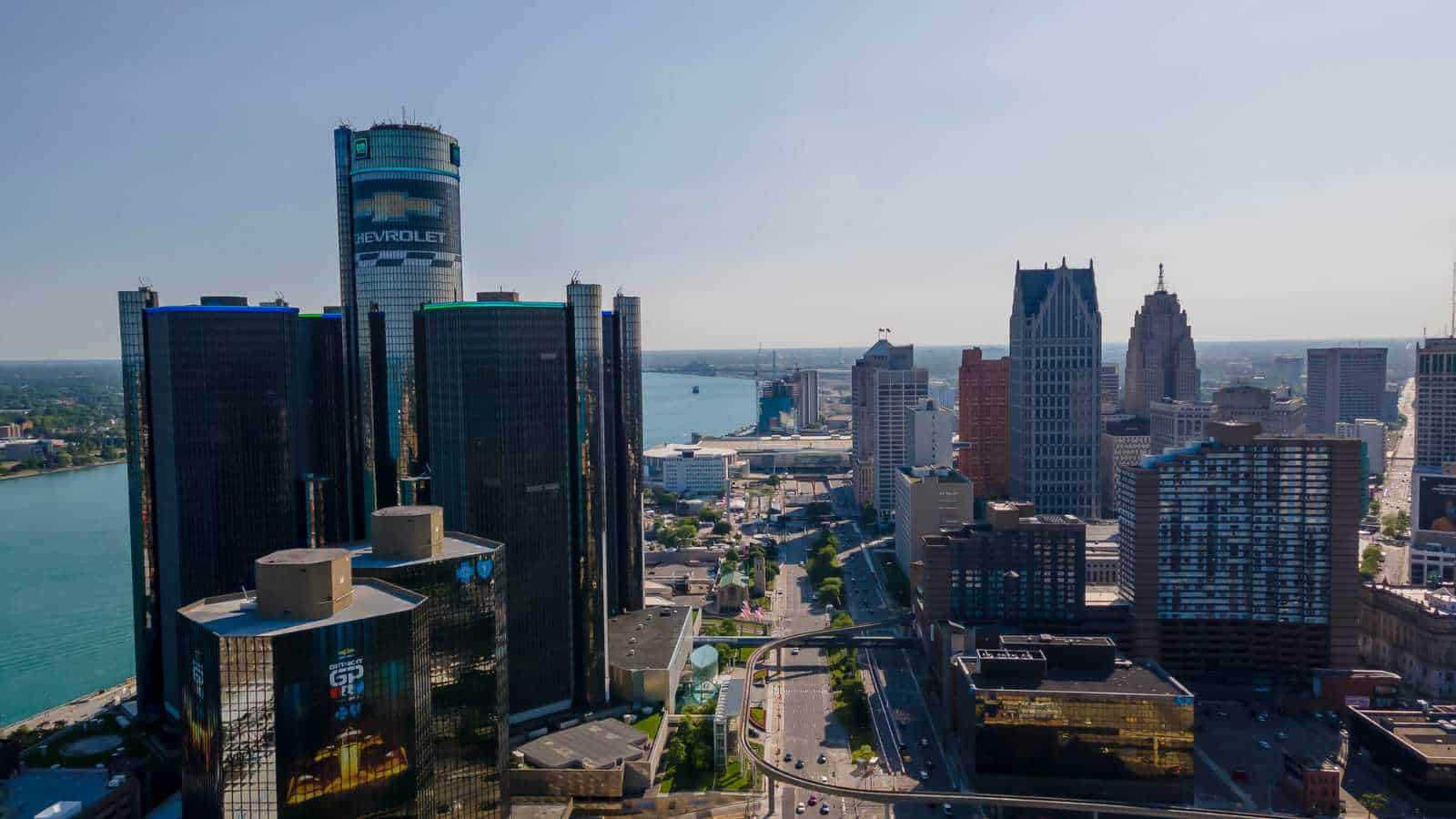
The city’s home prices have shot up despite attempts to stabilize, turning what were once considered affordable homes into the subject of bidding wars. The impact of the income growth disparity is being experienced by women in Detroit, particularly by the Blacks.
With the weight of gentrification, most women are being driven out of their community. They fantasize about owning houses and living comfortably, but these are becoming increasingly distant as expenses keep rising.
Chicago, Illinois

Living costs have also risen tremendously in Chicago, leaving women with fewer funds to cover basic needs. It is also reported that a large number of women are struggling to make ends meet, with a poverty rate of 17. The rate of violent crimes is already high in the city nationwide, with the violent crime rate being 540 per 100,000 population, which further increases the stress, as women are having to have a career, and also have fears for their lives.
Inequality cuts across the neighborhoods of the city, with women in the lower-income neighborhoods being challenged more. The financial independence and safety of women in their respective areas of settlement are becoming increasingly difficult to attain, particularly as the city’s problems keep piling up.
Los Angeles, California
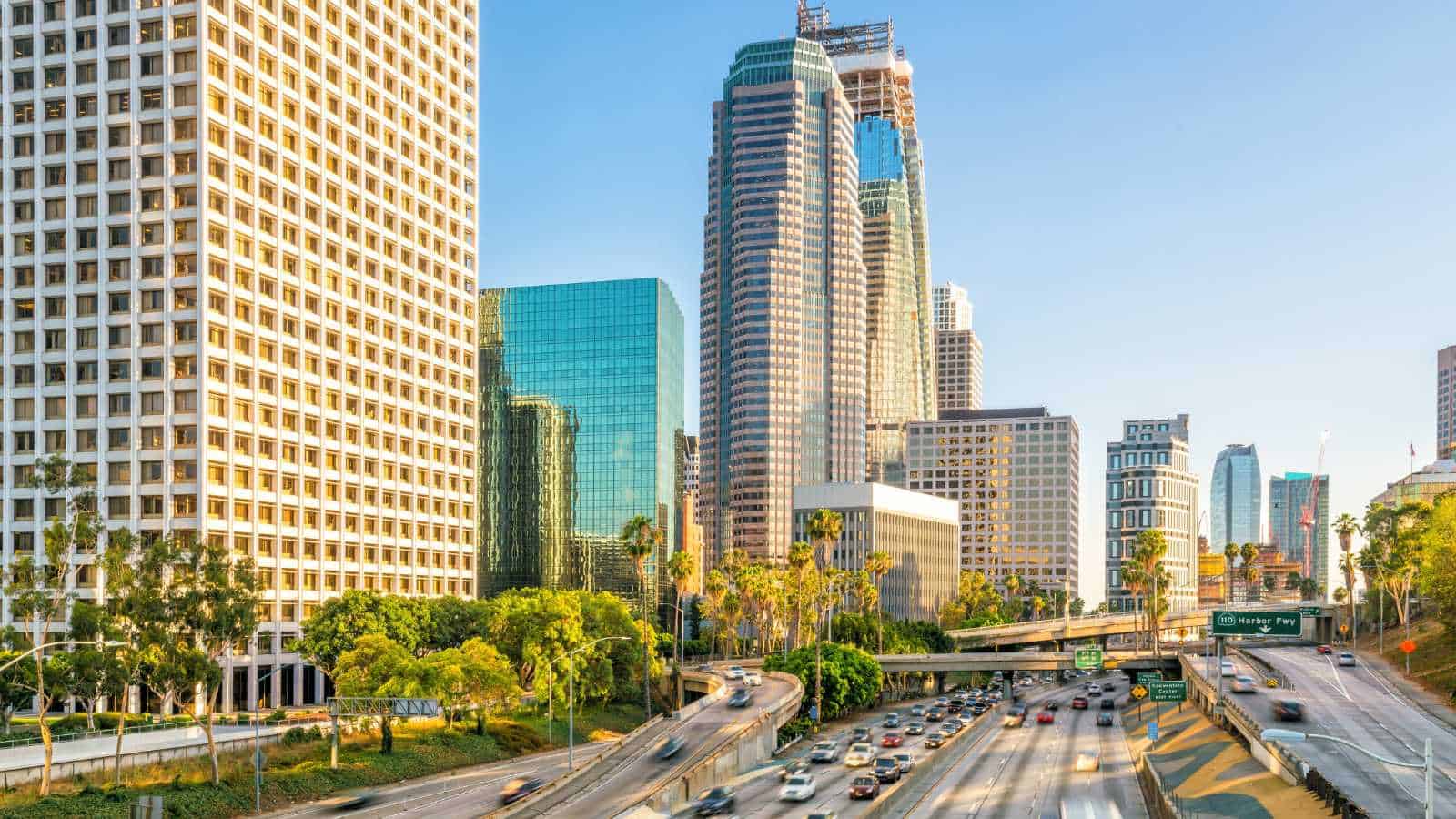
Los Angeles is already struggling with a startling rise in homelessness. Rent prices are still eating up paychecks, and wages are not growing, which is widening the gap between the wealthy and the impoverished.
Unemployment in the state reached 5.5 percent in December 2025, and women bore the brunt of job insecurity. With housing prices rising and the wage gap continuing to widen, many single mothers and other women are moving out of the city to find more affordable housing. Nevertheless, women in Los Angeles are still struggling to achieve equality and improved opportunities in life to support their families.
San Francisco, California
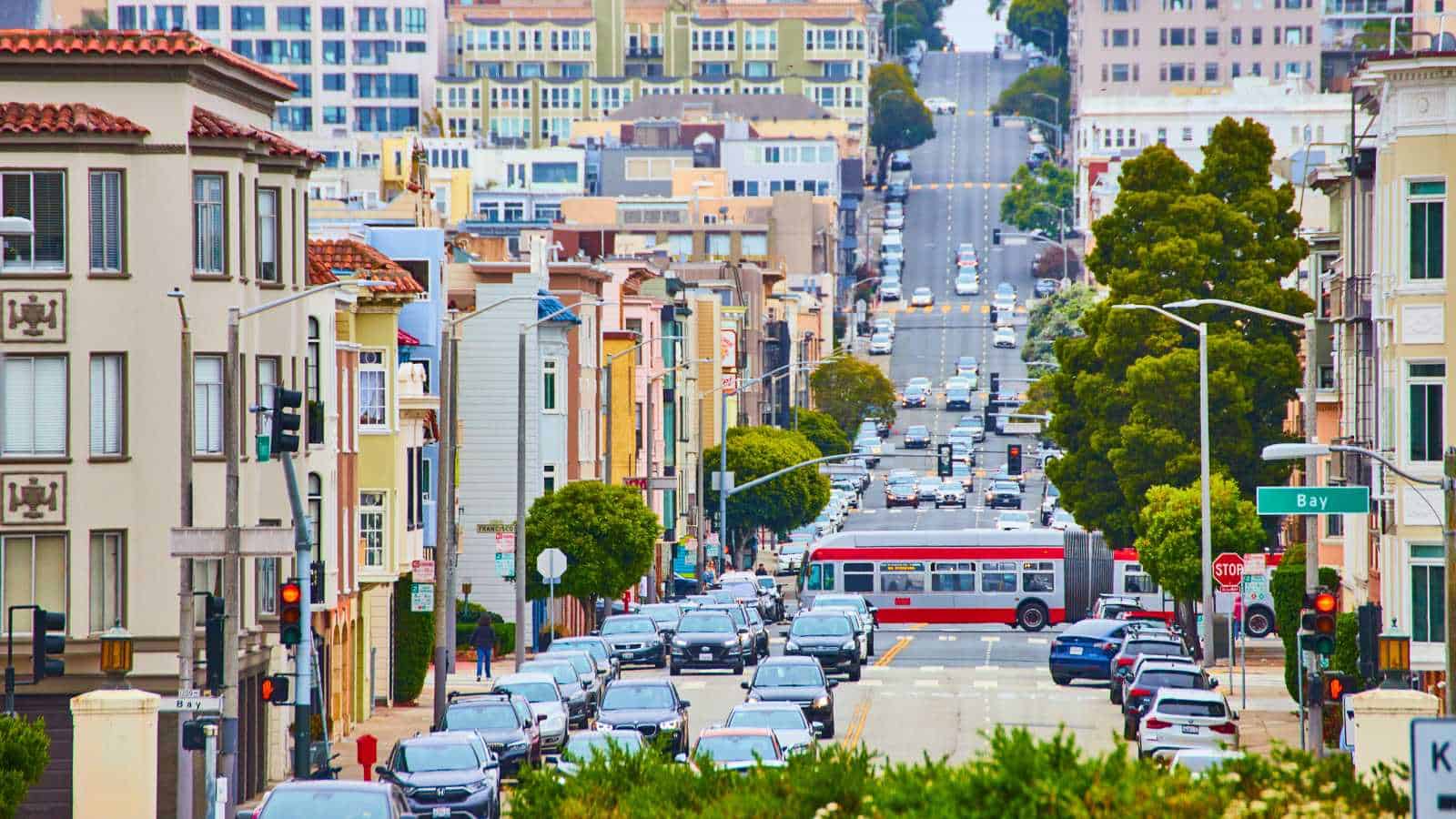
The gender pay gap in San Francisco is also high, with women receiving an average of 60,710 a year as opposed to the average of $76,936 for men, an alarming rate of 21, as reported by Neilsberg. Rising housing prices are driving many women out of the city, as their full-time earnings cannot keep pace with the rising cost of living.
Numerous women are not benefiting from economic growth despite the flourishing tech industry, and they are struggling to remain in the city. Women are also seeking cheaper places to live, as owning a home is becoming a far-fetched fantasy. The widening disparity between the wealthy and the poor in San Francisco has made it more difficult for women to succeed.
New York City, New York
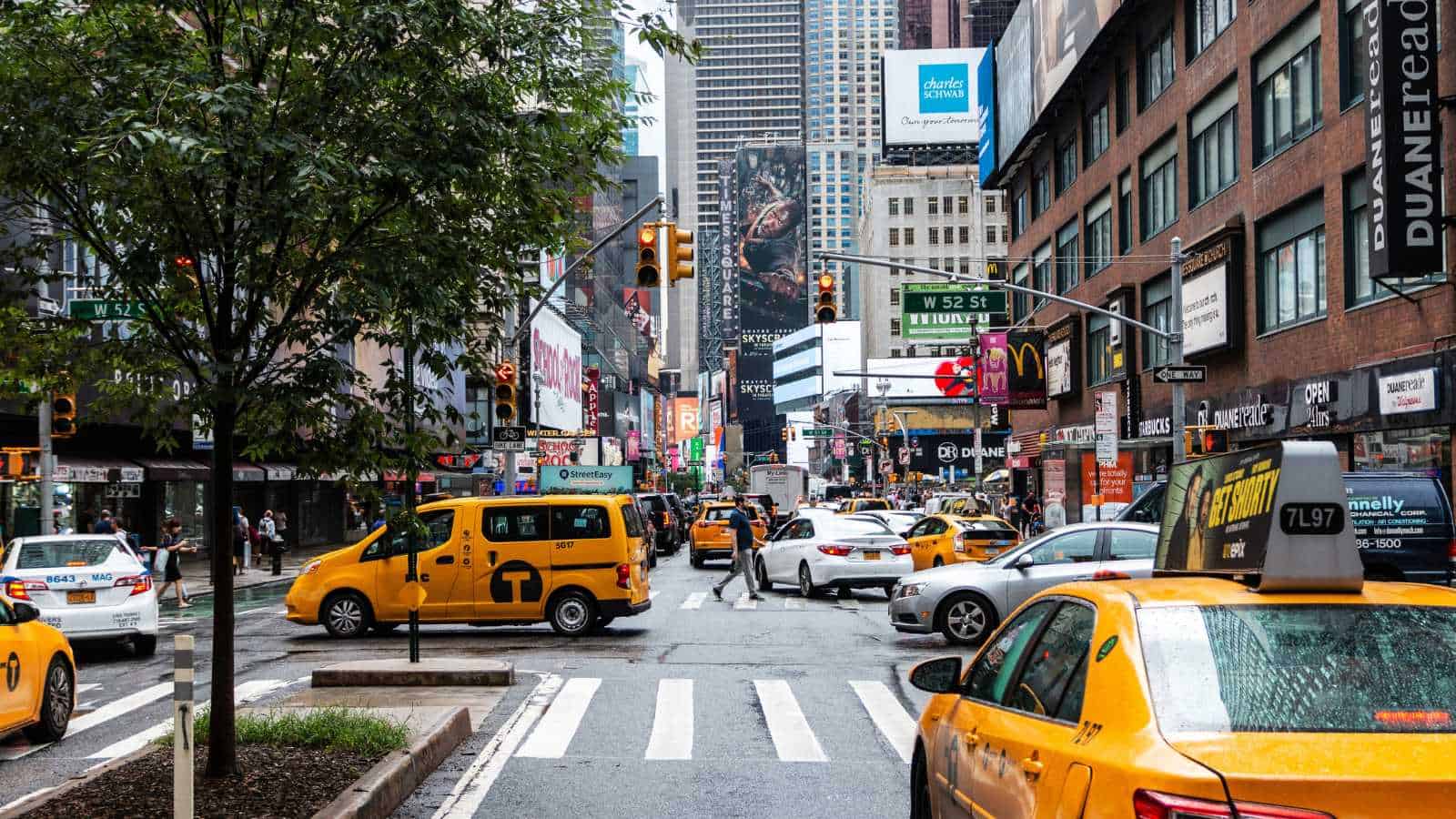
Rents have soared in New York City, with the median rent in Manhattan rising 6.6% to $4,886 by the end of 2025, Realtor.com reported. To maintain a comfortable standard of living, a family requires a salary of $195,000, and many employed women earn far less. City movement is also at its lowest, with 90 per cent of renters unable to afford to move because of high rents.
With the city’s jobless rate at 4.6 percent by December 2025, it is clear that most women are stuck in a high-priced, low-opportunity cycle. These economic pressures are leading most women to re-evaluate their long-term future in the city as they seek a cheaper home.
Philadelphia, Pennsylvania
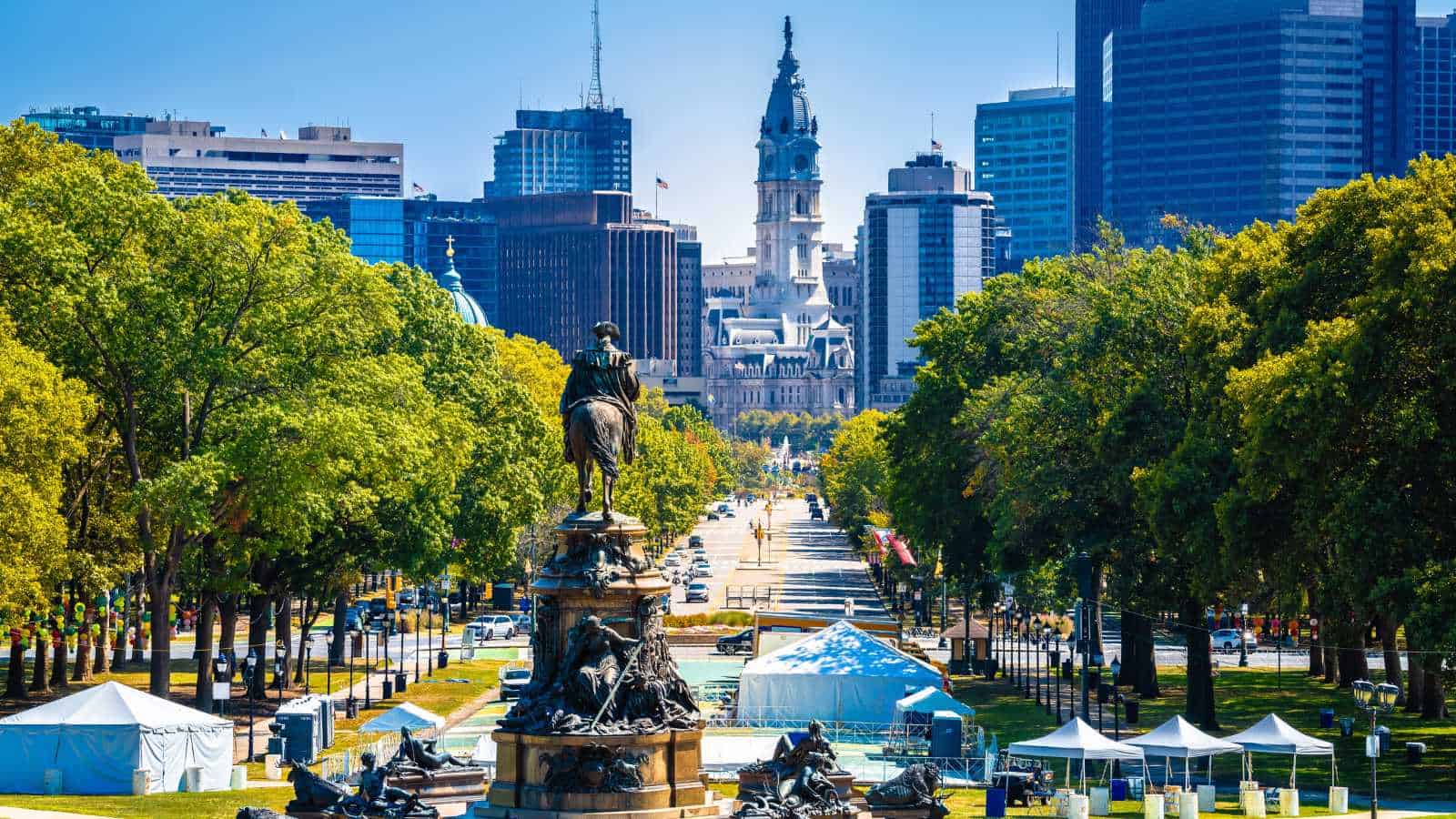
According to a 2025 report from The Pew Charitable Trusts, the poverty rate in Philadelphia has been decreasing, falling to 20.3% in 2023, the lowest level since 2000. Schools and the city’s employment sector remain troubled, and unemployment remained at 4 percent in December 2025.
Women in Philly are facing economic struggles, with their hopes of achieving a higher social status growing increasingly distant. Their best would not suffice, as most ladies are left with too many jobs merely to survive, and even then, the financial burden is overwhelming. Philadelphia women are struggling to build a better future, as the city still grapples with these issues.
St. Louis, Missouri

The city’s population is in decline, and the economy has stagnated, leaving many women in difficult circumstances. By December 2026, women will be experiencing job insecurity as well as dealing with an increase in crime in the neighborhoods.
These addiction problems mean that women are not easily able to get the stability that they want, and many of them are compelled to abandon the city to find safer, cheaper avenues.
Memphis, Tennessee
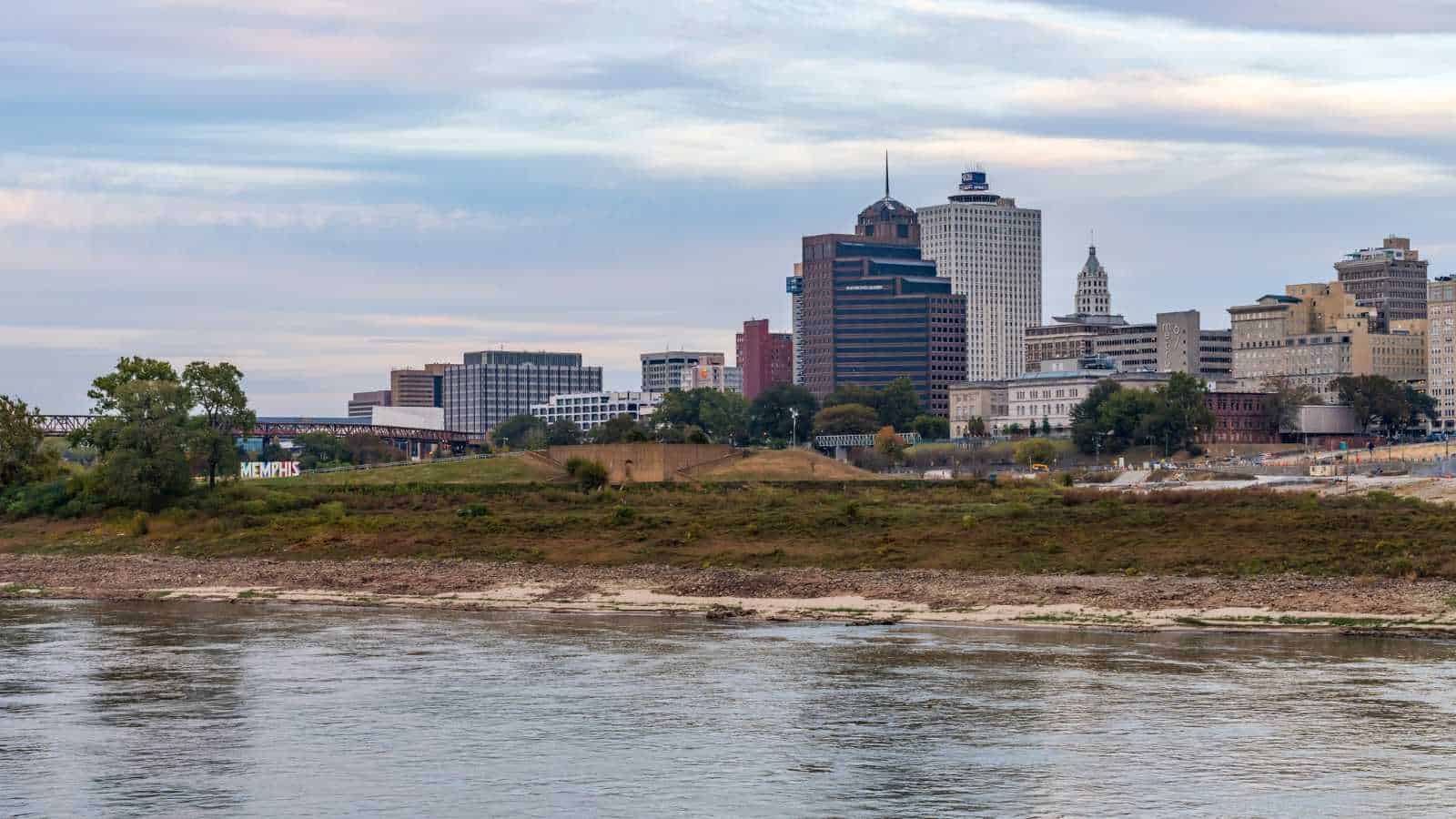
Job growth has stalled, and many women are forced to take on the responsibility of caring for their households in a very challenging world. The issue of crime has remained unresolved, thereby hindering the city’s economic recovery.
Women are struggling to earn a living on a day-to-day basis, yet the lack of opportunities and the burden of poverty have made it hard for them to dream of a better life. The struggles in Memphis are driving women to seek alternative opportunities elsewhere for a better life.
Oakland, California

The crime rate in Oakland is also high. According to SafeHome 2025 statistics, the larceny rate was the highest at 4,164 per 100,000 residents. Gentrification has forced several people, especially women, to leave due to rising rents and a housing shortage.
Although the violent crime rate decreased by 21 percent in mid-2025, women, nevertheless, still encounter daily challenges of survival due to the increasing expenses. Despite these difficulties, women in Oakland still survive with resilience and rebel against the system that has complicated their struggles to succeed. However, women still cannot afford to own homes and live with economic security as the city continues to transform.
Key takeaways

The women in these 12 cities are under strain from rising housing prices, wage disparities, crime, and employment uncertainty. Although resilient, the American Dream is becoming increasingly elusive for many women. Such cities as Austin and Raleigh are cheaper alternatives, yet for individuals left behind, the path to a better future may not be clear.
The inequality in these cities is exacerbated, underscoring the urgency of change and the need to expand opportunities for women. Given these trends, it is evident that place is a major factor influencing women’s opportunities to realize the American Dream.
Like our content? Be sure to follow us.