The no-go list: 12 countries that make Americans feel unwanted
A U.S. passport can open doors around the world, but in some places, it can make you the most noticeable person in the room. One minute, it feels like a golden key. The next brings hard questions, cold stares, phone checks, travel limits, or the uneasy thought that help from home may not arrive quickly if things go wrong.
That risk is not just travel gossip. The U.S. State Department uses Level 4, “Do Not Travel,” as its strongest warning for countries with life-threatening dangers such as terrorism, kidnapping, civil unrest, crime, health threats, and wrongful detention. The warning feels even heavier in 2026, as global views of the U.S. have cooled in several places.
Pew Research Center’s 2025 survey of 28,333 adults in 24 countries found that ratings of the U.S. dropped significantly in 15 countries since 2024, with 79% of adults in Sweden and more than six in ten adults in Canada and Mexico viewing the U.S. negatively.
This list is not claiming that every local person in these countries dislikes Americans. That would be too simple and unfair. Feeling “unwanted” can stem from government suspicion, closed embassies, limited consular assistance, strict entry rules, political propaganda, anger over U.S. policy, or safety threats that leave an American traveler feeling exposed before the suitcase even hits the hotel floor.
Some countries below carry full Level 4 warnings. Others, like Pakistan, Venezuela, and Cuba, need a more careful reading because the risks are regional, legal, political, or tied to specific rules rather than a blanket “do not enter” warning. Still, each place has its own kind of chill for U.S. citizens. It is the feeling that your passport has entered the room before you have.
North Korea
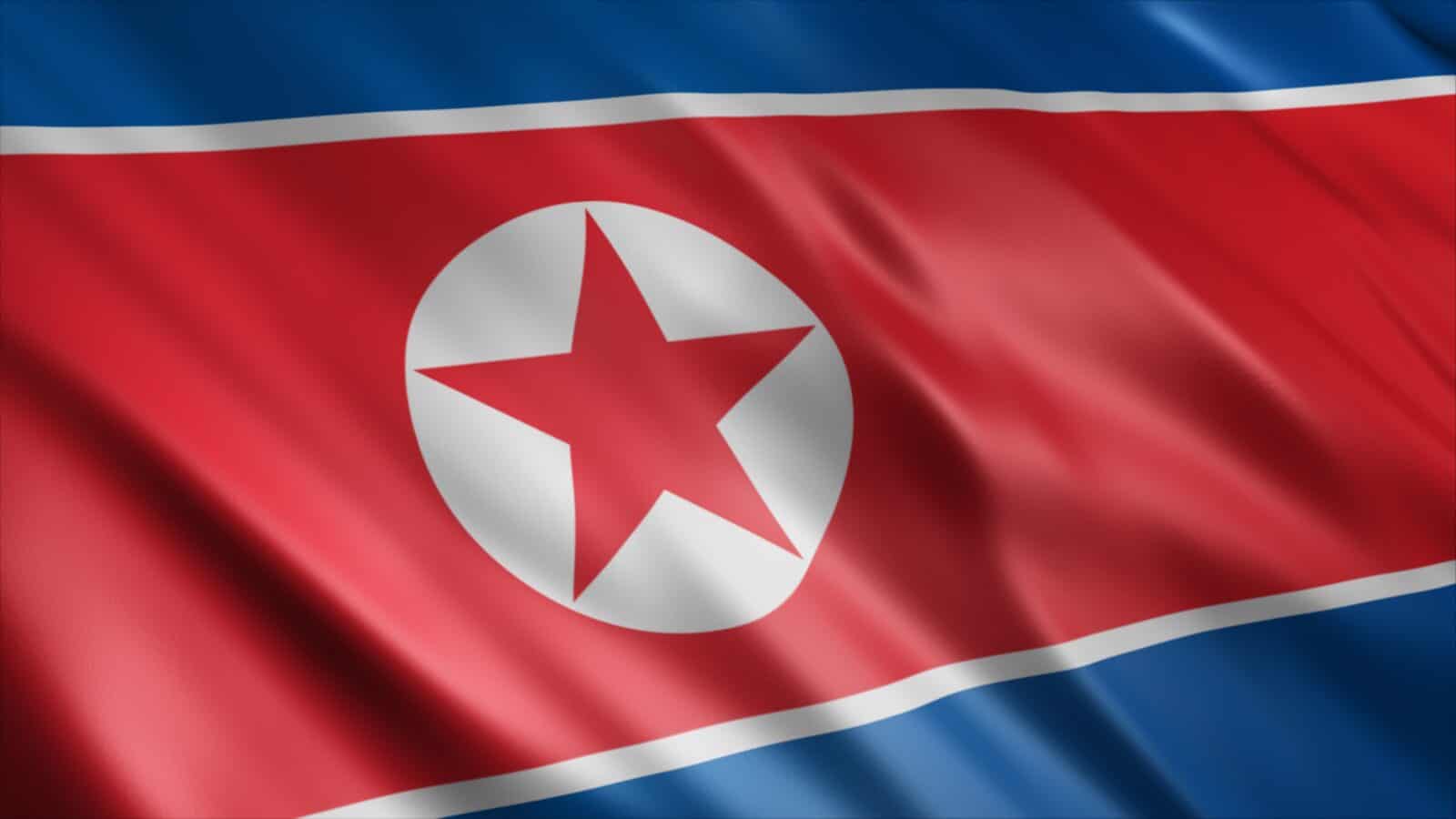
North Korea is the sharpest example of a place where Americans are not just at risk, but singled out by the state’s deep hostility toward the U.S. The State Department lists North Korea at Level 4 and warns of a “serious risk of arrest, long-term detention” for U.S. citizens, with wrongful detention listed as a central danger.
There is no U.S. embassy or consulate in North Korea, and the U.S. government says it cannot provide emergency or routine services there. That means an American who gets into trouble is not dealing with a normal travel problem. They are stepping into a closed political system where a small mistake can become a state matter.
Even the ordinary sounds of American English, U.S. contacts on a phone, or a careless photo can feel dangerous in a country shaped by decades of anti-American propaganda. In North Korea, an American passport does not open the door. It can make the room go silent.
Iran
Iran is another place where the risk for Americans goes far beyond awkward looks or tense conversations. The State Department lists Iran at Level 4 and warns U.S. citizens not to travel there because of terrorism, unrest, kidnapping, arbitrary arrest, torture, and wrongful detention. It also says that there is no U.S. embassy in Iran and that the Swiss government normally acts as the protecting power for U.S. interests.
The most chilling part is the official warning that “having a U.S. passport or connections to the United States can be reason enough” for Iranian authorities to detain someone. That one sentence explains why Americans can feel unwanted in a deeply personal way.
Anti-American sentiment in Iran often grows from policy, sanctions, regional conflict, and decades of mistrust, but the traveler is the person at the airport counter, the hotel desk, or the interrogation room. Dual U.S.-Iranian citizens face extra danger because authorities may treat them as Iranian citizens first, leaving U.S. protection thin and uncertain.
Venezuela
Venezuela needs careful wording because it is no longer listed as a full nationwide Level 4 destination. On March 19, 2026, the State Department lowered Venezuela to Level 3, “Reconsider Travel,” but that does not make it any easier for Americans. The advisory still warns of crime, kidnapping, terrorism, and poor health infrastructure, with some areas marked Do Not Travel, including locations tied to border violence, criminal groups, and kidnapping risk.
The State Department also notes that embassy operations have changed, with the U.S. Embassy in Caracas resuming operations in March 2026 after a long suspension. That shift matters, but it does not erase years of strain between Washington and Caracas, U.S. sanctions, political suspicion, and economic collapse.
An American in Venezuela may not face the same state-level danger found in North Korea or Iran, but the feeling of being unwanted can show up at checkpoints, in official questioning, or in the uneasy sense that your nationality carries political baggage. The danger here is less a sealed-door dictatorship and more a country where crime, politics, and weak services can turn a simple trip into a hard gamble.
Afghanistan
Afghanistan remains one of the most severe warnings for U.S. citizens. The State Department lists it at Level 4 because of civil unrest, crime, terrorism, wrongful detention, kidnapping, natural disasters, and limited health facilities.
The U.S. Embassy in Kabul suspended operations in 2021, meaning the U.S. government cannot provide routine or emergency consular services within the country. That single fact should stop any casual travel fantasy in its tracks.
For Americans, Afghanistan carries the long shadow of two decades of U.S. military presence, withdrawal, Taliban rule, and the suspicion attached to anyone linked to Western governments, NGOs, journalism, aid work, or past U.S. projects. A traveler may enter with innocent plans, but local power structures can read U.S. nationality as a political signal before they see the person.
The no-go feeling here is not just fear of violence. It is the lonely math of risk: no embassy, high risk of detention, fragile health systems, and a political landscape where being American can make you visible in the wrong way.
Syria
Syria is listed at Level 4, and the State Department’s warning leaves almost no room for romantic travel thinking. It says not to travel to Syria for any reason because of terrorism, unrest, kidnapping, hostage taking, crime, and armed conflict.
The U.S. Embassy in Damascus suspended operations in 2012, and the Czech Republic serves as the protecting power for the United States, meaning routine American support is not available in the usual way. The State Department also says no part of Syria is safe from violence, and it warns that U.S. citizens are specific targets for kidnapping and hostage taking.
That is what makes Syria feel actively hostile to Americans. The danger can come from armed groups, checkpoints, destroyed infrastructure, shifting front lines, or people who assume a U.S. citizen is a spy, contractor, journalist, or political asset.
A traveler may see ancient streets, old markets, and a country with deep cultural roots, but the current security reality is brutal. In Syria, an American does not simply arrive as a tourist. They arrive carrying the weight of war, suspicion, and a government warning written in red ink.
Libya
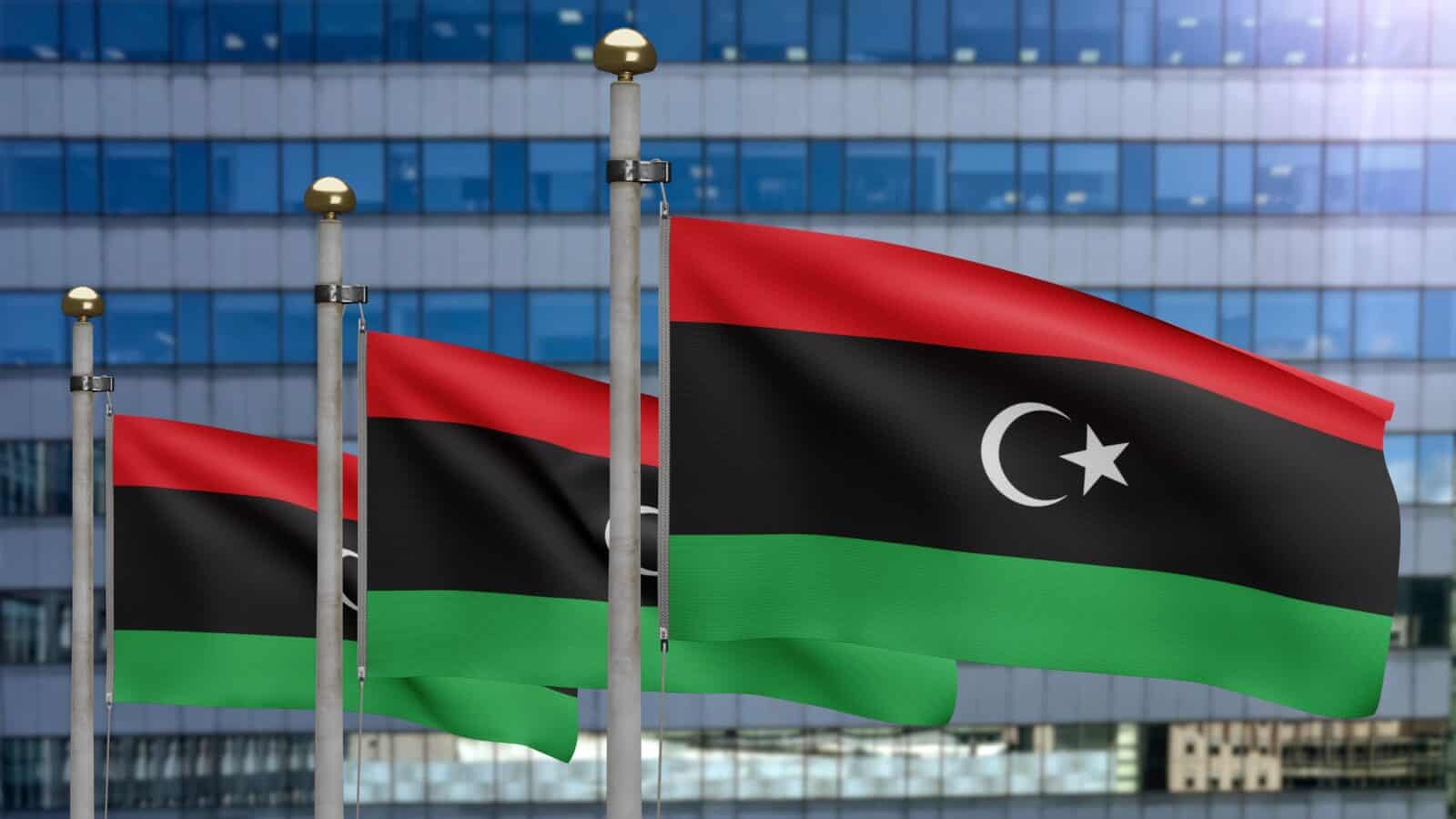
Libya’s warning is built around a country still wrestling with fractured authority and armed groups. The State Department lists Libya at Level 4, and the public advisory list names crime, terrorism, kidnapping or hostage taking, unrest, and other risks among the concerns attached to the country.
The Human Rights Watch 2026 country page also describes Libya as divided between rival authorities in the east and west, with militias and armed groups operating in ways that deepen repression and weaken public safety. For Americans, that kind of environment can feel hostile even without a personal insult from anyone on the street. The danger is structural.
A foreigner can be useful as a ransom, a source of leverage, or a symbol, and a U.S. passport can add value in the worst possible way. Past Western intervention also hangs over Libya’s public and political mood, adding another layer of unease for American travelers.
This is not the kind of place where “stay aware” is enough. In Libya, the risk is that the rules change from neighborhood to militia, checkpoint to checkpoint, or hour to hour, and Americans may have little control once the wrong person decides they are worth attention.
Yemen

Yemen is one of the most dangerous entries on this list, with a Level 4 warning tied to terrorism, unrest, crime, health risks, kidnapping, and landmines. The State Department renewed its advisory on December 19, 2025, and says the U.S. Embassy in Sana’a suspended operations in February 2015.
It also says the U.S. government is unable to provide emergency or routine consular services to Americans in Yemen. For U.S. citizens, especially dual U.S.-Yemeni citizens, the warning gets even sharper: the State Department says they face a high risk of kidnapping and detention, and it notes that the Houthis have detained U.S. citizens, including people with dual citizenship.
That is why Yemen can feel less like a destination and more like a trapdoor. A journalist, aid worker, family visitor, or curious traveler may believe their purpose is clear, but armed groups and local power brokers may see only nationality, leverage, or ransom value. In a country torn by years of war, hunger, damaged infrastructure, and political fragmentation, being American can turn a private journey into public danger fast.
Pakistan
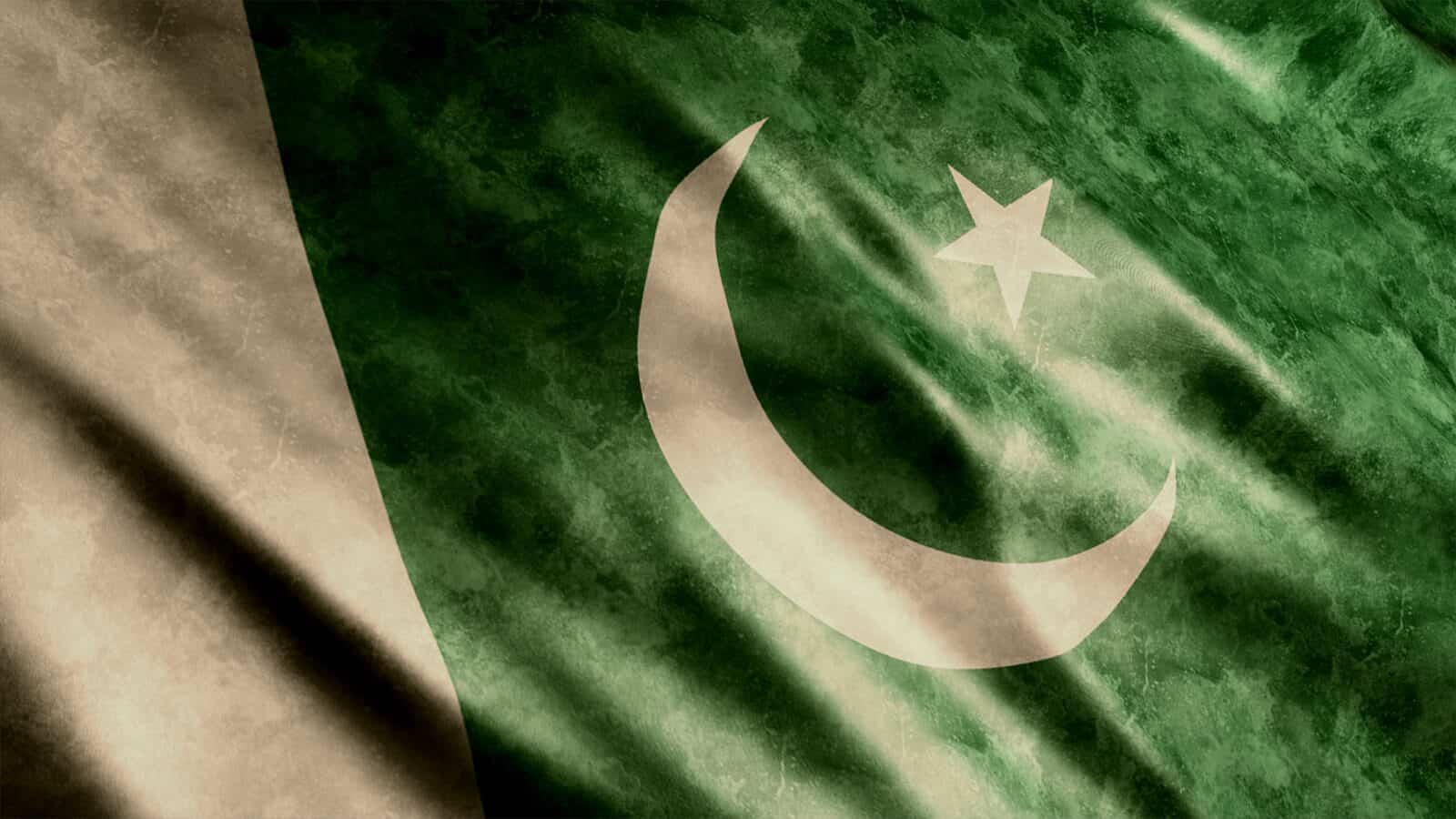
Pakistan is not a nationwide Level 4 country, so this section needs to be balanced. The State Department lists Pakistan at Level 3, “Reconsider Travel,” but it marks several areas as Level 4, including Balochistan Province, Khyber Pakhtunkhwa Province, and the vicinity of the Line of Control.
The advisory names terrorism, kidnapping, and armed conflict as major risks in those regions, and it says extremist and separatist groups have targeted civilians, foreign nationals, religious minorities, government offices, and security forces. That split reality is what makes Pakistan complicated for Americans.
One city may feel warm, busy, social, and deeply hospitable, while another region may be so dangerous that the U.S. government says, “Do not travel there for any reason.” Public resentment toward U.S. policy has also been shaped by years of drone strikes, counterterrorism operations, border politics, and military history.
For Americans, the no-go feeling may not be felt nationwide, but it can appear suddenly at checkpoints, protests, hotels, or regional borders. Pakistan is not one simple warning label. It is a map with bright pockets of welcome and serious zones where a U.S. passport can feel heavy.
Belarus

Belarus can feel unwelcoming in a colder, quieter way. It is listed at Level 4, and the State Department warns that the U.S. government has extremely limited ability to help detained Americans. The advisory says U.S. citizens may not receive consular access and could face arbitrary detention with no outside contact.
It also says the State Department ordered the departure of U.S. government employees on February 28, 2022, and suspended operations at the U.S. Embassy in Minsk. That means Americans in Belarus are not just dealing with political tension. They are living under an authoritarian system in which official suspicion of the West can shape daily life.
The unease may come through surveillance, phone checks, protest arrests, digital monitoring, or the knowledge that even routine consular help may not be available. Belarus’s close alignment with Russia adds another layer for Americans, especially after the war in Ukraine sharpened suspicion of Western citizens.
This is not a loud kind of rejection. It is the kind that follows you through cameras, forms, police stations, and silent hotel lobbies where nobody has to say much for you to understand the room.
Sudan
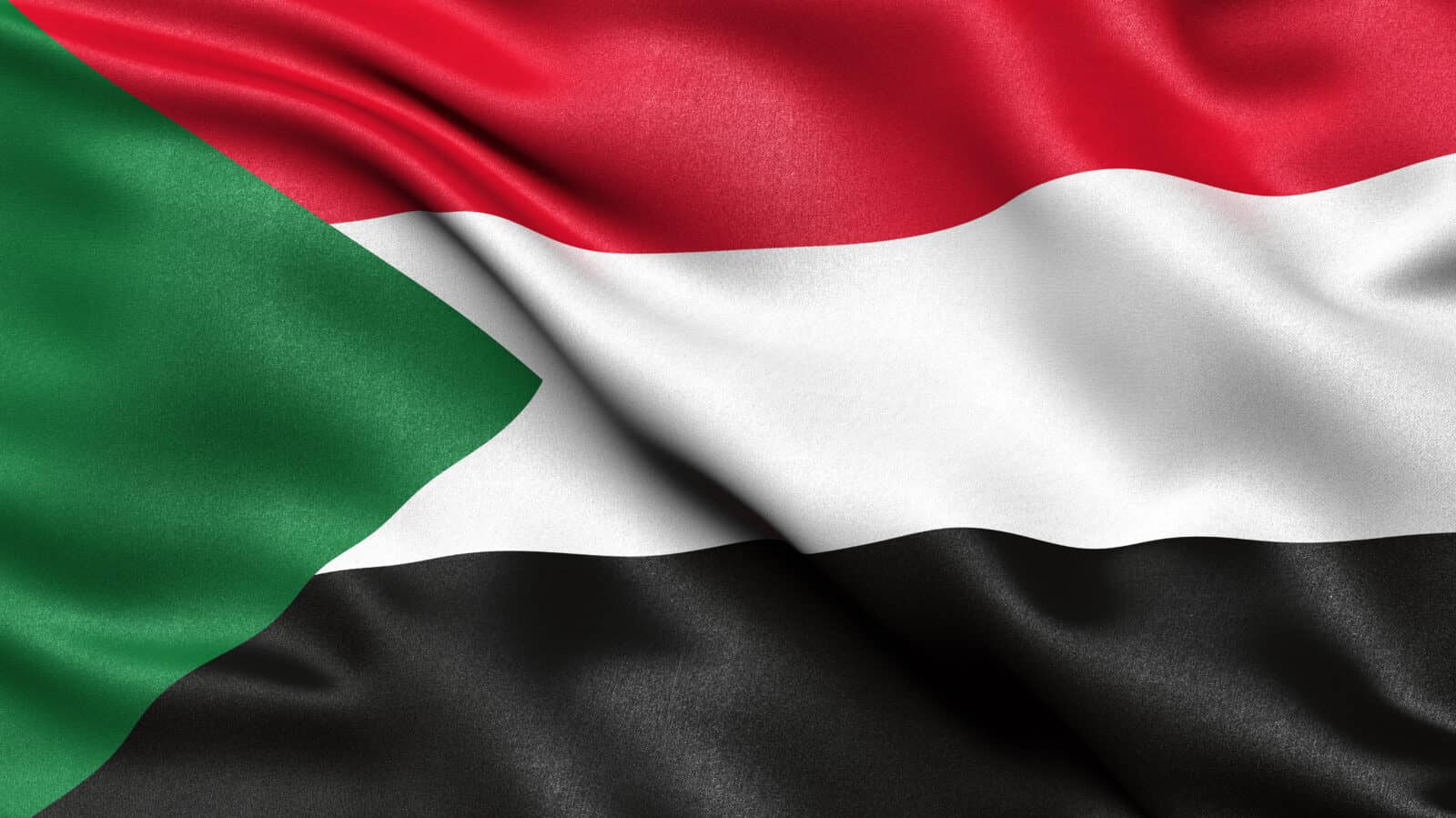
Sudan’s danger is rooted in conflict, collapse, and instability rather than a simple tourist-welcome problem. The State Department’s advisory list places Sudan at Level 4, and it flags risks such as unrest, crime, kidnapping or hostage taking, terrorism, health concerns, and other dangers.
The wider context is grim: UN OCHA says Sudan has faced an unprecedented humanitarian and protection crisis since April 2023, driven by ongoing conflict, with civilians bearing the heaviest burden. Recent reporting from Al Jazeera in April 2026 also described thousands reportedly held by the paramilitary RSF in el-Fasher, which shows how volatile and frightening the security environment remains.
For Americans, especially aid workers, journalists, researchers, or faith-based visitors, good intentions may not be enough to protect them. In conflict zones, a passport can speak louder than a purpose. People may see an American as connected to Western governments, sanctions, media pressure, or outside influence, even when that person arrives to help.
Sudan’s no-go feeling is a mix of danger and distrust, the sense that a country in pain may not have the space, systems, or patience to keep a foreign visitor safe.
Myanmar

Myanmar, also called Burma by the State Department, is listed at Level 4, with one of the clearest wrongful detention warnings in Asia. The State Department says U.S. nationals face a “significant risk of wrongful detention” by military regime authorities. It also says wrongfully detained U.S. nationals have been held for years in poor conditions, often without fair treatment, family contact, or steady access to U.S. Embassy officials.
That warning sits inside the larger story of the 2021 military coup, violent crackdowns, protests, armed conflict, and Western sanctions. For Americans, the feeling of being unwanted may stem from how a military government reads foreign presence. A U.S. citizen can become a symbol of external pressure, media attention, sanctions, or human rights criticism, even during a personal trip.
Local people may be kind, curious, and welcoming, but the state has a different face. It watches, questions, detains, and controls. Myanmar’s warning is not built on vague discomfort. It is built on a documented pattern of detention risk and a government system that can turn foreign nationality into a legal hazard.
Cuba
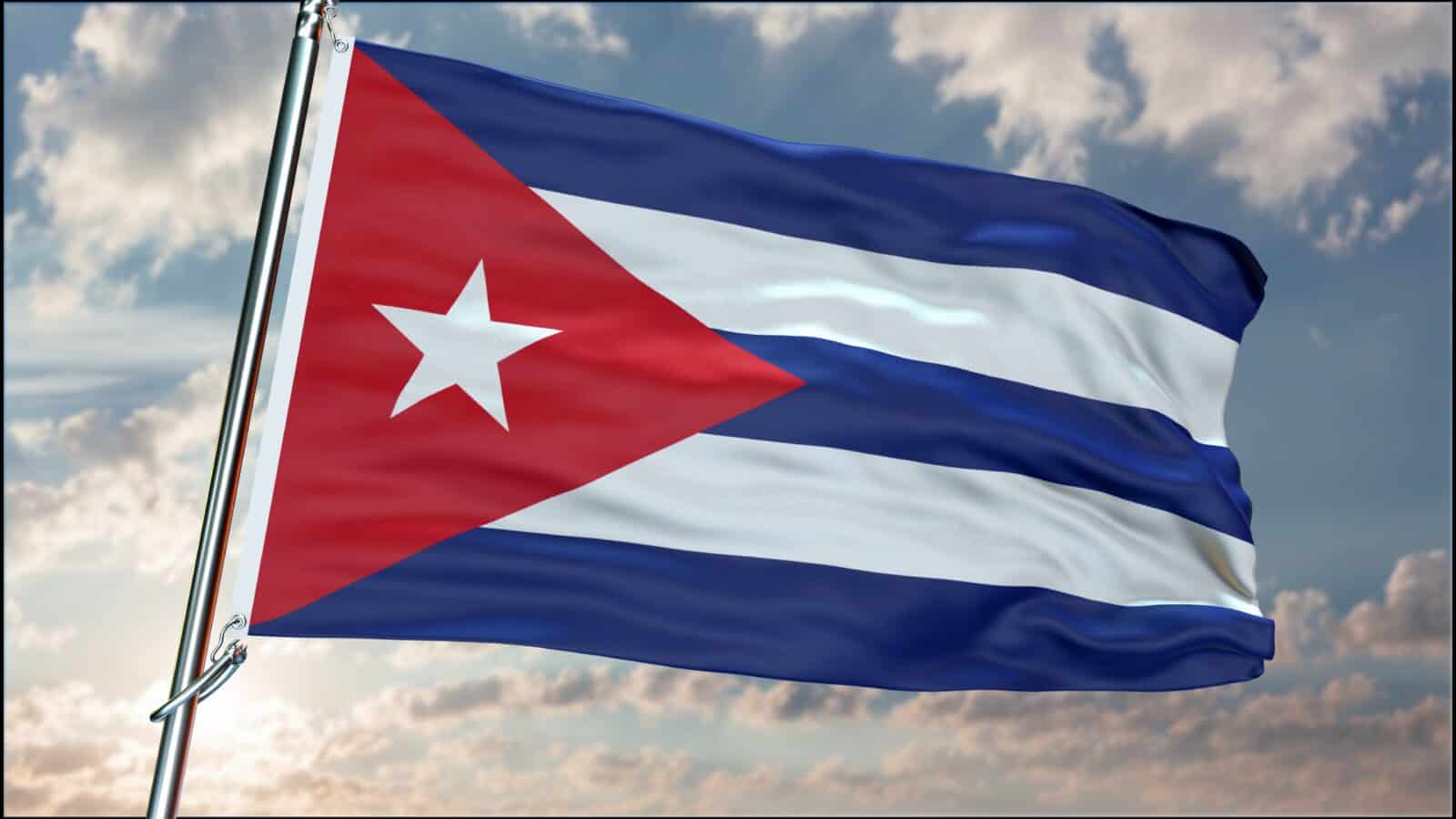
Cuba is not in the same risk category as North Korea, Iran, Syria, or Yemen, and that difference matters. The State Department lists Cuba at Level 2, “Exercise Increased Caution,” due to crime and unreliable electrical power. Still, Cuba can make Americans feel watched, limited, or politically awkward in ways that go beyond ordinary travel stress.
U.S. law prohibits tourist travel to Cuba, and the State Department says travel without an OFAC license is illegal. It also reports that Cuba’s electrical supply has been unreliable since October 2024, with prolonged nationwide outages and daily scheduled or unscheduled power cuts that can last up to 12 hours in Havana and longer in other parts of the country.
That mix of travel rules, blackouts, state messaging, and political friction creates a strange mood: Cuba may welcome U.S. dollars through legal travel categories, but the state’s relationship with America remains tense.
Visitors can feel tolerated rather than embraced, especially if they ask political questions, move beyond approved channels, or forget that speech, assembly, and scrutiny work differently there. Cuba is not a war-zone entry on this list. It is the quiet reminder that “unwanted” can also mean legal limits, soft surveillance, and a smile that never fully reaches the eyes.
A Short Reflective Close

The American passport still opens many doors. The 2025 Pew survey shows the country’s image has cooled in much of the world, with U.S. ratings dropping significantly in 15 of 24 surveyed countries.
The State Department’s Level 4 warnings add a harder edge, because those advisories are not about bruised pride or awkward conversations. They are about detention, kidnapping, unrest, terrorism, crime, health risks, closed embassies, and the hard truth that U.S. help may not arrive on time.
So the no-go list is really a mirror. It shows where travel risk, U.S. power, foreign policy, local anger, and fragile governments meet at the airport gate. Sometimes the world does not reject the American traveler as a person. It reacts to the flag stitched invisibly into the passport.
Key Takeaways

Several countries on this list are full Level 4 destinations, including North Korea, Iran, Afghanistan, Syria, Libya, Yemen, Belarus, Sudan, and Myanmar. Those warnings are tied to serious risks such as wrongful detention, kidnapping, terrorism, civil unrest, crime, and weak or unavailable U.S. consular support.
For an American traveler, that means the danger is not theoretical. It can become a border stop, a detention cell, a closed embassy, or a phone call nobody can answer fast enough. Pakistan, Venezuela, and Cuba need a more careful read. Pakistan is Level 3 with specific Level 4 regions. Venezuela is currently at Level 3 following a March 19, 2026, advisory change, with some areas still marked as Do Not Travel.
Cuba is Level 2, but U.S. tourist travel remains prohibited by statute without a valid legal basis, and power outages have added to travel stress since October 2024. Those differences make the article stronger because “unwanted” does not always mean the same thing. It can mean danger, law, politics, suspicion, or a tense welcome.
The bigger story is not that Americans should fear the whole world. It is that travel now asks for sharper judgment. Pew’s 2025 data shows that U.S. favorability has fallen in many of the countries surveyed, and the State Department’s advisories show that political tension can turn personal fast. A smart traveler reads the mood before booking a ticket, because some borders don’t just check your documents. They check the story your country carries.
Disclaimer – This list is solely the author’s opinion based on research and publicly available information. It is not intended to be professional advice.
Like our content? Be sure to follow us