10 “struggles” of growing up without the internet that Millennials secretly miss
Before Wi-Fi ruled every corner of our lives, millennials navigated a world where patience wasn’t optional—it was survival.
Life felt incredibly slow before broadband connections took over every household across the United States. Millennials remember a time when finding information meant opening an encyclopedia instead of asking a search engine. Waiting for a favorite song to play on the radio required extreme patience and quick reflexes with a cassette recorder. Those frustrating moments are often remembered fondly because they forced kids to appreciate the little things.
Today brings instant gratification with streaming movies and delivering groceries in minutes. However, a sense of magic was lost when everything became available at the push of a glowing button. Those childhood hurdles actually built character and created memories that a tablet screen simply cannot replicate. Exploring these forgotten everyday challenges reveals why the last analog generation still cherishes their disconnected youth.
Memorizing Phone Numbers For Everyone

Remembering a best friend’s home phone number was a basic survival skill for kids in the nineties. You had to physically dial the rotary or keypad phone and hope the parents did not answer first. Calling a crush involved sweating through a polite conversation with their father before finally getting them on the line.
Now people rely entirely on their contact lists to stay in touch with loved ones. A 2026 Pew Research Center study found that 9 in 10 American adults now use the internet daily. Letting a machine remember digits is easier, but it removes the personal connection of knowing a number by heart.
Waiting For Photos To Develop
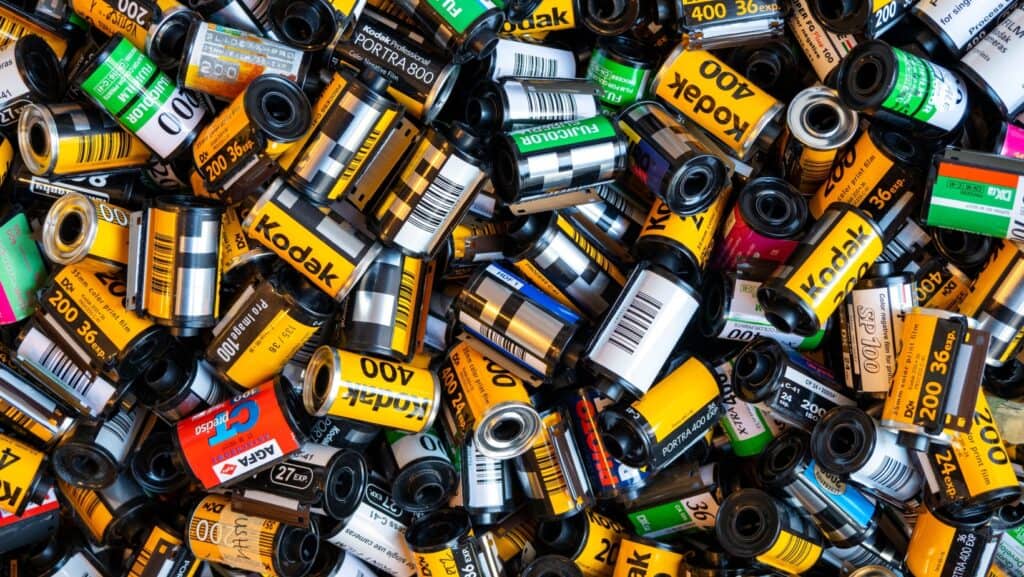
Taking pictures on a disposable camera meant hoping at least one shot out of two dozen looked decent. Dropping the film off at the drugstore started an agonizing wait that lasted several days. The suspense of flipping through glossy prints in the parking lot was an absolute thrill ride.
Digital cameras and smartphones eventually ruined that delightful element of surprise. According to a report from Magnet ABA, the average American spends over seven hours daily looking at screens. People snap hundreds of selfies today, but they rarely print them out to keep in physical albums.
Finding Your Way With Paper Maps

Road trips required a massive paper map that never folded back together the right way. Someone in the passenger seat had to act as the official navigator while squinting at tiny highway lines. Missing an exit meant driving for miles in silent frustration until a gas station appeared.
Global positioning systems make traveling foolproof, yet they eliminate the adventure of getting delightfully lost on back roads. Finding a hidden diner by pure accident felt like discovering a secret treasure chest. That sense of wild exploration simply does not exist when a robotic voice tells you exactly where to turn.
Renting Movies On Friday Nights

Walking into a video rental shop on a Friday evening felt like entering a holy sanctuary of entertainment. Families spent hours debating which new release to grab before all the popular VHS copies disappeared from the shelves. The smell of plastic cases and popcorn made the whole experience feel like a very special event.
Streaming services offer endless choices, yet picking a movie now feels like a tedious chore. According to a Gallup poll, 58 percent of adults in the United States feel they spend too much time on their smartphones. Having limited options at the local video store actually made families appreciate the movies they finally selected.
Making Mixed Tapes From The Radio

Creating the perfect playlist meant hovering over a boombox for hours with a blank cassette tape. You had to hit the record button at the exact right second to avoid catching the disc jockey talking. The resulting mix tape was a labor of love that communicated deep feelings better than any text message.
Modern applications generate instant playlists based on algorithms instead of genuine human emotion. A recent report by YouGov revealed that 22 percent of Americans still listen to broadcast radio daily. Nobody cherishes a digital link the way they cherished a handwritten cassette tape filled with static noise.
Reading Magazines For Cheat Codes

Beating a difficult video game required a trip to the grocery store to browse colorful gaming magazines. Kids memorized button combinations while their parents waited patiently in the checkout line. Writing the codes down on a scrap of paper was the only way to unlock hidden game characters.
Modern gamers just search online video platforms for immediate walkthroughs and incredibly easy solutions. A 2023 Entertainment Software Association report shows 65 percent of American adults play video games regularly. The genuine satisfaction of figuring out a hard level through sheer determination has completely vanished.
Getting Disconnected By Incoming Calls

Early telephone internet made a horrible screeching noise that signaled the start of your digital session. Downloading a single low-resolution image could take ten minutes of agonizing patience. If a family member picked up the phone in another room, the entire connection dropped instantly.
That annoying interference actually provided a natural stopping point for computer time. According to a 2024 study by the American Psychiatric Association, 43 percent of adults say they feel more anxious, and social media likely plays a role in that. Being forcefully logged off kept kids from spending their entire evening staring aimlessly at a glowing monitor.
Passing Handwritten Notes In Class

Texting under the desk was impossible before cell phones became small enough to hide in pockets. Friends communicated by folding notebook paper into tiny footballs and tossing them across the classroom. Unfolding a secret message while the teacher turned around felt like executing a dangerous spy mission.
Digital messaging is much faster, but it lacks the personal touch of recognizing someone’s distinct handwriting. Kids today will never understand the pure joy of discovering an intricate origami note inside their locker. Those physical scraps of paper were tangible proof of friendship that could be saved in a shoebox forever.
Looking Up Facts In Encyclopedias

Winning an argument about trivia required pulling a heavy encyclopedia volume down from the bookshelf. Finding the answer took serious dedication and a solid understanding of alphabetical order. Reading about one topic often led to getting distracted by fascinating pictures on the adjacent pages.
Having all human knowledge available instantly makes information feel cheap and highly disposable. The physical act of hunting for knowledge made the final answer feel much more valuable and permanent. Nobody feels a sense of glorious victory after quickly typing a question into a search bar.
Experiencing Genuine Boredom Sometimes

Rainy summer afternoons often meant lying on the living room floor with absolutely nothing to do. You had to invent silly games or actually use your imagination to stay entertained. Staring at the ceiling forced kids to daydream and come up with incredibly creative ways to pass the time.
Smartphones eradicated boredom completely by providing endless streams of content at all hours of the day. People reach for a digital screen the moment they have to wait in line for their morning coffee. Losing the ability to just sit quietly with human thoughts is the biggest tragedy of the modern age.
Like our content? Be sure to follow us.