12 Ways Modern Dating Is Emotionally Exhausting
Swipe fatigue feels real because modern dating asks women to do emotional cardio before they even reach a real connection. The Institute for Family Studies’ 2026 State of Our Unions report found that 74% of young women had not dated or had dated only a few times in the past year, suggesting this scene feels harder than many people admit.
Bumble’s 2025 dating trends report found that 41 percent of singles are celebrating more authentic dating content that reveals highs and lows, suggesting a broader desire for authenticity over performance. Both of those combine to form a savage tension.
Women desire substance, protection, hard work, and understanding, and too much of dating life still brings in misunderstanding, procrastination, and emotional ups and downs. Modern dating eats the heart out of you in 12 different ways.
Endless swiping wears down your mind

Dating apps may make you work your thumb more than your heart, and that habit tames quickly. According to Forbes Health, at least 78 percent of dating application users are overwhelmed by the apps at least once, emotionally, mentally, or physically. That stat is understandable since swiping produces no actual momentum.
You scan profiles, read one-line bios, make snap calls in an hour, but you still go to bed without either a plan or a spark. It becomes homework in the form of selfies. Once the rounds are sufficient, profiles become blurred, and hope begins to flatten. You are not curious; you are overstimulated. Such burnout is so insidious that one day, romance is just another task on a screen.
You spend too much energy guessing intentions

The dating culture in modern society tends to demand that women read between the lines before they can experience chemistry, and that detective work is wearisome. A Green Flags Study conducted by Tinder found that two-thirds of women believe men want casual flings.
Some women will begin reading between the lines on a first date, knowing the tone of the profile, when a text was sent, and other details. Such hypervigilance is a heart shield, but it burns off your energy. Your brain cannot rest and work in connection with someone with whom the pilot informs you about background checks on his or her sincerity.
Flirting becomes heavy when suspicion dominates the entire communication. Even a mere conversation begins to seem like an examination that you must take and also mark simultaneously. Such perpetual speculation makes many women exhausted even before anything real comes into existence.
Situationships keep you stuck in emotional limbo

Limbo is more likely to wear a woman down than a breakup, since it offers attachment with no assurance. YouGov found that half of Americans aged 18-34 have been in a situationship. That is why there are so many lost daters rather than grounded daters. These near-relationships usually provide love, routine, and emotional availability, yet they avoid the maturity that allows an attachment to thrive in tranquility.
You begin investing as though it were important, but you still have no idea what you are building. The resulting gap creates anxiety, second-guessing, and self-editing. You can remain since the relationship seems intimate, yet the ambiguity continues poking holes in your peace. Over time, such a gray zone may carry more weight than a sincere no.
Ghosting cuts off closure and keeps your mind spinning

Ghosting is devastating because it closes the door without leaving your mind a place to land. A vast number of individuals are aware of the awkward shock of going from receiving texts every day to complete silence. You repeat the previous text, wonder why you did it differently, and wonder why it is different.
Even assertive women may lose their ground in a minute, since silence allows all the ugly theories to float. A pure rejection will likely be painful, but misunderstanding can be even more lasting.
Ghosting also trains you to anticipate disappointment; it becomes more difficult to be open to the next person. Such emotional halting and pausing beat may exhaust even the most positive dater.
Dead-end chats steal time and attention
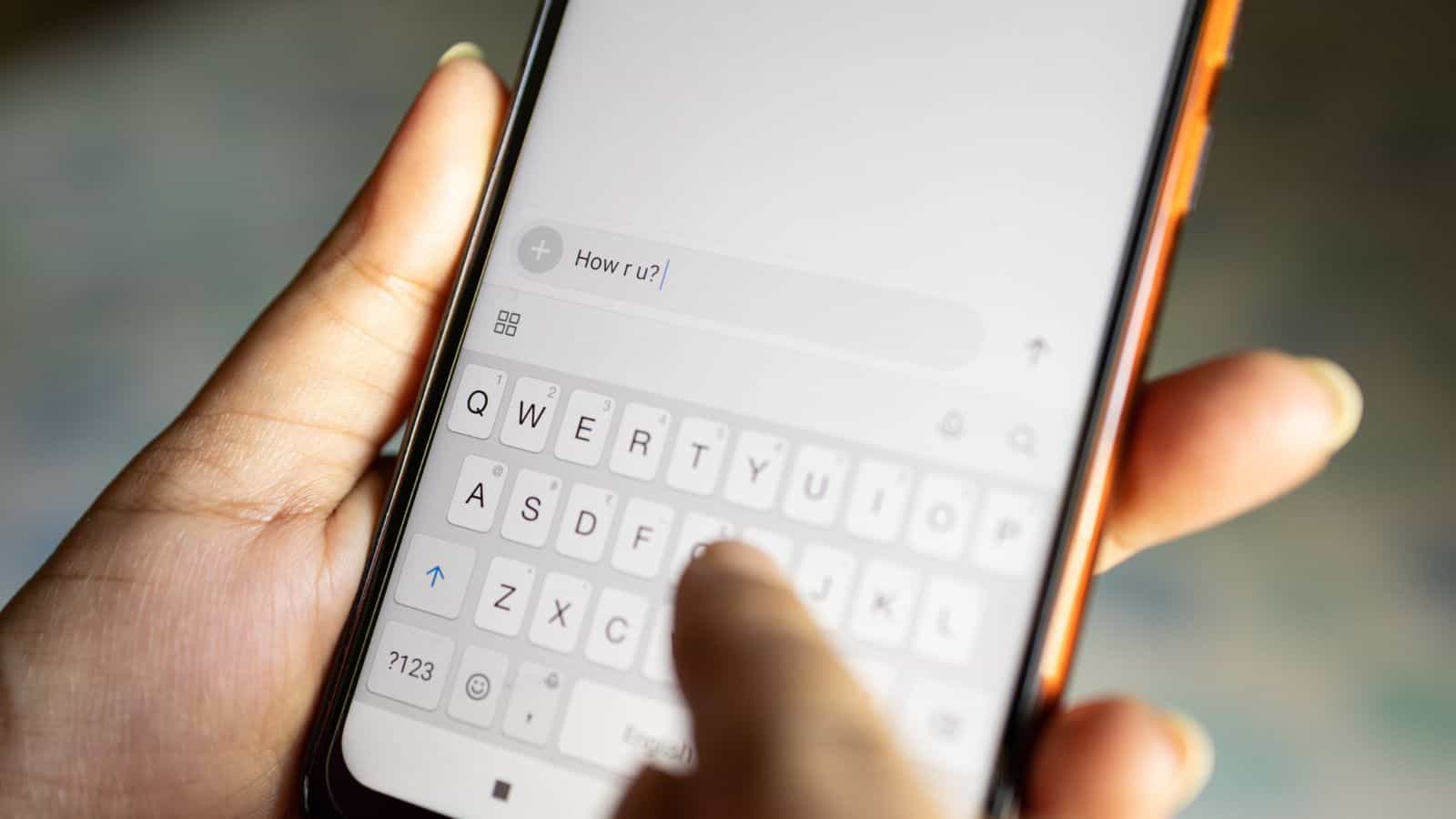
Not all dating discussions crash, but crawl on slowly and irritatingly. Hinge found that a lack of responsiveness was one of the biggest dating difficulties, mentioned by 44 percent of daters. That trend is exhausting since it keeps you emotionally half-hearted. You reply, wait, check the phone, ask yourself whether the vibe went down, and then see the chat turn off without ever leaving.
Such a state of limbo has a way of clouding your head. It consumes time that would be spent on real life, real sleep, or a better match. You are parked rather than chosen. An inbox of conversations halfway done can turn dating into a connection with romantic side effects.
Deep conversations get delayed for no good reason

Many daters claim they are seeking depth, yet most wait for the other person to make the first move. Hinge has discovered that 49 per cent of heterosexual Gen Z women are reluctant to initiate deep conversations on the first date, as they feel that the other individual should initiate the conversation.
This silence forms an awkward emotional traffic jam. Both individuals might desire something authentic, but the date remains stuck in protective small talk about brunch locations, vacation aspirations, and TV series. Superficial chatter may be cute within a few seconds, but it is tiresome when you are in a mood that demands content.
Women have to handle the frustration of an evening that could have been good but failed to open up. You go away thinking, That was alright, not that you really saw. Having too many fine dates may make dating absolutely boring.
Vulnerability can leave you with a hangover after the date

Connection should be established by opening up, and in modern dating, the ability to tell the truth is perceived as a threat. You post something true, perhaps a fear or a hope or a bitter experience, and your brain begins to review this in its entirety as soon as you are at home.
Did I say too much? Did I sound needy? Did I kill the vibe? The veracity of such a mental spiral becomes costly. Female readers who desire to feel something will still withdraw, since they do not wish to feel vulnerable or humiliated. Over time, such a trend transforms dating into a balancing act between being real and being safe.
Even a good first date can turn into a waiting game

A good first date would make you feel relieved, but the current dating world has provided a new dose of stress immediately after the climax. Hinge discovered that 49% of daters have not sent a follow-up message to a great first-date partner because they feared being presumed.
That anxiety makes people act cool when they are not. Instead of generating any momentum, the two sit in silence, staring at their phones. Instead of strategy, women usually turn simple interest into an emotional calculation of timing, tone, and pride.
In that game, the sweetness takes out of the natural what it should be. A date might be wonderful, but still die in the interim between candor and coyness. That is wearying in the most unnecessarily way possible.
Social media has made dating feel weirdly performative
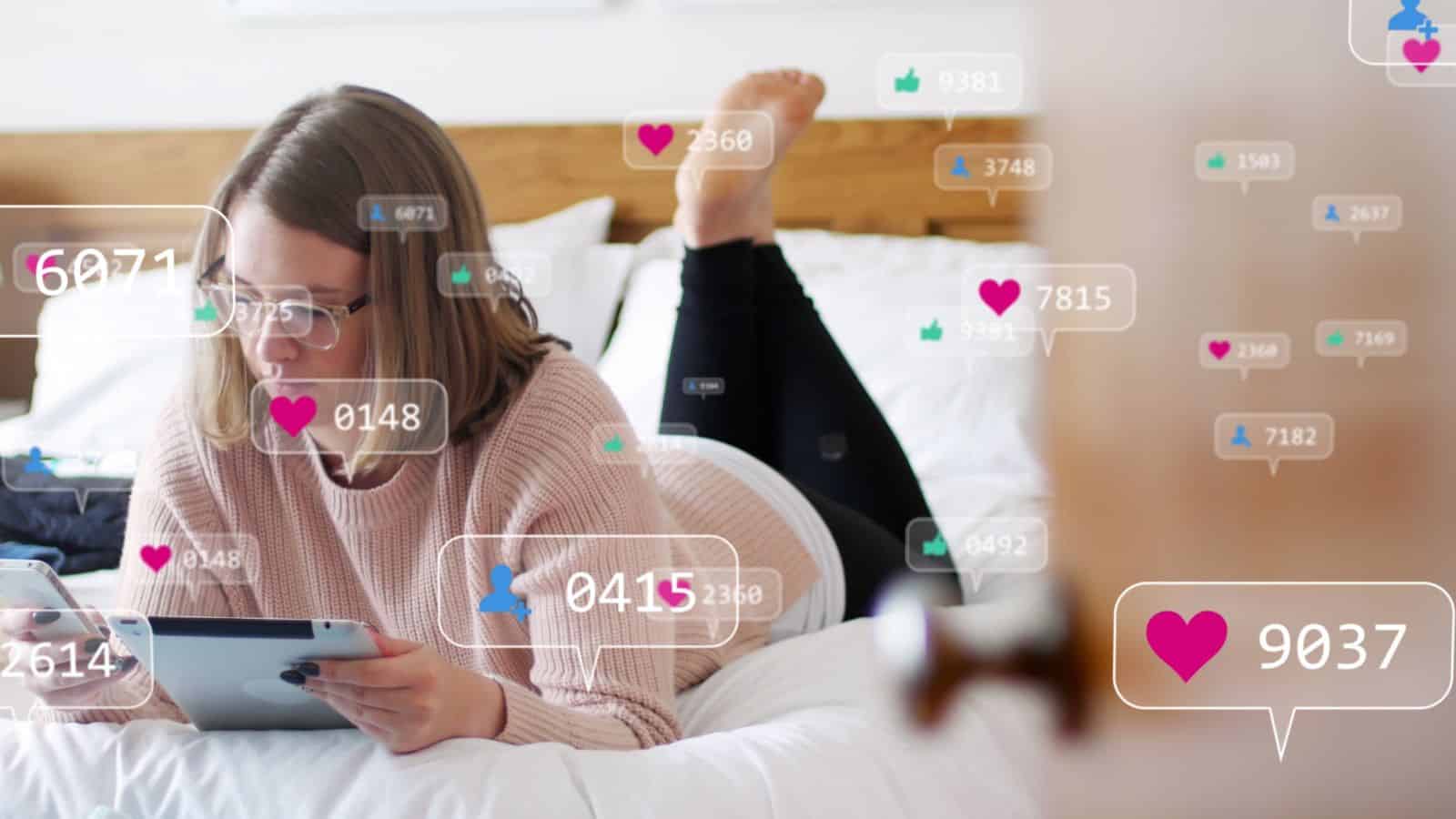
Dating is supposed to be intimate, yet social media continues to compel individuals to package their content. These days, too many dates are with one eye open and the other eye on how the experience will look. The pressure to appear nonchalant, fascinating, desirable, and worry-free may turn a normal relationship into a low-budget act.
Women experience pressure during posing, overthinking, and the urge to retouch all responses. You no longer ask the question, “Do I like this person? and begin to inquire, “What am I doing? That change can kill the joy out of dating in a very short time.
Safety concerns keep your nervous system on alert

A woman may like a person and feel the need to be on guard, and that pressure demands real energy. A Consumer Reports survey of over 114,000 subscribers found that 46 percent of those hesitant about online dating cited concerns about being scammed or about the person not being who they say they are.
That indecision defines how you text and where you go. You cross-reference screen pics, search for suspicious activity, update your friends on your location, and have an escape plan in mind. It is reasonable that those habits would keep your body in a state of caution.
Romance will not be light when safety checks are conducted in the background at all times. Many women are not preparing for a date; they are preparing to take a risk. The additional work is rarely counted, yet it is a heavy burden on the overall experience.
Bare-minimum effort feels like its own red flag

Many women do not request fantasy; they request steadiness, arrangement, and noticeable purpose. Based on available research regarding relationship dynamics, many women prioritize a partner’s emotional labor, commitment, and effort in building a relationship over the partner’s ability to earn a high income. That tells you that it is no more than some bar.
The bar is as much as showing up like you mean it. Nevertheless, many women continue to experience vague plans, half-awake texting, and lack energy. The absence of such a fit leads to frustration, as hard work is a sign of concern. In situations where effort is lacking, the women tend to shoulder the conversation, the planning, and the emotional burden.
All that work can make dating sad, even in the company of another person. Nothing is more exhausting on the heart than trying to establish rapport with someone who keeps showing you the bare minimum.
The quiet dating pool makes every letdown feel bigger

Contemporary dating is even more tiring, as most women date less frequently, making each bad date feel more significant. According to the 2026 State of Our Unions report by the Institute for Family Studies, 74 percent of young adult women had not dated or had dated only a few times in the last year. Such a scarcity alters the emotional math.
The bad dates will strike even more than they should if there are few of them. An experience of ghosting, a forgettable date, or a limbo scenario ceases to seem like a slight hiccup. Instead, it appears as a case of wasted time amid a finite amount.
Women can also feel pressure to make it count, which can increase stress levels before the union even begins. The same pressure may be used to squeeze the fun out of getting to know a person. Finding a partner must be a lively, optimistic experience rather than a depressing activity you need to recuperate from for 3 working days.
Key takeaway

Contemporary dating is exhausting for women because it places too many emotional demands on a single experience. You need to wade through burnout, crossed signals, limbo, ghosting, safety checks, weak effort, and the push to remain open anyway.
The statistics reveal that women still desire depth, sincerity, and true follow-through, yet the path to them often seems crowded with distractions and preventive measures. That does not imply that love has disappeared. It implies that the dating culture they are in may require women to preserve their peace while also finding a connection, and that balancing these demands may be tiring.
To reduce your standards is not the wisest thing to do. It is to maintain your standards, observe patterns early, and select individuals who bring stability rather than disorder.
Like our content? Be sure to follow us.