10 Middle-Class “Normal” Purchases That Quietly Drain Your Retirement Saving
If you grew up middle class, a lot of spending patterns feel completely normal because everyone around you does them. You keep the bigger house, swipe the card for small conveniences, and help out adult children because it feels loving and responsible. The problem is that in retirement you have shifted from earning to drawing down savings and fixed income, so every familiar habit carries more financial weight than it did before.
Let’s walk through ten everyday purchases that seem harmless but can quietly hollow out a nest egg — and shows you how to course-correct without giving up the life you have built.
Why “normal” spending hits harder once you stop working

In your working years, a little overspending can be patched with overtime, bonuses, or a raise. Once you retire, that cushion disappears. According to the Department of Labor’s guidance on retirement readiness, most people dramatically underestimate how many years they will spend in retirement and how quickly ordinary costs add up when there is no paycheck replacing what goes out. The gap between what people think retirement will cost and what it actually costs is one of the most consistent findings in personal finance research. Getting a realistic picture of your own spending is the single most valuable thing you can do before or early in retirement.
Oversized housing that no longer fits your life

Many retirees stay in larger homes long after the kids are gone, absorbing higher property taxes, insurance, utilities, and an endless stream of maintenance. Even a paid-off home carries real ongoing costs that most people undercount. According to the U.S. Department of Labor’s Retirement Toolkit, housing should be one of the first budget lines near-retirees stress-test against their projected fixed income. Even routine “just one more” upgrades, a new kitchen, fresh flooring, a second garage door, can consume money that could otherwise be earning returns over a 20-plus year retirement.
Subscription creep you barely notice

Streaming platforms, app subscriptions, cloud storage, digital newspapers, fitness apps, and software renewals rarely feel like big decisions when each one costs $10 or $15 a month. But $150 to $300 in monthly subscriptions can easily hit $3,600 a year, and over a 25-year retirement that is a significant sum, especially if you are also paying interest on a credit card. Many households go years without auditing their recurring charges because each individual line seems trivial. A simple annual review, canceling anything you have not actively used in the past 30 days, is essentially a risk-free income increase with zero lifestyle sacrifice.
Read: 7 “Small” Monthly Charges That Quietly Add Up to Over $1,000 a Year
Dining out and delivery as a default, not a treat

After decades of working and cooking for a family, leaning more on restaurants, takeout, and delivery services feels well-earned, and it is. The issue is cost creep when it becomes the default rather than the treat. Delivery platform fees, service charges, and tips can inflate the real cost of each order by 20 to 30 percent above the menu price. The National Institute on Aging’s guidance on paying for long-term care reminds families that even people who believed they had saved enough often find monthly expenses outpace expectations once care costs and everyday lifestyle costs stack together. Turning two or three restaurant nights a week into one intentional outing can free up hundreds of dollars a month without changing how you feel about life.
Read: 12 Reasons Dining Out Just Doesn’t Feel Worth It Anymore
Car leases, extra vehicles, and the transportation trap
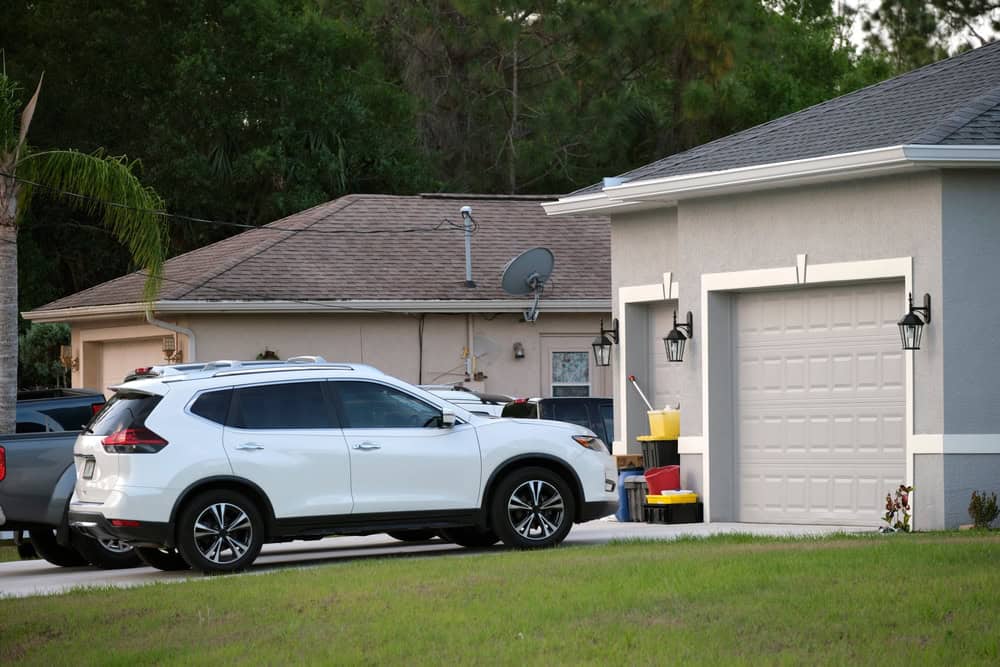
New car leases and financing deals are aggressively marketed to older adults who value safety, comfort, and technology, and those are reasonable priorities. But two-person households that keep three vehicles “just in case” are paying insurance, taxes, registration, and maintenance on an asset that may sit in the driveway most of the year. Transportation is one of the largest controllable expense categories in retirement when you add up every associated cost. Downsizing to reliable, paid-off vehicles and honestly asking whether you really need that extra car can redirect thousands of dollars per year into savings or experiences that actually matter to you.
Helping adult children in ways that quietly hurt you

Many parents cover phone bills, car insurance, rent top-ups, and emergency shortfalls for adult children and grandchildren because it feels like the loving thing to do. And sometimes it is. The risk is when those contributions become open-ended and unplanned, consuming money that should be funding your own healthcare or independence later. The Consumer Financial Protection Bureau’s resource on planning for diminished capacity and financial security as you age stresses that protecting your own financial documents and assets is an act of care for your family, not selfishness. Setting a firm monthly “family help” budget and sticking to it protects both generations.
Read: 10 things parents must stop expecting from their adult children
One-click shopping and impulse spending on autopilot

Contactless pay, one-click online ordering, and “buy now, pay later” plans have made it easier than ever to turn idle scrolling into spending without it feeling like a real financial decision. For retirees on fixed income, those small impulsive purchases accumulate quietly and are rarely reflected in how people describe their spending habits. A 24-hour pause rule for any non-essential online purchase, combined with removing stored payment details from retail sites, slows you down just enough to make deliberate choices rather than reflexive ones.
Underestimating the true cost of health care

Even with Medicare, retirees face premiums, deductibles, copays, dental work, vision exams, hearing aids, and over-the-counter health products that accumulate relentlessly. Research consistently shows that out-of-pocket health costs in the last five years of life alone can exhaust the savings of households that considered themselves financially comfortable going into retirement. Planning for realistic health-care scenarios, including long-term care, is not pessimism. It is the single most important buffer you can build against a situation where a medical event becomes a financial catastrophe.
Bucket-list travel budgeted loosely, or not at all

The gap between what people imagine spending on travel and what they actually spend tends to be large once you add peak-season pricing, travel insurance, airport meals, resort fees, and spontaneous upgrades. Early retirement is often the best window to take the big trips, and that is a completely valid priority. The key is treating travel as a line item in an actual plan rather than an open-ended fund you draw from when the urge strikes. Building each major trip into a written budget, comparing it to your annual income, and deciding in advance what you will do and what you will skip makes travel sustainable rather than a slow drain you only notice years later.
protecting future you without sacrificing now

You do not have to give up every comfort to protect your retirement. But what felt like normal middle-class spending at 45 can quietly undermine your independence at 70. By trimming a handful of high-impact categories, running an honest annual spending review, and using tools from the Department of Labor and Social Security Administration to stress-test your income picture, you give future you a far better shot at staying financially independent, generous, and in control of your own life.
Disclosure: This article was developed with the assistance of AI and was subsequently reviewed, revised, and approved by our editorial team.
Like our content? Be sure to follow us on MSN and Newsbreak