If you spent your 20s paying off student loans, you probably have these 11 unspoken financial fears
Paying off student loans can look like freedom on paper, yet the habits and fears built during those grinding years quietly follow you into every financial decision afterward.
Throwing a massive chunk of your starting salary at student debt feels like tossing cash into a bottomless pit. You watch your friends buy houses and travel while you eat ramen and check your loan balance. That decade of aggressive repayment leaves a permanent mark on your personal psychology. It changes how you view money for the rest of your life.
Breaking free from Sallie Mae is a huge victory that deserves a massive celebration. The harsh reality is that the fear of debt lingers long after you send that final payment. You start second-guessing every purchase because the trauma of owing thousands never really fades away. Here are the unspoken anxieties that haunt anyone who spent their twenties buried in educational debt.
Fear of Slipping Back Into Debt

You finally reach a zero balance and swear you will never owe another dime to anyone. The thought of carrying a balance on a credit card makes your stomach tie into knots. A Bankrate survey found that exactly 47% of credit card holders carry a balance from month to month.
This statistic terrifies you because you remember exactly how suffocating interest payments feel. You obsessively check your bank accounts to make sure you have enough cash for everything. Taking out an auto loan feels like an absolute betrayal of your hard-won financial freedom.
Panic Over Being Behind on Retirement

Diverting all your extra cash to student lenders means your retirement accounts probably look incredibly sad. You realize you missed out on a decade of compound interest, and panic sets in immediately. Investopedia reports that the median retirement account balance for Americans under 35 is $18,800.
Seeing numbers like that makes you want to dump every spare penny into index funds. You feel an intense pressure to catch up before you hit your golden years. Retirement suddenly feels like a ticking clock instead of a relaxing beach vacation.
Guilt Whenever You Splurge on Yourself

Buying a simple latte used to induce waves of guilt because that five dollars belonged to your loans. You still calculate how many hours you had to work to afford a nice dinner out. The habit of extreme frugality is incredibly hard to break, even when you have disposable income.
You treat yourself to a nice vacation and spend the entire trip worrying about the hotel bill. A 2023 American Psychological Association study shows that 63% of adults cite money as a significant source of stress. Your brain refuses to accept that spending money on joy is actually a good thing.
Anxiety About a Nonexistent Emergency Fund
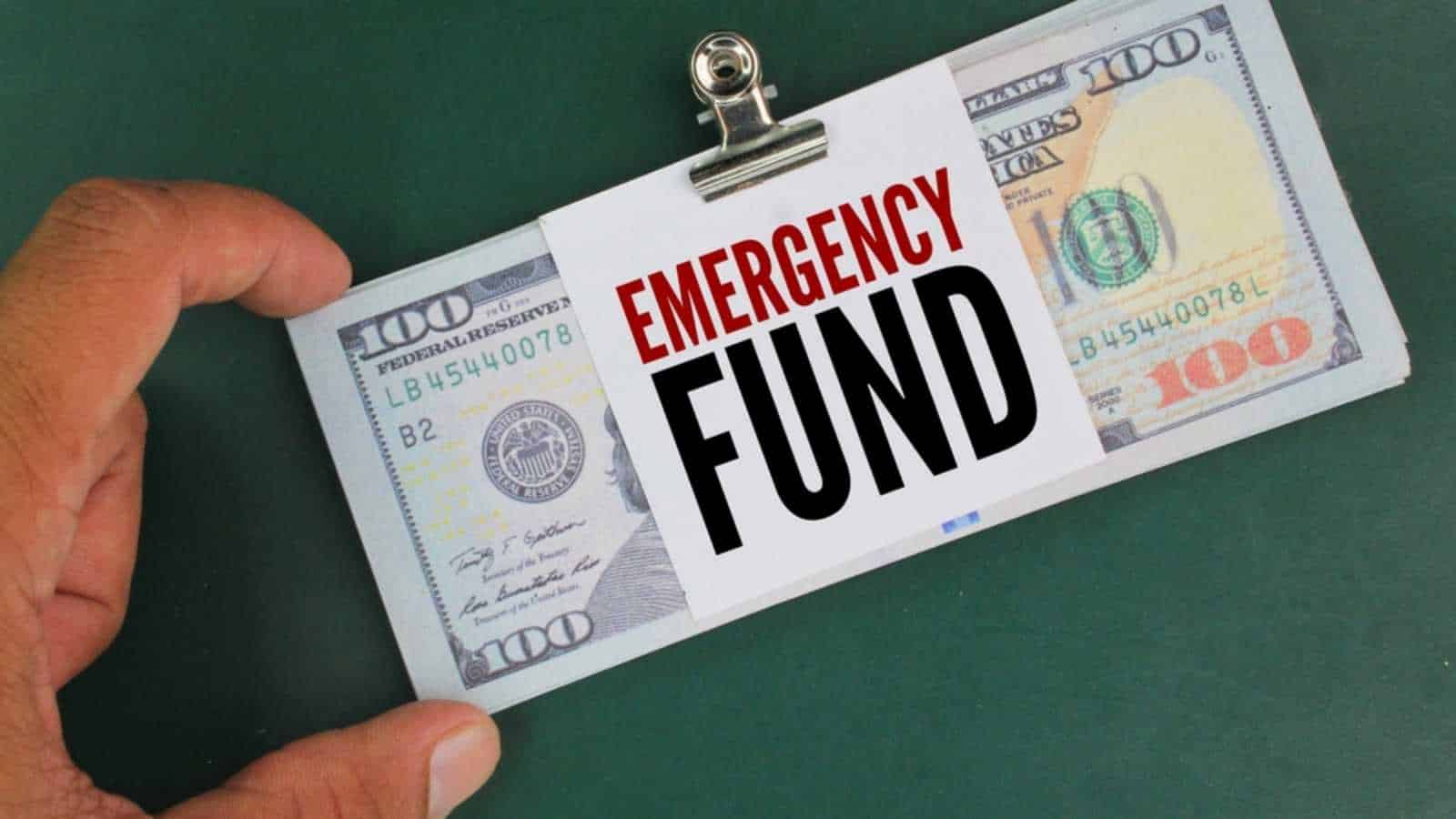
Funneling every paycheck into debt repayment usually means your savings account is completely empty. You live in constant fear that a single medical bill or car repair will ruin you financially. Every weird noise your vehicle makes sends a shiver straight down your spine.
According to a 2024 Bankrate report, only 30% of Americans can cover a $1,000 emergency expense using their savings. You desperately try to build a safety net so you never become part of that statistic. Building a cushion takes time, and the waiting period feels absolutely agonizing.
Terror of Losing Your Primary Income

Your job was the only lifeline keeping you afloat while you tackled your massive student loans. The idea of getting laid off sends you into a total downward spiral of pure anxiety. You probably take on extra projects at work just to make yourself feel completely indispensable.
You scour job boards on the weekends just to make sure backup options actually exist. Having a side hustle feels mandatory because relying on one employer seems incredibly risky. You equate your monthly paycheck with actual survival, and losing it feels like a death sentence.
Hesitation to Invest in Real Estate

Buying a house means signing up for a mortgage that dwarfs your old student loan balance. Taking on hundreds of thousands in new debt sounds completely insane to your traumatized brain. You watch housing prices skyrocket and wonder if you missed your chance to build equity.
The National Association of Realtors recently reported that the median age of a first-time homebuyer jumped to 40 years old. You fall right into this demographic because your twenties were entirely devoted to paying off education costs. Renting feels safer because you can just walk away at the end of your lease.
Obsessive Tracking of Your Credit Score
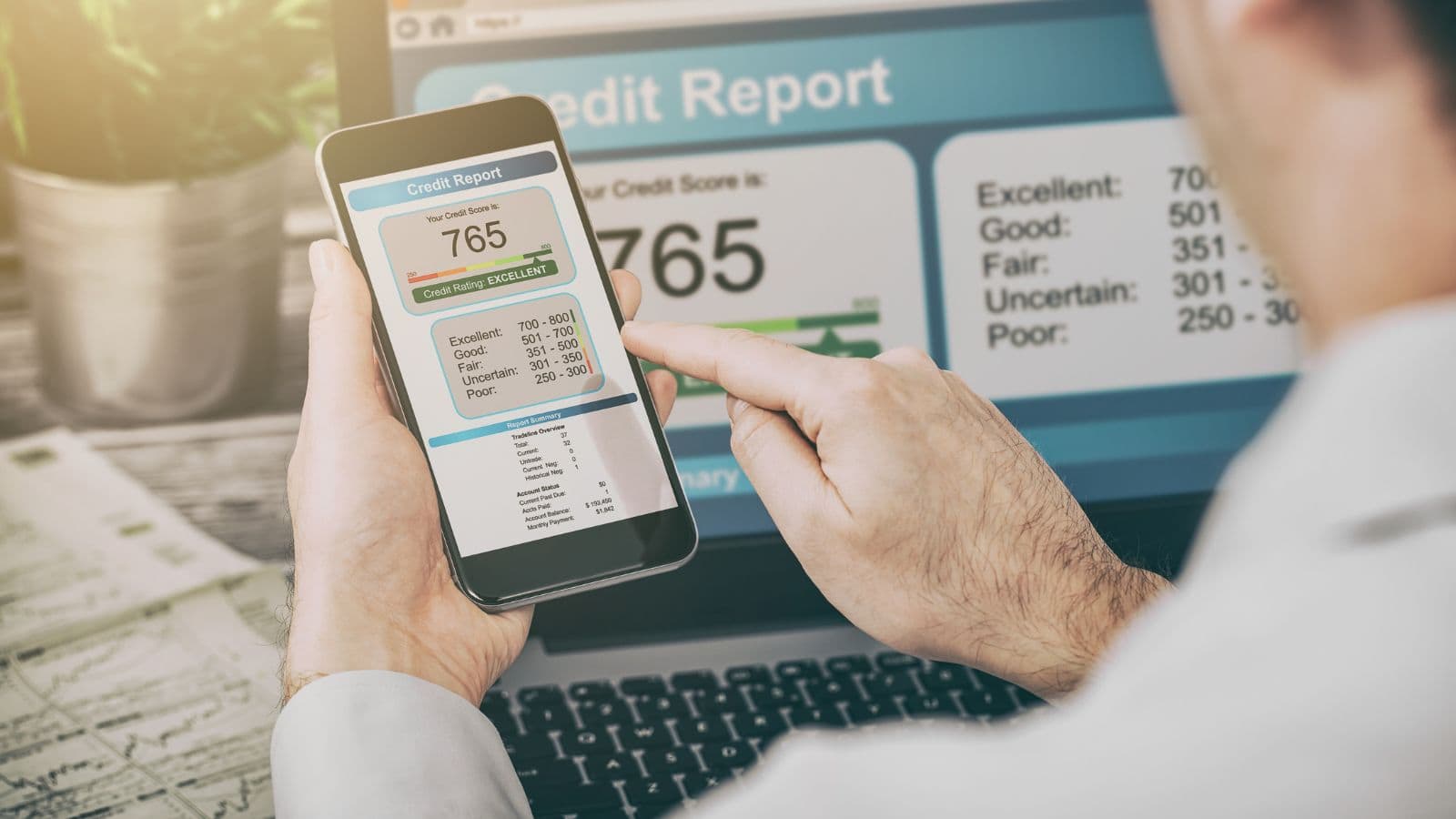
You spent years building up your credit history by making on-time student loan payments. Checking your credit score becomes a weird weekly hobby that you cannot seem to stop. A drop of five points feels like a massive personal failure that requires immediate investigation.
You refuse to close old credit cards because you desperately need that long credit history. Every financial decision is weighed against how it will impact your precious three-digit number. Your identity is strangely tied to a metric created by credit bureaus to judge your worthiness.
Discomfort Discussing Finances With a Partner

Dating while aggressively paying down debt meant saying no to expensive dinners and weekend getaways. You carry a deep fear that a romantic partner will judge your past financial struggles. Merging bank accounts feels terrifying because you have finally achieved total control over your own money.
A 2024 Fidelity Investments study found that 45% of couples argue about money at least occasionally. You want to avoid those fights, so you just keep your financial thoughts completely to yourself. Money remains a taboo subject even with the person you love the absolute most.
Fear of Helping Family Financially

Your parents might ask for a small loan, and you immediately freeze up in panic. You want to be generous, but you are terrified of draining your own hard-earned accounts. Setting financial boundaries with loved ones feels incredibly awkward and deeply uncomfortable.
You politely decline requests to co-sign loans because you know the risks all too well. Lending cash to siblings feels like an invitation to destroy your carefully planned budget. Protecting your financial peace means you have to say no more often than you want to.
Imposter Syndrome Around Wealth Building

Opening a brokerage account makes you feel like a child playing dress up in adult clothes. You stare at investment charts and feel completely unqualified to make big wealth decisions. Your financial literacy was entirely focused on debt reduction instead of asset accumulation.
You hesitate to hire a financial advisor because you feel like you lack enough actual wealth. Reading books about investing feels like learning a completely foreign language from scratch. You constantly worry that one bad stock pick will erase years of financial progress.
Reluctance to Change Careers or Take Risks

Starting a business requires capital and a risk tolerance that you simply lack. You stay in a boring corporate job because the steady paycheck feels incredibly safe and warm. Chasing a passion project feels foolish when you know exactly how brutal poverty can be.
Your friends quit their jobs to backpack across Europe, and you think they are completely nuts. Stability is your ultimate goal because chaos reminds you of your broke college days. You sacrifice your wildest dreams just to keep your bank account steadily growing every single month.
Like our content? Be sure to follow us