11 phrases Americans use when they are completely exhausted by out-of-control tipping culture
Somewhere between convenience and coercion, tipping has quietly transformed from gratitude into obligation.
Going out for a quick bite or a simple coffee run feels a lot more expensive lately. Consumers are constantly met with a glowing screen asking for extra money before they even get their receipt. The exhaustion is real, and folks are finally speaking up about the constant pressure.
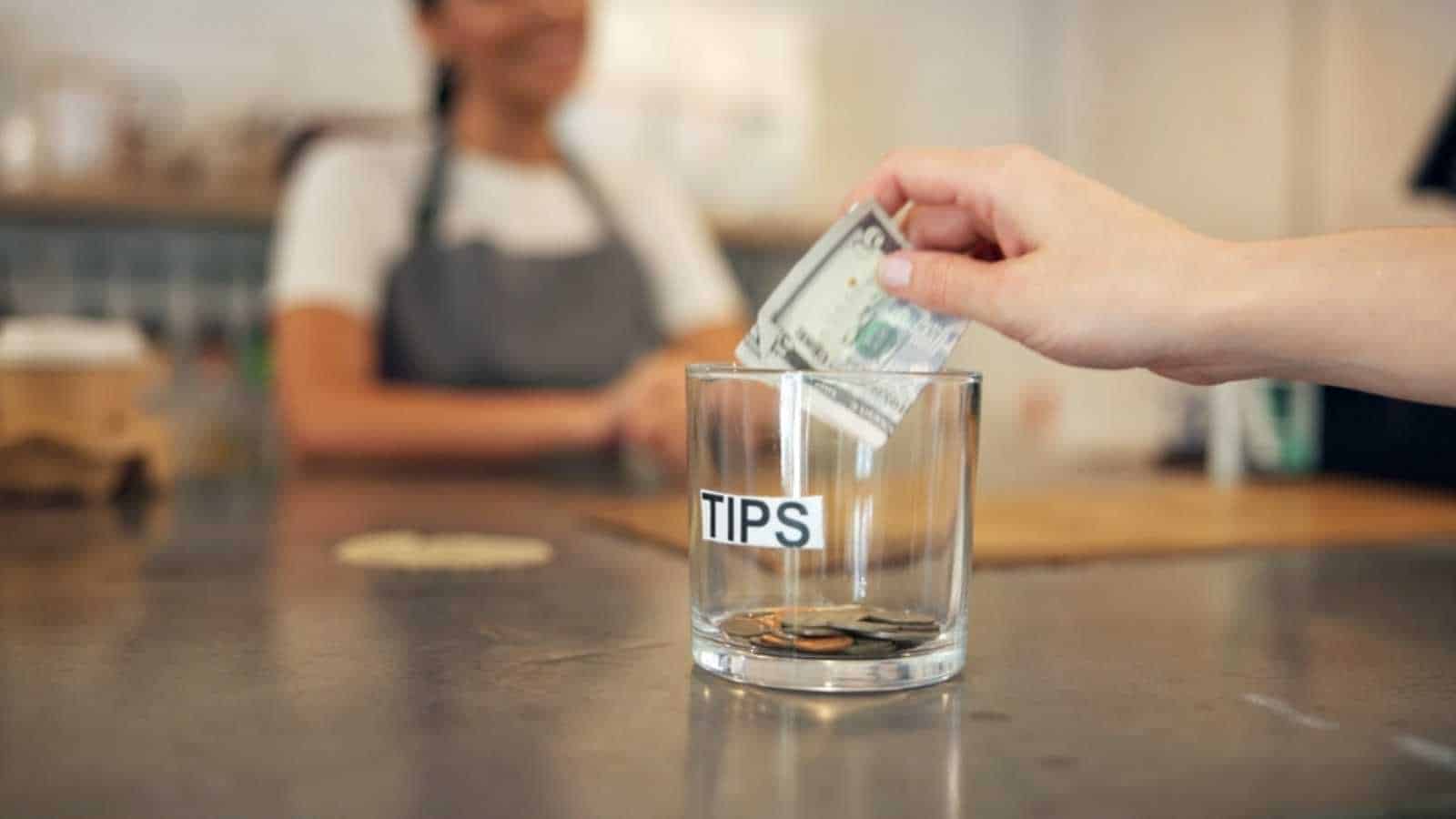
Customers stand at the register feeling entirely put on the spot by an unexpected tip request. It creates an uncomfortable standoff between the buyer and the cashier over a few dollars. Grabbing a quick snack suddenly feels like a confusing moral dilemma.
I Am Just Picking Up A Black Coffee
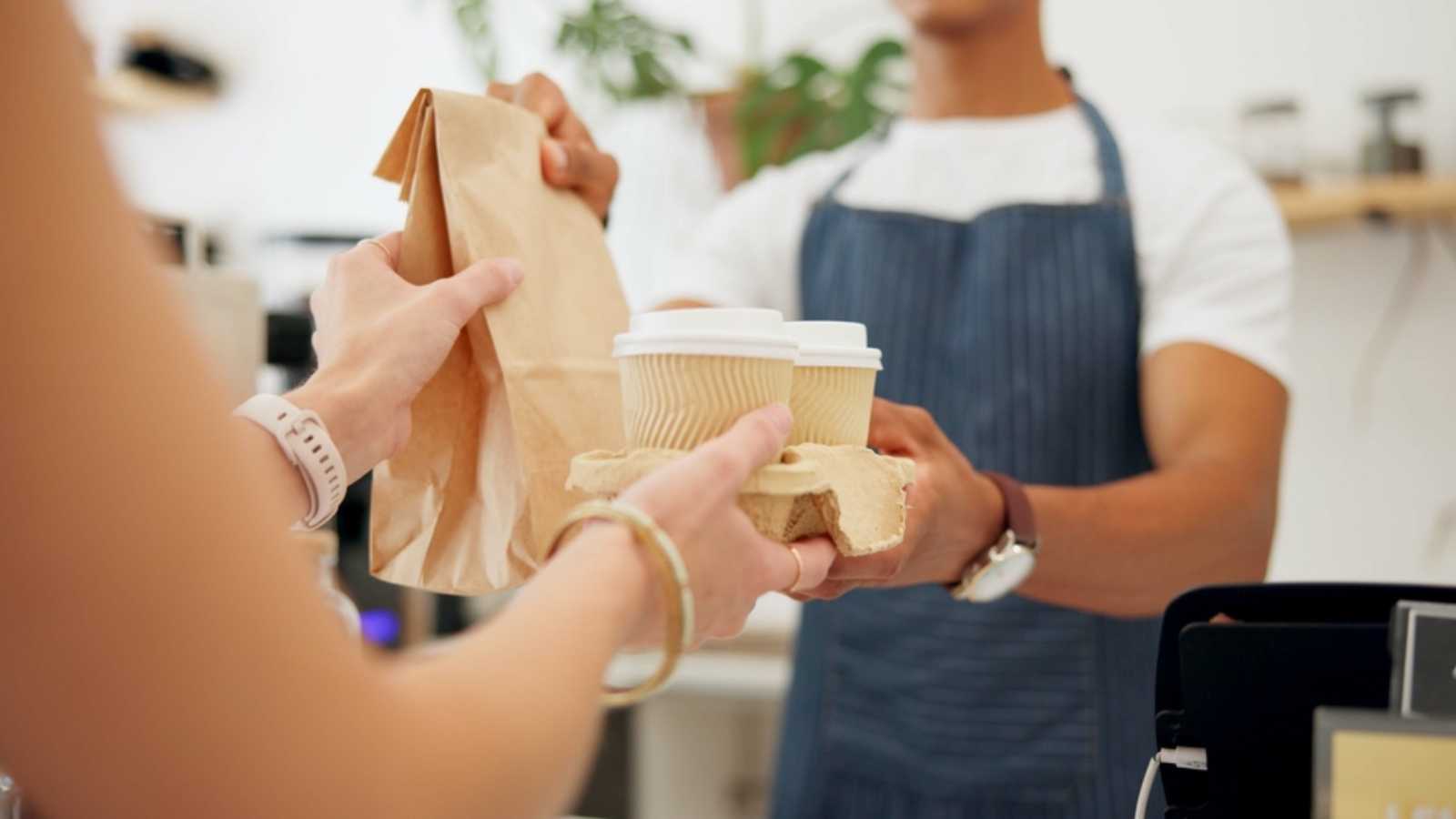
There was once a time when grabbing a simple morning beverage required nothing more than a couple of quarters. Modern point of sale systems have turned that quick transaction into an awkward financial negotiation. You just stand there wondering why pouring hot water into a cup warrants a twenty percent gratuity.
The barista did exactly what their job description requires without any extra service. Paying extra for someone literally just handing over a paper cup feels completely absurd to most people. Americans are drawing a hard line in the sand regarding everyday counter service.
They Just Spun The Screen Around

Nothing strikes fear into the heart of a modern consumer like a cashier aggressively pivoting an iPad. According to a 2025 Gratuity Solutions report, sixty-six percent of consumers feel pressured to tip when digital screens suggest gratuity amounts. The physical motion itself forces an immediate and often guilt-ridden decision.
You are left staring at a brightly lit display while a line of impatient people breathes down your neck. The employee is standing inches away and watching your finger hover over the options. That sudden ambush makes buyers feel cornered into giving away extra cash.
Why Is It Starting At Twenty Percent
A few years ago, leaving fifteen percent was considered the standard mark of a satisfied diner. Now you walk into a bakery and see the lowest suggested option boldly set at a whopping twenty percent. It feels wildly presumptuous for a business to set the baseline so high.
Customers are forced to manually type in a smaller amount if they want to leave a traditional gratuity. This calculated psychological trick hopes you will just click the first button out of sheer panic. Hitting the custom option makes you feel like a massive cheapskate, even if you leave a fair amount.
I Am Already Paying A Service Fee

Ordering food delivery used to be a simple luxury before the endless itemized charges took over. You check out and notice a delivery charge, a processing fee, and a small order penalty all stacked together. A Pew Research Center survey 403 found that seventy-two percent of Americans say tipping is expected in more places than five years ago.
The app still has the nerve to ask for an additional twenty percent for the driver after draining your wallet. Consumers are left wondering where all those extra administrative costs are actually going. It is incredibly frustrating to pay double the cost of the meal before even factoring in the driver.
The Machine Automatically Added It
Some restaurants have taken the liberty of slipping an automatic gratuity onto every single bill. Diners often fail to inspect their receipts closely and end up tipping twice by accident. This sneaky tactic completely removes the entire point of rewarding good service.
You sit down for a mediocre meal and realize the tip was decided for you before you even ordered. A mandatory charge is just a price increase hiding behind a different name. Customers fiercely resent being stripped of their right to evaluate the dining experience themselves.
This Used To Be A Standard Service
People expect to pay a fair price for goods without being badgered for additional handouts. In fact, a 2025 Bankrate survey reveals that thirty-eight percent of Americans are actively annoyed with pre-entered tip screens. We are now asked to tip the plumber, the dog groomer, and the mechanic just for showing up.
You hire a professional to fix your sink, and suddenly, they whip out a card reader asking for more money. Basic tasks are now treated like luxury favors requiring a little extra gratitude on top. Consumers miss the days when a quoted price was the final amount they had to pay.
What Am I Even Tipping For Here
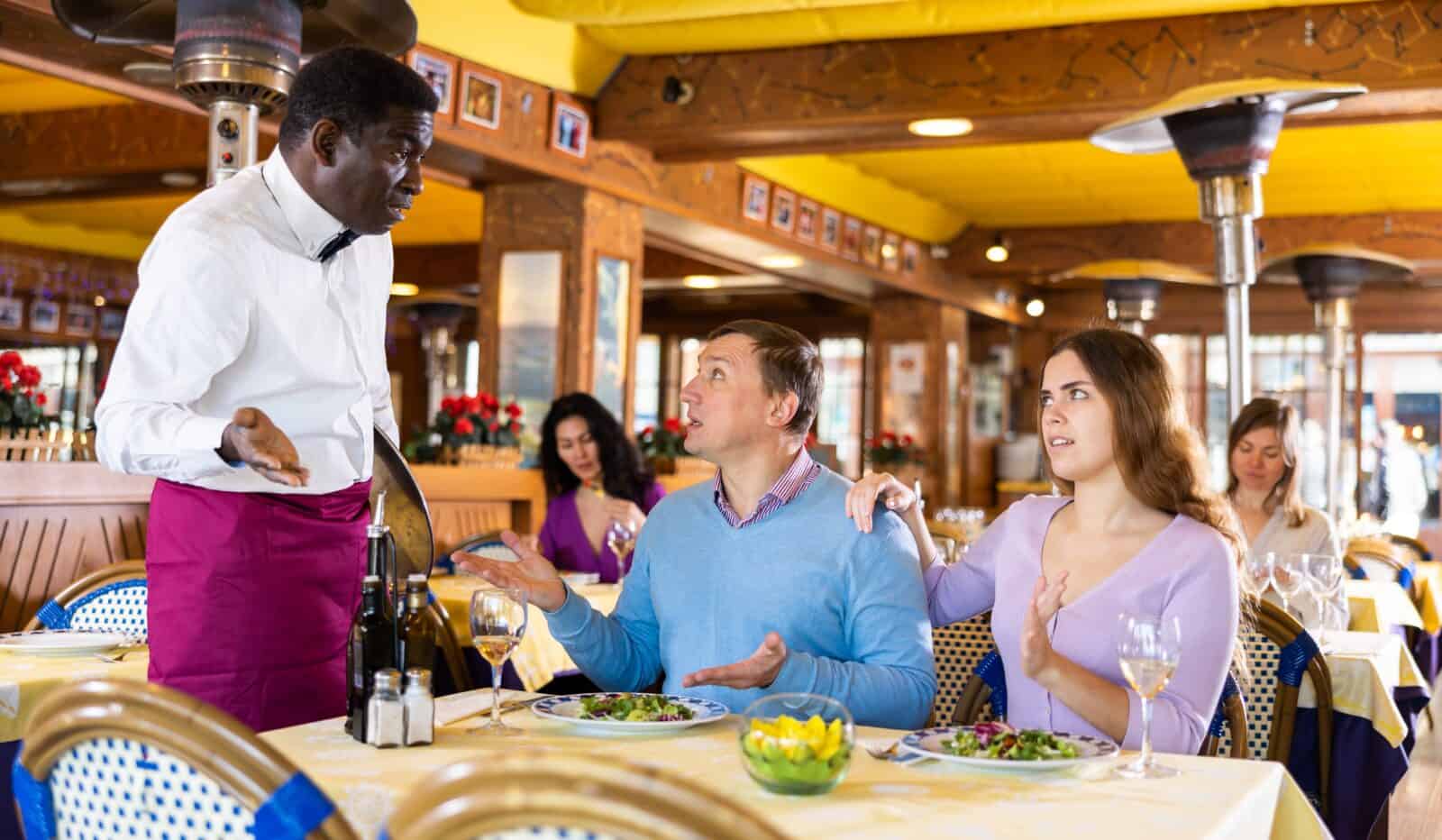
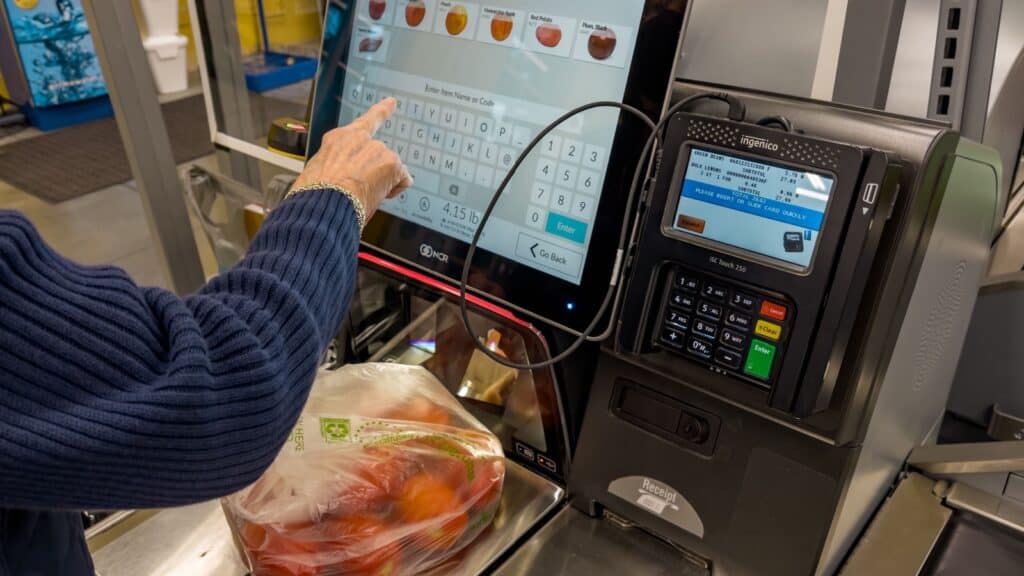
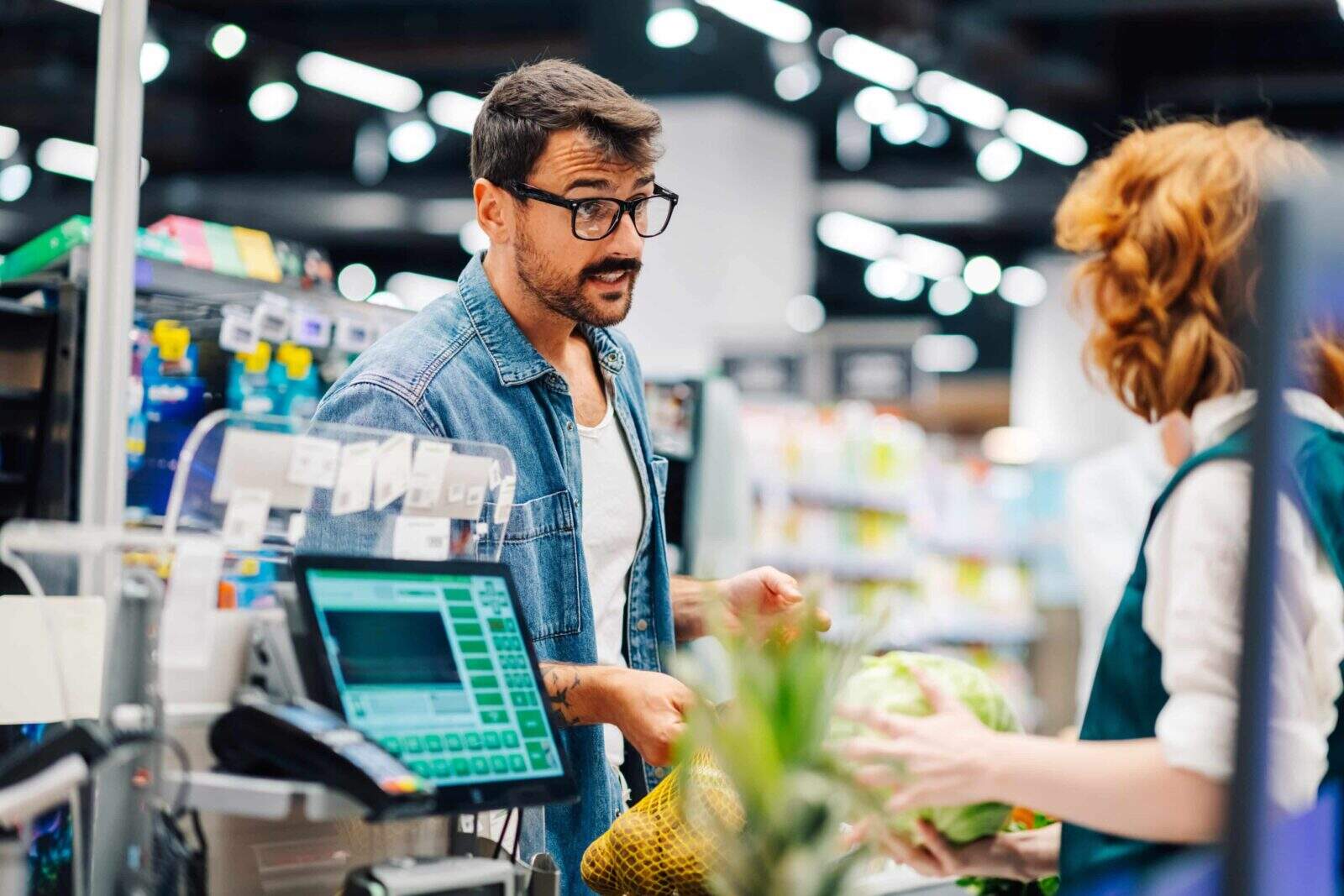
Self-checkout lanes were supposed to be a convenient way to avoid human interaction entirely. Now you scan your own groceries, bag your own items, and the machine still asks for a tip. It is literally a robot begging for extra cash while you do all the physical labor.
You stare at the screen, wondering if the money goes to the software developer or the grocery store CEO. The sheer audacity of asking for free money during a self-service transaction is mind-boggling. People are openly refusing to subsidize a corporation when they are essentially working as an unpaid cashier.
Why Are We Subsidizing Their Wages
The responsibility of paying employees a livable wage should rest entirely on the shoulders of the employer. According to a 2025 Bankrate survey, forty-one percent of Americans believe businesses should pay their employees better instead of relying on tips. Passing the payroll burden onto the customer feels incredibly lazy and unfair.
Every time you buy a sandwich, you are essentially helping a multi-million dollar franchise avoid proper payroll expenses. The system forces regular citizens to make up the difference for underpaid workers. Americans are getting tired of playing the role of human resources for highly profitable companies.
Just Bake It Into The Final Price
European countries figured out a long time ago that transparent pricing creates a much better customer experience. You look at a menu, order a burger, and pay exactly what the paper says. A 2026 Gratuity Solutions report showed that sixty-five percent of US consumers are fed up with tipping entirely.
People would gladly pay a dollar more for their meal if it meant escaping the math exam at the end. The constant mental gymnastics required to calculate a fair total is exhausting for everyone involved. Shoppers just want honest pricing instead of a surprise tax tacked onto the end of their meal.
I Picked This Up From The Counter
Ordering takeout directly from a restaurant used to be the ultimate money-saving hack. A 2025 Bankrate survey showed that sixty-three percent of Americans currently hold at least one negative view about tipping. You call ahead, drive your own car, walk inside, and carry the bags out yourself.
Nobody refilled your water glass or checked on your table to see if you needed extra napkins. Tipping for takeout feels like you are paying an entrance fee just to pick up your own property. Customers draw the line at tipping for food that they literally transported themselves.
Tip Guilt Is Getting Out Of Hand
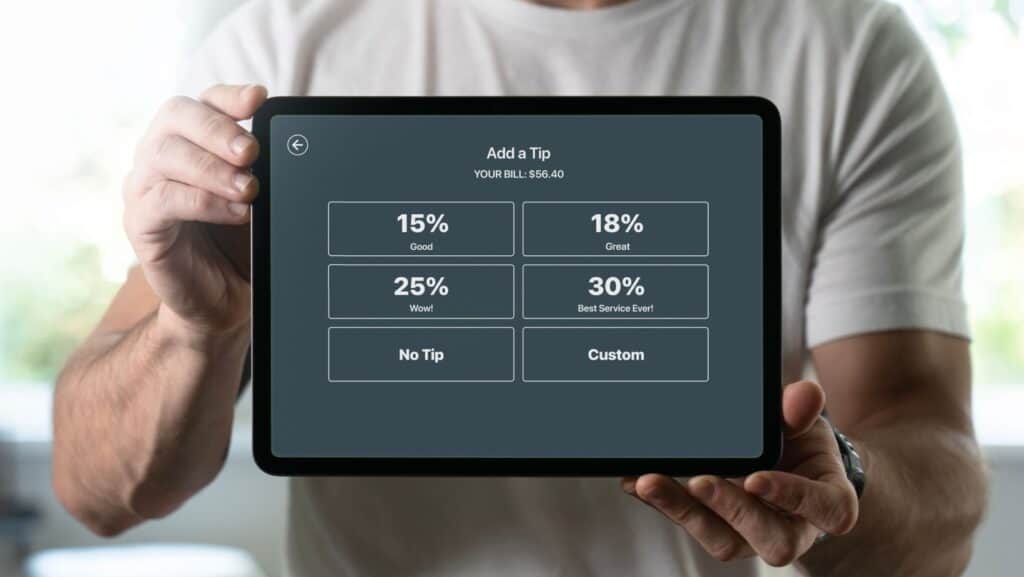
The psychological warfare involved in buying a simple pastry has reached a breaking point. You lock eyes with the cashier and feel a massive wave of shame wash over you. Hitting the skip button requires a level of emotional fortitude most people lack before their morning coffee.
We end up giving away our hard-earned money just to avoid looking bad in front of strangers. It creates a toxic dynamic where transactions are fueled by embarrassment rather than genuine gratitude. True hospitality is completely lost when the entire exchange is driven by awkward social pressure.
Like our content? Be sure to follow us