12 reasons many Americans don’t like California
California’s reputation is facing growing criticism as housing costs, congestion, and quality-of-life concerns reshape public opinion.
California has always been the land of big dreams and even bigger movies, but lately, the Golden State’s shine seems to be fading for many folks across the country. While the postcards show palm trees and sun-kissed surfers, the reality for those living there or watching from afar is a bit more complicated.
It is a place that people love to talk about, but more and more, that talk is turning into a list of grievances. From the staggering price of a simple bungalow to the constant hum of traffic that never seems to sleep, the California dream is feeling like a bit of a stretch.
We are seeing a shift in how the rest of America views this coastal giant. Here are 12 reasons so many people are giving the state a thumbs-down these days and weighing it against their long-term well-being.
A Perceived Social Divide

There is often a feeling that the state is split between the ultra-wealthy in tech or film and everyone else who is just trying to get by. This wealth gap is visible in every neighborhood, creating a sense of disconnection and social tension that can be felt in daily interactions. Many people move away because they no longer feel like they belong in a place that seems focused on the elite.
Research shows that California has one of the highest levels of income inequality in the country, with top earners seeing massive gains while others’ incomes stall. This gap can lead to a breakdown in community spirit and a feeling that the system is rigged in favor of those with deep pockets. It is a social friction that makes the state feel less like a unified community and more like a collection of separate worlds.
The Cost Of Living Crisis

Trying to balance a monthly budget in a city like San Francisco or Los Angeles feels like playing Tetris with pieces moving at lightning speed. Everything from a gallon of milk to a basic utility bill seems to carry a premium price tag, leaving your wallet feeling quite light. It is a tough pill to swallow when a modest lifestyle requires a massive six-figure salary.
According to the Missouri Economic Research and Information Center’s cost-of-living data series, California consistently ranks among the most expensive states in the country, especially along the West Coast.
This financial pressure makes it incredibly hard for young families to get a foot in the door or even keep a steady hand on their financial goals. Many feel they are running a race on a treadmill that keeps getting faster every single year.
Sky High Tax Burdens
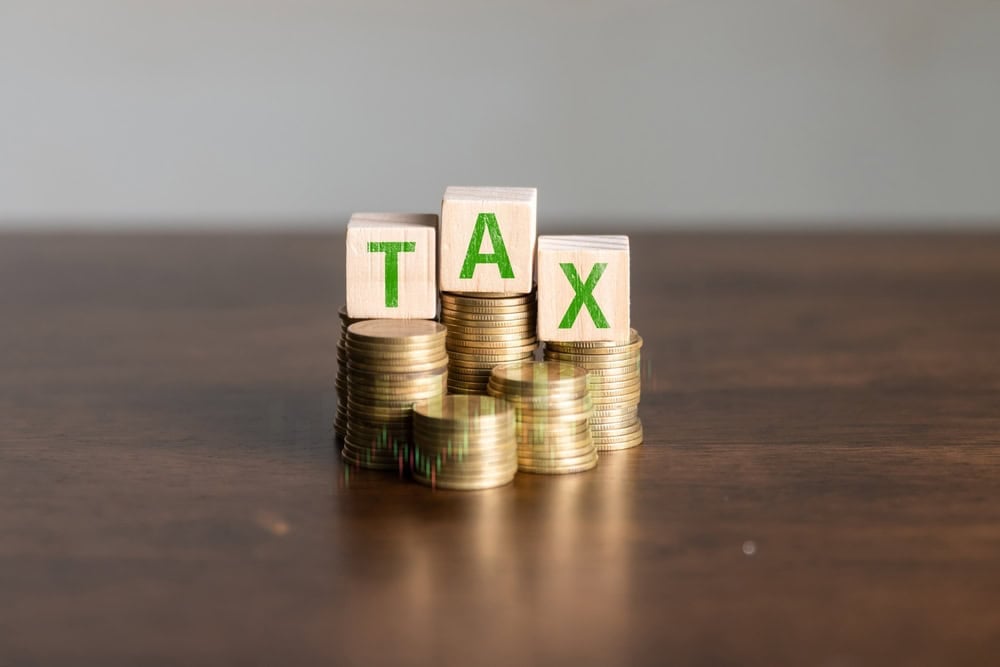
Residents often joke that the state wants a slice of every single pie you bake, and sometimes it feels like they want the whole bakery. California is famous for having some of the highest personal income tax rates in the nation, which can be a shock to anyone moving from a lower-tax region. People often wonder where all that money is going when they look at the state of the public roads.
The Tax Foundation’s overview of state individual income tax rates shows California at the top of the chart with a 13.3% top marginal rate. That kind of bite can make even high earners feel like they are barely treading water once the government takes its share. It is a major factor driving businesses and individuals to seek greener, cheaper pastures elsewhere.
The Housing Market Nightmare

Finding an affordable home in a safe neighborhood is about as easy as finding a needle in a haystack while wearing oven mitts. The median home price has soared to heights that make the average American dizzy, often far above what local wages can comfortably support. Renters do not have it any better, with tiny apartments costing more than a mansion in the Midwest.
Recent figures compiled from California Association of Realtors data show the statewide median single-family home price hovering around the high $800-900$ range. This shortage of attainable homes creates a cutthroat environment where multiple offers and bidding wars are the norm rather than the exception. It is a stressful cycle that leaves many feeling hopeless about ever truly putting down deep roots.
Gridlock On Every Freeway

If you enjoy spending your life looking at the bumper of the car in front of you, then the California highway system is the place for you. Traffic in the major metros is legendary for turning a ten-minute trip into a forty-five-minute ordeal at almost any time. The sheer volume of cars on the road makes a simple trip to the grocery store feel like a strategic military operation.
In one analysis from the INRIX Global Traffic Scorecard, Los Angeles drivers were found to spend around one hundred hours per year sitting in congestion during peak times. This constant state of gridlock adds a daily stress that eats away at your patience and free time. Many people find that the hours lost to commuting are simply not worth the benefits of living near the coast.
Rising Homelessness Challenges

The sight of sprawling encampments in prominent urban areas has become a distressing part of the daily view for many residents and visitors alike. It is a complex issue tied to mental health, addiction, and the extreme cost of housing, but the visible impact on public spaces is undeniable.
Many feel that the current strategies are not doing enough to address the root causes of the problem. A fact sheet notes that nearly half of all unsheltered people in the United States live in California.
This reality creates a sense of unease and sadness for those who want to see their communities thrive and their neighbors supported. It is a situation that many outsiders find difficult to reconcile with the state’s immense wealth and resources.
The Constant Threat Of Wildfires

Living in the Golden State often means keeping a packed bag by the door during the dry months, because fire season is very real. The fear of losing a home to a fast-moving blaze is a weight that many families carry throughout the summer and the fall. It is a reminder that nature can be as unforgiving as it is beautiful in these rugged and dry areas.
CAL FIRE’s official wildfire statistics show that recent years have included huge spikes in the number of acres burned, with some seasons seeing millions of acres scorched across the state. The smoke can turn a bright blue sky into a hazy orange mess for weeks at a time, making it hard to breathe. This environmental instability makes many people reconsider if they think the scenic views are worth the seasonal anxiety and risk.
Strict Regulatory Environment

Business owners often feel like they are swimming through molasses when trying to comply with the state’s mountain of rules and paperwork. From environmental mandates to labor laws, the level of oversight can be overwhelming for a small shop trying to make an honest living. This red tape can drive up the cost of doing business and limit the growth of new and exciting ventures.
The California Chamber of Commerce has publicly highlighted new climate and reporting rules as part of a broader, heavy regulatory load in its business advocacy materials. While many of these laws are meant to protect workers and the land, the sheer volume can feel like a burden. It creates a perception that the state is less than friendly to those who want to build something from the ground up.
Utility Costs And Reliability

The price of keeping the lights on and the water running has become a major point of frustration for households across the state. Power outages have become common in many regions. Paying some of the highest rates in the country for service that is not always reliable is a bitter pill for many to swallow.
According to the U.S. Energy Information Administration’s Electric Power Monthly, California’s average residential electricity prices sit well above the national average. This adds another layer of financial strain to the already high cost of living for the average family. It is hard to stay positive when your basic needs are becoming increasingly expensive and sometimes unpredictable.
Drought And Water Restrictions

Water is liquid gold in the West, and the frequent droughts mean that residents are often asked to let their lawns turn brown and take shorter showers. The constant worry about the snowpack and reservoir levels is a background noise that never quite goes away for the people living there. It is a reminder that the state’s growth has often outpaced its natural and sustainable water supply.
Maps from the U.S. Drought Monitor for California show that large portions of the state have repeatedly faced abnormally dry to severe drought conditions over the last decade. This affects everything from the price of local produce to how people maintain their yards and gardens. The struggle for a reliable water source is a long-term challenge that many find to be a significant drawback.
Political Polarization

California is often seen as a deep blue fortress, and for those who do not share the prevailing views, it can feel like a lonely place to live. The state’s bold moves on social and environmental issues often draw praise from some and sharp criticism from others across the nation. This ideological divide can make even local debates feel like part of a much larger, more intense national battle.
California’s statewide survey shows residents split over where the state is headed: a large share says it is on the right track, while a large share says it is on the wrong track. Whether it is about crime policy or school curriculum, the disagreements are often heated and very public. This political intensity can make the state feel like a pressure cooker for those who just want a quiet and simple life.
The Outbound Migration Trend

The sheer number of people packing up and moving to states like Texas or Florida is a sign that the luster has worn off for many former residents. Seeing your friends and neighbors leave for better opportunities and lower costs can create a sense of unease about the state’s future. It is a trend that has captured the national media’s attention and sparked considerable debate about the California model.
California continues to experience net domestic out‑migration, with hundreds of thousands more people leaving for other states than arriving. While new people are still moving in, the steady stream of those leaving tells a story of its own. It is a clear signal that, for many, the trade-offs of living in the Golden State no longer make sense.
Key Takeaway

California remains a land of immense beauty and opportunity, but the high costs and daily stressors are causing many Americans to look elsewhere. While the state will likely always be a major player on the world stage, the current trend of outbound migration suggests that some fundamental changes may be needed to win back the hearts of many.
Understanding these grievances is the first step in seeing the real state of the union’s most populous region. The conversation about California reflects the broader struggles and dreams of the entire country today.
Disclaimer – This list is solely the author’s opinion based on research and publicly available information. It is not intended to be professional advice.
Like our content? Be sure to follow us