12 attitudes that keep many women single longer than they expected
The strangest thing about modern dating is that it has never been easier to meet people, yet a real connection can still feel painfully out of reach.
Everyone is looking, swiping, texting, waiting, and somehow missing each other in the crowd. More women have money, education, freedom, and choices than their grandmothers ever had, yet many still reach their 30s or 40s wondering how love became the one part of life that stayed unfinished.
Census Bureau data released in 2025 says the estimated median age at first marriage rose to 28.4 for women and 30.8 for men, up from 21.1 and 23.5 in 1975. Morgan Stanley also projected that 45% of women ages 25 to 44 will be single by 2030, up from 41% in 2018.
That shift is not a failure story. It is a story about higher standards, stronger independence, dating app fatigue, emotional caution, and the quiet attitudes that can protect a woman so well they also keep love at arm’s length.
This piece is not here to scold single women or tell anyone to lower their standards. Many women are single because they are making wise choices, leaving unhealthy relationships, building careers, healing, raising children, or refusing to accept crumbs. Pew Research Center found that 30% of U.S. adults are single, and single women are less likely than single men to say they are actively looking for dates or a relationship.
That matters because singlehood is no longer just a waiting room before marriage. For many women, it is peaceful, productive, and chosen. Still, for women who do want love and feel stuck, some attitudes can quietly narrow the path. Not because they are bad. Because they are human.
Waiting for “Mr. Perfect” Person

Wanting a good partner is healthy. Wanting a flawless one can become a locked door. Research published in Frontiers in Psychology on singles’ reasons for being single found that “being too picky,” fear of getting hurt, different priorities, freedom, and poor flirting skills were among the major reasons people gave for remaining single.
That does not mean women should date men they do not respect or desire. It means perfection can sometimes dress itself up as wisdom. A woman may reject someone because he is not tall enough, smooth enough, funny enough, ambitious enough, spiritual enough, stylish enough, or instantly electric enough, then wonder why every promising connection dies in the first few messages.
Dating apps can make this worse by turning people into rows of options, each easy to compare and dismiss. The question is not, “Should I settle?” The better question is, “Am I looking for real compatibility, or am I chasing a fantasy person who never has a tired day, an awkward sentence, or a flaw I have to learn with?”
Fear of Getting Hurt

Heartbreak teaches fast, and sometimes it teaches too well. A woman who has been lied to, abandoned, cheated on, criticized, or emotionally used may start treating every new connection like a future crime scene.
The Frontiers in Psychology study found fear of getting hurt was one of the major reasons people remain single, and related research across Brazil and the UK found women were more likely to prefer singlehood after negative relationship experiences. That makes sense. Pain trains the body to scan for danger. The problem is that emotional armor blocks the arrows and the flowers.
A kind man may ask a simple question, and she hears a trap. He may move slowly, and she reads disinterest. He may make one mistake, and her nervous system pulls the fire alarm. Protection is not the enemy. Staying sealed forever is. The work is learning how to open the door with the lock still in place, not living behind a wall and calling it peace.
Becoming Too Financially Independent and Self-Sufficient

Financial independence has changed dating in a beautiful and complicated way. Women no longer need marriage to open a bank account, pay rent, buy a home, or build a respected life.
Morgan Stanley’s 2019 analysis projected that 45% of women ages 25 to 44 will be single by 2030, calling single working women a major economic force. That is power. It also changes what the partnership offers.
If a woman already pays her bills, manages her home, plans her future, and enjoys her own space, a relationship has to add emotional value, not just social approval. The risk appears when self-sufficiency hardens into “I don’t need anyone,” said with a little too much armor behind it.
Needing love is not weakness. Wanting support is not dependence. A healthy relationship does not erase a woman’s independence. It gives her a safe place to set down the weight for a while. The danger is not being financially great. The danger is mistaking total self-protection for freedom.
Having high standards and rejecting potential partners

Standards are a gift when they protect a woman from disrespect, laziness, dishonesty, or emotional neglect. They become a cage when every preference turns into a nonnegotiable rule. Dating app culture can feed this pattern because the next profile is always waiting, glowing softly like a better possibility.
Pew has found that 30% of U.S. adults are single, and men are more likely than women to say they are looking for dates or a relationship, 61% of single men compared with 38% of single women in Pew’s 2020 profile. That gap can create an odd imbalance: many women are open to love in theory, but less willing to enter the dating market unless they feel highly aligned with the person from the start. Again, that is not foolish.
Women often carry more safety concerns, more emotional labor, and more social judgment. Still, if the list grows so narrow that almost no real person can pass through it, the standard may stop protecting love and start preventing it. A good partner may not match the dream exactly, but he should meet life honestly.
Having an Unresolved Anxious Attachment Style

Sometimes the problem is not the dating pool. It is the nervous system. Attachment patterns can shape how people handle closeness, conflict, silence, and trust. A 2025 study in Behavioral Sciences examined adult women and found that attachment type was linked with relationship characteristics and sexual functioning, adding to a large body of research showing that the way people bond affects how they experience intimacy.
An anxious woman may read a delayed reply as rejection and start chasing reassurance. An avoidant woman may feel close to someone, then suddenly crave distance because closeness feels like a loss of control.
Both patterns can keep a woman single longer than she expected because they make love feel unsafe in opposite ways. One reaches too hard. The other backs away too fast. Neither is a character flaw. Attachment patterns are often learned from earlier experiences and can change through self-awareness, therapy, and steady relationships. Love becomes easier when closeness no longer feels like proof that danger is near.
Getting Stuck in “Just Talking”
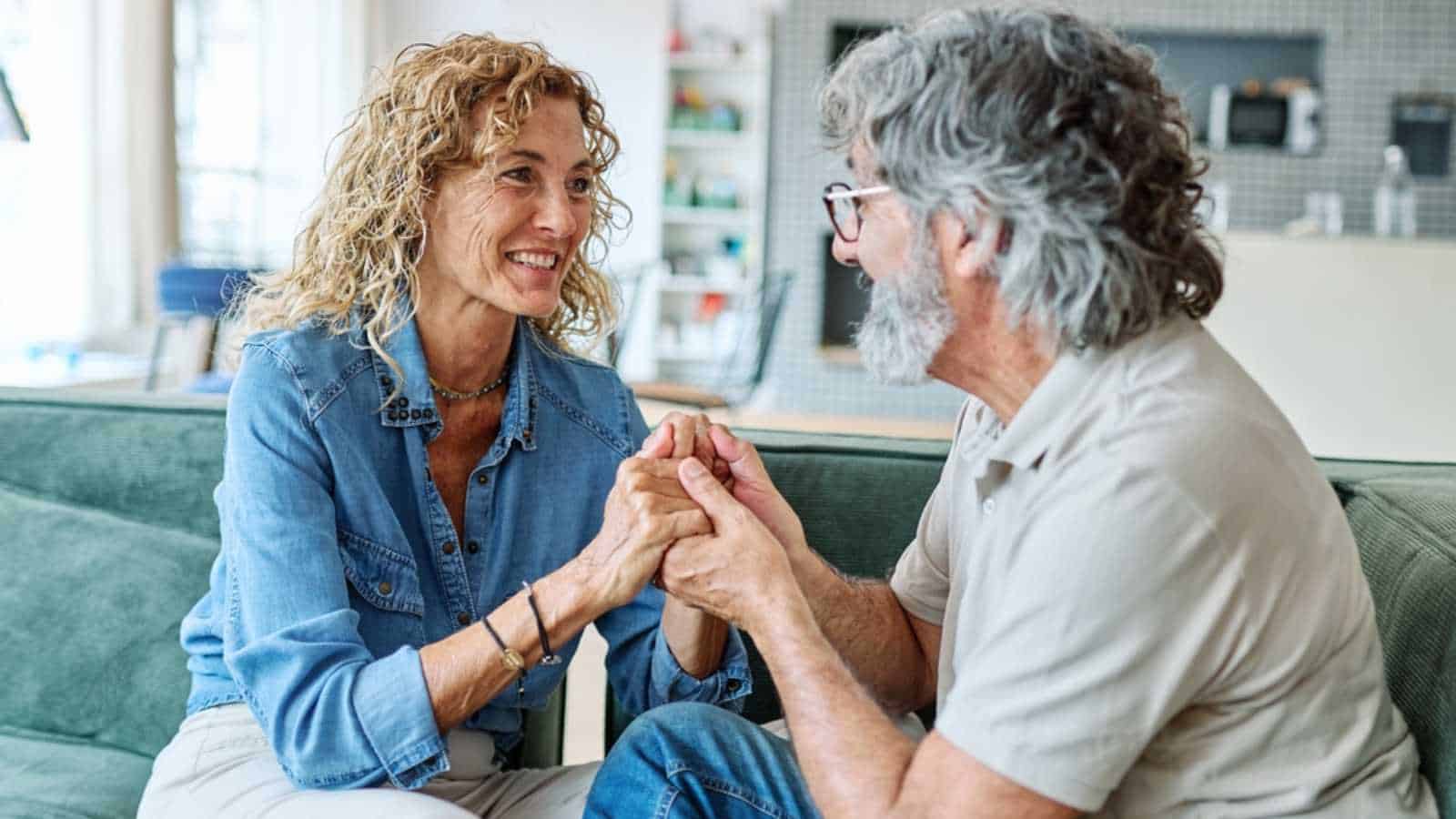
Modern dating has invented a hallway between strangers and commitment, and many people now live there for weeks. It is called “just talking.” It can feel low-pressure at first, but it often becomes a foggy little place where nobody knows the rules, nobody asks for clarity, and everyone pretends not to care too much.
D. Scott Sibley wrote for the Institute for Family Studies that, in his sample of 655 emerging adults, only 7.6% preferred “just talking” to going on actual dates. He also wrote, “A consistent finding is that most emerging adults would rather be asked out or ask someone on a date instead of just talking.” That is the tension.
People want real connections, but phones make almost-connections easy. For women who already fear rejection or wasted time, “just talking” can feel safer than asking, “What are we doing?” Yet clarity is not clingy. It is kind. If a connection cannot survive one honest question, it may not have been moving anywhere anyway.
Blaming Men for Relationship Failures
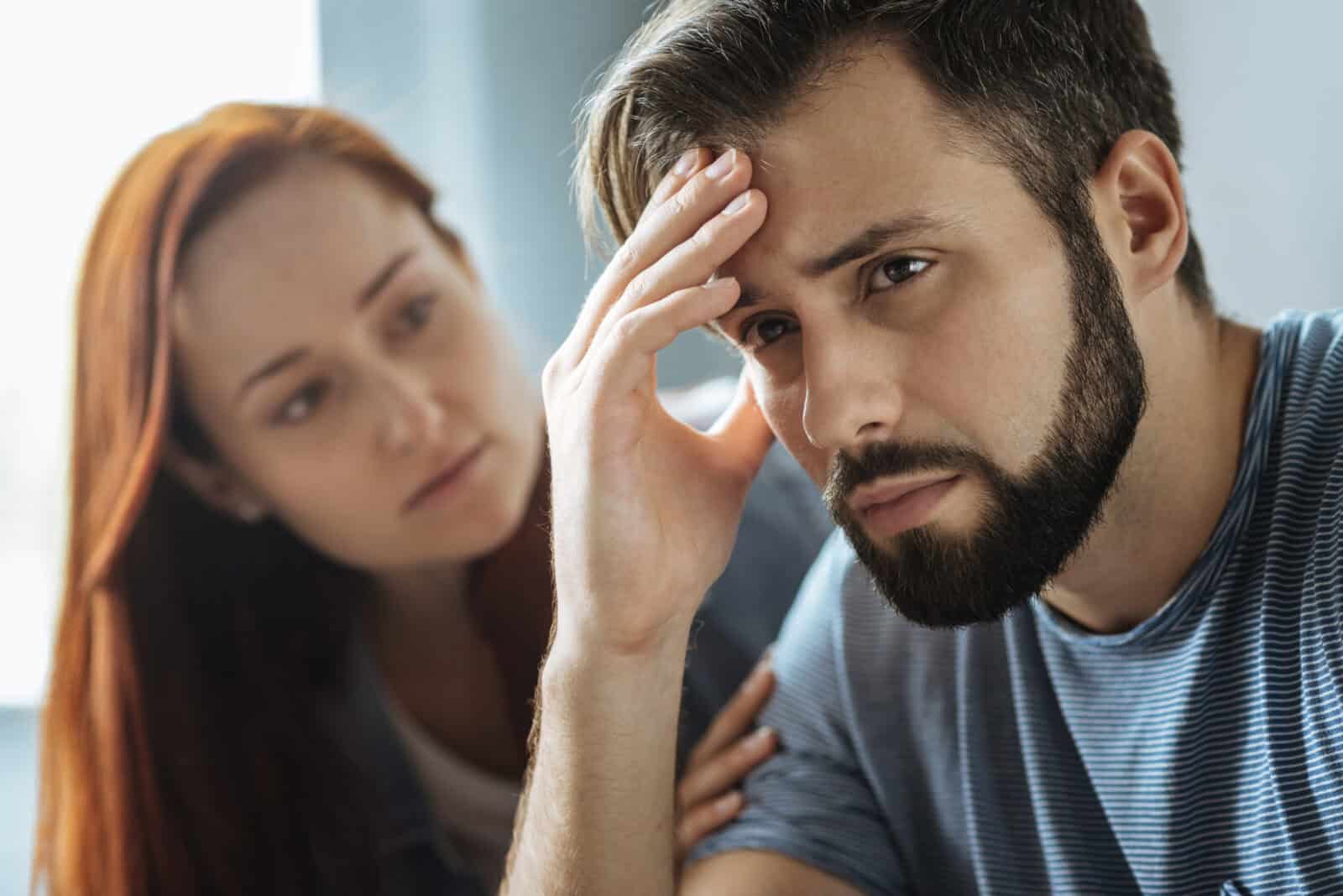
Some women have real reasons to be angry. They have dated men who lied, used them, avoided commitment, mocked their feelings, or showed up with the emotional depth of a locked garage. But if every disappointment turns into “men are trash,” it can slowly poison the very love a woman says she wants.
Pew’s data shows single women are less likely than single men to be actively looking for dates or a relationship, which may reflect peace, caution, fatigue, or all three. Still, blame can become a resting place. It feels protective because it explains pain without asking for self-examination.
The harder work is more balanced: “That man hurt me, and I can still ask what pattern I ignored, what boundary I delayed, what type I keep choosing, or what fear I bring into the next room.” This does not excuse bad male behavior. It gives a woman back her agency. Healing begins when the story is honest enough to include both the harm done to her and the choices still available to her.
Refusing to Do the Emotional Labor, But Expecting It

Many women are tired of becoming a man’s therapist, mother, social planner, calendar, conflict coach, and emotional translator. That exhaustion is real. A 2024 peer-reviewed study on emotional labor, defined as suppressing or changing one’s feelings to support another person’s well-being, found that it is mostly performed by women, especially in intimate relationships.
So when women say they do not want to “raise” a partner, they are often responding to years of being asked to carry invisible work. The twist is that rejecting unfair labor should not turn into refusing all emotional work. Relationships require both people to listen, repair, apologize, plan, remember, soften, and grow.
A woman can rightly refuse to mentor a grown man out of basic empathy, but she still has to do her part: her name needs to be clearly stated, she needs to be regulated during conflict, she needs to show appreciation, and she needs to stay curious. Equality does not mean nobody carries emotional weight. It means both people pick it up.
Isolation Creates a Relationship-Proof Bubble

The older life gets, the easier it becomes to build a beautiful little routine that no stranger can enter. Work, errands, family, shows, skincare, gym, church, brunch, sleep, repeat. Peaceful? Maybe. Relationship-proof? Sometimes.
Pew found that 30% of U.S. adults are single, and the dating market looks different by age, gender, and life stage. Psychology Today’s 2026 summary of research on never-partnered adults also notes that more education correlates with longer singlehood, especially for women, and that never-partnered singles report lower life satisfaction and more loneliness than other groups in that study.
That does not mean single women are doomed or secretly miserable. Many are thriving. It means isolation can sneak in under the name of comfort. Love usually requires some friction with the outside world: saying yes to dinner, joining the group, sending the message, leaving the house after work, and accepting awkwardness as part of the process. A closed door can feel safe, but it rarely introduces you to anyone.
Feeling Undesirable, Assuming No One Will Choose Them

Some women stay single because they think they are choosing peace, but beneath that peace lies a quiet fear that no one would choose them back. That fear can be fed by age pressure, body standards, racism, past rejection, divorce, infertility worries, disability, social media comparison, and years of being told women lose value over time.
Research on “relationship pedestal beliefs,” published in Personality and Social Psychology Bulletin, found that people who strongly believe romantic partnerships are necessary for happiness tend to report greater fear of being single, and that fear is linked to lower daily life satisfaction. That is a painful loop.
A woman may want love, feel ashamed for wanting it, fear she is not desirable, and then withdraw before anyone can confirm or challenge that belief. The way out is not forced confidence or pretending rejection does not hurt. It is learning to see desirability as more than youth, thinness, drama-free perfection, or male approval. Being chosen matters. But believing you are unchoosable can become the first rejection.
Prioritizing Career Success Over Relationship Building

Career focus is not the villain. For many women, education and work brought a freedom their mothers and grandmothers did not have. The Census Bureau’s 2025 data shows women now marry far later than they did in 1975, and Morgan Stanley expects single women ages 25 to 44 to make up a record share by 2030.
Yale anthropologist Marcia Inhorn adds another layer with her work on the “mating gap.” Inhorn’s research on highly educated women freezing their eggs argues that the issue is often not career selfishness but a shortage of “eligible, educated, equal” partners ready for marriage and parenthood. Her book description says egg freezing is rarely about women choosing career over family; it is often a backstop while waiting for the right partner.
This is important because women are often blamed for ambition when the real story is more complex. Still, relationships need time, attention, and space. A career can build a life, but love rarely grows well if it only gets the leftover minutes after burnout.
Being Emotionally Unavailable To Partners
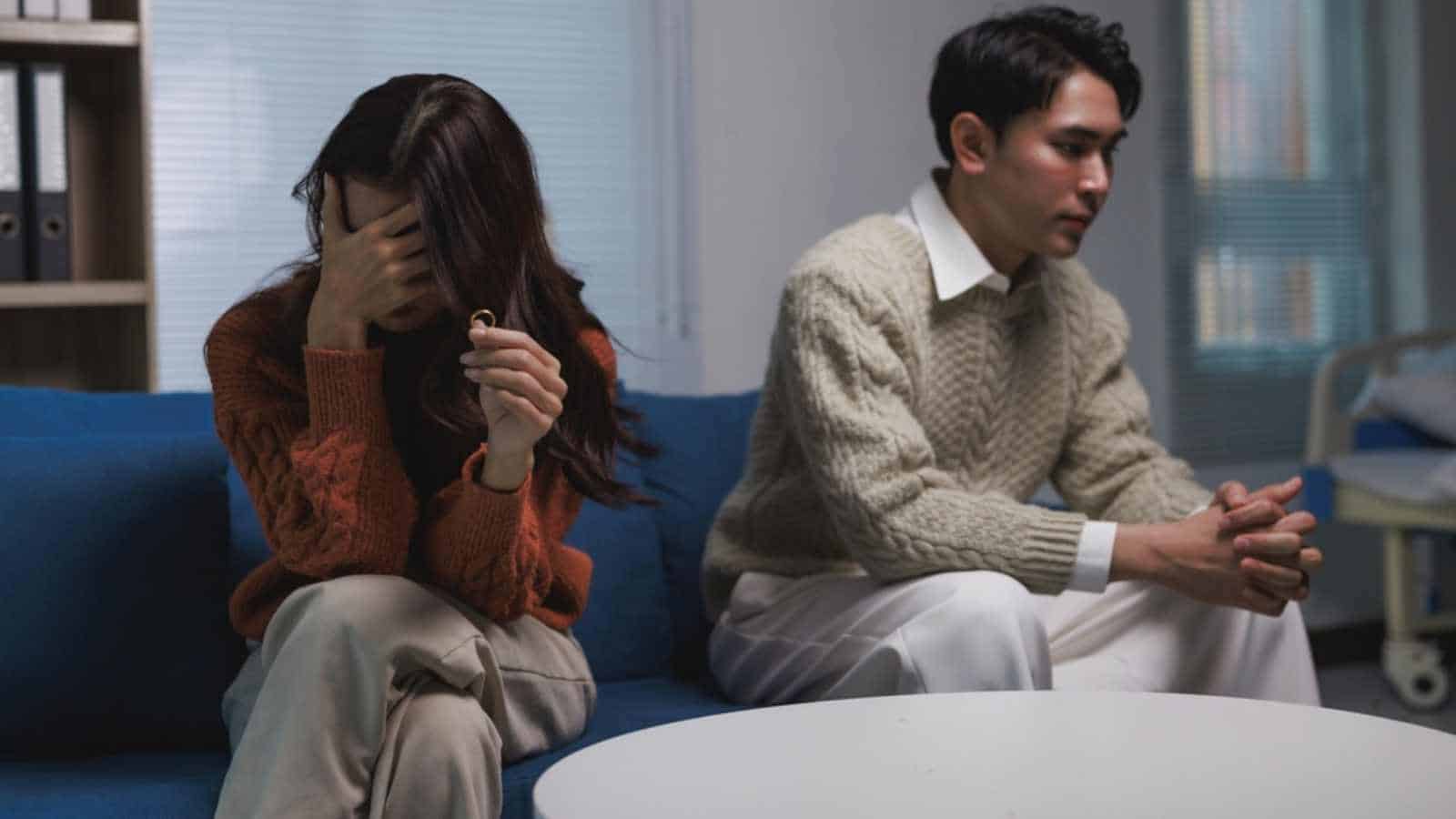
This may be the hardest attitude to face because it hides behind a very fair desire. Many women want an emotionally present partner, someone who listens, stays, speaks honestly, and does not vanish when feelings get real. That is a healthy standard.
But some women ask for deep vulnerability while keeping their own heart behind glass. They want him open, but they stay guarded. They want him consistent, but they panic when consistency starts to feel intimate. They want closeness, but they choose people who cannot give it because unavailable love feels familiar and safe from a distance.
Attachment research continues to show that intimacy is shaped by how people handle closeness, fear, and dependence. A 2025 study of adult women linked attachment type with important relationship characteristics, while broader singlehood research shows fear, loneliness, and relationship pressure can shape romantic choices.
The gentle truth is this: wanting emotional depth is not the same as being ready to receive it. The partner a woman says she wants may require the version of herself that can stay open without running from the risk.
A Short Reflective Close

There is no shame in being single longer than expected. For some women, it is the bravest choice they have ever made. For others, it is a season that feels peaceful on the outside and tender underneath.
The point is not to lower standards, chase anyone available, or treat marriage like a finish line. The point is to ask a quieter question: are the attitudes protecting me still serving me? A woman can want real love and still have fear.
She can be independent and still crave partnership. She can have high standards and still learn to see good men who arrive in imperfect packaging. Love does not ask women to become smaller. It does ask them to stay open enough for someone worthy to get close.
Key Takeaways

More women are single later in life because the whole landscape has changed. Census data shows women’s median age at first marriage reached 28.4 in 2025, and Morgan Stanley projected that 45% of women ages 25 to 44 will be single by 2030. Those numbers reflect education, money, freedom, caution, dating app fatigue, and rising expectations.
Some patterns that keep women single are initially protective. Fear of getting hurt, high standards, independence, and emotional guardedness often begin as survival tools. Over time, they can become walls if they block every honest attempt at connection.
Women do not need to settle. They need clarity. The healthiest path is not lowering the bar. It is knowing the difference between a real standard and a fear-worn crown.
Disclaimer – This list is solely the author’s opinion based on research and publicly available information. It is not intended to be professional advice.
Like our content? Be sure to follow us