10 everyday items that reflect a childhood of financial hardship
Household economics research consistently shows that childhood material conditions shape long-term well-being. Data from the World Bank and UNICEF indicate that over 333 million children globally live in extreme poverty, and even in middle-income countries, economic strain often shows up not just in income statistics but in everyday household items.
In the United States, Federal Reserve surveys on financial well-being also show that a significant portion of adults report experiencing financial insecurity during childhood, which influences spending habits, stress responses, and resilience later in life.
Sociologists often describe poverty not only as a lack of income but as “visible traces in the home environment”, objects that quietly reflect scarcity, prioritization, and resourcefulness. These items are not just material objects; they represent coping systems shaped by constraint, improvisation, and survival-oriented decision-making.
Reused school notebooks with scribbles on margins

In households under financial strain, stationery often gets stretched far beyond its intended use. Instead of new notebooks each term, pages are carefully rationed, and unused sections are reused for multiple subjects.
UNESCO research shows that school supply scarcity is among the most common indirect indicators of household poverty in low-income and vulnerable communities. Margins become multipurpose spaces, math on one side, spelling on the other.
This behavior reflects adaptive resource management, where children learn early that materials must be conserved rather than replaced. Over time, this builds a mindset of reuse and efficiency, even when resources become available later in life.
Plastic containers reused for everything

Household consumption studies in urban sociology show that low-income families often extend the lifecycle of plastic containers far beyond their original purpose. Food storage, water carrying, and even household organization rely on repurposed packaging.
A United Nations Environment Program report highlights that reuse behaviors are significantly higher in resource-constrained households. What appears as clutter in some settings often functions as a practical storage system in others.
This reflects a form of informal circular economy operating inside the home, where durability and reuse outweigh aesthetics or standardization.
Hand-me-down clothing with mismatched sizes
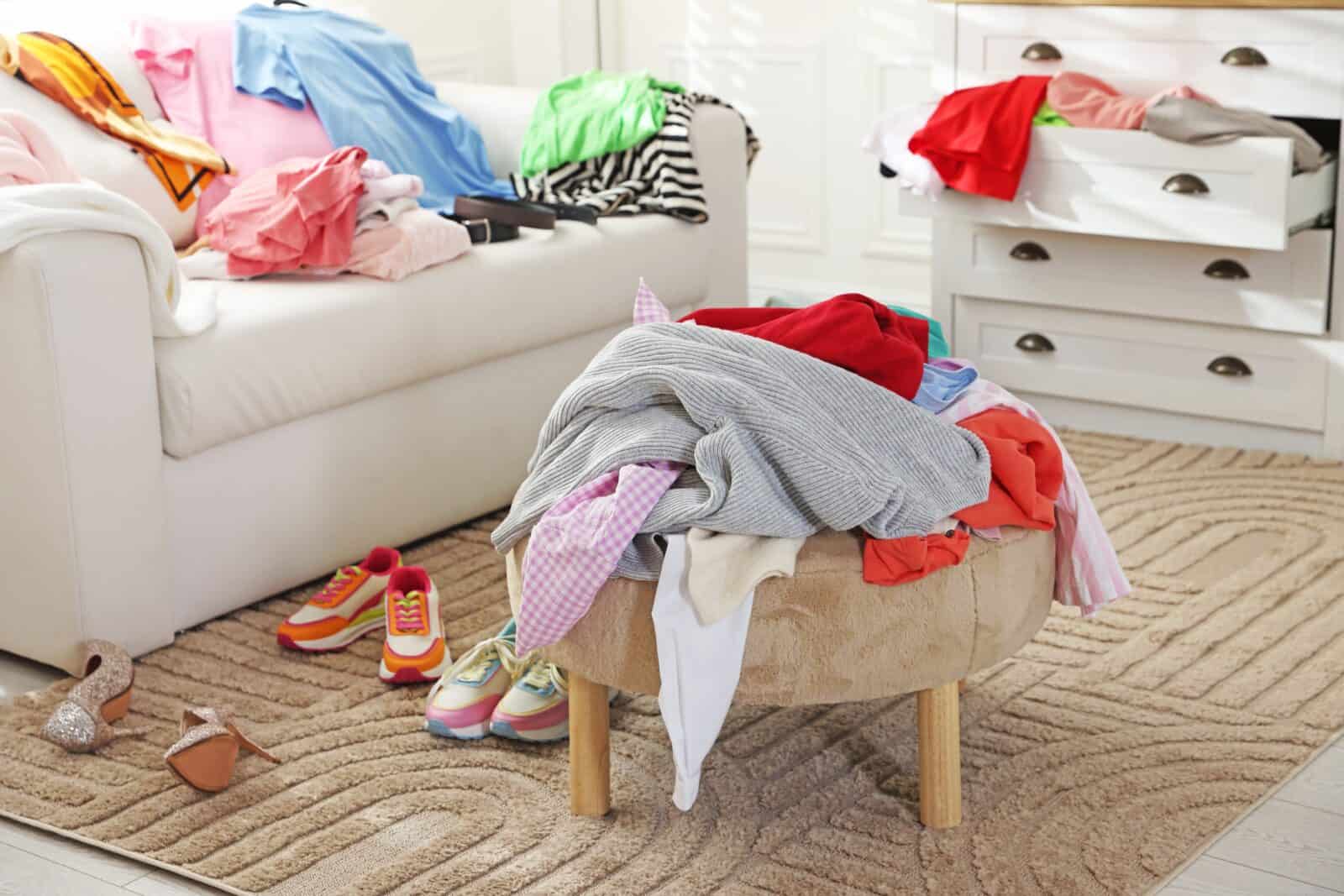
Clothing reuse is one of the most widely documented indicators of economic constraint in household studies. UNICEF notes that clothing insecurity often correlates with broader material deprivation.
In many households, garments circulate across siblings, relatives, or community networks. Sleeves may be rolled, hems adjusted, and layers combined to achieve a better fit. This system creates flexible clothing-adaptation strategies that prioritize utility over uniformity.
It also reflects social cooperation networks that compensate for material scarcity through shared resources.
Multiple repaired school shoes

Wear-and-tear cycles are common in financially constrained environments. Studies in consumer economics show that low-income households tend to extend product lifespans by repeatedly repairing rather than replacing.
Shoes may be patched, re-stitched, or reinforced multiple times. This reflects what economists call “durability maximization behavior,” in which value is extracted over extended time horizons.
In practical terms, children often learn to care for items carefully because replacements are not readily available.
Shared school uniforms among siblings
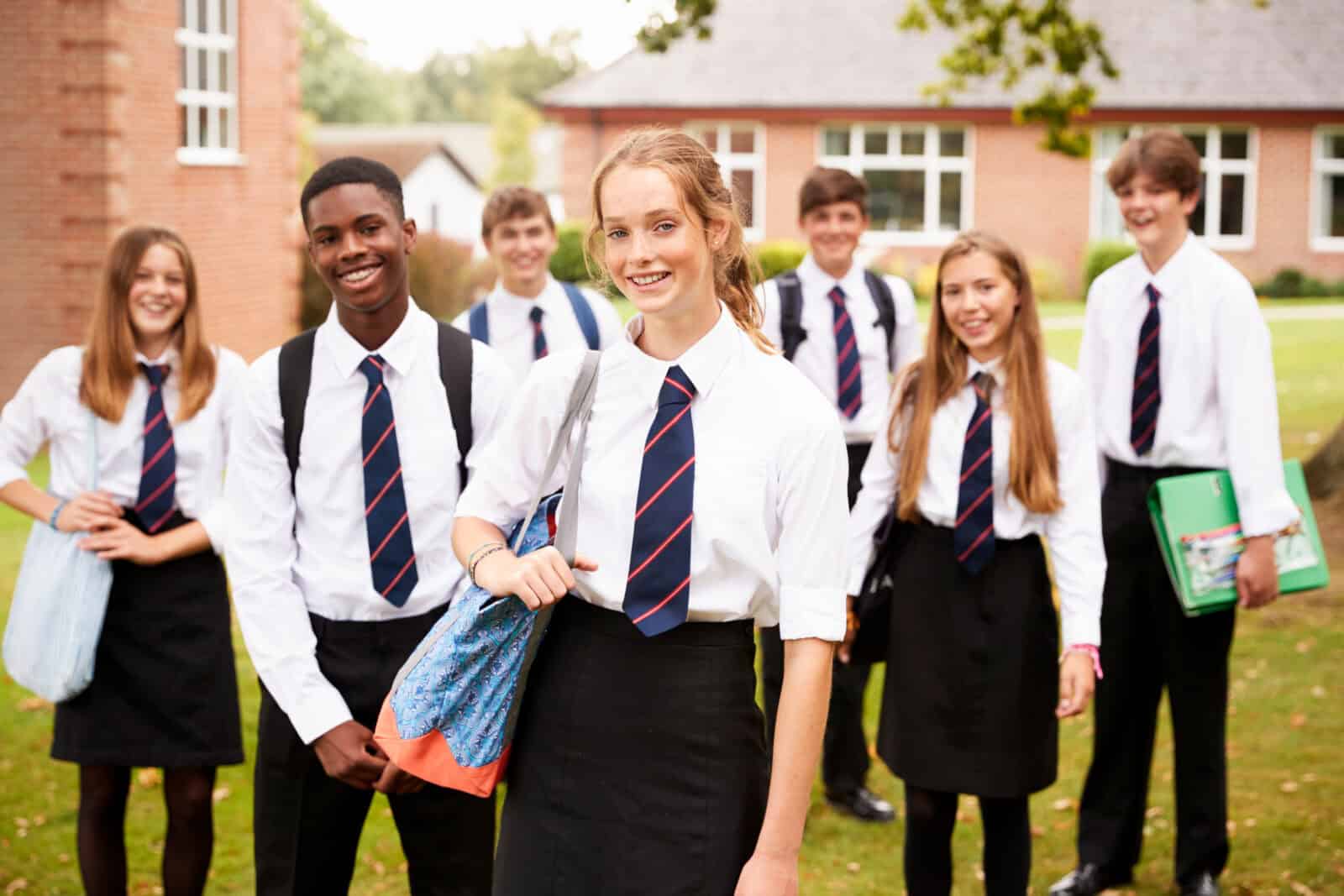
Studies on educational access show that sharing uniforms is common in economically strained households. The cost of school uniforms can represent a significant portion of household income in low-resource settings. As a result, uniforms are rotated, adjusted, and reused across academic years.
This creates logistical coordination within families, where schedules and usage must be carefully managed. It reflects household-level planning systems that prioritize continuity of education despite financial limitations.
Exercise books covered in reused paper or newspaper
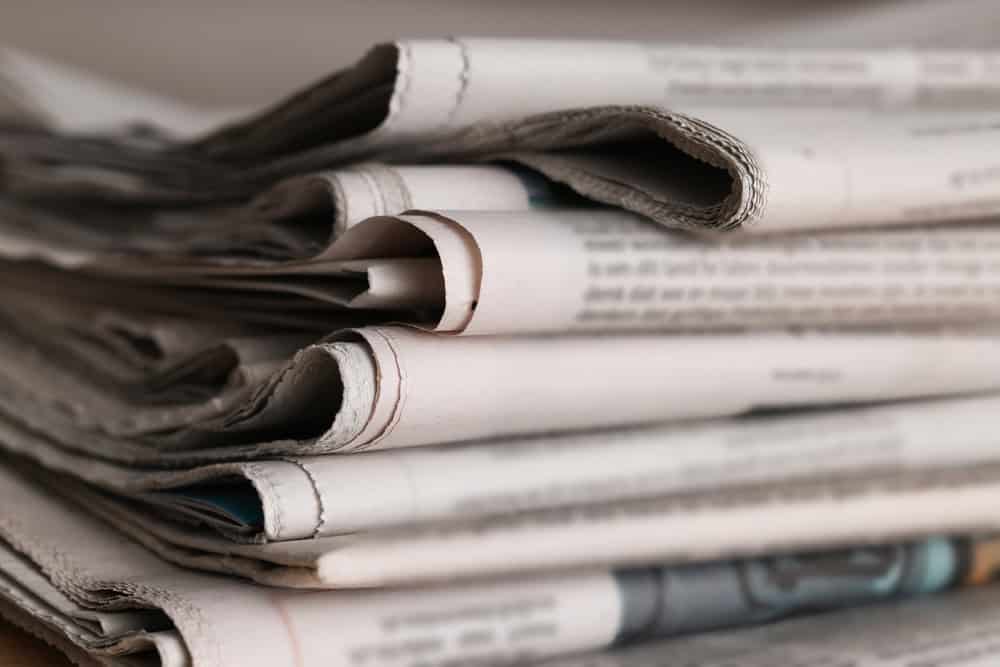
Creative reuse of packaging materials for book covers is widely documented in educational anthropology studies. In many low-income contexts, protective covers are made from newspapers, shopping bags, or scrap paper.
This extends the life of educational materials while reducing replacement costs. It also reflects early exposure to improvisational problem-solving, where children learn to protect resources through available means rather than purchased solutions.
Cooking fuel substitutes or mixed fuel use

Research on energy poverty from the International Energy Agency shows that households with limited incomes often diversify their cooking fuel sources. This may include mixing charcoal, firewood, or other available materials, depending on cost and availability.
Fuel substitution reflects adaptive survival strategies in energy consumption. It also demonstrates how household decision-making is shaped by fluctuating access to resources rather than by fixed systems.
Broken electronics kept for “future repair”
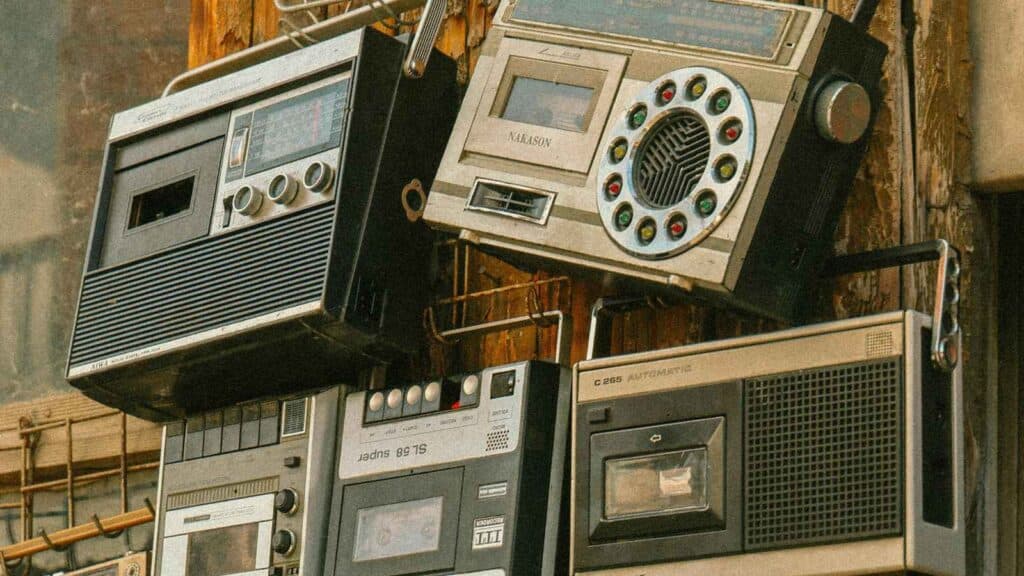
Consumer behavior research shows that low-income households are more likely to retain non-functional electronics in anticipation of repair opportunities. Instead of immediate disposal, items are stored for parts or potential servicing.
This reflects delayed replacement cycles and the preservation of value. It also connects to informal repair economies, where community technical skills extend product lifespans.
Handwritten notes replacing printed materials

Educational resource scarcity often leads to transcription practices in which students manually copy content due to limited access to textbooks or printing.
This builds strong memorization habits but also reflects structural limitations in access to learning materials.
Household “emergency” savings hidden in small containers

Studies on financial behavior from the World Bank and behavioral economics research show that informal saving systems are common among low-income households. Money may be stored in small, discreet containers rather than in formal banking systems due to barriers to accessibility or trust.
This reflects micro-saving strategies that prioritize immediate liquidity and security. These systems demonstrate financial resilience under constraint, even without formal financial infrastructure.
Key Takeaways
- Financial hardship often manifests in household objects through reuse, repair, and adaptation.
- Research from UNICEF, the World Bank, and FAO shows that material scarcity shapes behavior more than isolated income levels.
- Resourcefulness develops through necessity, creating systems of reuse and improvisation.
- Many coping mechanisms function as informal economies inside the household.
- Childhood exposure to scarcity often builds long-term habits of conservation, planning, and resilience.
Disclaimer: This list is solely the author’s opinion based on research and publicly available information. It is not intended to be professional advice.
Like our content? Be sure to follow us